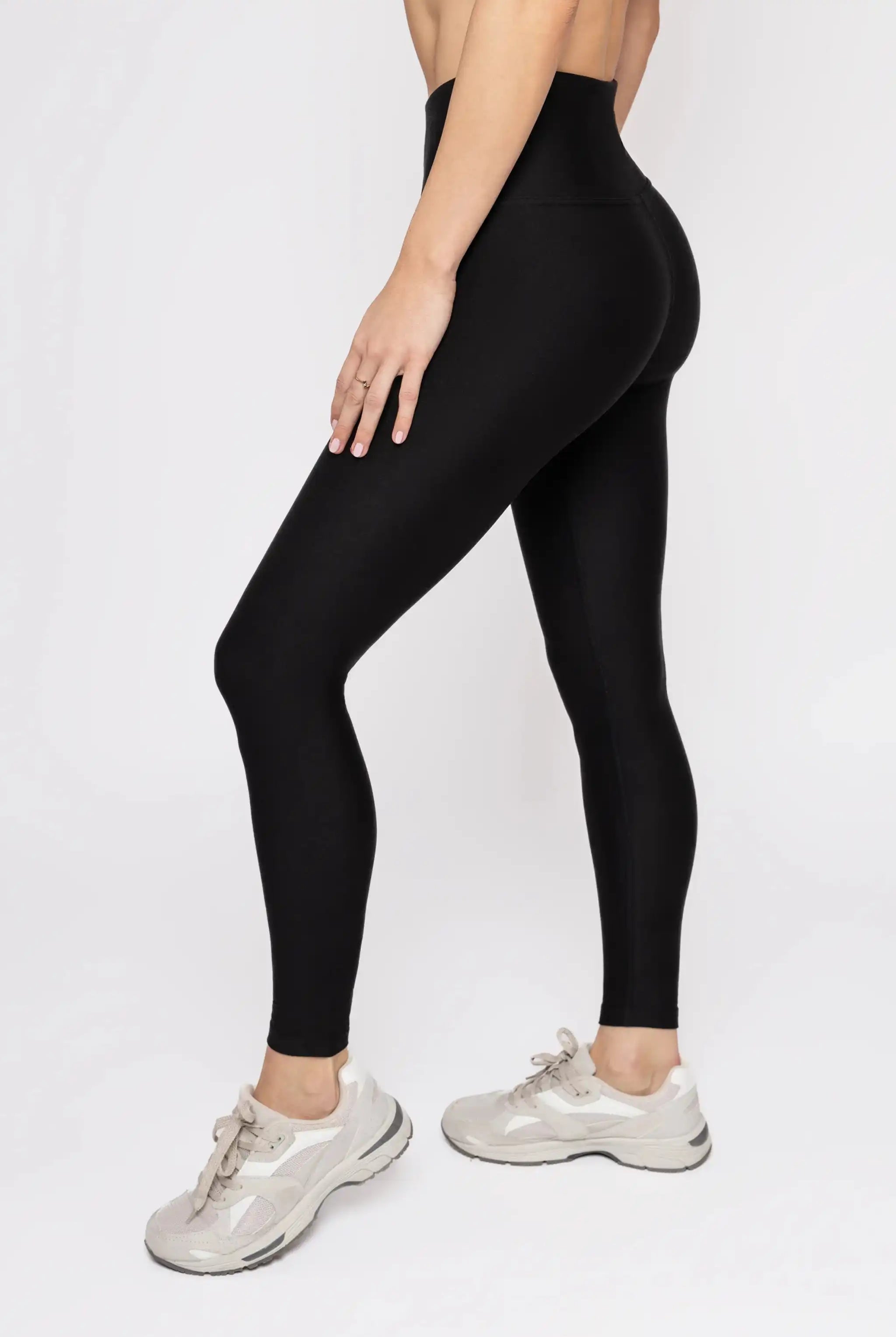
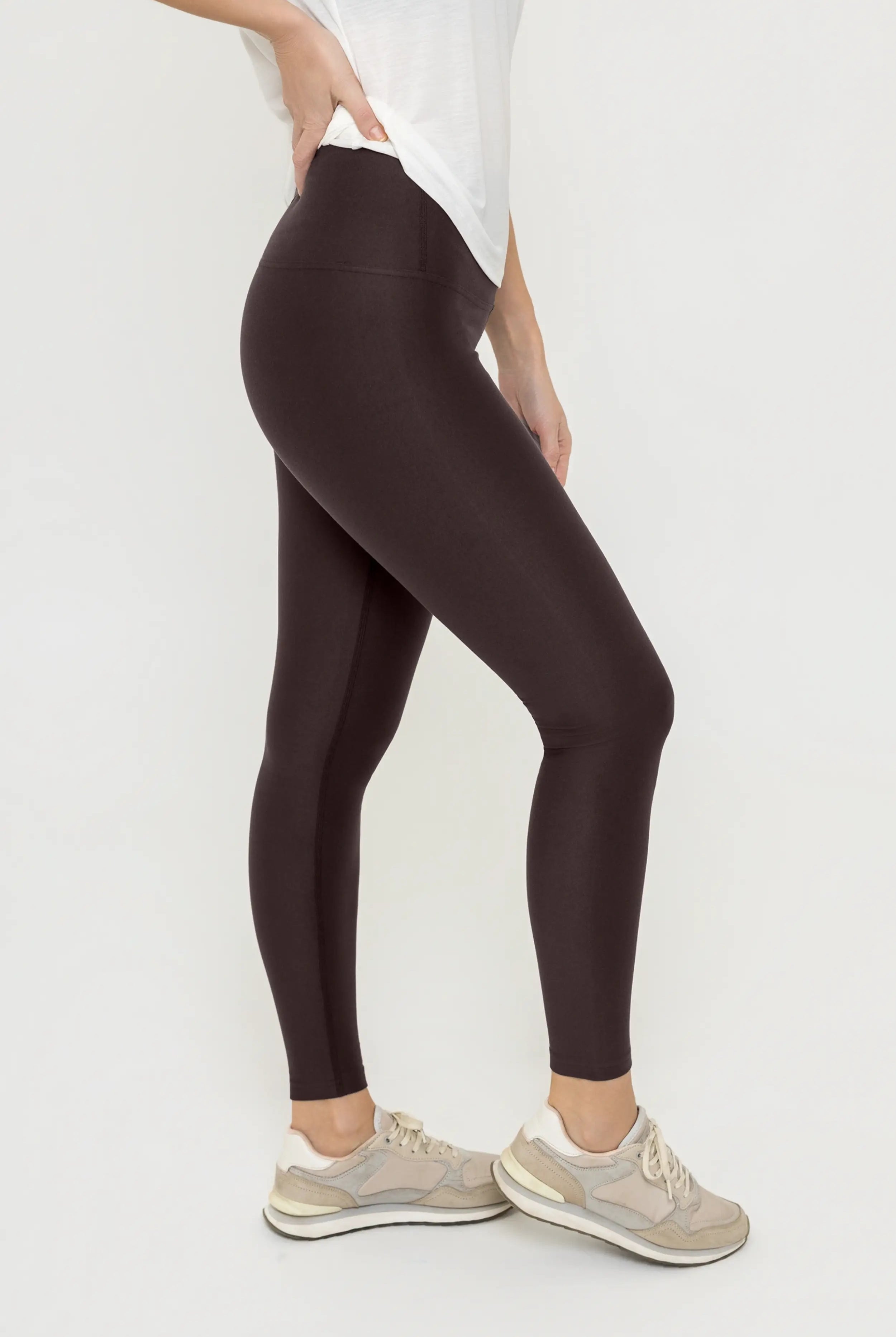
Sweaty Workouts: How Activewear Affects Comfort and Odor
In this article
If you've ever finished a workout feeling hot, irritated or worried about how you smell, you're far from alone.
Sweating is a healthy part of exercise. What makes the difference is how your activewear responds to heat, moisture and movement. Some pieces handle it well. Others leave you thinking about your clothes instead of your workout.
This guide explains why that happens, how fabric and design affect the way you feel when you sweat, and what you can do differently.

How does activewear affect comfort and odor during sweaty workouts?
Heat, moisture, bacteria and friction all increase during exercise. Activewear that doesn't handle those conditions well leaves you hotter and clammier, more aware of rubbing, and more conscious of odor. Usually it's what you're wearing rather than anything you're doing.
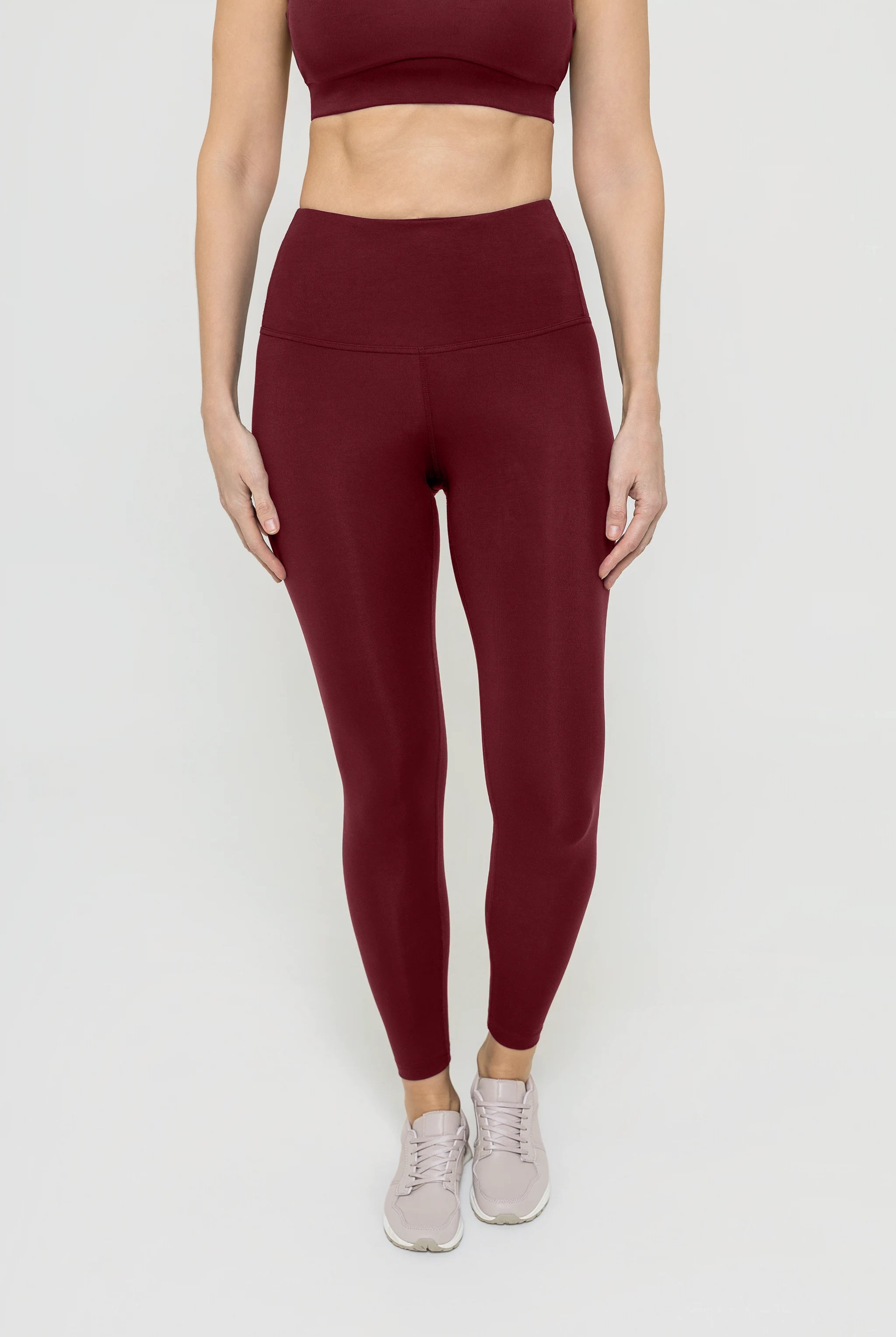
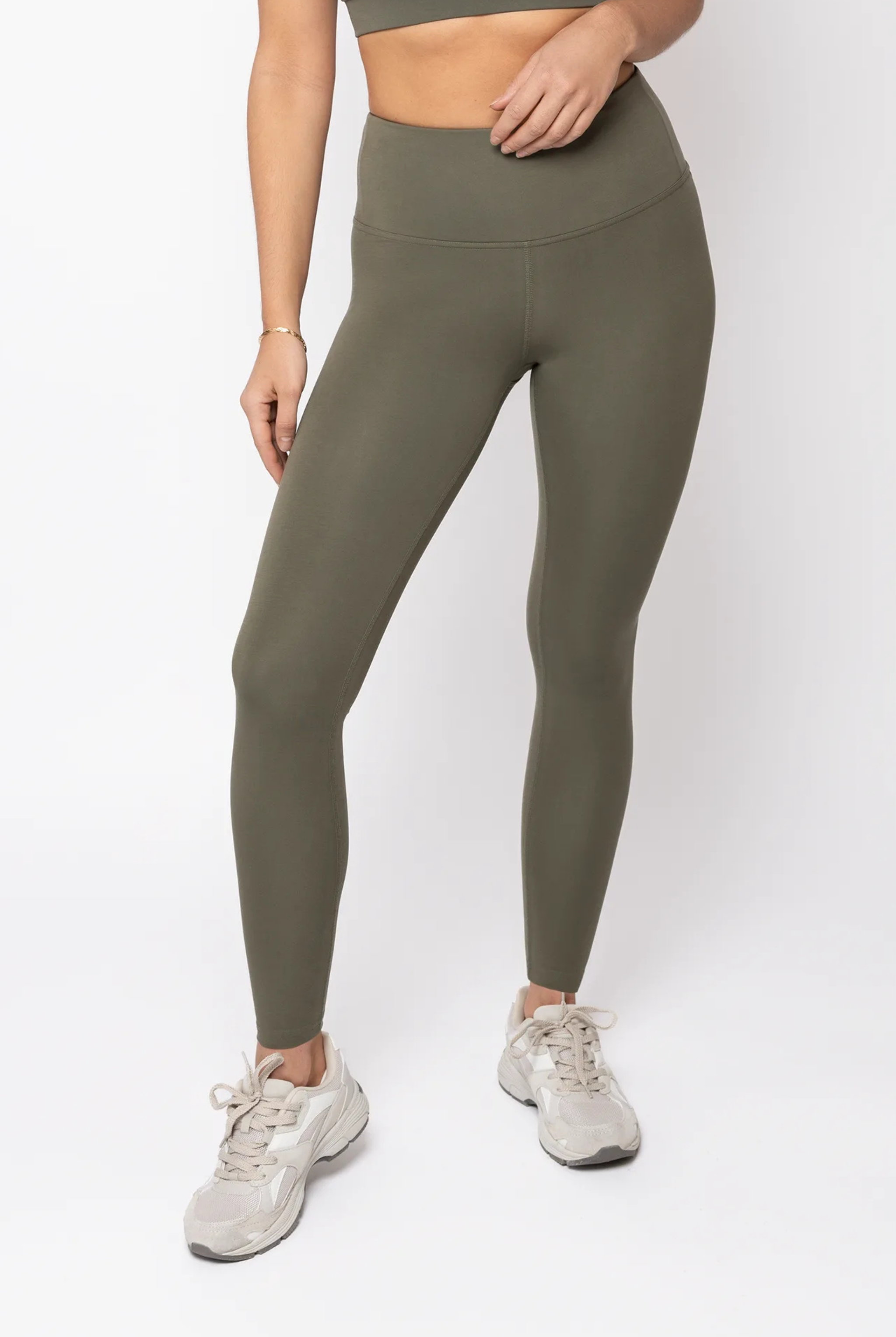
The best activewear for sweaty workouts manages heat, moisture, odor and skin comfort together rather than focusing on moisture-wicking alone. TENCEL™ Lyocell offers a strong all-round balance of breathability, moisture management, odor resistance and next-to-skin comfort, which is why it's our top pick for sweaty workouts.
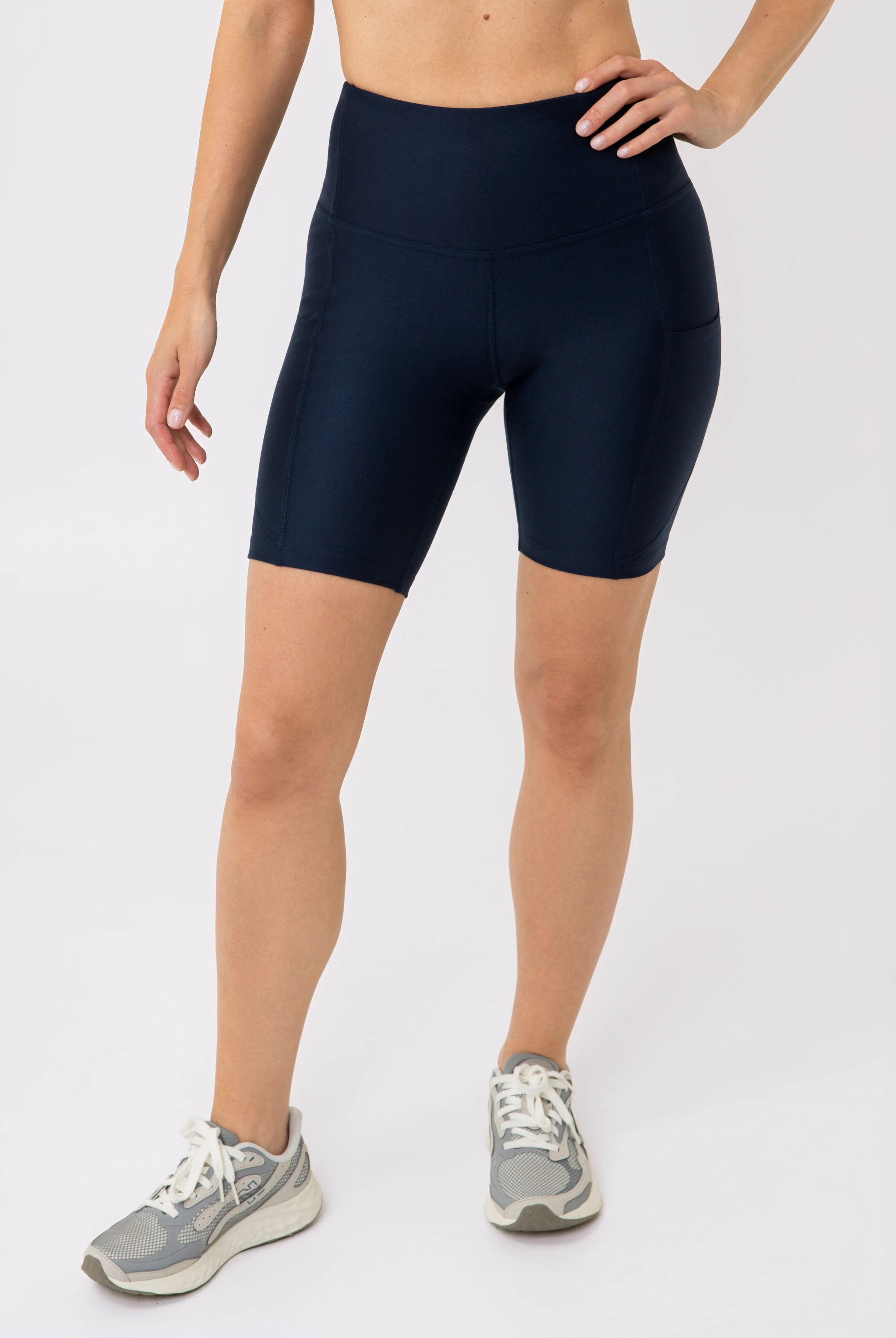
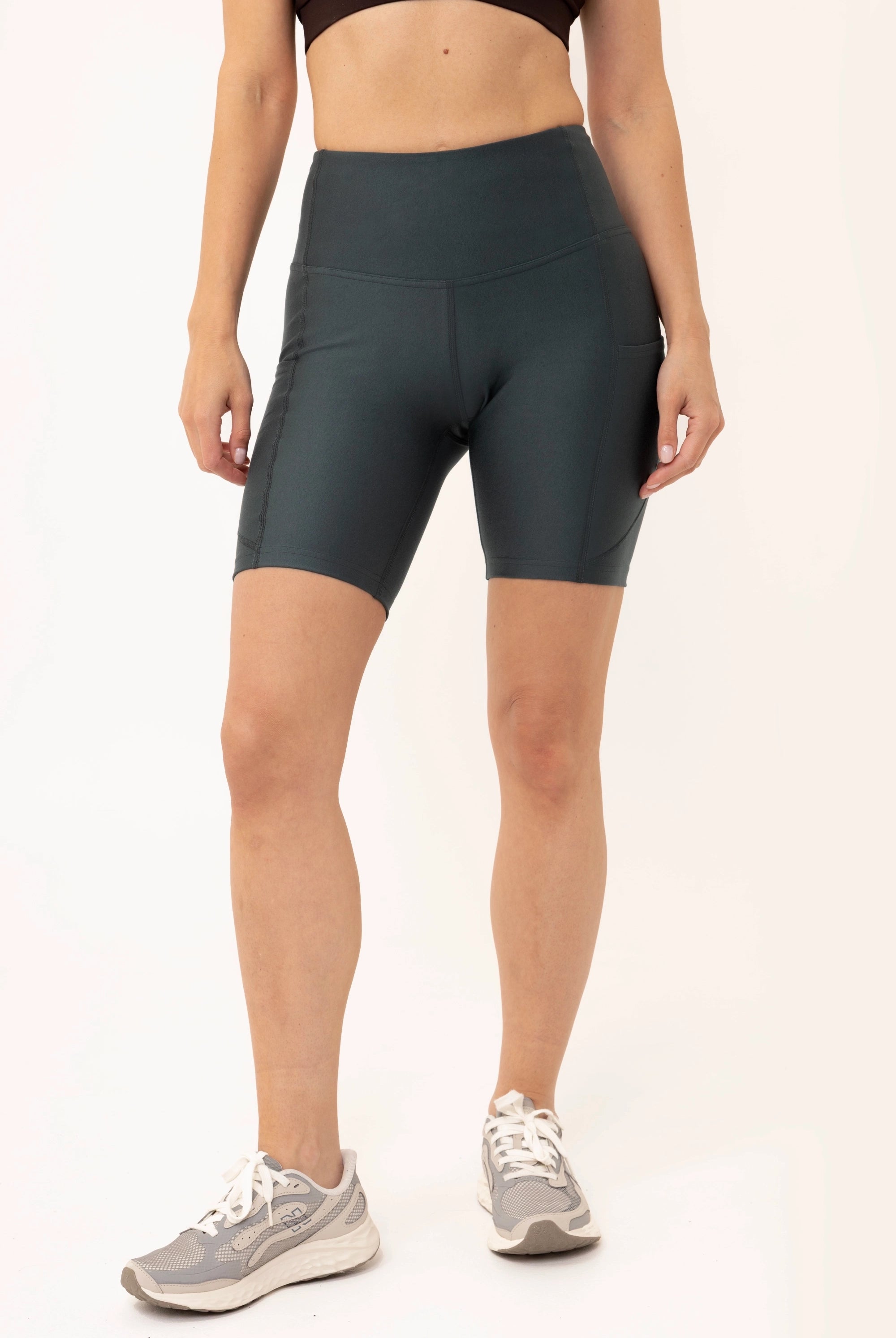
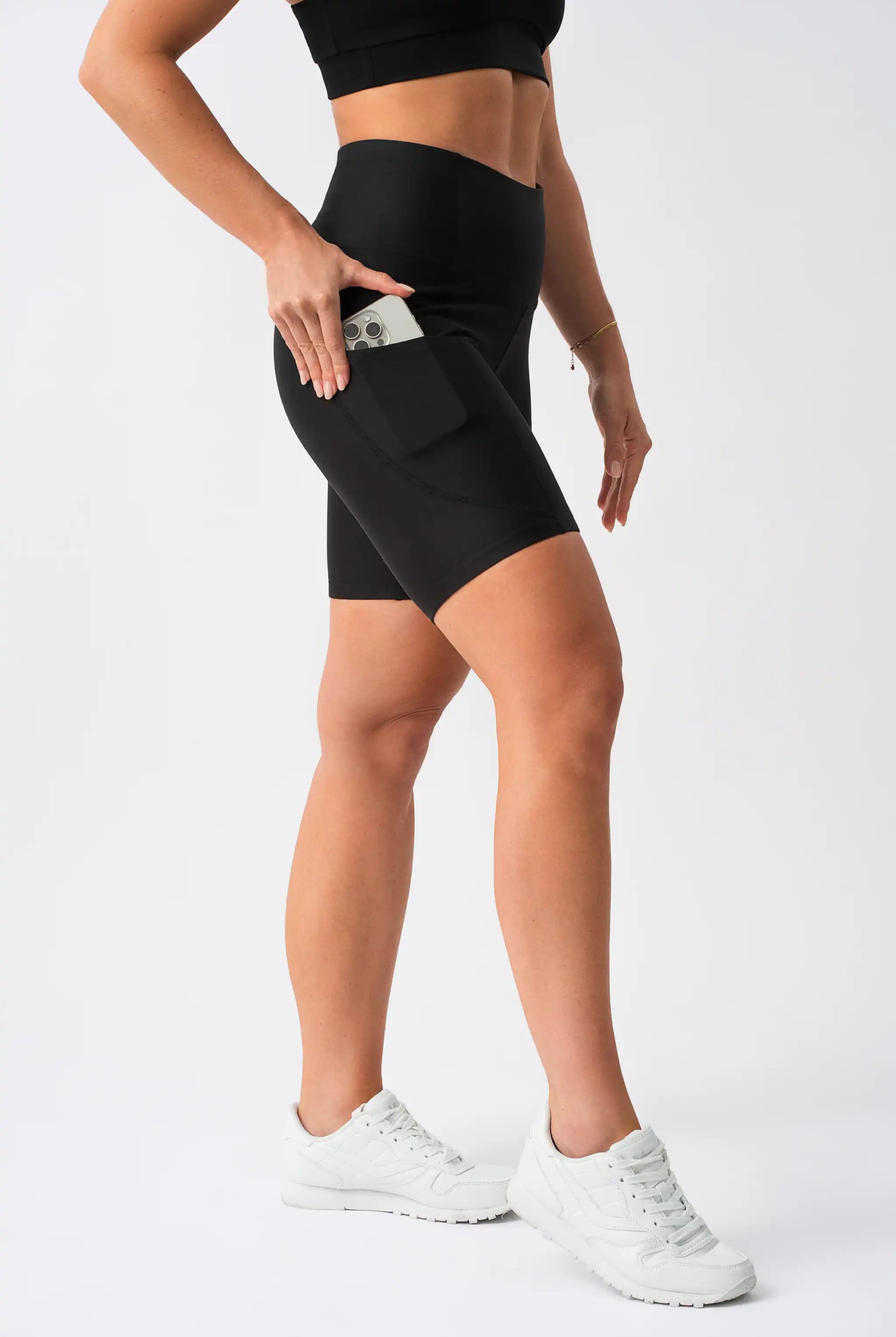
Fabric is only part of the picture. Fit and construction matter too. Waistbands that dig in, shorts that ride up or seams that catch can become just as distracting once you start moving.
Why sweat changes how your activewear feels and smells
Why smell happens
The first thing to know is that sweat itself doesn't actually smell. As Isabella Davidson, a PhD Candidate in microbiome, genetics and women's health at Bond University, explains, "sweat produced by the apocrine glands is broken down by bacteria naturally living on the skin, producing the compounds responsible for body odor." The heat and moisture of a workout simply give those bacteria a livelier environment to work in, and what you're wearing can make that better or worse.
Why discomfort happens
Discomfort is rarely down to one cause. Davidson points out heat, rubbing, clogged sweat ducts, histamine release (your body's natural inflammatory response), and prolonged moisture on the skin can each irritate on their own. Staying in damp activewear, particularly tight-fitting pieces, can also let bacteria or yeast build up more than usual.

How different activewear fabrics behave when you sweat
Fabrics behave differently once heat and sweat build up, which can change how cool, fresh and comfortable you feel.
| Fabric | How it performs when you sweat |
|---|---|
| TENCEL™ Lyocell | Best all-rounder. Draws moisture into the fiber rather than holding it at the surface, so it stays cooler as you heat up, smooth against damp skin and fresher over repeated wears. |
| Merino wool | Best in cooler conditions. Resists odor naturally and helps regulate temperature, but can feel warm and dries slowly in hot, intense workouts. |
| Cotton | Best for lighter workouts. Soft and breathable when dry, but holds onto sweat and can become damp, heavy and more prone to rubbing. |
| Polyester and nylon | Best for drying speed. Moves sweat to the fabric surface and dries fast once you're out of it, but can feel hot and humid while you're working hard, and tends to hold onto odor over repeated wears. |
Learn more: For a broader comparison of activewear fabrics across different types of exercise, read our guide to choosing the best fabric for working out.
Why can moisture-wicking activewear still feel so hot?
Moisture-wicking fabrics like polyester and nylon are popular for sweaty workouts because they feel lightweight and dry quickly. Both are hydrophobic, meaning they absorb very little moisture into the fiber itself. That helps them dry fast, but during intense exercise, sweat can build up at the surface faster than it evaporates, leaving a warm, clammy sensation against your skin.
What to wear instead: If quick-drying synthetics aren't working for you, look for advanced botanical fibers like TENCEL™ Lyocell. It's hydrophilic so handles moisture the opposite way, holding it inside the fiber rather than at the surface, so humidity doesn't build up next to your skin.
Tripulse Performance Study, August 2025
88% rated breathability superior vs previous synthetic activewear
73% rated moisture wicking superior vs previous synthetic activewear
51 verified customers, most with 3+ months of wear (high-intensity training)

What fabrics don't smell when you sweat?
No fabric is completely odor-free, but TENCEL™ Lyocell is one of the best at naturally resisting odor during and after a workout. Sweat, skin oils and bacteria are part of exercise. The real difference between fabrics is how quickly odor develops and how often your activewear needs washing.
A lot of that comes down to how the fiber handles moisture. Inside TENCEL™ Lyocell are microscopic, thread-like structures called nanofibrils, and the tiny spaces between them are what hold moisture inside the fiber. With less sitting at the surface, odor-causing bacteria have less of the damp environment they need to multiply.
Other common workout fabrics behave differently:
- Merino wool naturally resists odor well, although it can feel warmer during hot, sweaty workouts and may develop a distinctive wool smell when it gets wet.
- Cotton absorbs sweat readily but holds onto that moisture, so it can become damp and start to smell sooner.
- Polyester and nylon hold sweat and skin oils on the fiber surface rather than taking them in, which is where odor-causing bacteria feed.
"I've now already worn it 5 times without washing it. I was sceptical about this as I do sweat a lot when I exercise, but following the care instructions I just air the leggings after my run and they don't retain any sweaty smell."
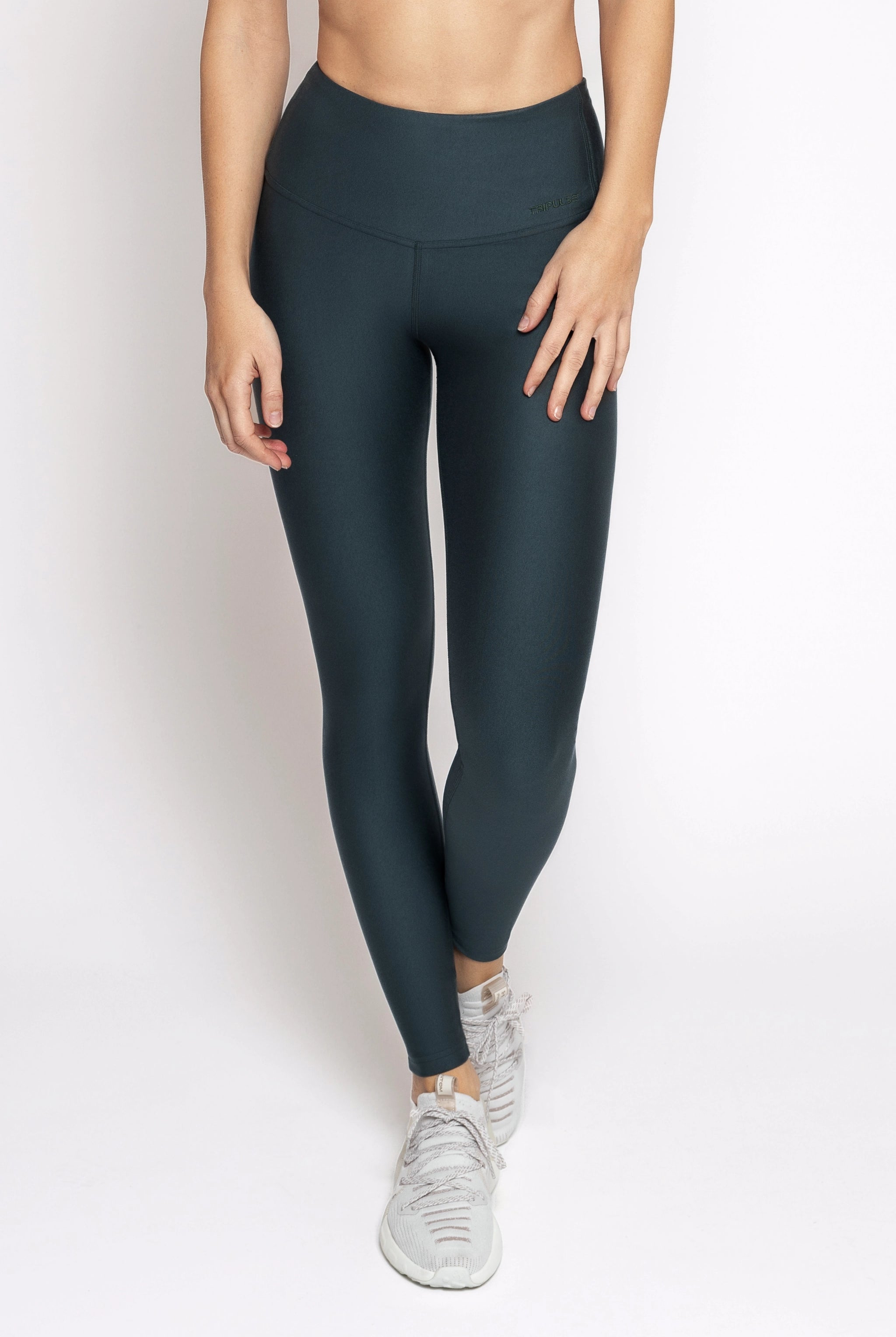
— AB., verified customer, wearing Tripulse Pro TENCEL™ Leggings
What does "anti-odor" mean on activewear?
Some activewear uses added antimicrobial or anti-odor treatments to help control odor-causing bacteria. Other fabrics, like TENCEL™ Lyocell, have natural properties that help them stay fresher without relying on them.
If you're comparing activewear, it's worth checking whether odor control comes from the properties of the fiber itself or from a chemical treatment.
Can activewear affect your skin or intimate comfort?
Yes, certain types of activewear can affect both your skin and intimate comfort. It's common to notice more irritation after a sweaty workout, and fabric choice is often part of the reason why.
As Isabella Davidson, a PhD Candidate in microbiome, genetics and women's health at Bond University, explains, "clothing can influence the skin microbiome because it changes the environment that microorganisms live in." Breathable, natural fabrics let air flow through and moisture escape, while synthetics like polyester or nylon tend to trap heat and sweat against the skin. "These warmer, more humid conditions may favor the growth or activity of odor-producing bacteria and increase the risk of skin irritation."
That can matter for intimate comfort too. The inside of the vagina is shaped mainly by hormones, genetics and overall health, not by what you wear. The skin around it, known as the vulva, is different. Davidson says, "clothing affects the vulval microenvironment. Tight, non-breathable activewear can increase moisture and heat around the vulva, creating conditions that may increase the likelihood of irritation or yeast overgrowth in susceptible individuals."
50 out of 51 reported zero skin irritation wearing Tripulse TENCEL™ Lyocell activewear.
51 verified customers

What about dyes and finishes in activewear?
Some dyes, finishes and treatments used in activewear can irritate the skin, while chemicals such as PFAS have also raised concerns around hormone and gynecological health.
Dr. Eden Fromberg, a board certified obstetrician and gynecologist, and founder of Holistic Gynecology New York is direct about this: Toxic dyes and finishes "can be irritating, and in addition to pesticides, can be toxic endocrine disruptors," she says, specifically flagging PFAS and other "forever chemicals." These have been "extensively studied and have been associated with gynecological conditions including endometriosis, among others."
Pro tip: It's worth considering how your activewear has been dyed, finished and tested, as well as the fiber it is made from. Look for pieces certified to OEKO-TEX® Standard 100 and independently lab tested by Bureau Veritas, so you can feel more confident about what is against your skin when you sweat.
Learn more:
- How to Find PFAS-Free Activewear that Actually Performs
- "I Can Work Out Again": How Natural Fibers Transformed Our Customers' Workouts
Note: Clothing is only one factor. If discomfort or irritation persists or changes, it's worth speaking to a doctor rather than trying to solve it with fabric alone.
What else can help during and after a sweaty workout?

What underwear is best for sweaty workouts?
Like your activewear, look for roughly 80-100% natural fiber, with synthetics kept to around 20% or less where stretch is needed. This is what Dr. Fromberg recommends for both daily wear and exercise, since breathable natural fibers "contribute to the health of the skin and mucosal tissues of the pelvic floor by discouraging infection."
How long should I stay in sweaty workout clothes?
If your activewear still feels damp or clammy after a workout, change when you can rather than sitting around in it.
How soon that becomes necessary depends on the fabric. Activewear made with a high proportion of advanced botanical fibers like TENCEL™ Lyocell tends to feel comfortable as you cool down rather than leaving you desperate to get changed.
For many Tripulse customers, that's part of the appeal: finishing a workout and carrying on with the day without thinking about what they're wearing.
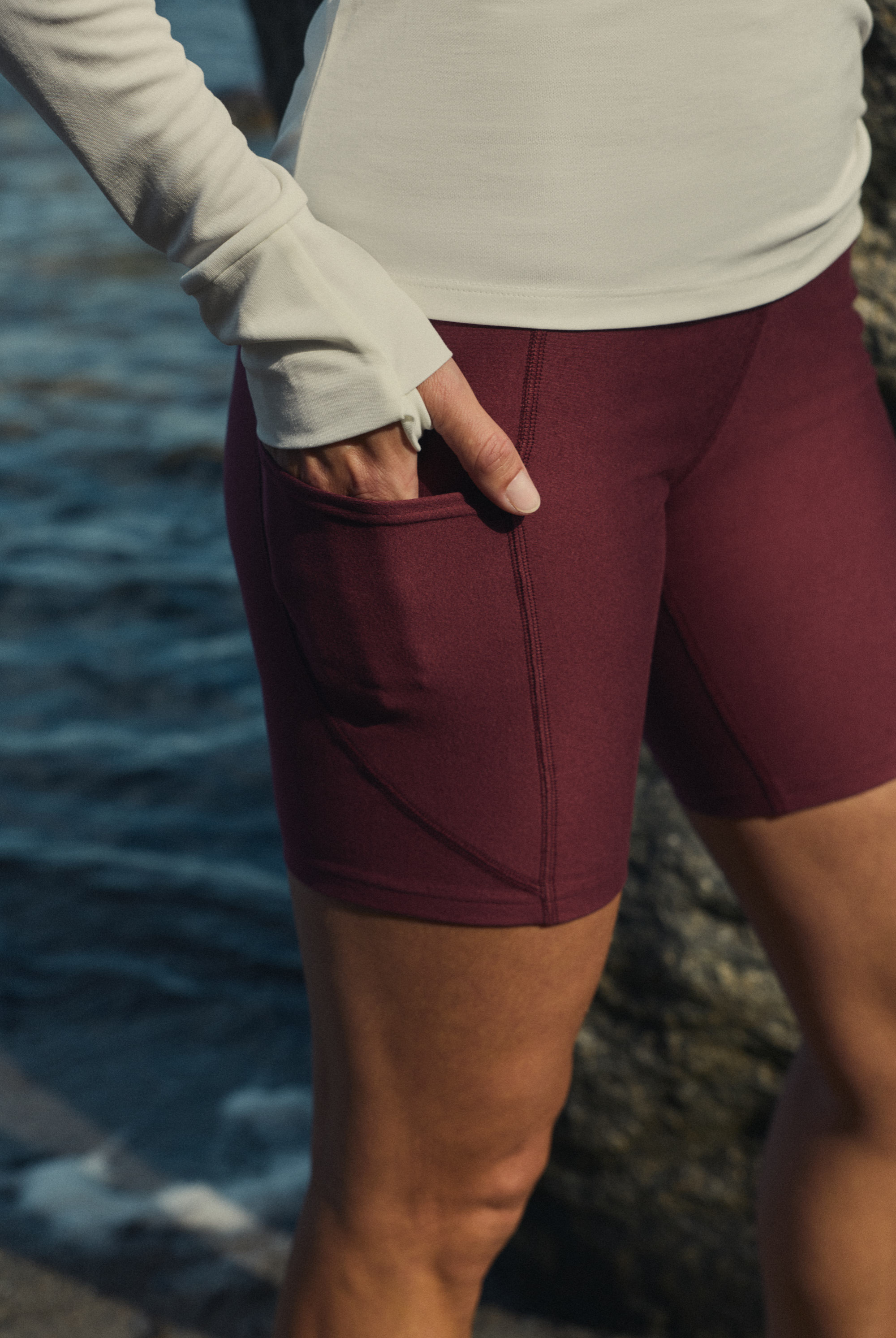
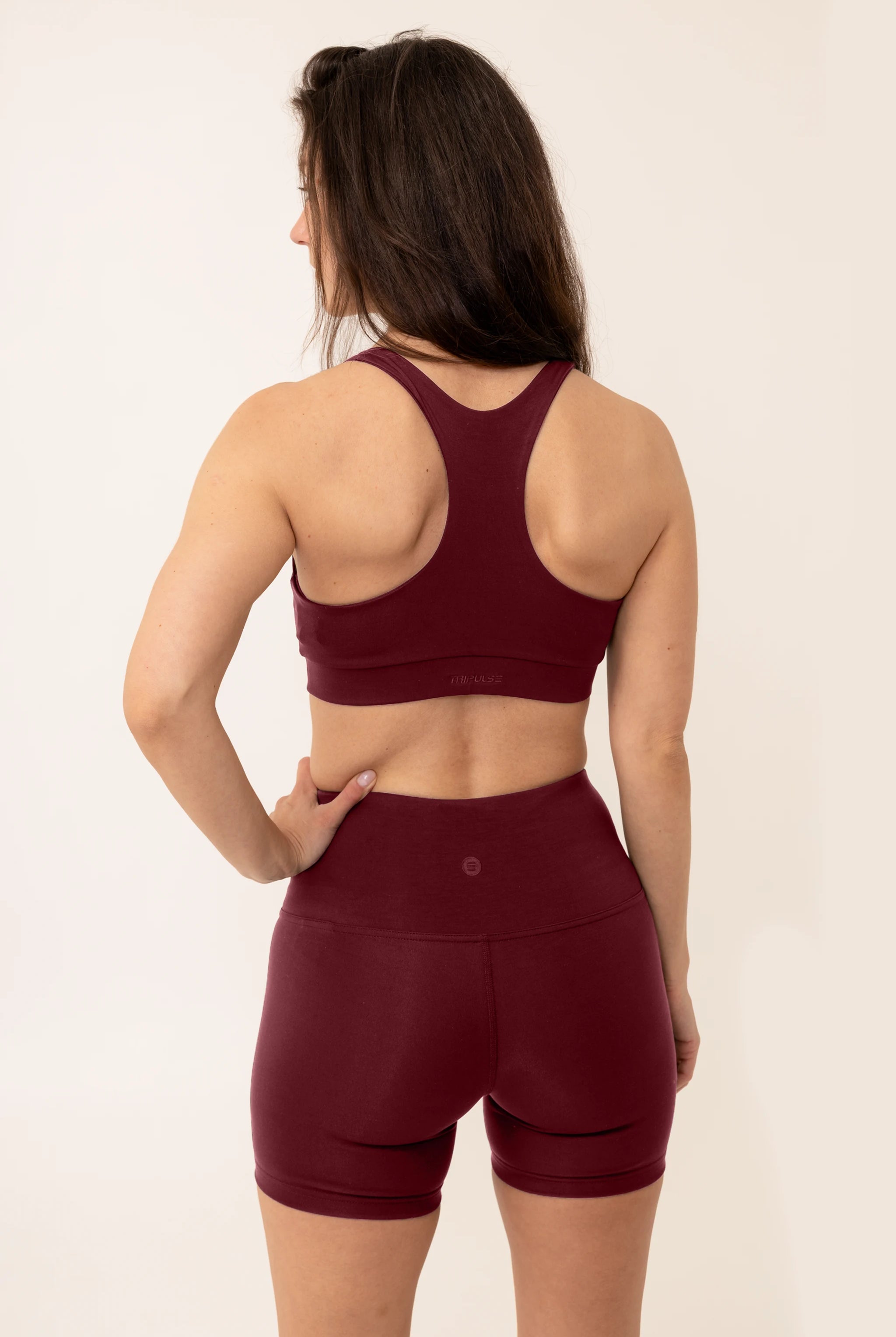
"These became my favorite workout shorts. I can dry it and it doesn't smell afterwards, so I can use it a couple of times before washing it."
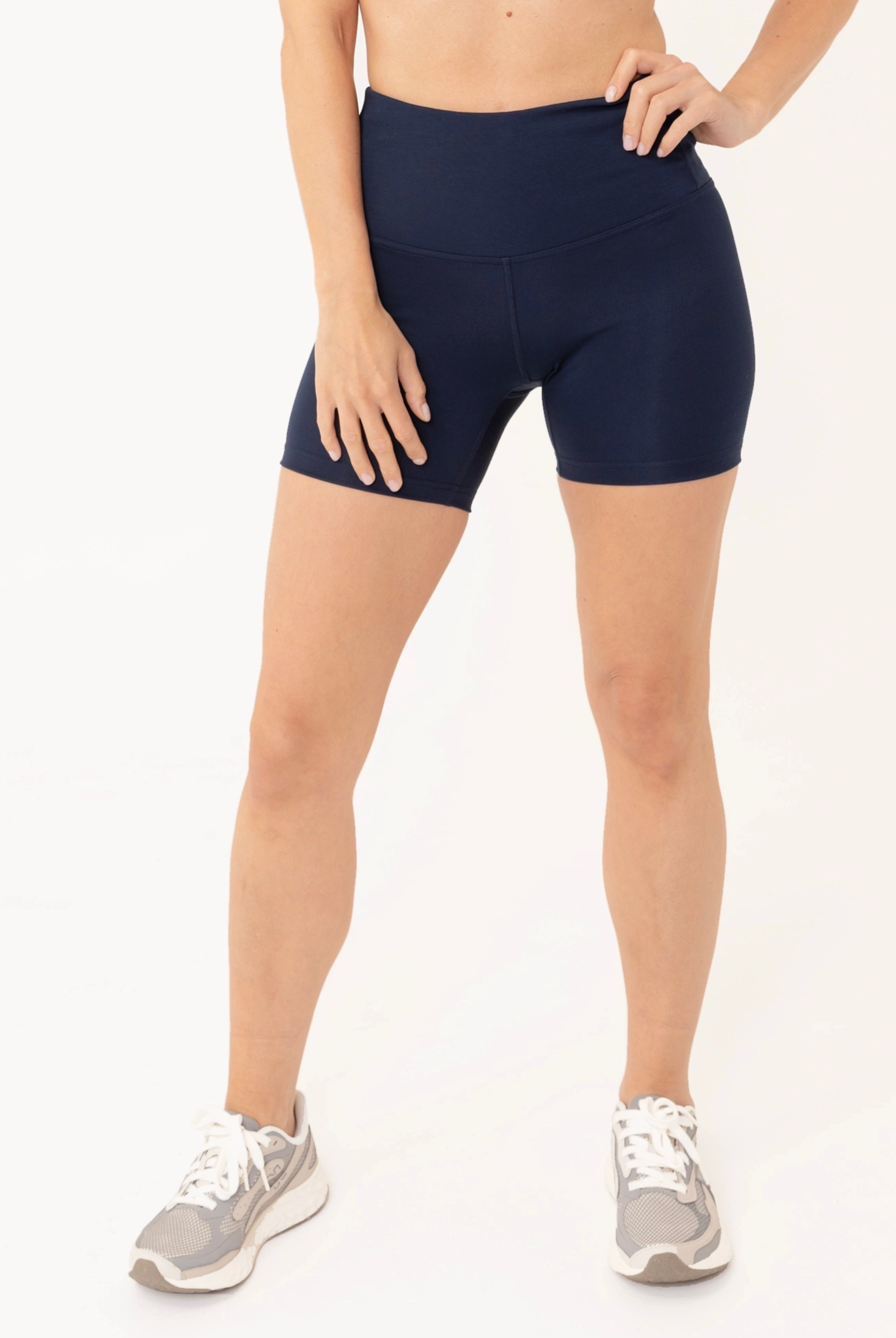
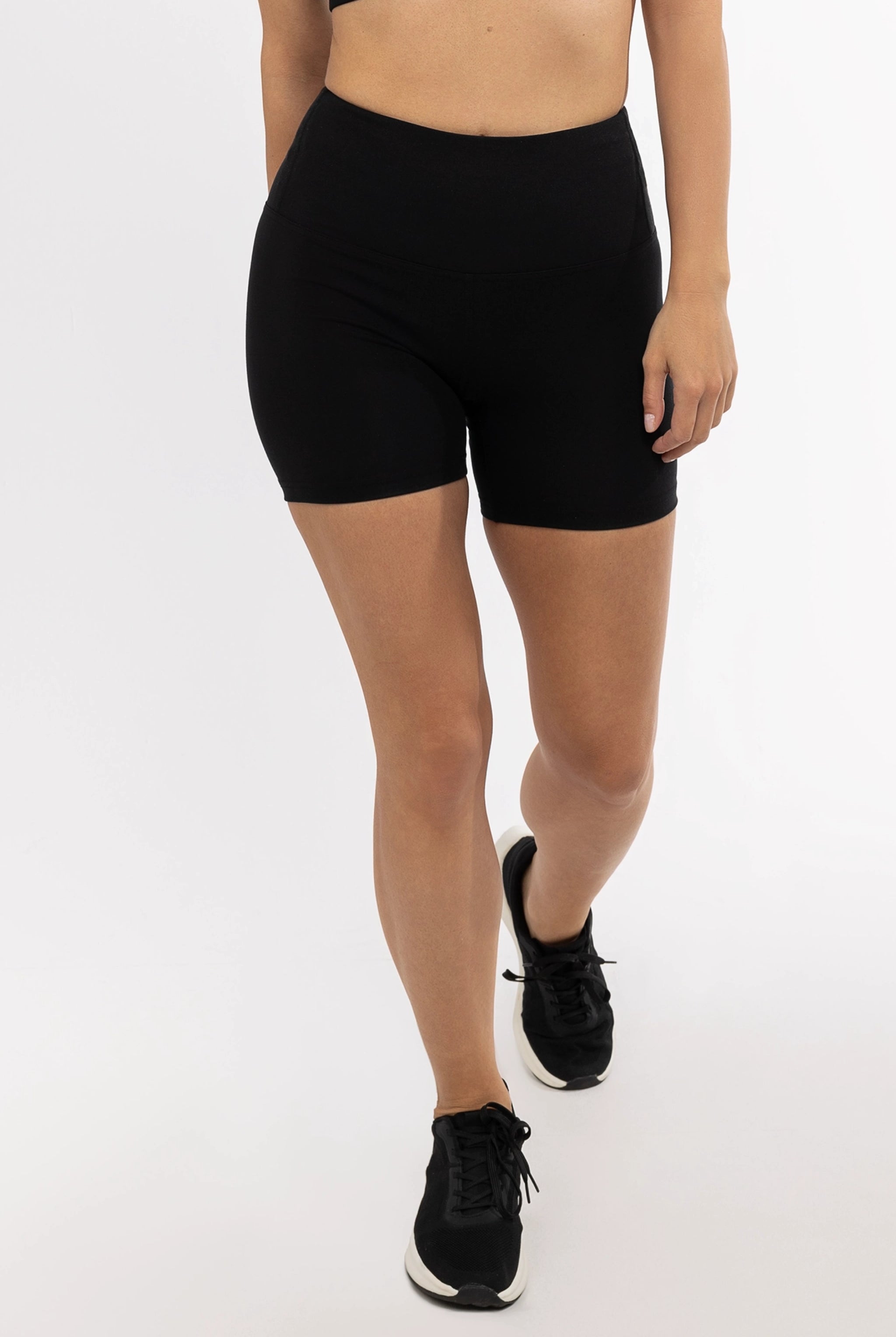
— Natalia P., verified customer, wearing Tripulse TENCEL™ Shorts
What if you can't shower after a workout?
Not every session ends somewhere with a shower. On those days, Dr. Fromberg says "hydration, rinsing or wiping locally, and wearing breathable natural fiber underwear and clothing is the next best strategy."
Do I need to wash activewear after every workout?
Not necessarily. If your activewear has dried fully, still smells fresh and feels clean, you may be able to wear it again before washing.
In the Tripulse Performance Study, 86% of 51 verified customers said they could wear their TENCEL™ Lyocell activewear two or more times before noticing any odor.
Air your pieces fully between wears rather than leaving them damp in a gym bag, and wash whenever they no longer feel or smell fresh.
Learn more:
How should you care for your skin after a sweaty workout?
Rinsing and drying thoroughly is usually all your skin needs post-workout. Scrubbing or over-treating tends to make irritation worse, and the same applies intimately. Davidson says, "the vagina is naturally self-cleaning, and douching or using fragranced products can disrupt the normal Lactobacillus-dominated microbiome and increase the risk of infections."
Could it be time to rethink your activewear?
If you've been putting up with odor, irritation or that hot, clingy feeling when you exercise, it's worth asking whether your activewear is actually working for you.
Signs your current activewear isn't keeping up
- It smells after a single wear, even straight out of the wash
- You feel hotter and clammier the harder you work, rather than cool and comfortable
- Your skin is irritated, itchy or breaking out where fabric sits closest
- You're washing everything after every session, and it's wearing out fast
- You're constantly adjusting straps or waistbands, noticing seams rubbing or thinking about your clothes more than you'd like to
How do you choose the best activewear for sweaty workouts?

✓ Check the full fiber composition
Look for advanced botanical fibers like TENCEL™ Lyocell, then check how much of the garment is actually made from them. The proportion is what determines how a piece behaves against your skin: at 30-50%, the other fibers in the blend have far more influence over how it feels and performs.
Tripulse uses 84-100% TENCEL™ Lyocell across the collection. Where stretch is needed, TENCEL™ still makes up the large majority of the fabric.
✓ Know what provides the stretch
Leggings, shorts and sports bras need stretch to move with you, stay supportive and recover their shape. That stretch is almost always elastane, and it varies a lot in how it's made and what it's tested for, so it's worth checking.
Tripulse leggings, shorts and sports bras pair 84-86% TENCEL™ Lyocell with 14-16% ROICA® eco-elastane, which holds independent material-health and environmental certifications that conventional elastane doesn't. We use it only where movement requires it. Our AER and LUX tops need no stretch at all, so they're 100% TENCEL™ Lyocell.
Learn more: Plastic-Free Activewear: Why Elastane Is Still Used (And Safer Options)
✓ Look for design that stays out of your way
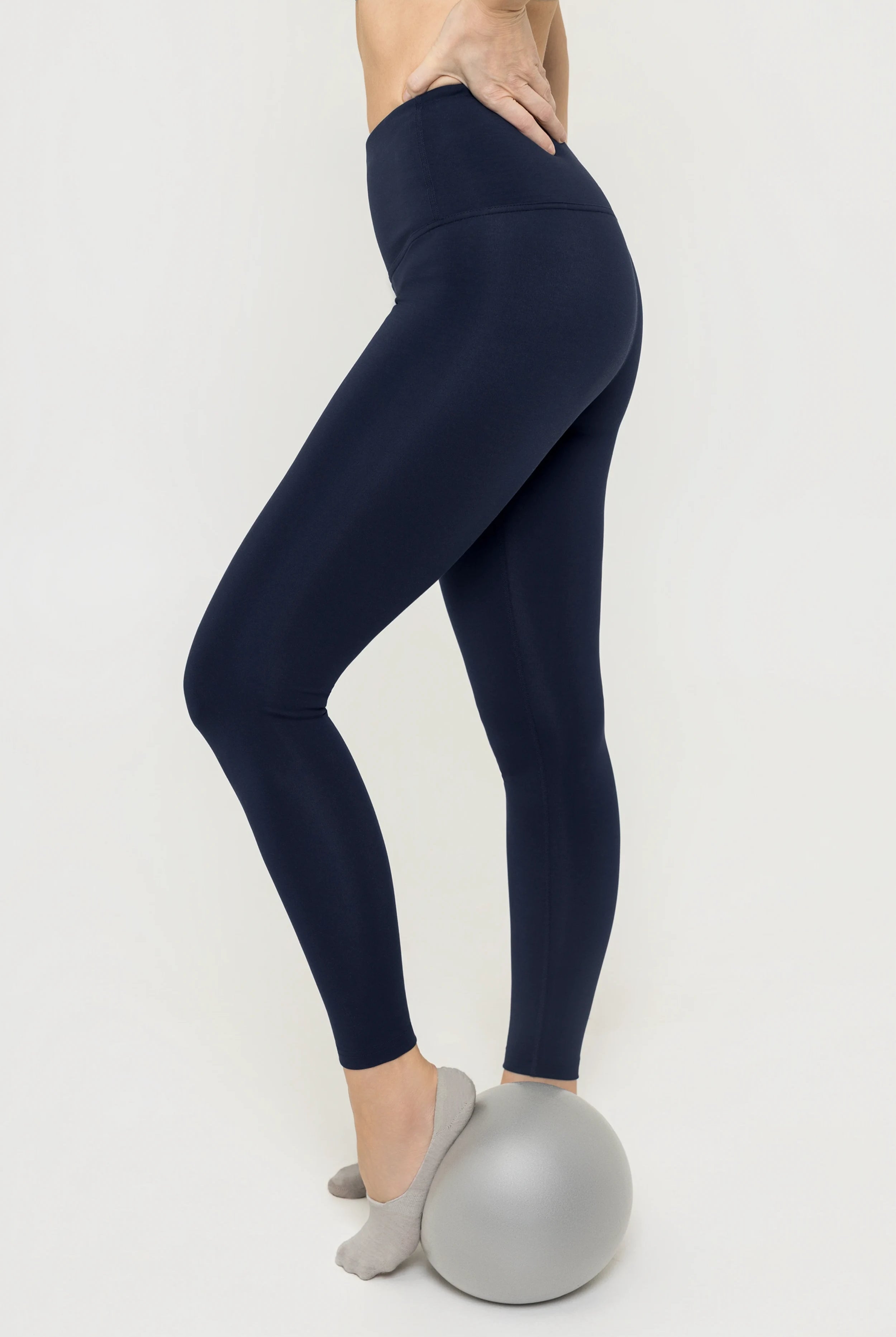
The best activewear is the kind you barely have to think about once you start moving. A waistband that slides down, seams that rub, straps that dig in or shorts that ride up will pull your attention away from your workout whatever the fabric is made from.
Good construction is the absence of all that. A waistband that stays put. Seams that don't rub. Bras that support without wires or clasps pressing in. Enough compression to feel held, without feeling squeezed.
These are hard things to judge from a product photo, so look at what the brand is willing to share: how a piece was designed and tested, detailed reviews, and a guarantee long enough to train in something properly before you decide.
These are the same principles Tripulse designs and tests for. Free exchanges and a 45-day performance guarantee give you time to find out how it works for you.
✓ Look for independent safety standards
Words like "clean" and "non-toxic" mean little without something behind them. Look for named standards that tell you how the fabric, dyes and finishes have been assessed.
For example, Tripulse activewear is certified to OEKO-TEX® Standard 100 and made in a GOTS-certified factory in Portugal, with additional independent testing through Bureau Veritas. Their most recent testing found no PFAS, PFOA or BPA.
Learn more about Tripulse materials, certifications and testing.
✓ Look for proof beyond performance claims
Check whether a brand can show how its activewear performs for the people actually training in it.
That's why Tripulse asked 51 verified customers to compare their TENCEL™ Lyocell pieces with the activewear they had worn before. You can see the full results in the Tripulse Performance Study.
The Tripulse Standard
These principles come together in the standard we hold every Tripulse piece to. They aren't arbitrary criteria: they reflect what we've learned from developing natural performance activewear since 2019.
We've tested lower TENCEL™ percentages and found the fiber's benefits fade as soon as other materials start to dominate. We've tested less stretch and found pieces that restrict movement rather than support it. We've seen what happens when TENCEL™ is blended down: the fiber's benefits fade as soon as other materials start to dominate. Every element exists because we tried the alternative and it wasn't good enough. That standard runs all the way from the fiber we choose to the piece you pull on before a workout.
It's why two TENCEL™ pieces can feel completely different to work out in.
Feel the difference for yourself.
84-100% TENCEL™ Lyocell, with free exchanges and a 45-day performance guarantee so you can train in it properly before deciding.
FAQ
What's the best activewear for hot weather workouts?
The best hot-weather activewear should feel light and cool as you move, without becoming heavy or sticking to you once you start to sweat.
TENCEL™ Lyocell is a strong option because it manages moisture well while keeping a smooth, lightweight feel that stays comfortable in the heat.
"I love these leggings! I live in Hawaii and get hot easily. I ordered the Pro leggings and they are so comfortable and cool that I can wear them all day long."
— Gwen C., verified Tripulse customer, wearing Pro TENCEL™ Leggings
Can TENCEL™ Lyocell activewear keep up with sweaty workouts?
Yes. When used in activewear developed specifically for performance, TENCEL™ Lyocell can keep up with demanding, sweaty workouts while staying breathable and comfortable as you move.
Learn more: See how TENCEL™ Lyocell compares with other natural fibers and synthetics for serious training.
Why do my leggings chafe during sweaty workouts?
Chafing comes down to friction, with moisture, fit and construction all playing a part. Loose leggings can bunch, overly tight styles can dig in, and poorly placed seams or rolling waistbands can increase rubbing.
Damp skin is also more vulnerable to friction, so choosing activewear that manages moisture, stays comfortably in place and feels smooth against the skin can make a big difference.
Should I choose lighter or denser leggings for sweaty workouts?
For sweaty workouts and warmer conditions, a lighter legging is usually the better choice. It feels cooler and less like something you're wearing.
Lighter fabrics are often assumed to be sheerer or less supportive, which is why a lot of women end up in something denser than they need and overheat in it. It doesn't have to be that way. Fabric weight affects how warm a legging feels; whether it stays opaque and holds you in comes down to fiber content and construction.
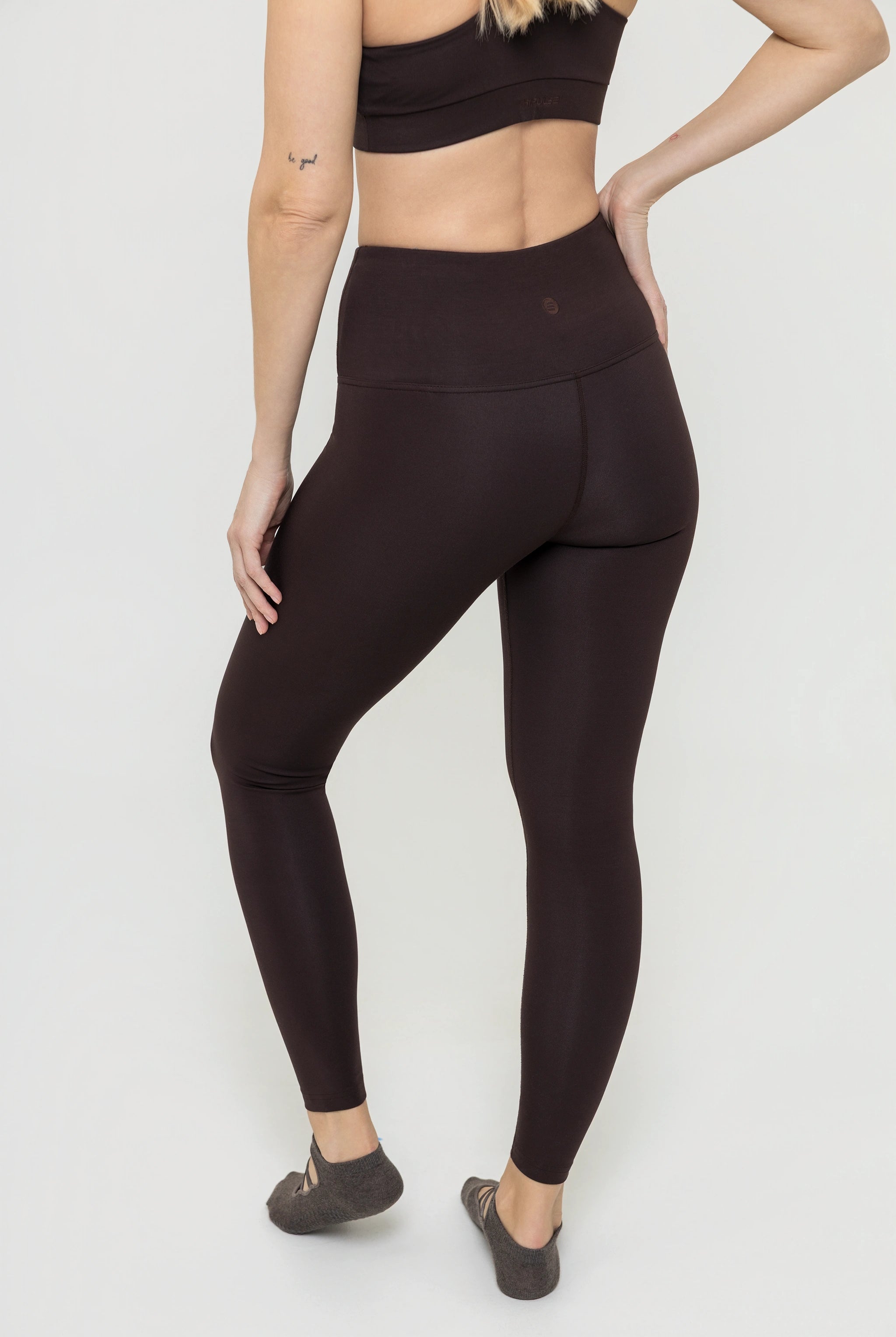
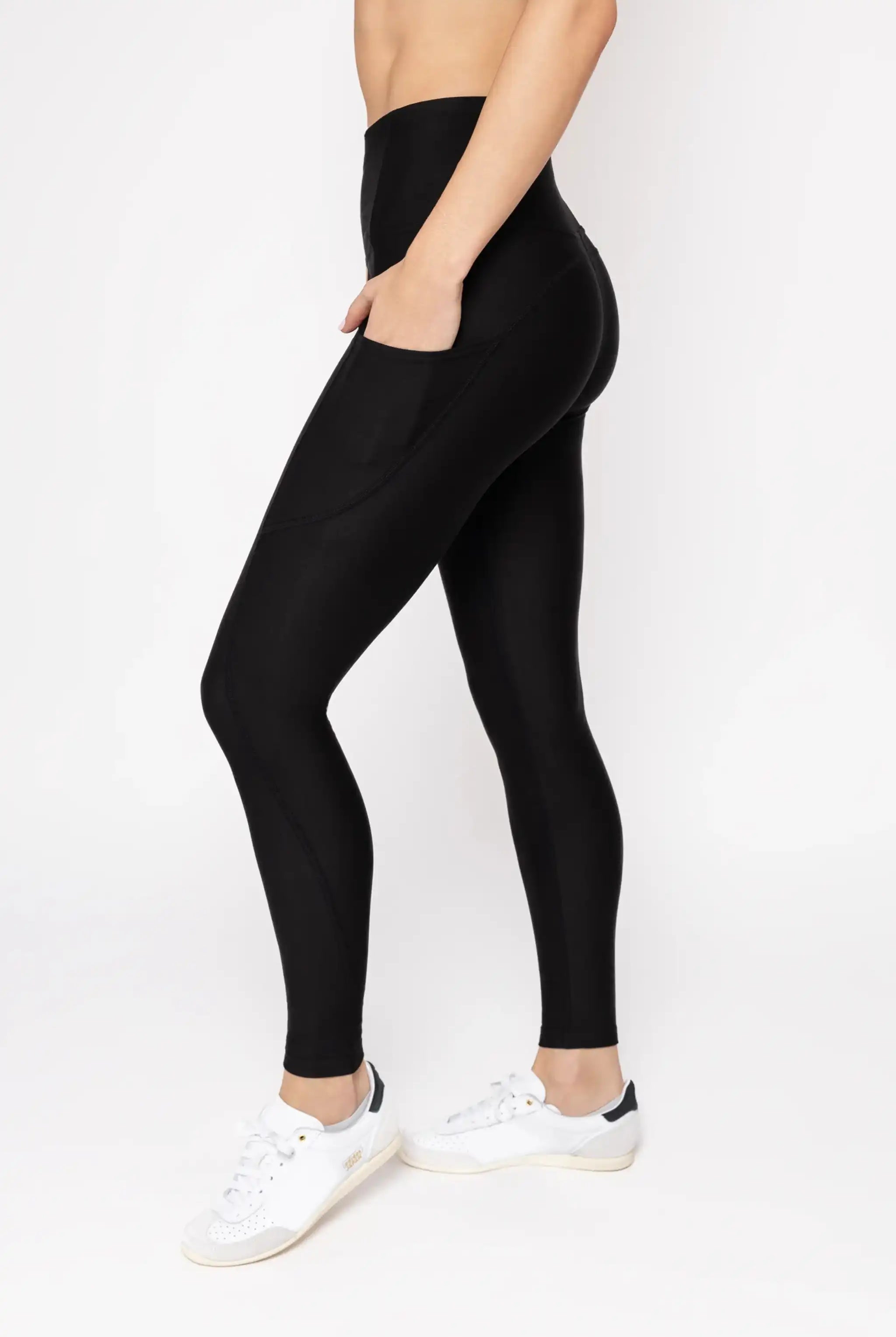
Tripulse makes both weights and both are squat proof. The Pro is our lightest, made for sweatier sessions and warmer climates. The Original is denser and more supportive, and works across everything from studio to street. Compare Tripulse leggings here.
What should I look for in a sports bra for sweaty workouts?
A bra sits against skin under the band and between the breasts, where sweat pools and takes longest to evaporate.
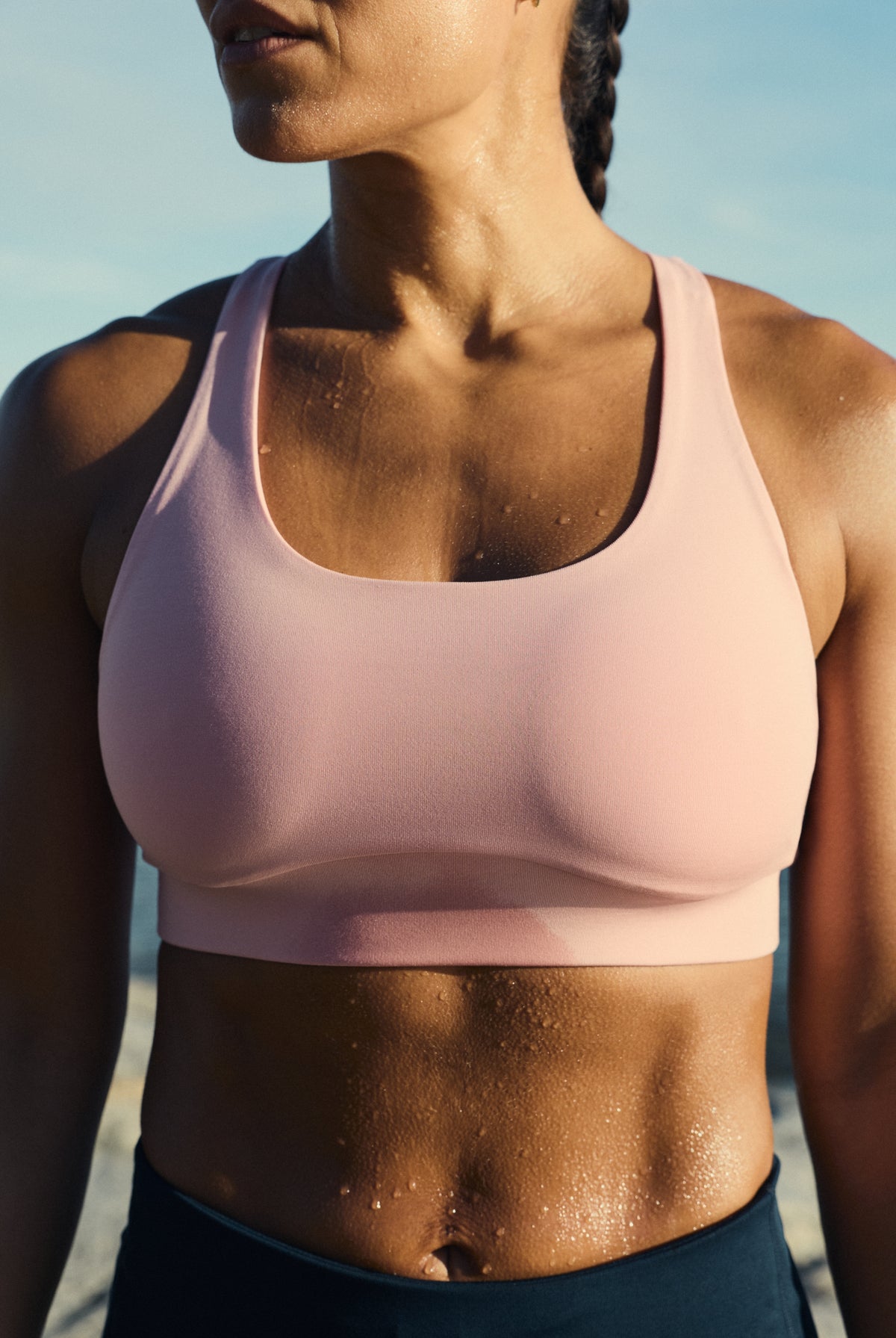
Look for a smooth fabric that manages moisture, a wide underband that spreads pressure rather than concentrating it, and smooth straps with as little hardware as possible. Clasps, wires and adjusters all feel more uncomfortable once you're warm and damp. Pull-on styles often avoid this.
Check the support level too, and be honest about what you need. A bra that shifts through a session is as distracting as one that's too tight.
"Normally I can't use a sports bra during a whole day without itch and scratches. This sports bra has a smooth fabric that feels soft to the skin and I wore it a whole day without any irritation."
— Kristine J., verified customer, wearing Tripulse Next Gen TENCEL™ Sports Bra
The bottom line: sweaty workouts can feel better
If you're used to peeling off your activewear the moment a workout ends, washing it after every wear or feeling self-conscious as soon as you start to sweat, you don't have to keep settling for that experience.
Sweating is part of working out. Feeling hot, clammy or uncomfortable in what you're wearing doesn't need to be. The right activewear should manage heat, moisture and odor, feel good against the skin and stay secure and supportive as you move.
At Tripulse, we believe the best activewear is the kind you forget you're wearing. That belief shapes everything we create, from the fibers we choose to the way each piece is refined for movement.
Discover advanced natural performance designed to respect your skin and keep up when you train.
For more, visit:
- What is TENCEL™ Lyocell? Everything You Need to Know
- TENCEL™ Lyocell vs Polyester
- TENCEL™ Lyocell vs Merino Wool
- What to Wear to Hot Yoga
- The Complete Guide to Itchy Skin During and After Exercise
About the contributors
Written by Christie Johnson, a wellness and sustainability writer who has been publishing since 2020. Since 2023 she has written about performance fabrics, skin health and chemical safety in activewear. A certified Pilates teacher, she trains and teaches in Tripulse TENCEL™ Lyocell activewear, giving her first-hand experience of how natural fabrics perform during training.
Developed with Franziska Mesche, Founder and CEO of Tripulse. Since 2019 she has sourced and tested a wide range of natural and synthetic activewear fabrics, working directly with leading fabric innovators and EU mills on material development, testing and certification. Years of hands-on product development have built her practical expertise in how performance materials behave in real athletic use.
All material, certification and performance claims are verified by Franziska Mesche before publication.
Expert contributors
Isabella Davidson is a PhD Candidate at Bond University investigating microbial communities and their impact on women's reproductive health. Her master's research focused on developing 16S rRNA sequencing methods for studying the vaginal microbiome, and she is lead author of a 2026 review in Microbial Ecology examining how lifestyle factors shape the vaginal, gut, oral and skin microbiomes in women. She has received Bond University's Vice Chancellor's Award for Academic Excellence four times.
Dr. Eden Fromberg, DO, FACOOG, ABIHM is the founder and director of Holistic Gynecology New York. An osteopathic physician with over 35 years of clinical experience, she is board certified in obstetrics and gynecology by the American Osteopathic Board of Obstetrics and Gynecology and in integrative and holistic medicine by the American Board of Integrative and Holistic Medicine. She has been a clinical assistant professor of obstetrics and gynecology at SUNY Downstate College of Medicine and is a founding member of the Fascia Research Society, with particular expertise in the vaginal microbiome, vulvar health and female pelvic health. Website: holisticgynecologynewyork.com
Disclosure: This article is for informational purposes only and does not replace medical advice. Always seek guidance from a qualified healthcare professional if you are concerned.