Hot yoga is intense, sweaty and deeply rewarding. The right clothing helps you get the most out of your practice. The wrong choice can hold you back.
This guide covers everything you need to know about what to wear to hot yoga, from the best fabrics for heat, sweat and skin health, to outfit ideas and expert advice from Andrea Wytish, RYT-500, registered yoga teacher and founder of Sol Luna Life.
Table of Contents
- Quick summary
- What is the best fabric for hot yoga clothing?
- Are leggings too hot for hot yoga?
- Can you wear shorts to hot yoga?
- What should you wear on top for hot yoga?
- Are you supposed to wear socks to hot yoga?
- Hot yoga outfit ideas
- More helpful FAQs
- Final thoughts
What to wear to hot yoga: quick summary
- Hot yoga is practiced in a heated studio, typically ranging from around 80°F (27°C) to 105°F (40°C) with added humidity. These are conditions that put unique demands on your clothing and your body.
- Fabric matters. In hot yoga, the right fabric can make a real difference to how comfortable your skin feels, how fresh you stay and how freely you move. Most yoga clothing is made from synthetics like polyester and nylon that trap heat and hold onto odor. Even natural alternatives like cotton and merino wool tend to struggle in intense, heated sessions.
- The ideal combination. The best hot yoga fabrics stay light, breathable and gentle against the skin, with enough stretch for full freedom of movement. TENCEL™ Lyocell with ROICA™ clean stretch ticks every box.
- Always check for skin-safe certifications. Any fabric, natural or synthetic, can be treated with harmful dyes and chemical finishes. Skin exposure to those chemicals may increase in high-sweat environments like hot yoga. Look for activewear certified to OEKO-TEX® Standard 100, from the fabric to the dyes and finishes.
- Style is personal. Lightweight, high-waisted leggings and shorts, soft sports bra or an airy top all work well for hot yoga. Choose what feels most comfortable, supportive and stays in place as you move.
"When choosing what to wear to hot yoga, a few different factors come into play. Things like comfort, confidence, temperature regulation, and movement all play a role. The one thing I encourage students to consider, however, is the materials they're putting on their skin – trying to choose the cleanest options possible every step of the way."
— Andrea Wytish, RYT-500, registered yoga teacher

What is the best fabric for hot yoga clothing?
Naturally breathable, moisture-managing and odor-resistant fabrics like TENCEL™ Lyocell, paired with ROICA™ clean stretch, are an ideal combination for hot yoga. In a warm studio, the wrong fabric can quickly start to feel heavy, itchy and uncomfortable. You want yoga clothing that stays light as sweat builds, effectively moves moisture away from the body, supports your full range of movement and is certified safe against warm, damp skin.
"Heated classes can range from mildly warm (around 80°F) to traditional Bikram (26 & 2), practiced in a room heated to approximately 105°F with added humidity," explains Andrea, who teaches hot yoga across Pennsylvania, New Jersey and New York City. "Even people who don't normally sweat much in a normal activity or workout will likely sweat in these conditions."
How activewear fabrics compare for hot yoga
| Feature | Cotton | Merino Wool | Bamboo Viscose | Polyester & Nylon | TENCEL™ Lyocell + ROICA™ for stretch |
|---|---|---|---|---|---|
| Stays light and breathable in high heat and sweat | ✗ | ✗ | ✓ | ✗ | ✓ |
| Stays fresh across multiple intense sessions | ✗ | ✗ | ✗ | ✗ | ✓ |
| Gentle on warm, damp skin | ✗ | ✗ | ✓ | ✗ | ✓ |
| Hot yoga verdict | Avoid | Not ideal | Not ideal | Avoid | Best choice |
The problem with synthetic fabrics in hot yoga
Polyester and nylon are the default in most activewear. But for hot yoga, their limitations can become hard to ignore.
Heat, sweat and constant movement put fabrics under pressure fast. Many synthetic fabrics can start to feel hot, clingy and less breathable as sweat builds, making an already demanding class feel heavier and less comfortable. They also hold onto odor, which is why synthetic activewear can develop that lingering "gym smell" even after washing.
For some people, especially those with sensitive skin, this can make synthetic fabrics feel distracting and irritating during sweaty workouts.
Most synthetic activewear is also chemically treated to help it perform, and in high-sweat, high-friction environments like hot yoga, research suggests skin exposure to those chemicals may increase.
"Our skin is our largest organ and one of the body's pathways of elimination," notes Andrea. "Because of that, I'm intentional about the materials I wear and generally gravitate toward natural fibers and fabrics that have been tested for harmful chemicals."
Learn more:

What about other natural fibers like cotton and merino wool?
Cotton absorbs sweat well but tends to release it slowly. In a heated studio, it can soon start to feel saturated and heavy, leaving fabric feeling damp and clingy through class.
"Cotton also isn't naturally cooling and can even make you feel hotter, particularly in thicker fabrics. For these reasons, it's not my favorite for heated classes," says Andrea.
Merino wool is a capable performance fiber, but it works best in cooler or lower-intensity conditions. In the sustained heat and sweat of hot yoga, it can feel damp and uncomfortable — heavier blends especially — and may sometimes develop a wet wool smell. Lighter merino options feel more comfortable in the heat, but the fiber can be prone to thinning and pilling with repeated intense wear and washing.
That said, both make great layering options to and from the studio. For cotton, look for GOTS certified organic cotton. For merino, look for Responsible Wool Standard (RWS) or ZQ certified options.
Learn more:
Is bamboo activewear good for hot yoga?
Bamboo-based fabrics often hold up better in the heat compared to other natural fabrics. "They tend to feel lighter and often wick away moisture from the skin a little more effectively than cotton," says Andrea. "You'll still sweat through them during a heated practice, but they typically remain more comfortable throughout class."
That said, bamboo is heavily processed into viscose before it becomes activewear, and the plant's natural antibacterial properties are thought to be lost along the way. This means it may not feel as fresh during an intense session.
Learn more: Is Rayon Safe to Wear? Viscose, Modal and TENCEL™ Lyocell Explained
Why is TENCEL™ Lyocell the best natural activewear fabric for hot yoga?
Among natural fabrics, TENCEL™ Lyocell stands out for hot yoga. It stays light and soft against the skin as the heat builds, manages moisture without feeling wet or heavy, and stays fresh across multiple wears. Plus, it naturally performs without the heavy chemical treatments found in most activewear.
"What stood out to me most was how incredibly soft and lightweight they felt against my skin. The fabric moved beautifully with my body and remained comfortable throughout class. It never felt wet, heavy or clingy, and dried much more quickly than organic cotton. If comfort and a soft, breathable feel are your priorities, they're a lovely option."
— Andrea Wytish, RYT-500 (testing the Tripulse TENCEL™ Pro Leggings during hot yoga)
What 51 verified customers found wearing Tripulse TENCEL™ Lyocell activewear — across yoga, Pilates, running and gym training:
- Breathability at high intensity: 88% rated superior vs. synthetics
- Zero skin irritation: 98% of customers
- Odor resistance: 86% wore 2+ times before any smell developed
- Fit and shape retention: 86% rated highly after repeated intense wear and washes
Read the full Tripulse Performance Study
Worth knowing: Not all TENCEL™ Lyocell activewear is equal. Many brands blend TENCEL™ with polyester or nylon at as little as 30–70%. At Tripulse, all our activewear is 84–100% TENCEL™ Lyocell with only the minimum clean, certified stretch needed for performance.

Learn more:
Why clean, non toxic activewear certification matters for hot yoga
TENCEL™ Lyocell as a fiber is certified for skin safety. Nonetheless, any fabric, natural or synthetic, can be treated with harmful dyes and chemical finishes when it's made into clothing, which is why full garment certification matters.
When buying TENCEL™ activewear, look for pieces certified OEKO-TEX® Standard 100 across every component, including dyes, finishes and stretch fibers. GOTS certification also ensures safe and sustainable manufacturing practices. At Tripulse, every piece is OEKO-TEX® Standard 100 certified and responsibly manufactured in Portugal under GOTS-certified production. In hot yoga where fabric sits against warm, sweat-soaked skin for extended periods, that extra layer of reassurance makes all the difference.
A note on stretch
Every hot yoga outfit needs stretch to help you move freely and confidently. But conventional spandex and elastane are rarely sustainable and certified safe for skin. It's worth checking what stretch fiber is in your activewear before you buy.
At Tripulse, we use ROICA™ V550 and ROICA™ EF — a more responsible alternative to conventional spandex, certified to OEKO-TEX® Standard 100 and independently verified safe against skin.
Learn more: Plastic-Free Activewear: Why Elastane Is Still Used (And Safer Options)
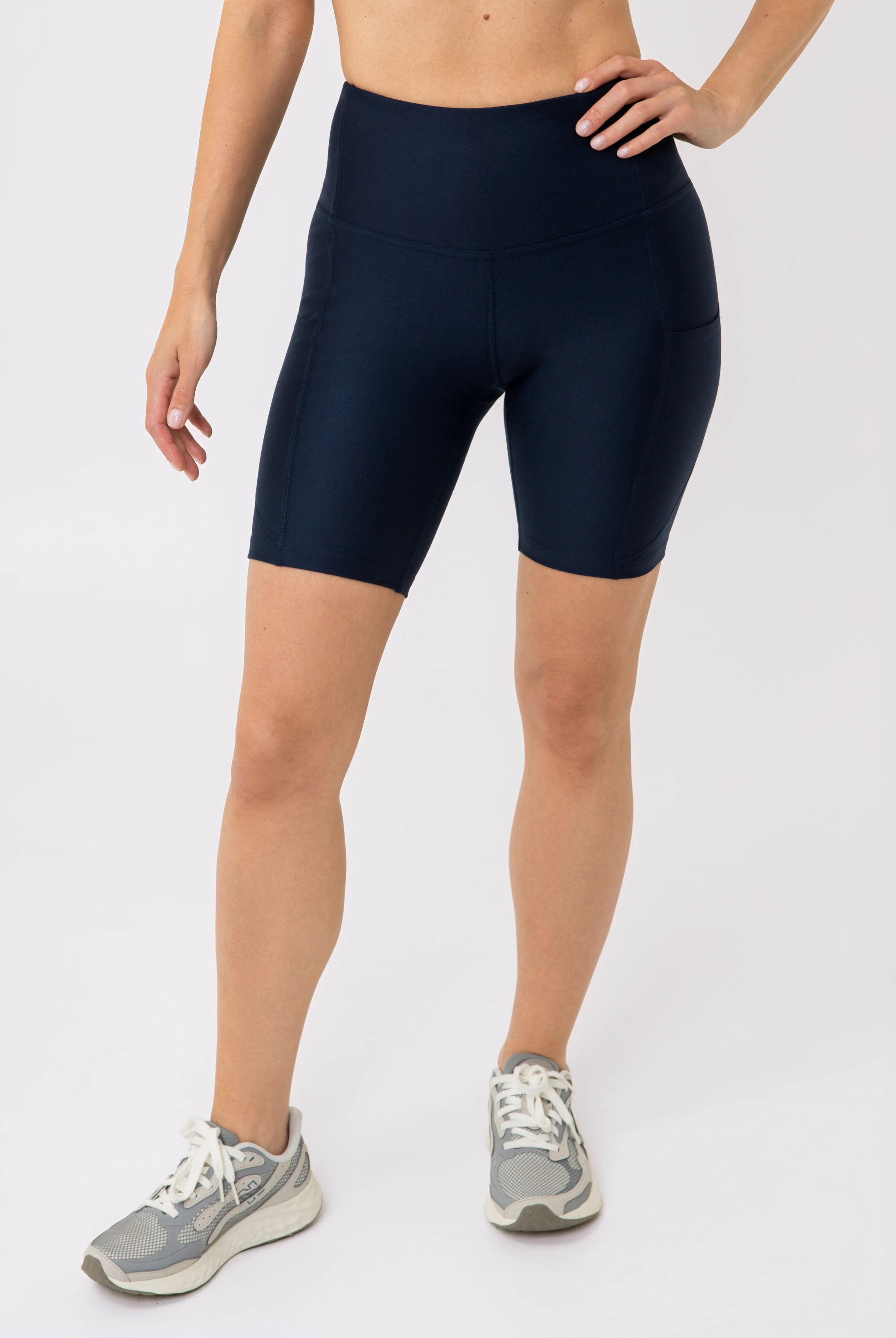
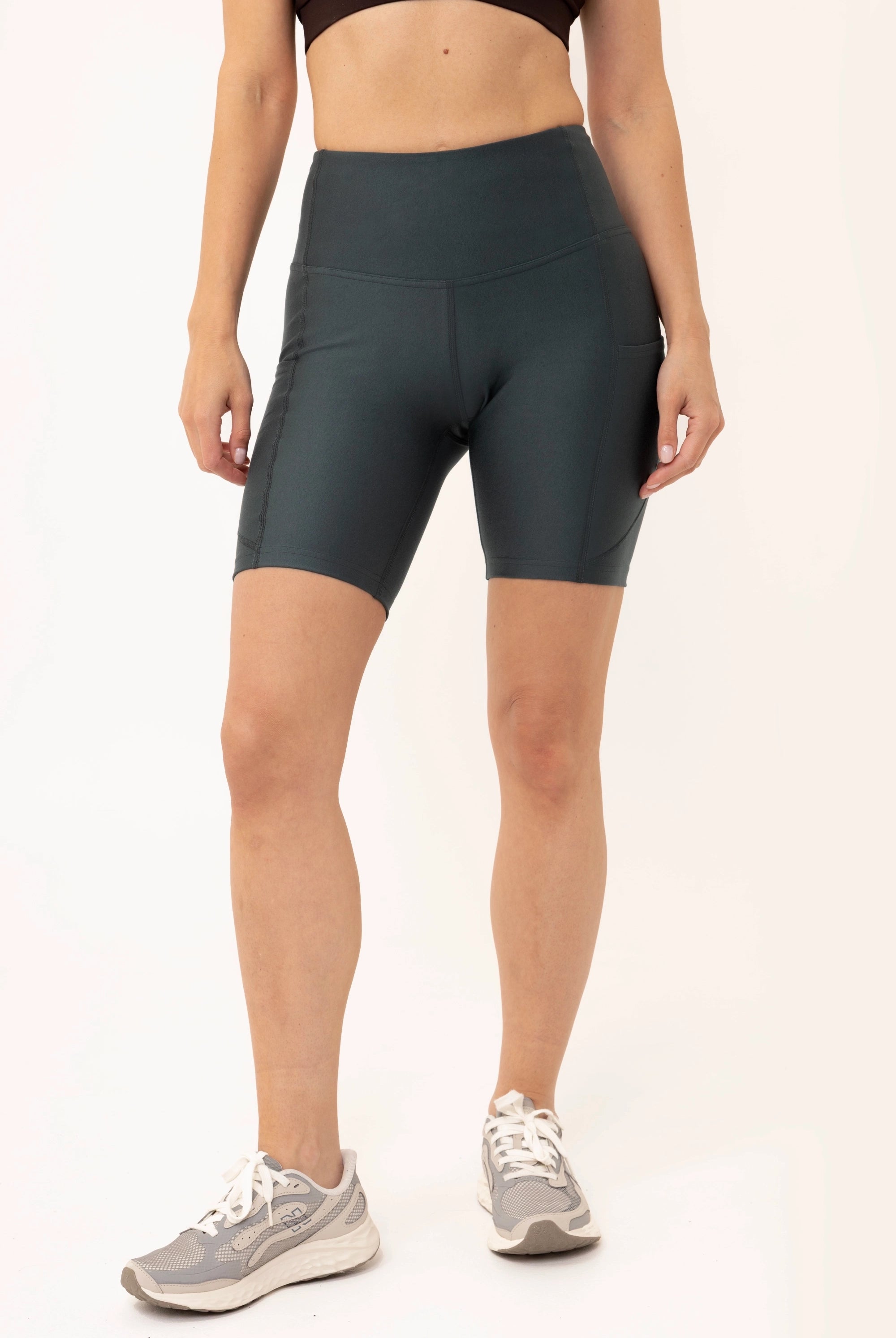
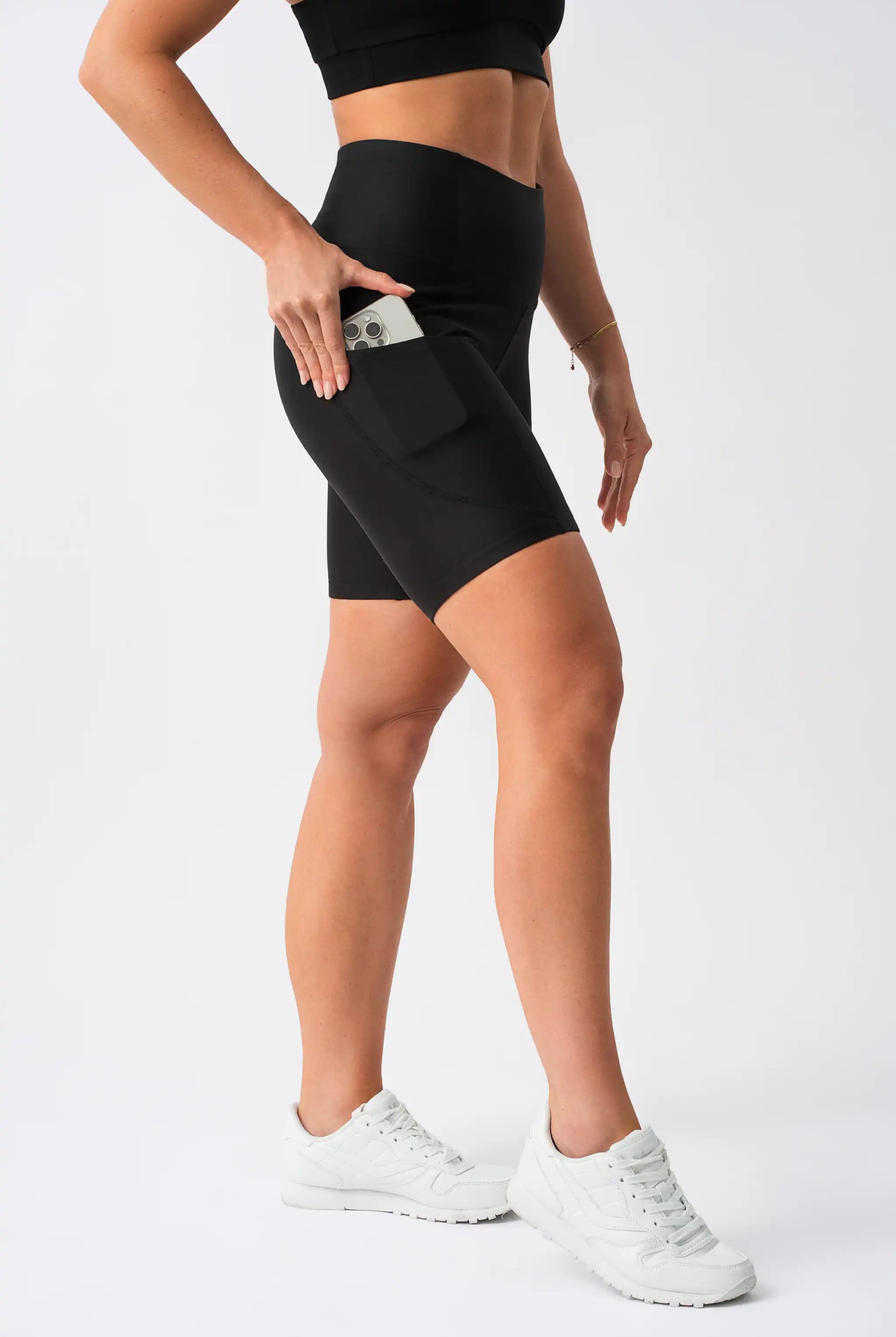
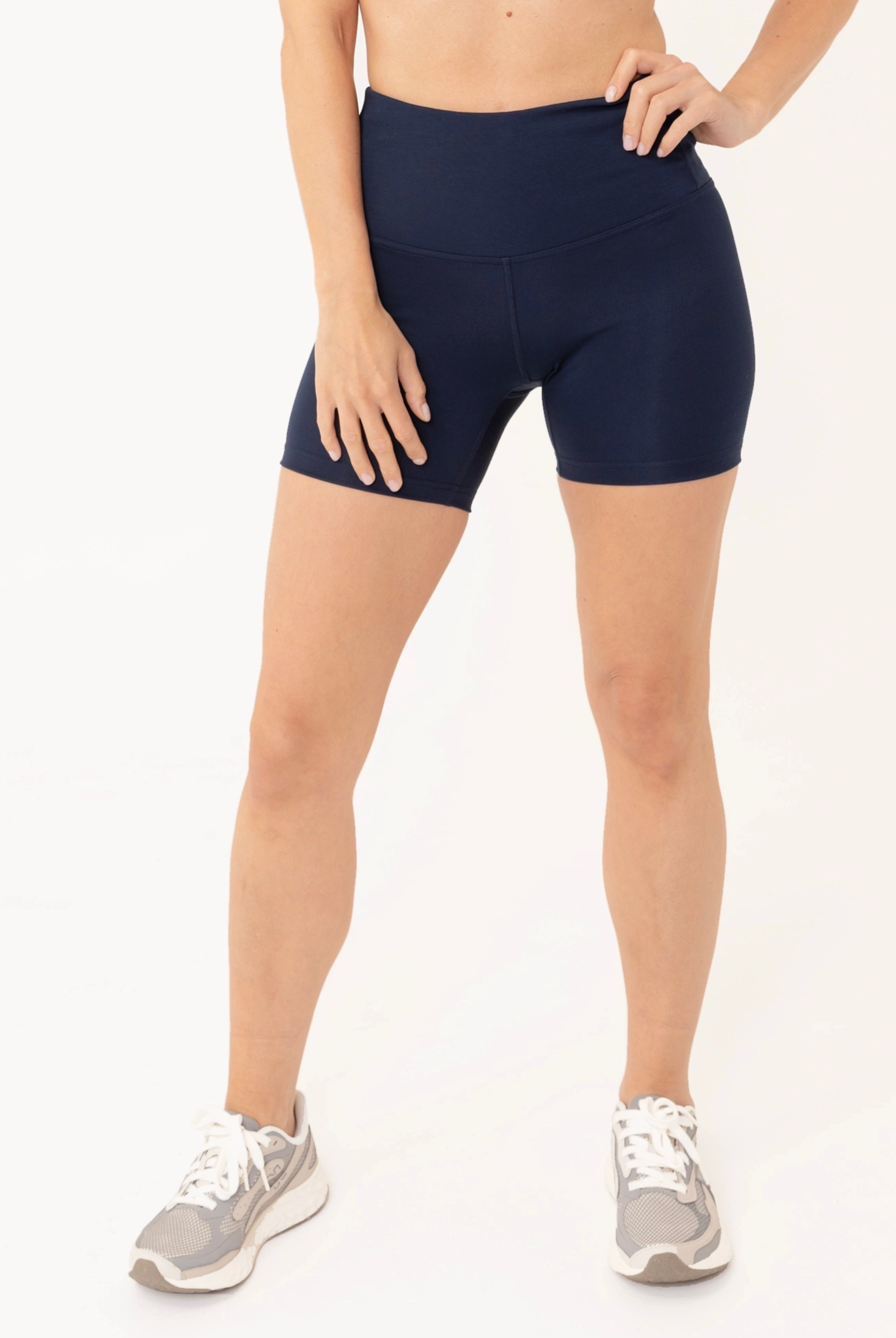
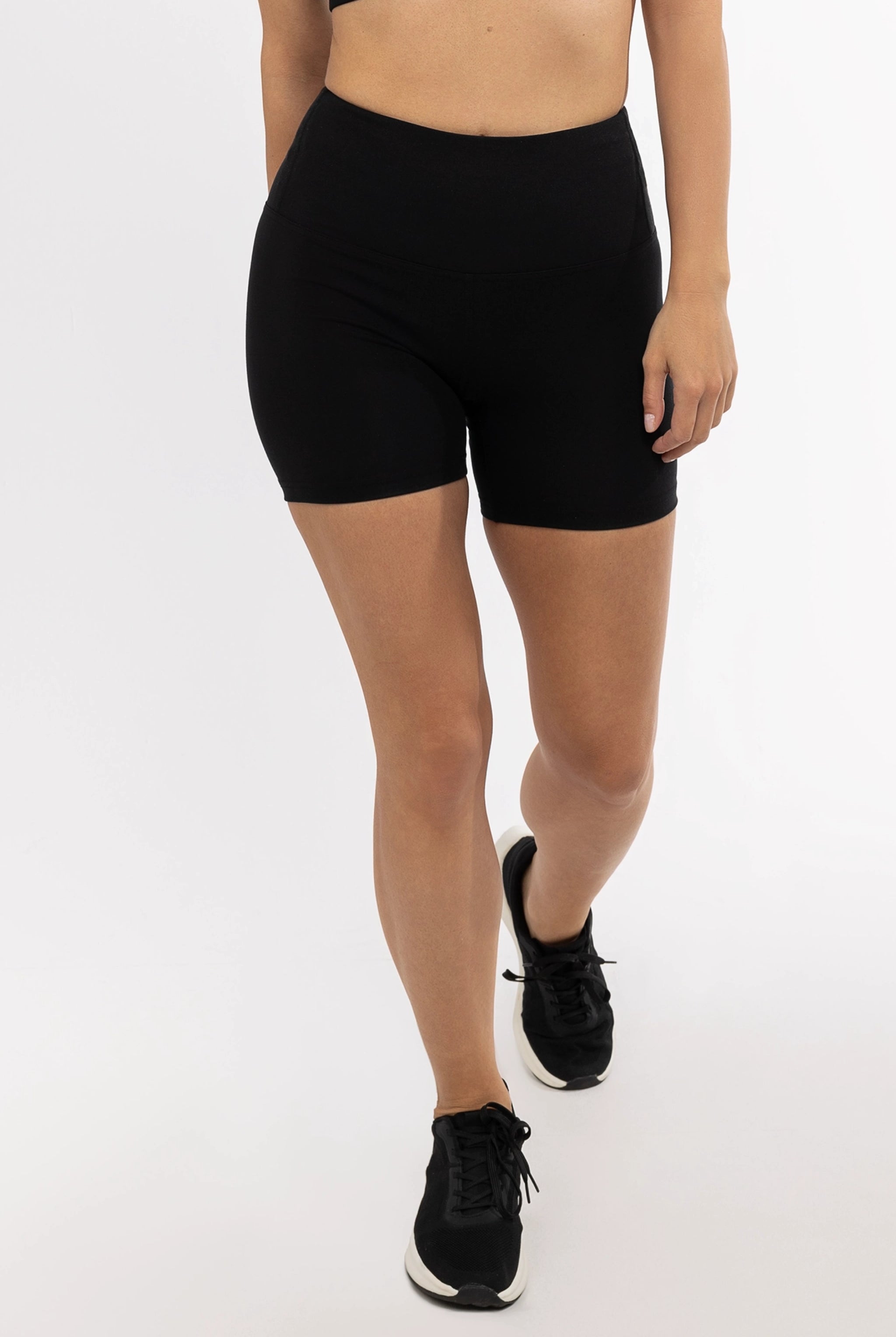
Can you wear shorts to hot yoga?
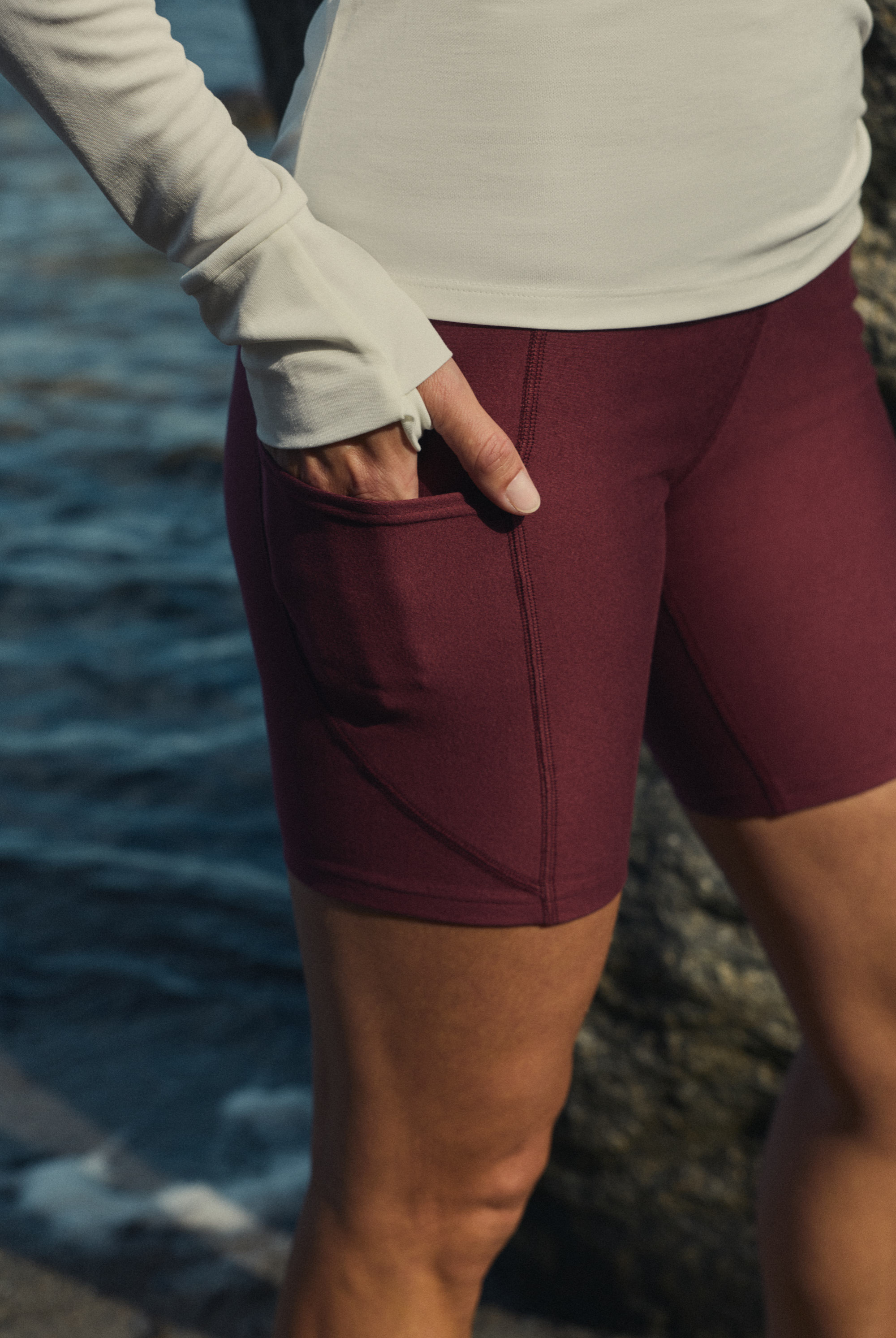
Yes. Shorts are a perfectly good choice for hot yoga, especially if you run hot or prefer less coverage when you move.
As with leggings, look for a secure, high-waisted waistband and enough coverage and support to move confidently without feeling tight or restrictive.
Andrea notes in traditional Bikram classes, "it's common to see women wearing sports bras and biker shorts. Less fabric often means less heat retention — though you may still need to deal with wiping sweat off your body or letting it drip."
High-waisted, sculpted and secure in the heat.
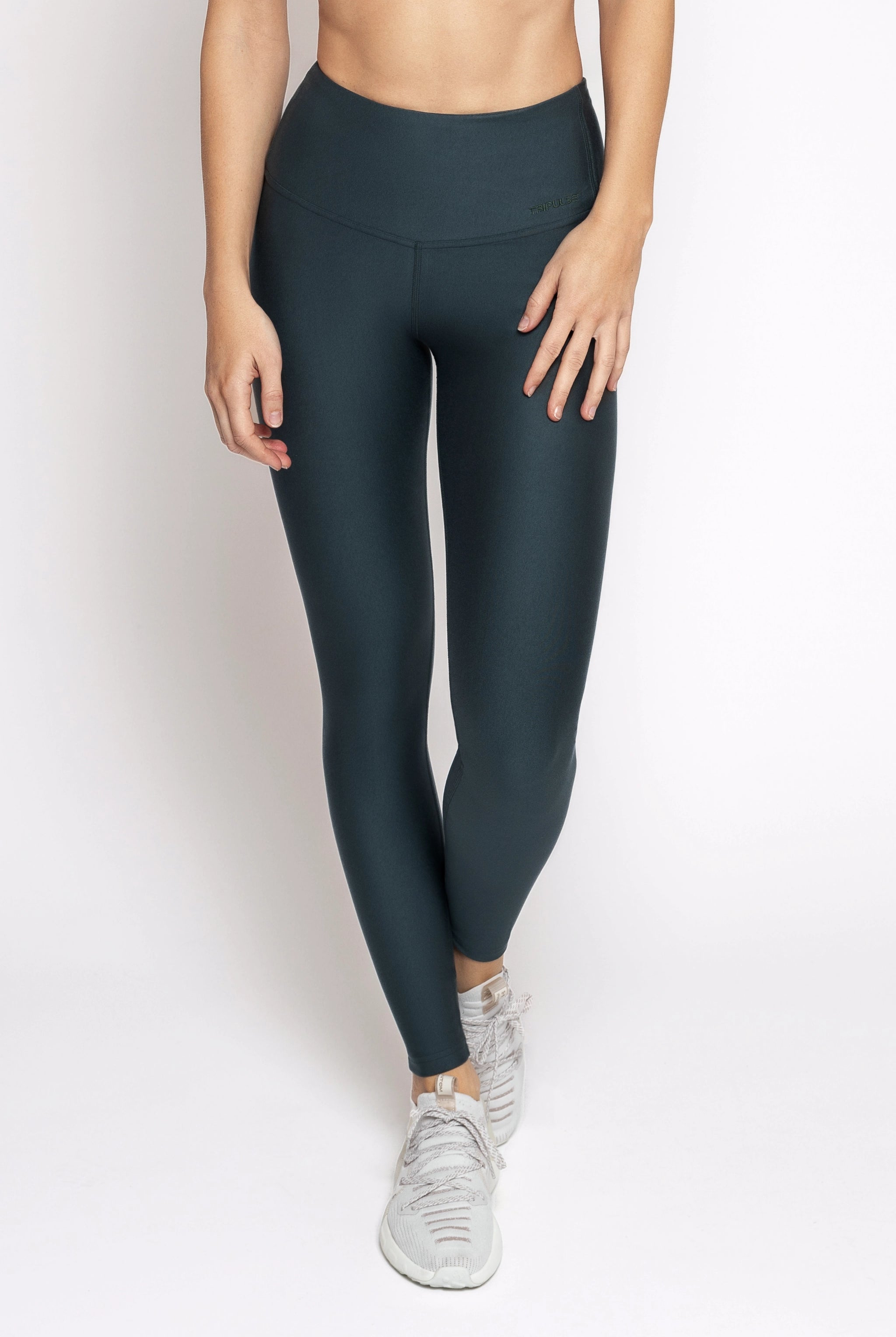
Are leggings too hot for hot yoga?
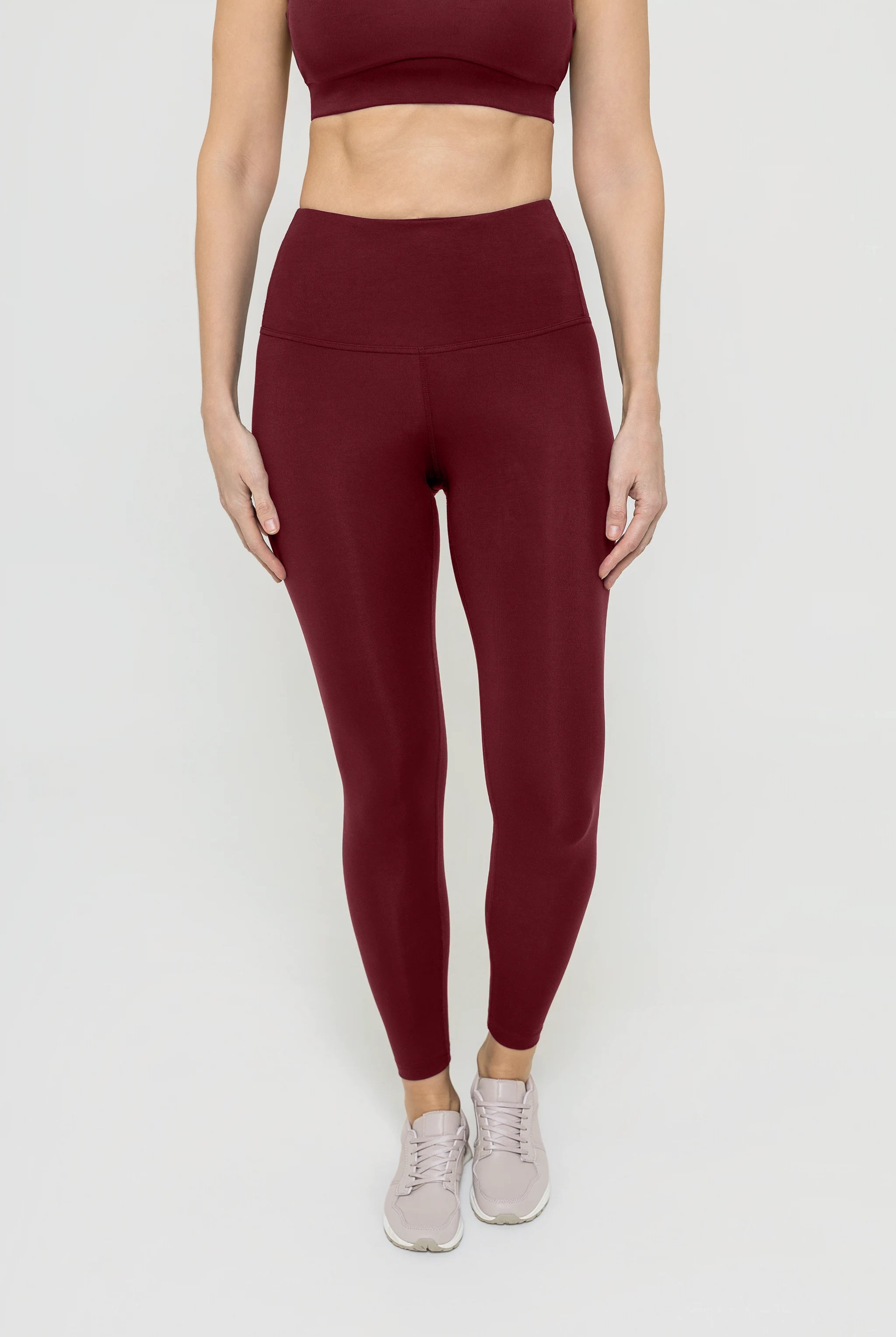
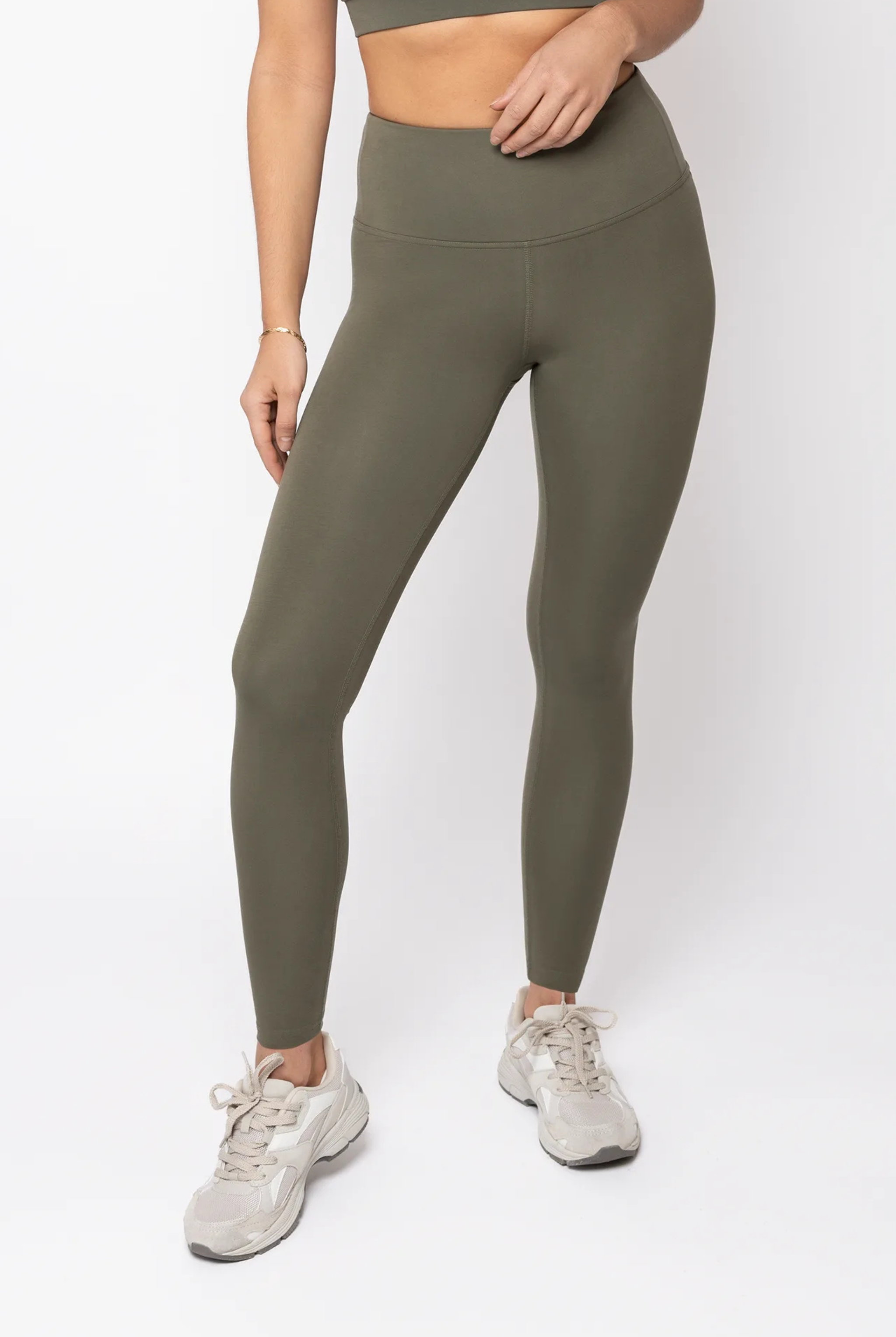
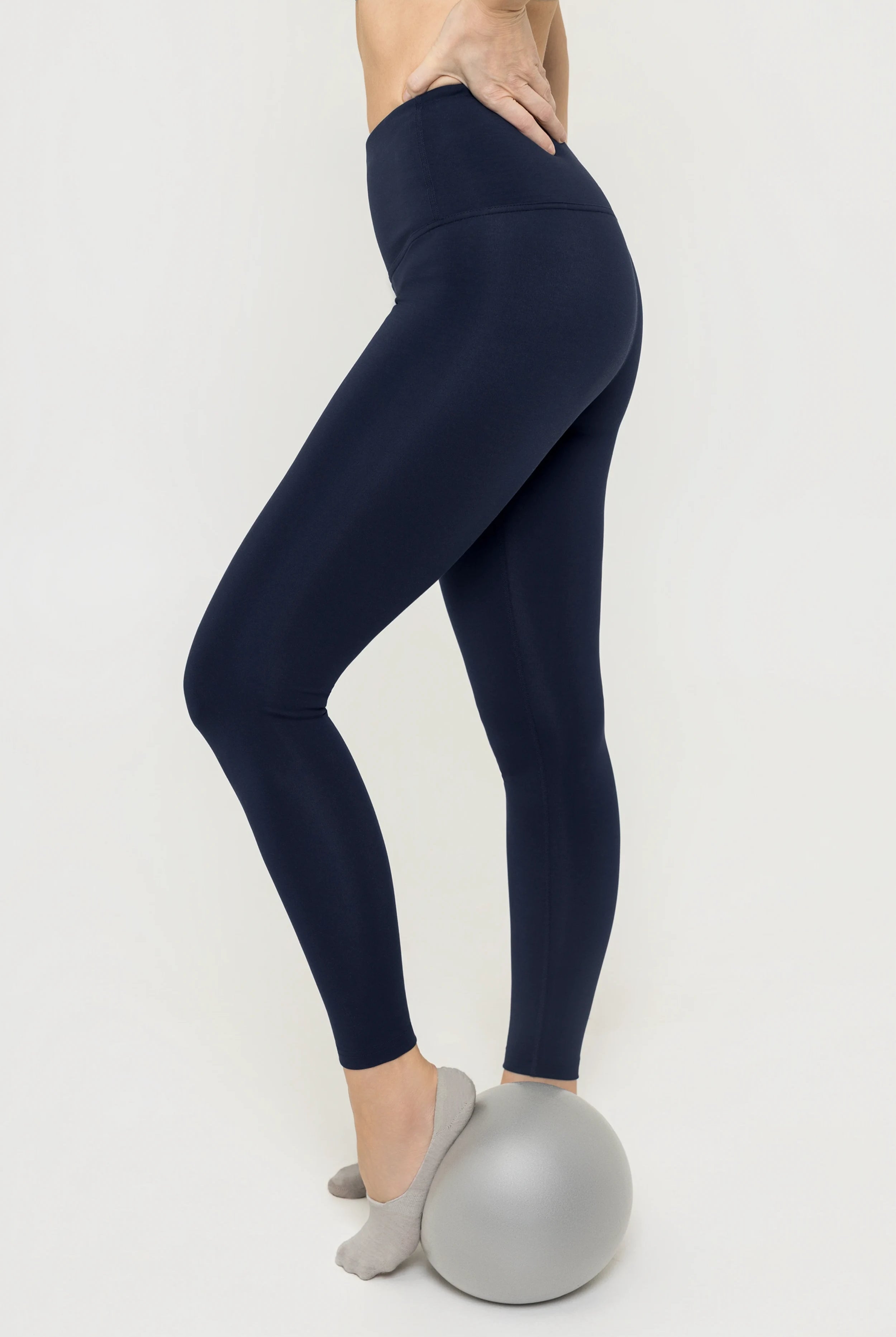
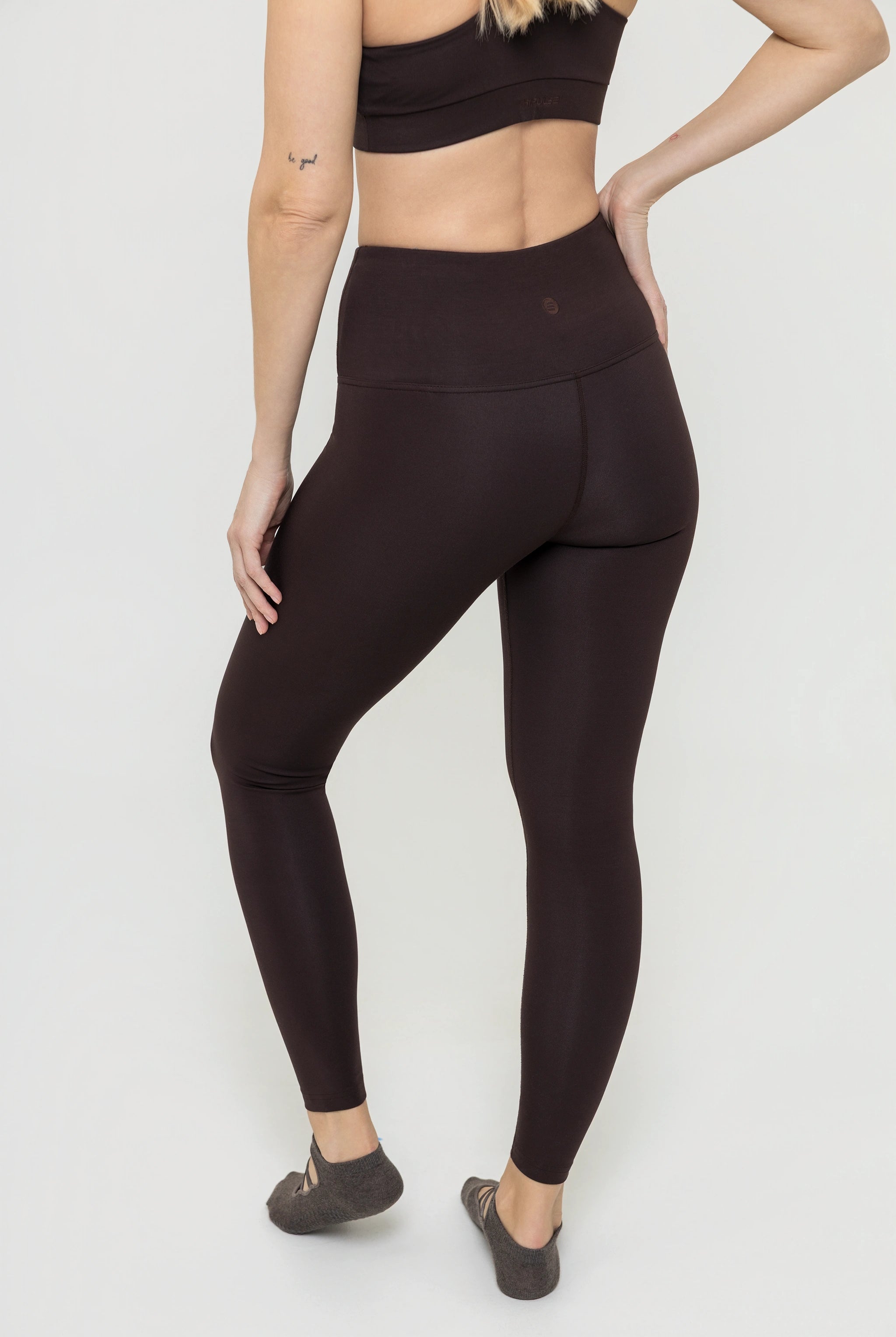
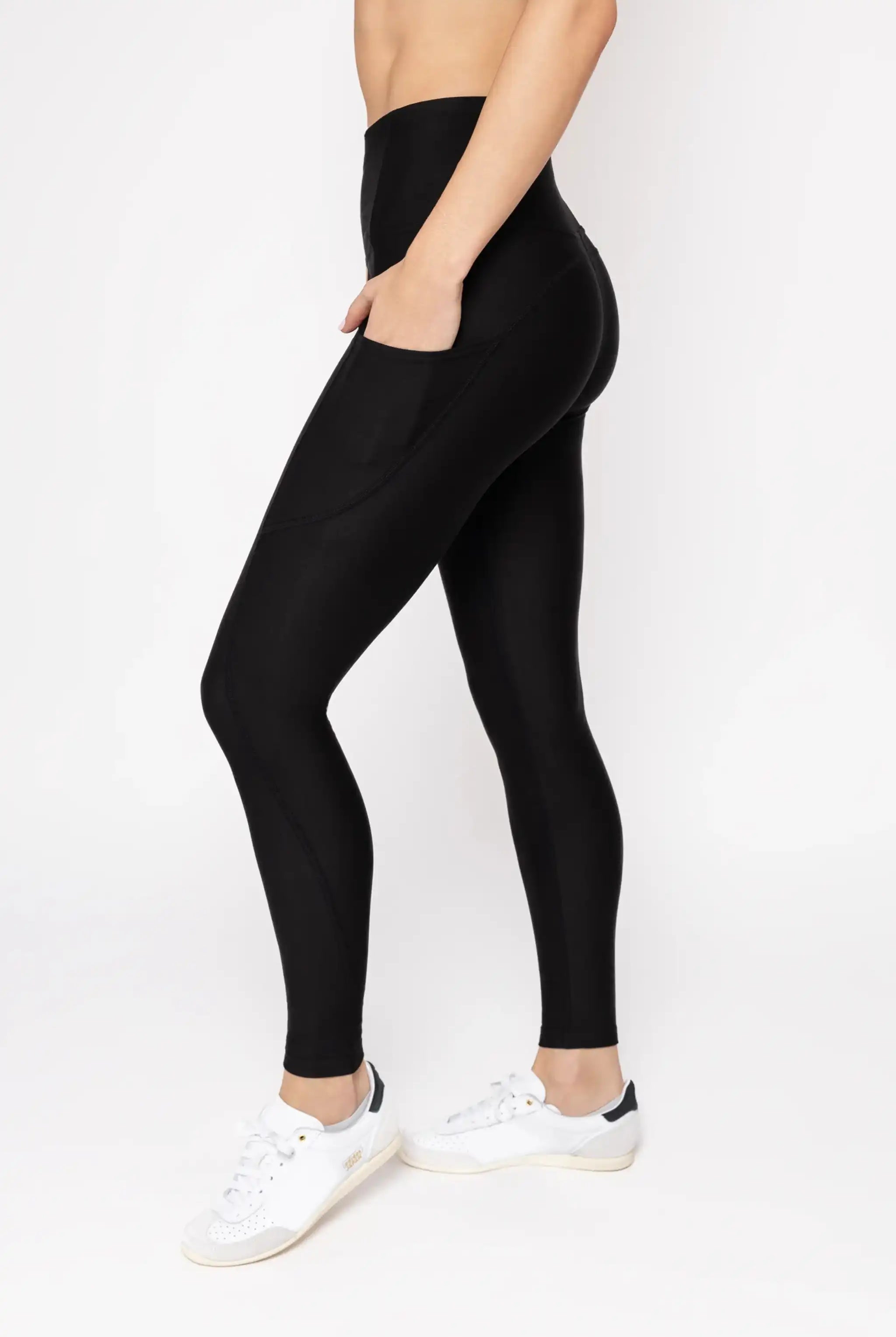
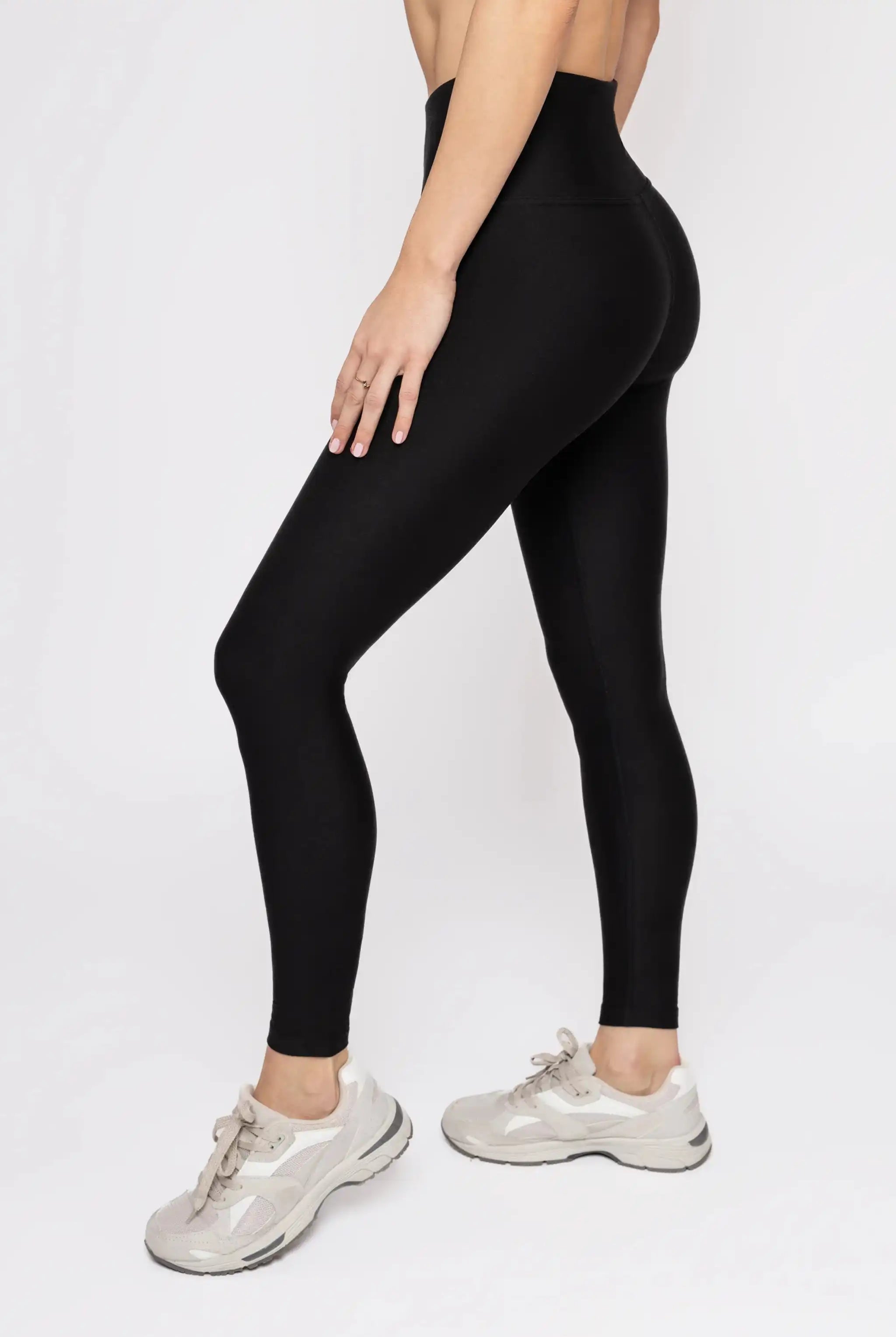
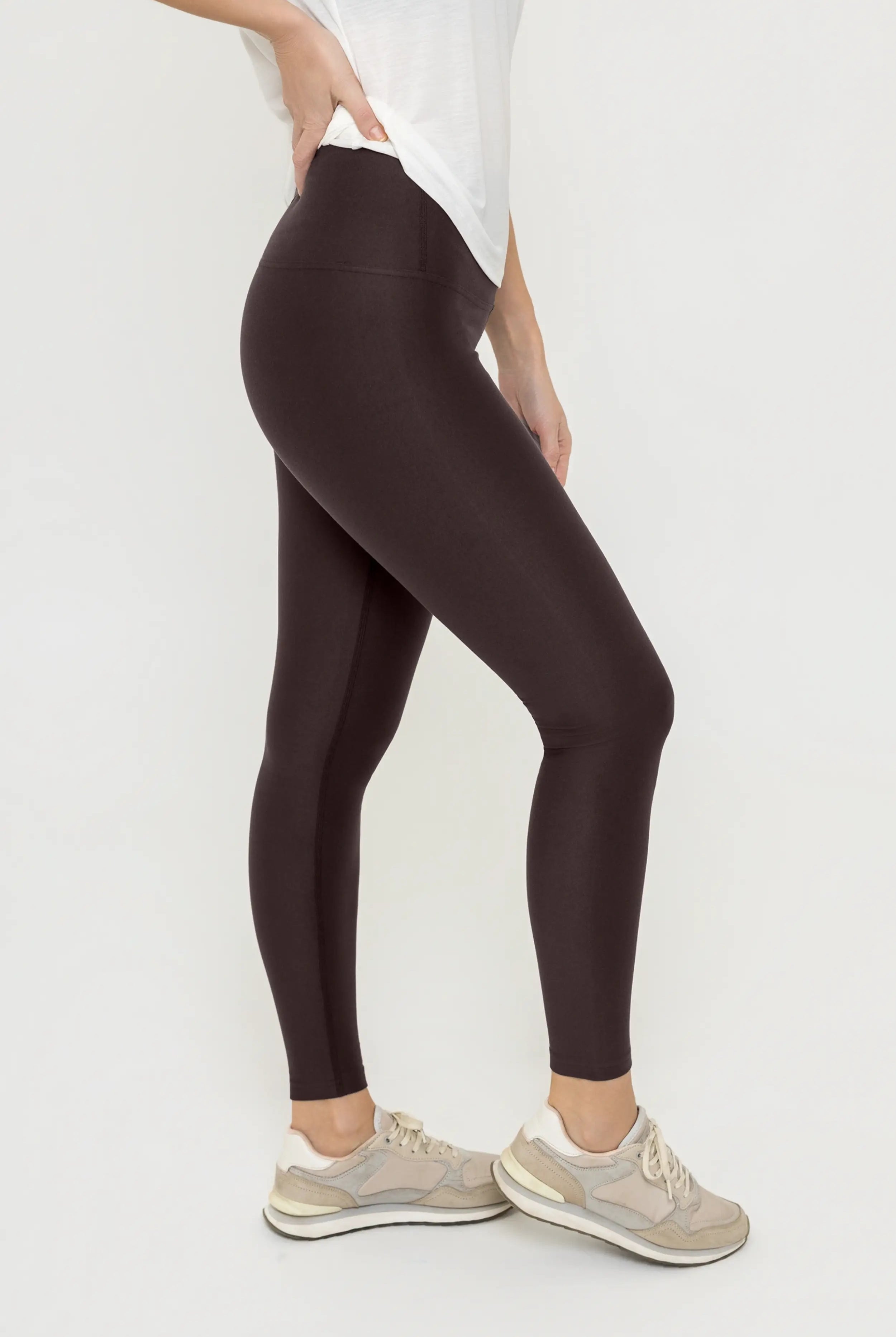
Leggings are a great option for hot yoga if you choose the right fabric. In a heated studio, a light, moisture-managing fabric like TENCEL™ Lyocell will feel comfortable regardless of length.
There's also a practical case for leggings, though ultimately it comes down to personal preference. Sweat makes bare skin slippery, which can affect grip on your yoga mat, especially in balancing poses like prayer twist and eagle. Leggings can help absorb sweat rather than letting it pool on the surface of your skin, helping you stay stable and focused through the full session.
Look for a high-waisted style with enough compression to stay in place and feel supported through every pose. You don't want anything too restrictive or thick in the heat.
Andrea explains many students feel more comfortable in leggings and longer tops — and it's her personal preference too. "Confidence matters. If you're distracted by what you're wearing, you'll be thinking about your outfit instead of your practice."
Lightweight, barely-there, and naturally cooling

What should you wear on top for hot yoga?
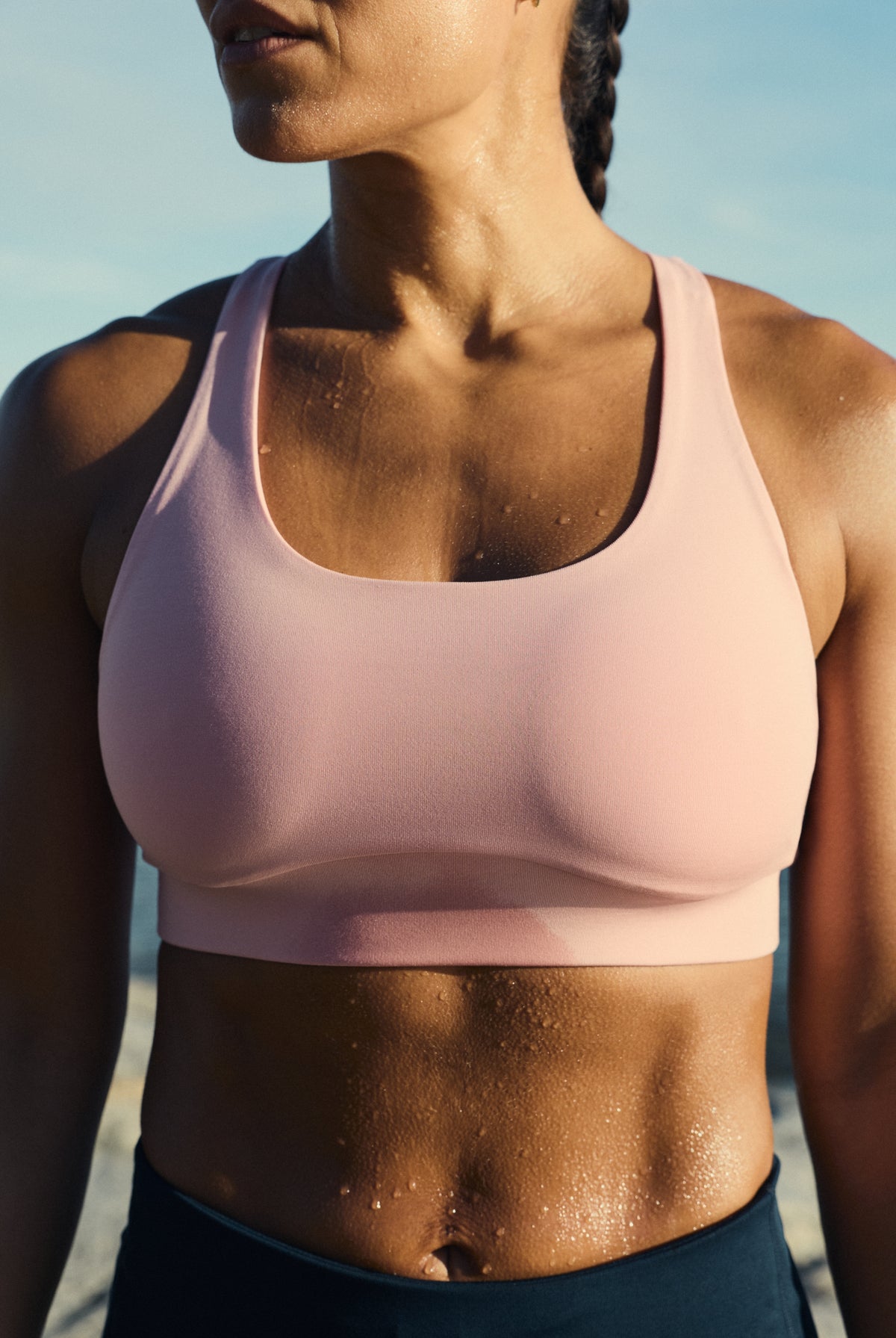
For heated classes, most practitioners gravitate toward a supportive bra top, tank or lightweight shirt. Look for lighter, airier styles with enough room to breathe and move freely without fabric shifting or getting in the way.
For sports bras, avoid rigid seams, underwire and heavy compression. Bras that press or pinch will feel increasingly uncomfortable as the session intensifies.
Andrea recommends looking for something that stays in place during forward folds, inversions and transitions. "Constantly adjusting straps or fabric can become surprisingly distracting over the course of a 60-minute class."
Light, airy and flattering
Smooth, supportive and distraction-free
Are you supposed to wear socks to hot yoga?
Most hot yoga is practiced barefoot. "Your feet and hands are meant to connect directly with the mat, helping you develop balance, stability and proprioception," says Andrea.
Grip socks can be helpful for students who feel more comfortable wearing them, but aren't typically necessary for yoga in the way they often are for other practices like reformer Pilates. She adds: "If you do wear socks, be mindful of the materials — many are made from synthetic fibers."
Hot yoga outfit ideas
Once you've got the fabric right, fit and style is personal.
Here are three ways to wear TENCEL™ Lyocell to hot yoga.
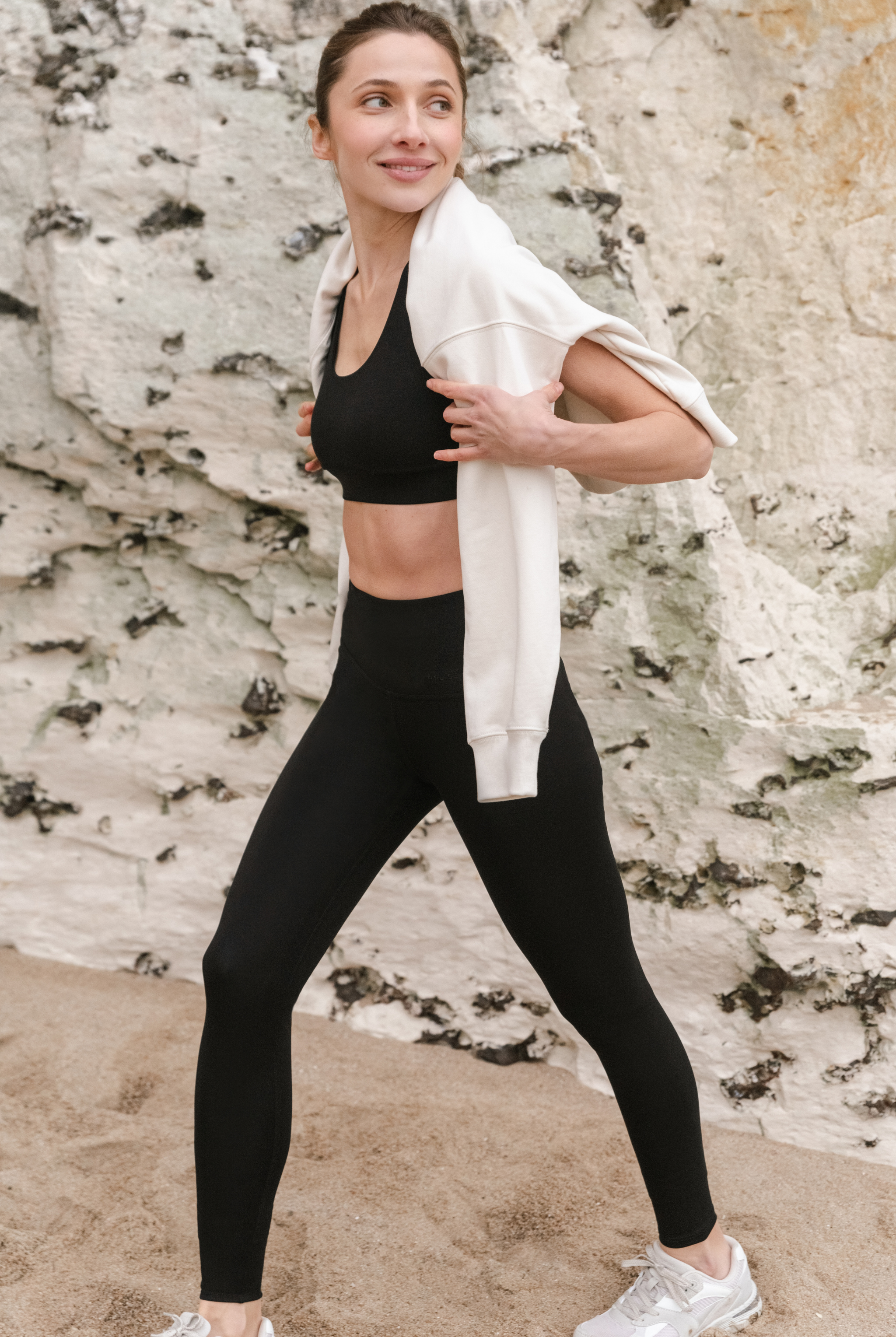
Leggings and bra combo
A wire-free, smooth-against-skin sports bra paired with lightweight yoga leggings designed specifically for heated sessions and warmer climates.

Leggings and tank combo
A little more coverage on top, just as breathable. Featherlight tank that moves with you rather than shifting mid-pose.

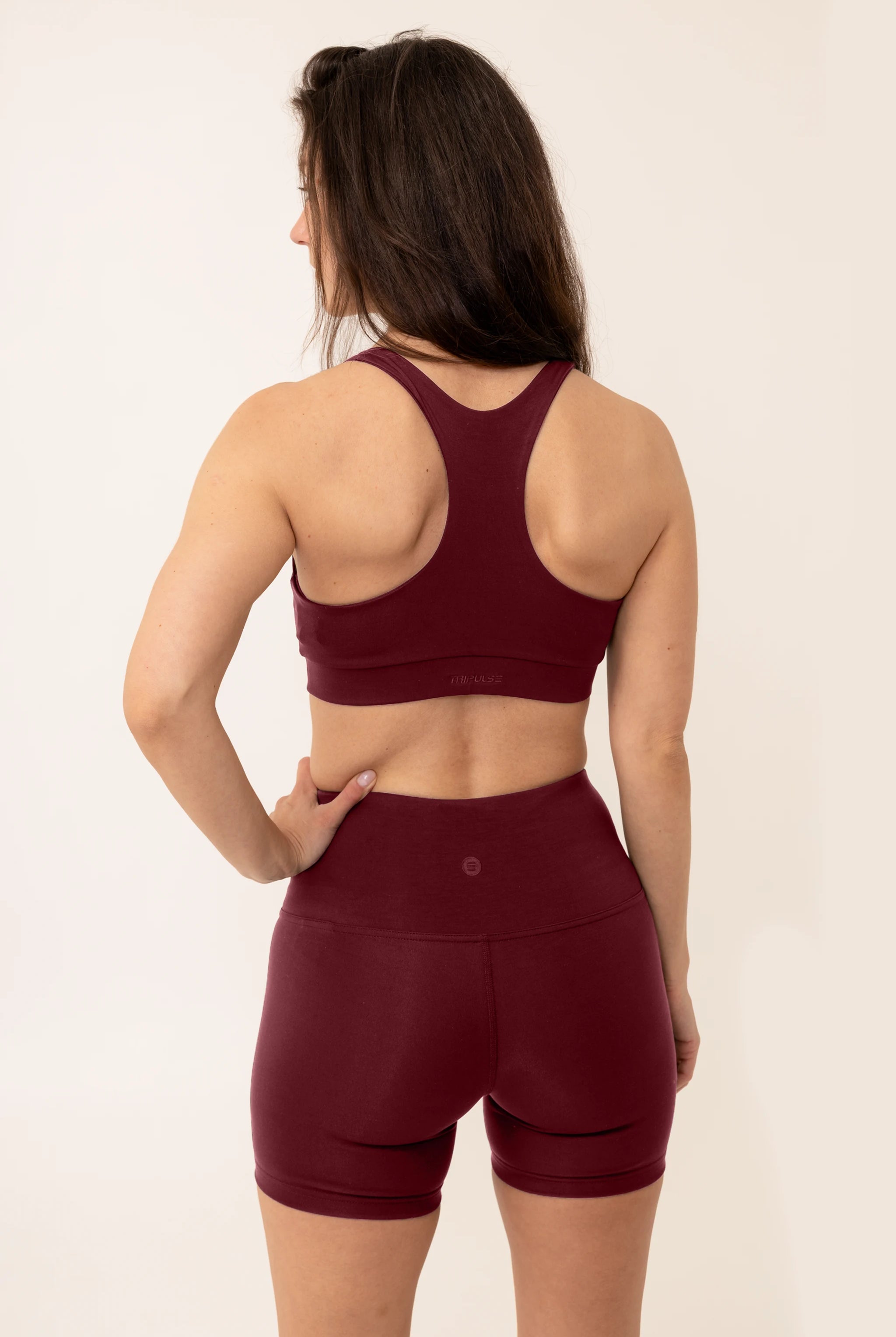
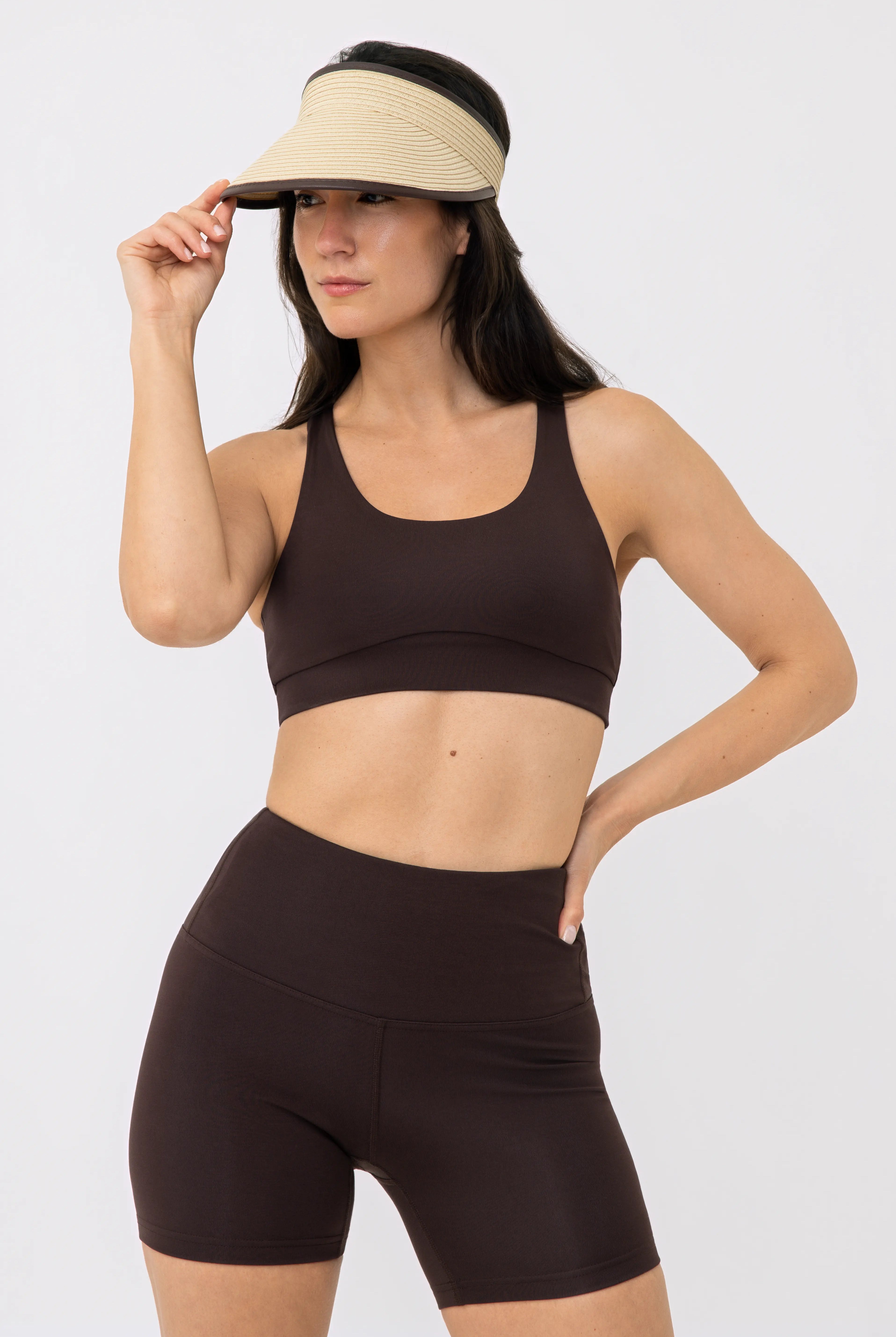
Shorts and bra combo
Less fabric, full support and security. High-waisted and sculpted yoga shorts that stay in place.

Explore the full Tripulse hot yoga collection
More Helpful FAQs
What should I wear to my first hot yoga class?
A sports bra or lightweight top with leggings or shorts. Choose something light, breathable and certified safe for your skin.
"The biggest mistake I see is people dressing for appearance rather than function," says Andrea Wytish, RYT-500. "Many students arrive in heavier fabrics, oversized shirts or activewear they've never tested before. Once the room heats up, they're uncomfortable and distracted. More experienced practitioners tend to know exactly what works for their bodies and wear the same trusted pieces repeatedly."
Don't overthink it — you'll work out what works for you over time, just like the practice itself.
Also worth knowing: makeup, fragranced products and body lotions all intensify in a heated studio. Fragrance can feel overpowering, lotions can make skin slick and affect grip, and heavy makeup mixed with sweat can irritate skin. Keep everything minimal and choose non-toxic options where you can.
Is natural activewear better than synthetic for hot yoga?
In high-heat, high-sweat environments like hot yoga, the right natural fiber can actually outperform synthetics across breathability, skin comfort, odor resistance and durability. Hot yoga puts unique demands on clothing. Polyester and nylon, while common, tend to fall short in exactly these conditions. That's where natural performance fabrics like TENCEL™ Lyocell really come into their own.
See how Tripulse TENCEL™ Lyocell activewear performs compared to synthetic and other natural activewear.
What should I bring to a hot yoga class?
Beyond clothing, Andrea recommends packing these clean and practical essentials:
- Your own quality yoga mat — cork or natural rubber are cleaner materials
- An organic cotton hand towel — you'll want something nearby to wipe away sweat
- A stainless steel or glass water bottle — avoid drinking from hot plastic
- Electrolytes or mineral support after class — replacing minerals can be just as important as replacing fluids
Why does my activewear smell so bad after hot yoga?
The most common reason your hot yoga clothes smell is likely the fabric. The majority of yoga clothing is made from polyester and nylon which trap sweat and body oils rather than absorbing and releasing them. This creates the perfect conditions for odor-causing bacteria to grow. It's the reason why most regular activewear loses its freshness fast, and why it's hard to get back even with regular washing. Natural performance fabrics like TENCEL™ Lyocell absorb and release moisture efficiently, naturally keeping bacteria and odor at bay.
Why does my skin feel irritated during or after hot yoga?
If your skin feels irritated during or after hot yoga, there are often three common causes:
- fabric and dyes
- sweat buildup
- friction
In a heated studio, all three are amplified.
Dyes and chemical finishes in activewear can leach onto skin as you sweat, non-breathable fabrics trap moisture against the body, and repeated movement creates friction on warm, damp skin.
Choosing naturally smooth, breathable and moisture-managing fabrics like TENCEL™ Lyocell can help keep your skin comfortable as intensity builds.
Look for activewear certified to OEKO-TEX® Standard 100, so you know every component is skin-safe and free from harmful dyes and substances.
How often should I wash hot yoga clothes?
It depends on your fabric. Synthetic activewear made from polyester and nylon typically needs washing after every session. Natural performance fabrics like TENCEL™ Lyocell manage moisture and resist odor naturally, meaning you can wear it multiple sessions before it needs a wash. Simply air-dry after each session and it's good to go again.
Is TENCEL™ Lyocell good for hot yoga?
Yes — it's one of the best natural fabrics for hot yoga. TENCEL™ Lyocell draws moisture away from the skin quickly, stays fresher for longer and feels gentle against warm, damp skin throughout practice. Unlike synthetic fabrics like polyester and nylon, it achieves all of this without chemical treatments. In a verified Tripulse Performance Study, 88% of customers rated it superior to synthetic activewear for breathability at high intensity.
What should you avoid wearing to hot yoga?
Avoid synthetic fabrics, heavy natural fibers, poorly fitted styles and anything you haven't tested before. Here's what to steer clear of:
- Synthetics like polyester and nylon — they trap heat, hold onto odor and are often heavily chemically treated
- Cotton and heavy merino wool blends — cotton and thicker merino wool blends can feel damp and heavy when wet. Even lighter merino can be prone to thinning and holes with repeated intense wear and washing.
- Loose, oversized or poorly fitted styles — anything that shifts, slips or digs in becomes a distraction mid-practice
- Activewear you haven't tested before — save new pieces for another day
- Heavy makeup, fragranced products and body lotions — all intensify in a heated studio. Keep everything minimal and choose non-toxic options where you can
Final thoughts on what to wear to hot yoga
Whatever you choose to wear to hot yoga, the most important thing is that your clothing never becomes a distraction. As Andrea puts it: "The goal isn't to suffer through the experience — it's to create the conditions that allow you to be present with it. What you wear should help you feel comfortable, present and able to move with ease."
If you're constantly adjusting your clothes, worried about sweat marks, overheating or feeling self-conscious, your attention is pulled away from the practice. "The best hot yoga outfit is ultimately the one that allows you to forget you're wearing it," says Andrea.

Before your next class, remember:
- Fabric first. Look for advanced natural performance fibers that stay breathable, soft, and fresh as intensity builds, and are certified safe to OEKO-TEX® Standard 100 across the full garment. TENCEL™ Lyocell with ROICA™ clean stretch is the combination we'd reach for.
- Fit. Look for styles that feel lightweight and move with you. A secure, high-waisted waistband helps. Nothing that digs in, feels restrictive or shifts mid-pose.
- Style is personal. Leggings, shorts, sports bra or top — choose what feels most comfortable and supportive for you.
Are you a fitness professional, instructor, or wellness practitioner?
Join the Mindful Leaders Collective and receive 20% off, plus become a co-creator of Tripulse's next innovations. Explore the Mindful Leaders Collective.

For more, visit:
- What to Wear to Pilates: Essentials, Fabric & Skin Health
- The Complete Guide to Itchy Skin During & After Exercise
- TENCEL™ Lyocell vs Merino Wool
- TENCEL™ Lyocell vs Cotton
- Toxins in Clothing: 7 Chemicals to Avoid
- Is Rayon Safe to Wear? Viscose, Bamboo, Modal & TENCEL™ Lyocell Explained
Expert contributor
Andrea Wytish, RYT-500, is a registered yoga teacher with over 800 hours of yoga training completed through the Life of a Yogi program under Sri Dharma Mittra. She is also certified in Plant-Based Nutrition through eCornell and is the founder of Sol Luna Life, a conscious living platform exploring movement, mindfulness, wellness, and the art of balance. Andrea teaches yoga online and in person throughout the Northeast, including Pennsylvania, New Jersey, and New York City and writes about nervous system regulation, conscious living, and sustainable wellbeing.
Website: SolLunaLife.com
Instagram: @sollunalife
About the contributors
Written by Christie Johnson, a wellness and sustainability writer who has been publishing since 2020. Since 2023 she has written about performance fabrics, skin health and chemical safety in activewear. A certified Pilates teacher, she trains and teaches in Tripulse TENCEL™ Lyocell activewear, giving her first-hand experience of how natural fabrics perform during training.
Developed with Franziska Mesche, Founder and CEO of Tripulse. Since 2019 she has sourced and tested a wide range of natural and synthetic activewear fabrics, working directly with leading fabric innovators and EU mills on material development, testing and certification. Years of hands-on product development have built her practical expertise in how performance materials behave in real athletic use.
All material, certification and performance claims are verified by Franziska Mesche before publication.