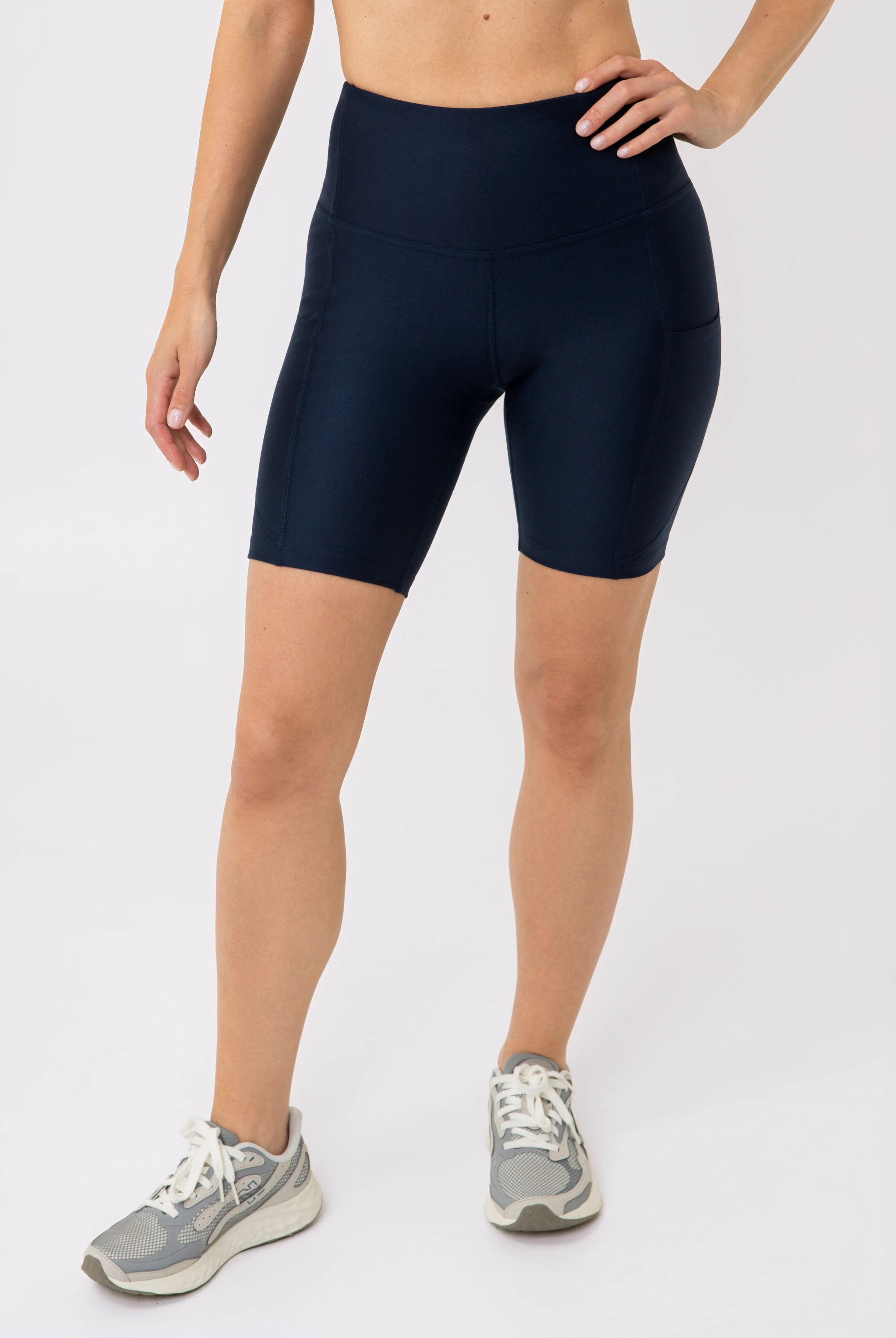
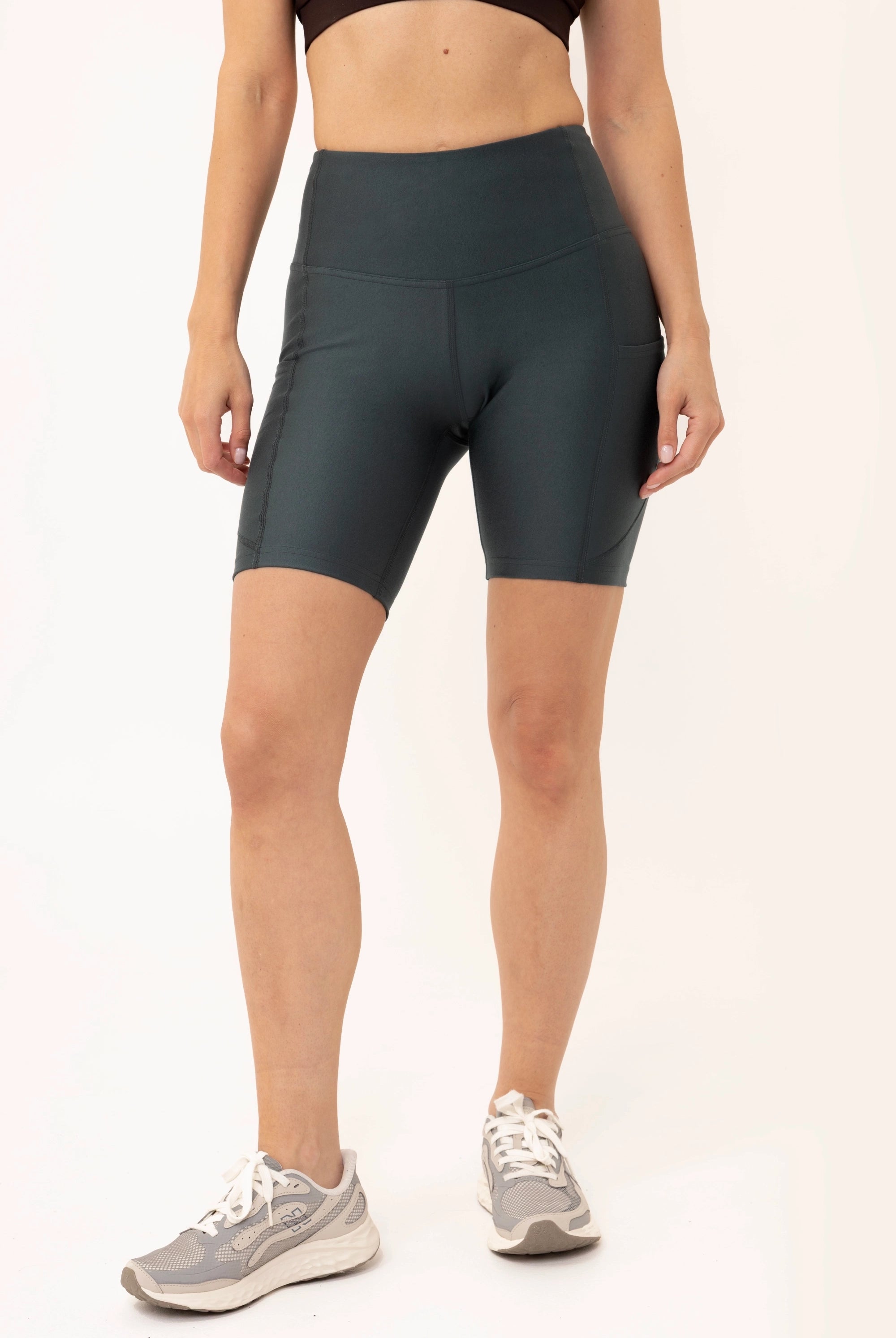
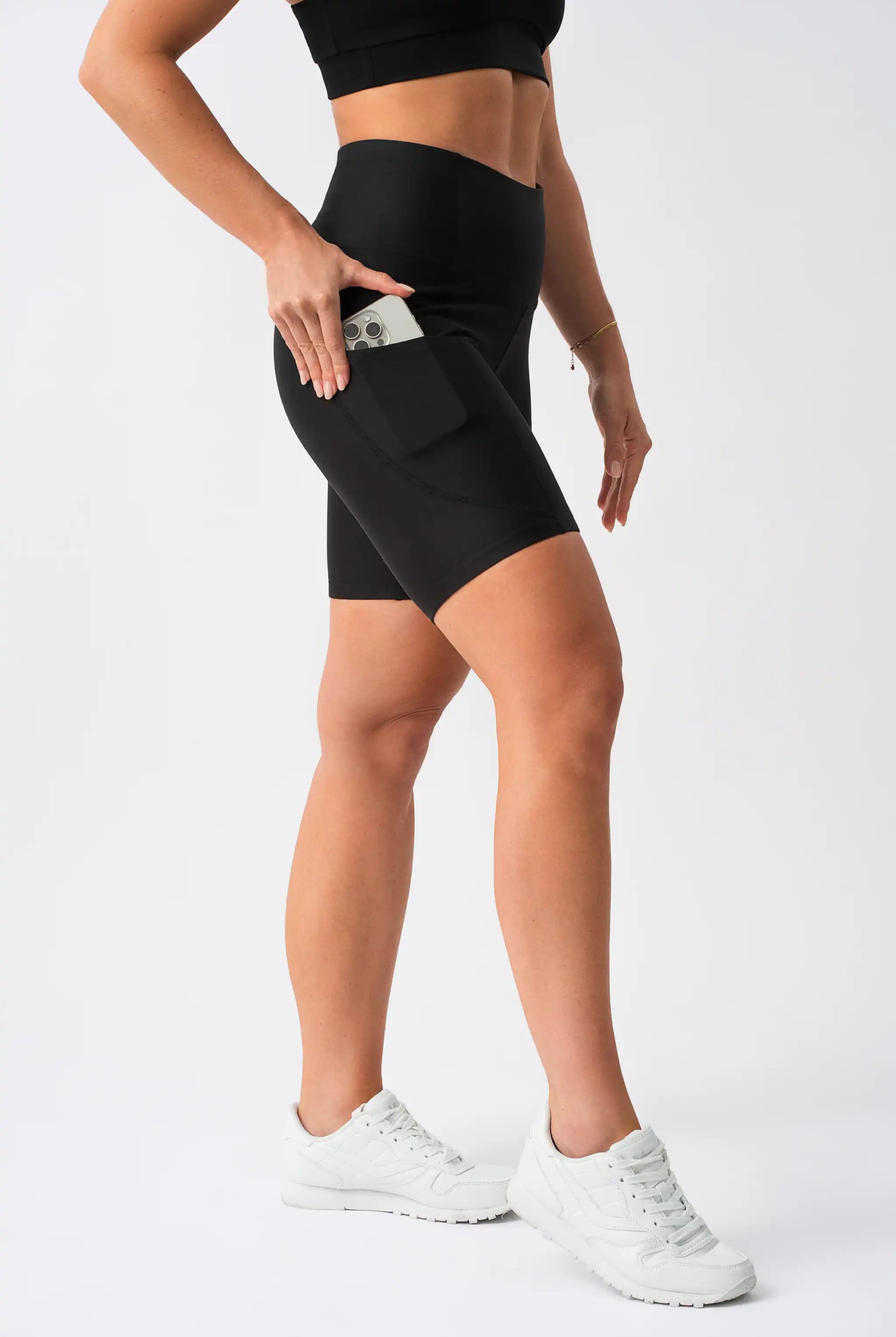
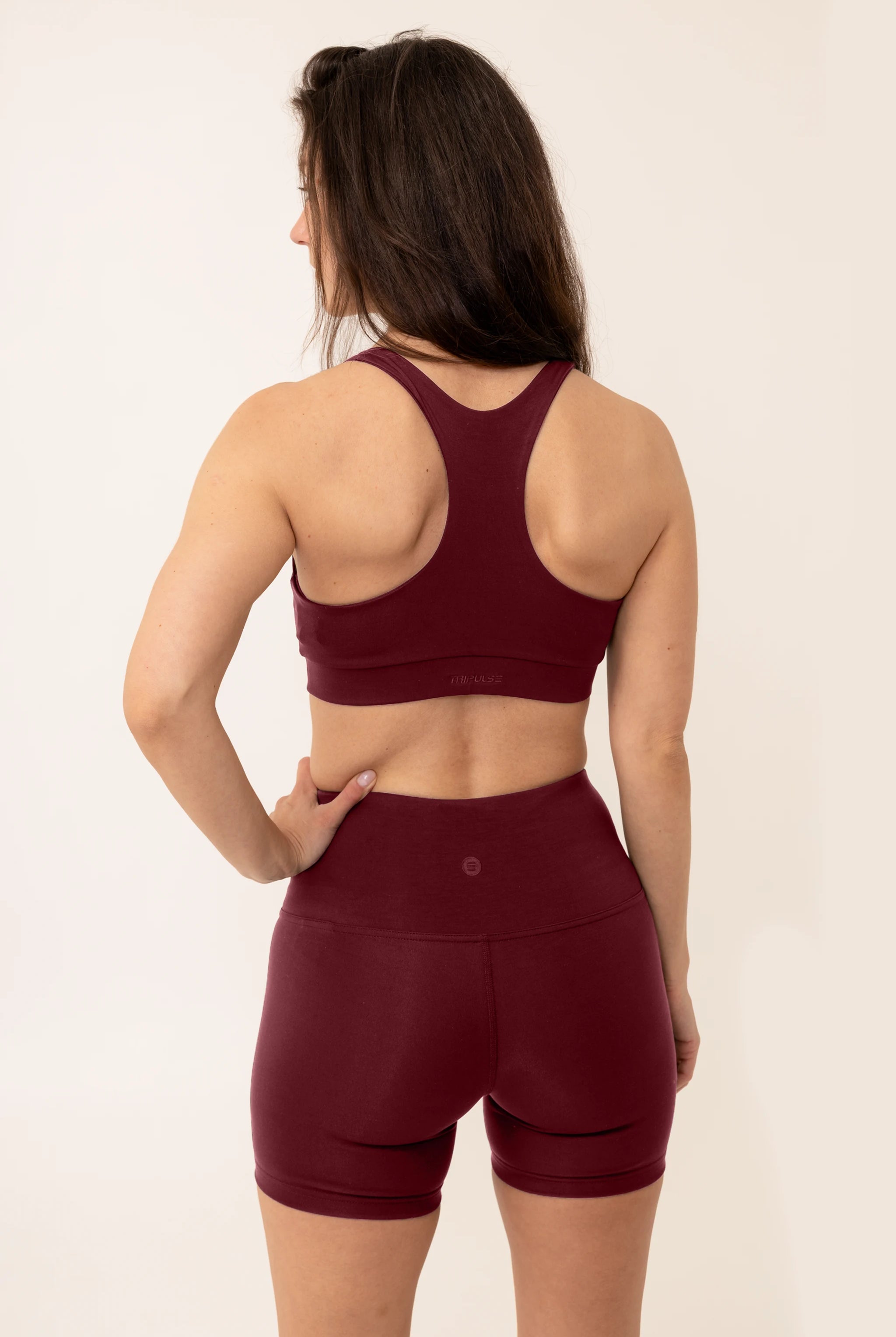
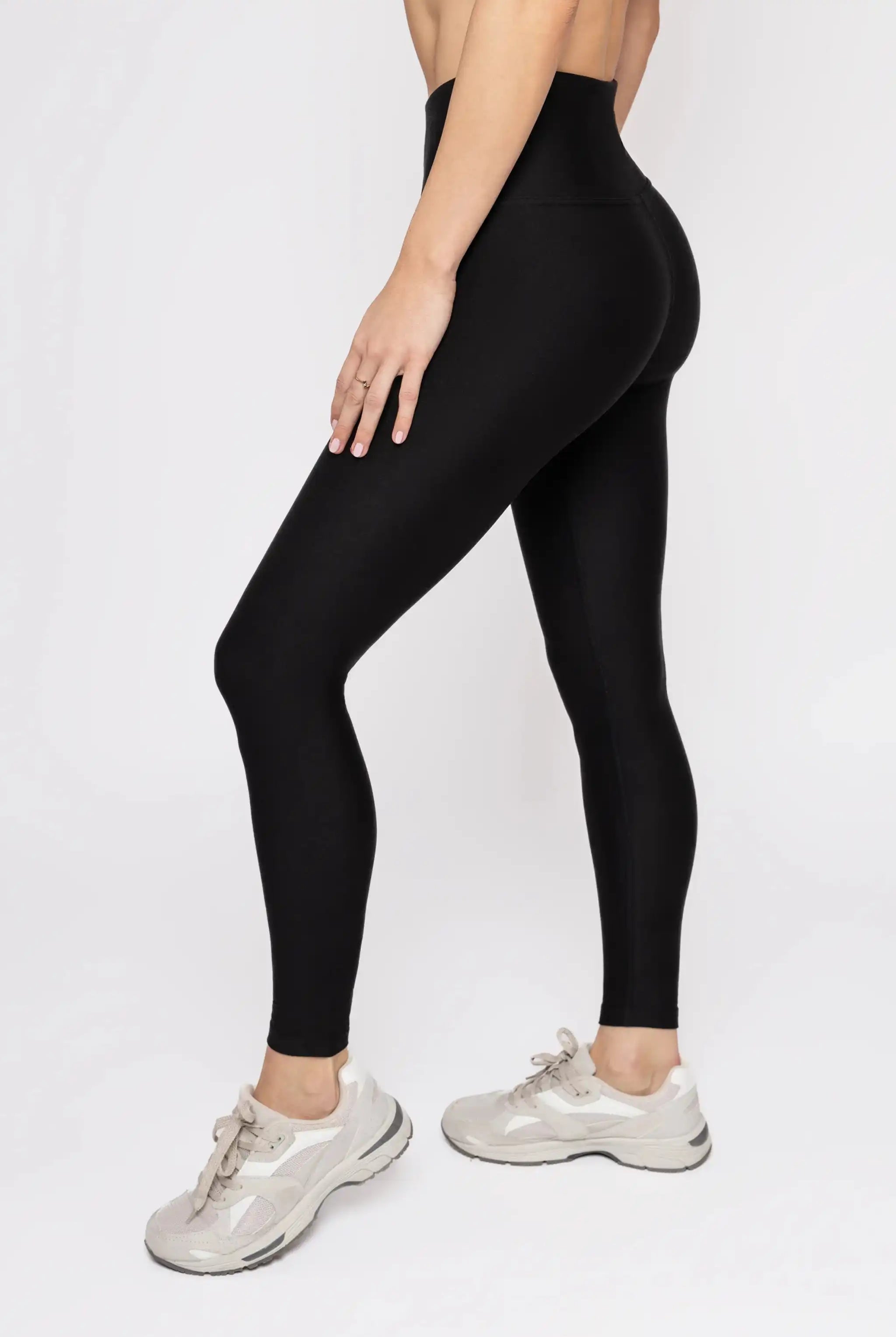
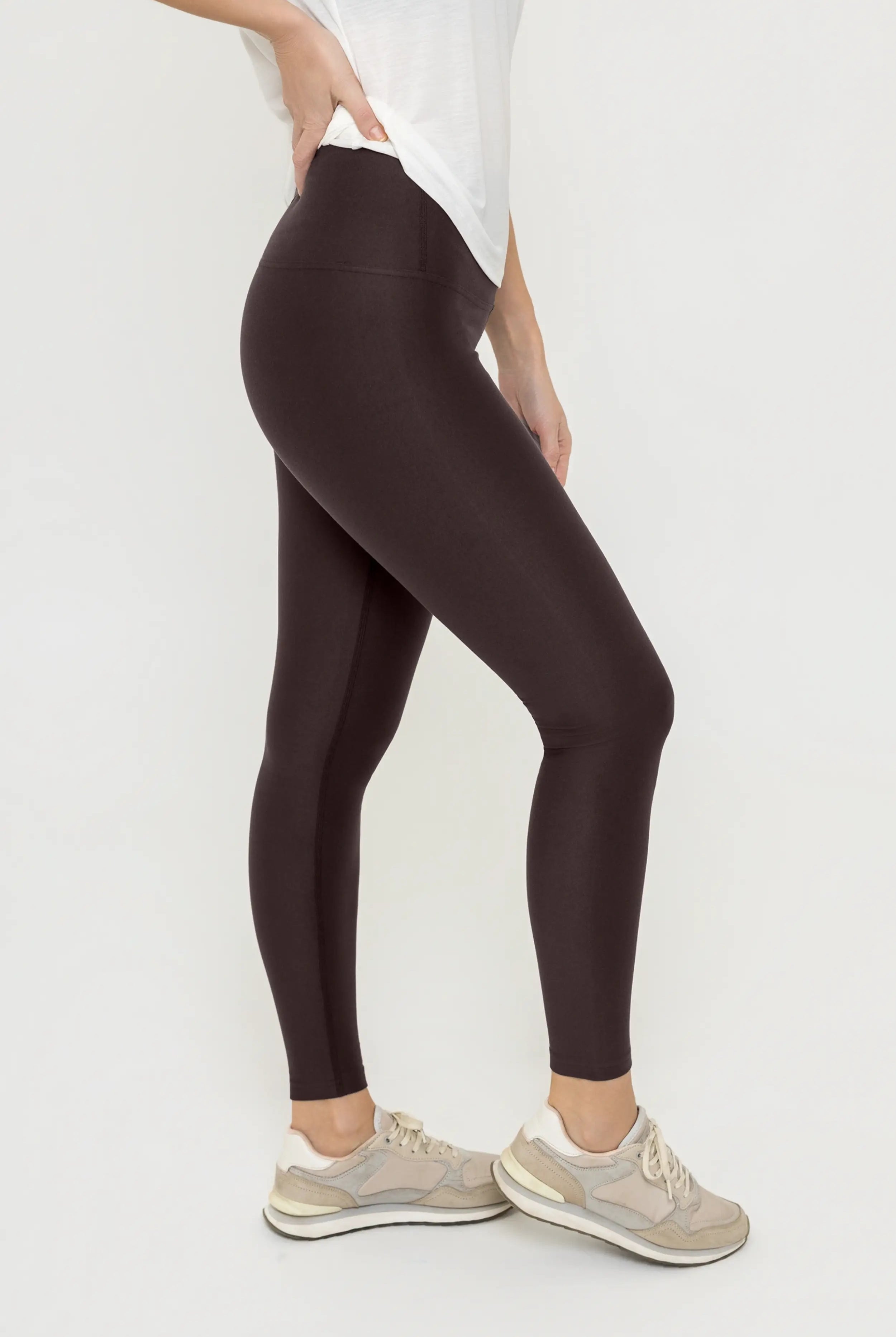
Finding PFAS-free activewear is one thing. Finding PFAS-free activewear that actually performs is another.
Moving away from the pieces you've loved and trusted can feel like a big step. Will a cleaner alternative keep up during training? Hold its shape? Feel light on the body?
This guide covers what to look for, what to avoid, and why you don't have to choose between performance and clean.
Quick summary
Choosing PFAS-free activewear doesn't mean compromising on comfort or performance. The best options combine the right fabric, trusted certifications, independent testing and evidence that they perform in real workouts.
Look for TENCEL™ Lyocell as the dominant fiber (80%+), a skin-safe elastane such as ROICA®, recognized certifications such as OEKO-TEX® Standard 100, and verified customer performance data.
Many PFAS-free alternatives still come with compromises. Organic cotton can feel heavy and damp when you sweat, and PFAS-free polyester and nylon can still trap heat and humidity, and carry odor even after one workout.
In a study of 51 verified customers, Tripulse TENCEL™ Lyocell activewear was rated highly for comfort and performance, with many preferring it to the polyester, nylon and natural fiber activewear they had worn before.
What are PFAS chemicals in activewear?
PFAS — per- and polyfluoroalkyl substances — are synthetic chemicals found in many activewear fabrics, added to make them moisture-wicking, stain-resistant and durable. They don't break down in the body or the environment, which is why they're known as "forever chemicals".
The research around PFAS and health risks is still evolving. What we do know is that chemical residues can remain in fabric during wear and may be absorbed through the skin. Sweat and friction can make that more likely — something that naturally happens when you exercise.
How they potentially affect the body is also still being studied, but exposure has been linked to hormonal disruption and other serious health concerns.
PFAS use is something major activewear brands are now being questioned over. In April 2026, the Texas Attorney General launched a formal investigation into Lululemon over the potential presence of PFAS in its activewear.
Learn more in our guide to PFAS in Clothing.
How can I tell if PFAS-free activewear will actually perform?
You can tell whether PFAS-free activewear is built to perform by looking at four things: what it's made from, who independently verifies the claims, how and where it's made, and whether there's real performance data to back it up.

What is it made from?
The best place to start when looking for PFAS-free activewear is with the fabric itself.
Look for fabrics that naturally deliver the qualities you want from activewear, rather than relying on added chemical finishes. TENCEL™ Lyocell is one of the strongest examples. It's naturally breathable, moisture-managing and odor-resistant, while also being independently certified free from harmful substances.
That said, not all TENCEL™ activewear is made the same. Many brands blend it heavily with polyester or nylon, meaning the benefits of TENCEL™ can get lost. Higher TENCEL™ content paired with certified skin-safe elastane like ROICA® helps balance natural performance and skin comfort with the stretch, compression, and shape retention needed for intense training.
Worth knowing: If a label promises waterproof, stain-resistant or easy-care benefits, look for an explanation of how they're achieved. These properties are often created using chemical finishes, and PFAS have historically been one of the most common.
Who verifies the claims?
Anyone can claim their activewear is clean. Independent certifications and testing help you know which claims you can trust.
Look for certifications such as OEKO-TEX® Standard 100, which tests for harmful substances, and GOTS, which prohibits PFAS throughout the supply chain.
Some brands go a step further with independent laboratory testing. Bureau Veritas testing, for example, can verify that PFAS, PFOA and BPAs were not detected in the finished garment. It's the kind of extra due diligence that shows a brand takes chemical safety seriously.
Worth knowing: No certification can guarantee a product is 100% PFAS-free. PFAS are complex and constantly evolving, and trace amounts can sometimes enter supply chains even with the strictest controls in place. What certifications like OEKO-TEX® and independent testing do provide is confidence that PFAS haven't been intentionally added and that the fabric meets high standards for skin safety.
How transparent is the manufacturing process?
Where and how your activewear is made shapes the chemicals used in production and the standards it's held to.
Questions worth asking before you buy:
- Where does the fiber come from?
- Where is the fabric made?
- Where is the garment sewn?
Worth knowing: Activewear produced in the EU falls under REACH, one of the world's strictest chemical safety frameworks. A GOTS-certified factory goes further: GOTS restricts chemical inputs across the whole production chain rather than testing only the finished piece.
Learn more: Tripulse ethical and transparent supply chain.
Is there evidence it performs?
The strongest performance claims are the ones supported by evidence.
Look for brands that share customer findings or performance data showing how their products hold up in real life. Does the fabric stay secure and comfortable during intense workouts? Hold its shape after repeated washing? Feel breathable when you sweat?
The more evidence a brand can provide, the easier it becomes to separate genuine performance from marketing claims.
A checklist for high-performing PFAS-free activewear
High-performing PFAS-free activewear isn't defined by a single feature. It's the combination of fabric, certifications, manufacturing standards and proven performance that makes the difference.
Here's what to look for — and the standard we hold every Tripulse piece to:
✓ Fabric: TENCEL™ Lyocell dominant at 80%+
Look for naturally high-performing fabrics like TENCEL™ Lyocell — ideally 80% or above. Here's a quick label test: if TENCEL™ is under ~50% of the fabric composition, you're mostly buying whatever it's blended with — often polyester or nylon — not the natural performance you came for.
But not all natural fabrics deliver the same performance. Cotton, for example, works well for gentle days but struggles in high-sweat conditions. TENCEL™ Lyocell performs across every intensity: cooling and soft for everyday wear, moisture-wicking and keeps its shape through intense training and washing. It's one fabric for every activity, rather than different pieces for different days.
One thing to note: TENCEL™ doesn't stretch on its own, which is why the elastane choice matters.
✓ Elastane: Look for a skin-safe alternative
Elastane gives pieces like leggings and sports bras their stretch and compression. For a cleaner option, opt for ROICA® instead of standard spandex. It's certified free from harmful substances, and either degradable or made from pre-consumer recycled material.
✓ Certifications and testing: what actually matters
OEKO-TEX® Standard 100 and GOTS are among the most rigorous standards for harmful substance testing. But certifications alone aren't enough. Look for brands that also test their finished garments with an accredited lab like Bureau Veritas.
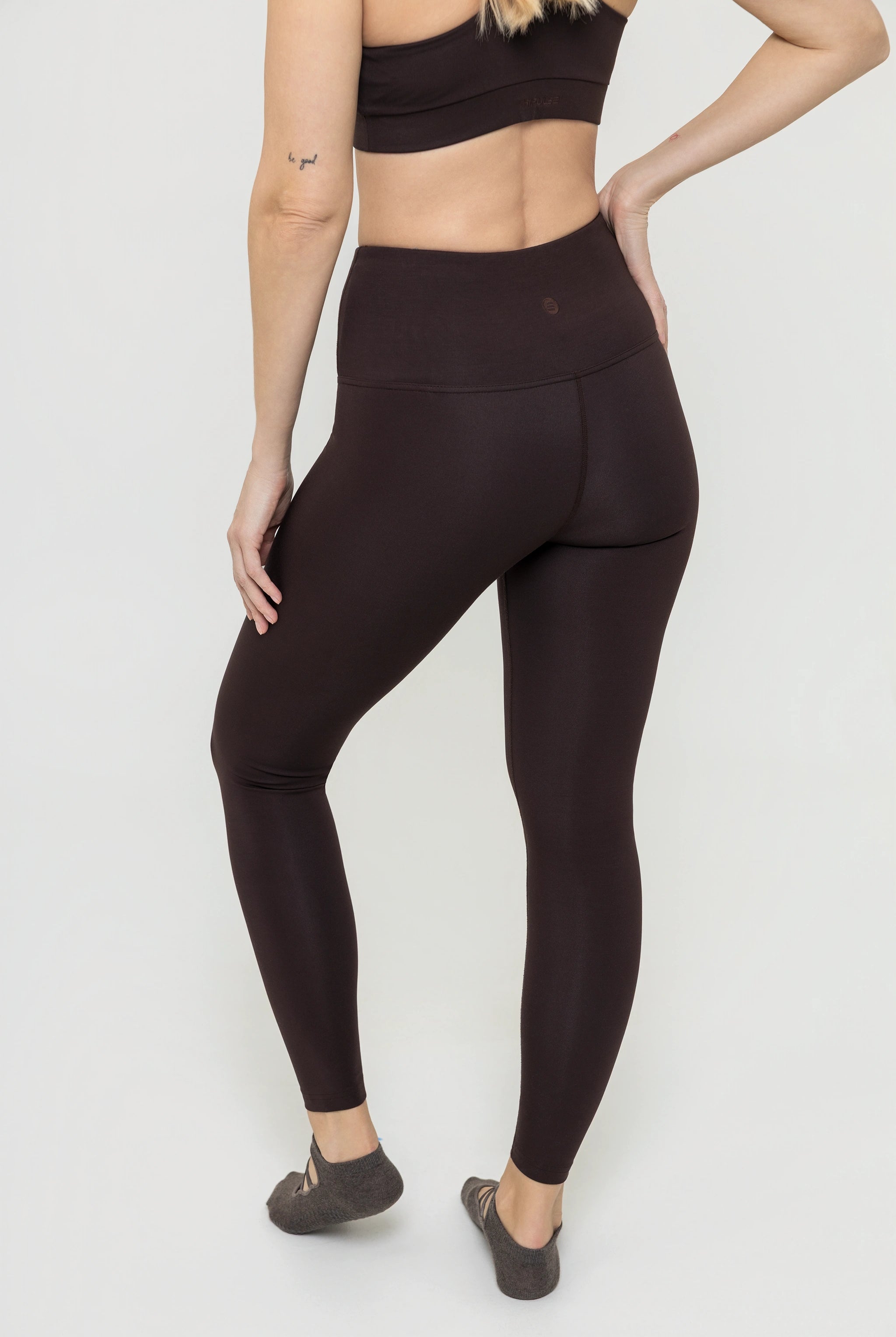
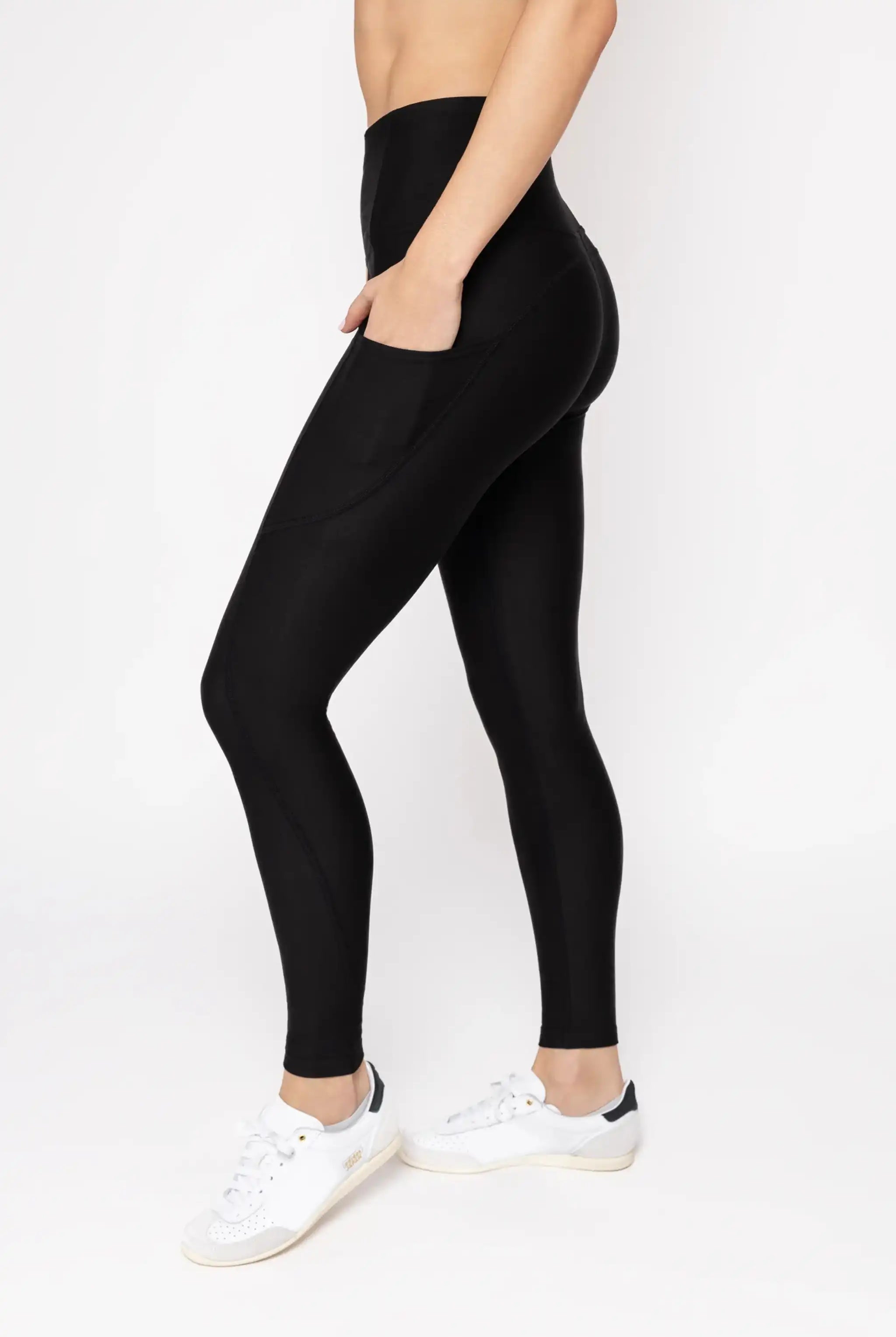
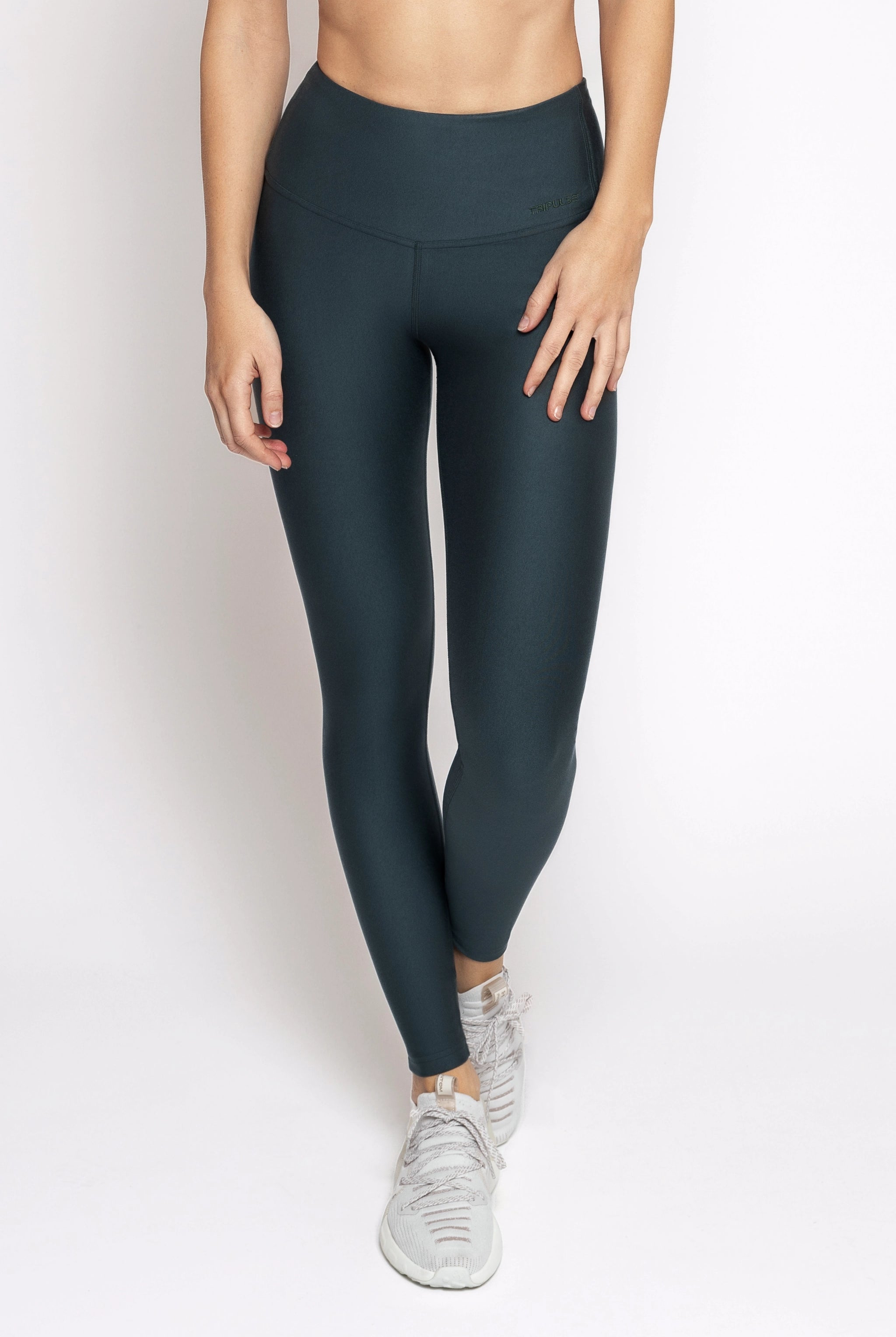
Tripulse Pro Leggings, for example, are independently tested by Bureau Veritas with zero PFAS, PFOA and BPAs detected.
✓ Manufacturing: EU production and strict chemical standards
Where your activewear is made may affect what goes into it. The EU has some of the strictest chemical regulations in the world so choosing European-made activewear certified under REACH standards adds an extra layer of reassurance.
Explore Tripulse certifications and standards.
✓ Verified performance data: proof, not promises
Look for brands that can back up performance claims with real customer data across the areas that matter most in a workout: breathability, moisture-wicking, compression, skin comfort, odor resistance and how well it holds up over time.

Does PFAS-free activewear perform well for high-intensity workouts?
Yes — PFAS-free activewear can perform at every workout intensity, but it depends on the fabric, composition and construction.
It's understandable to worry that moving away from conventional activewear might mean losing the support, fit or performance you're used to. Many cleaner alternatives do fall short, especially once sweat, heat and repeated washing come into play.
But clean and high-performing don't have to be a trade-off. Advanced natural performance fabrics like TENCEL™ Lyocell can be breathable, moisture-managing, comfortable and workout-ready without relying on PFAS or heavy chemical treatments.

PFAS-free activewear: what our customer study revealed
At Tripulse, we wanted to know whether our advanced performance grade TENCEL™ Lyocell activewear could genuinely compete with traditional synthetic and natural pieces.
In 2026, we asked 51 verified customers to compare their Tripulse activewear with the activewear they normally wore. Most had worn their Tripulse pieces for at least three months across running, gym training, yoga, Pilates and everyday wear.
Here's what they found:
- 88% of customers rated Tripulse more breathable than synthetic activewear during high-intensity exercise.
- 50 out of 51 customers reported zero skin irritation while wearing Tripulse activewear.
- 86% of customers wore their Tripulse activewear multiple times before washing.
- 94% of customers rated Tripulse activewear fit and shape retention positively.
The takeaway? Going PFAS-free doesn't have to mean compromising on comfort, support or performance. When the right fabric, construction and standards come together, advanced natural performance fabrics like TENCEL™ Lyocell can match — and even outperform — conventional options.
Read the full Tripulse Performance Study.
Worth knowing: Every Tripulse piece is backed by a 45-day performance guarantee, giving you time to see how it performs in your workouts and daily life.
Looking for a Lululemon alternative?
We hear the same concern time and time again: "Will anything else feel and perform as good?" These are some of the things our customers told us after trying Tripulse TENCEL™ Lyocell activewear.
"I was afraid I'd never find leggings as comfortable as Lululemon. No more lulu for me."
— Kristen R., verified customer
"I was a huge fan of Lululemon for their comfort, performance and fit. I've been searching for an alternative and fell short — until now. These are the closest fit and style and a way better option."
— Michelle C., verified customer
Designed for comfort, performance and every workout.

FAQs
What's a good non-toxic, PFAS-free alternative to premium synthetic activewear?
If you love the fit and performance of premium synthetic activewear but want a more natural alternative, look for activewear that keeps TENCEL™ Lyocell dominant (80%+), uses a skin-safe elastane such as ROICA®, and independently tests the finished garment.
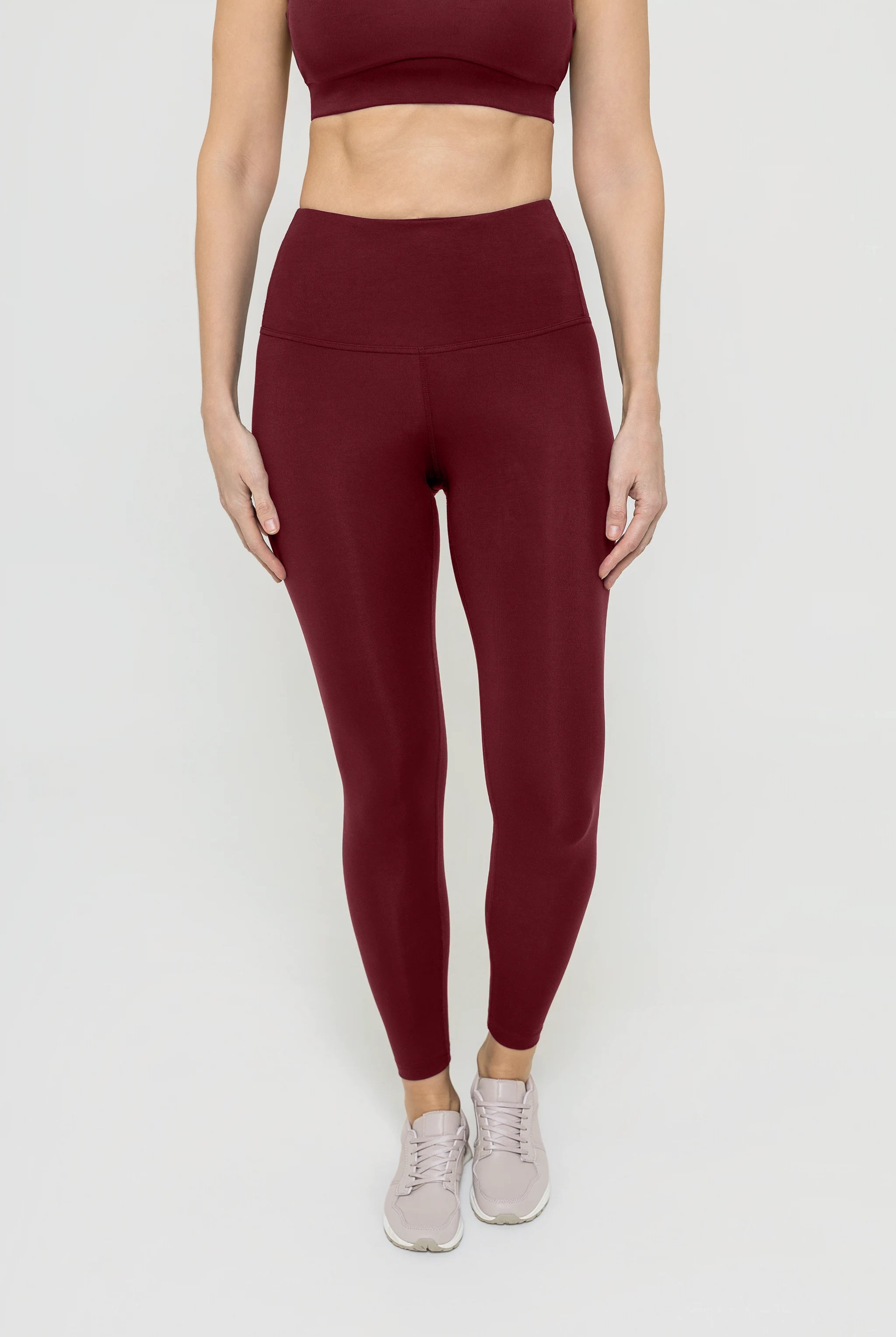
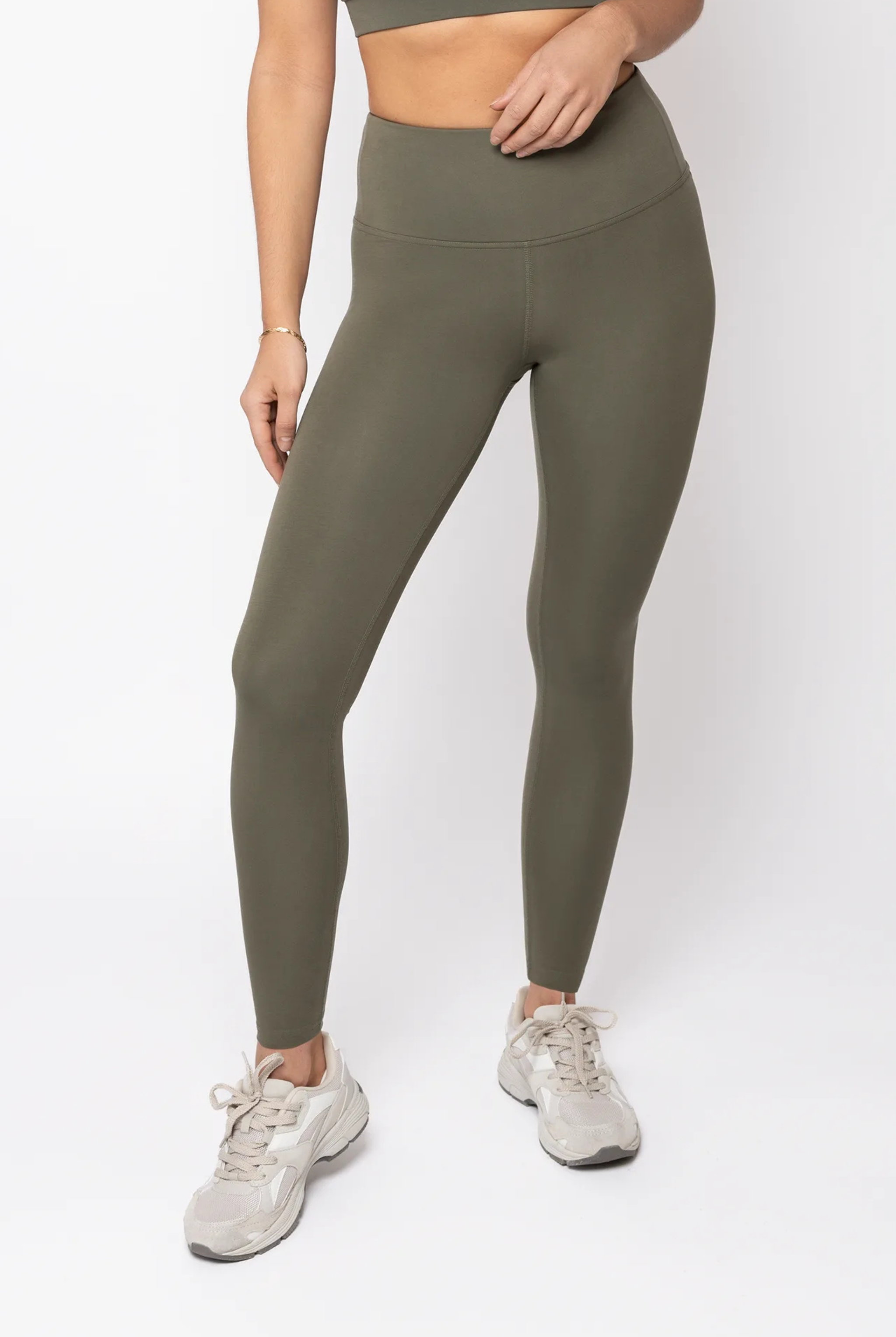
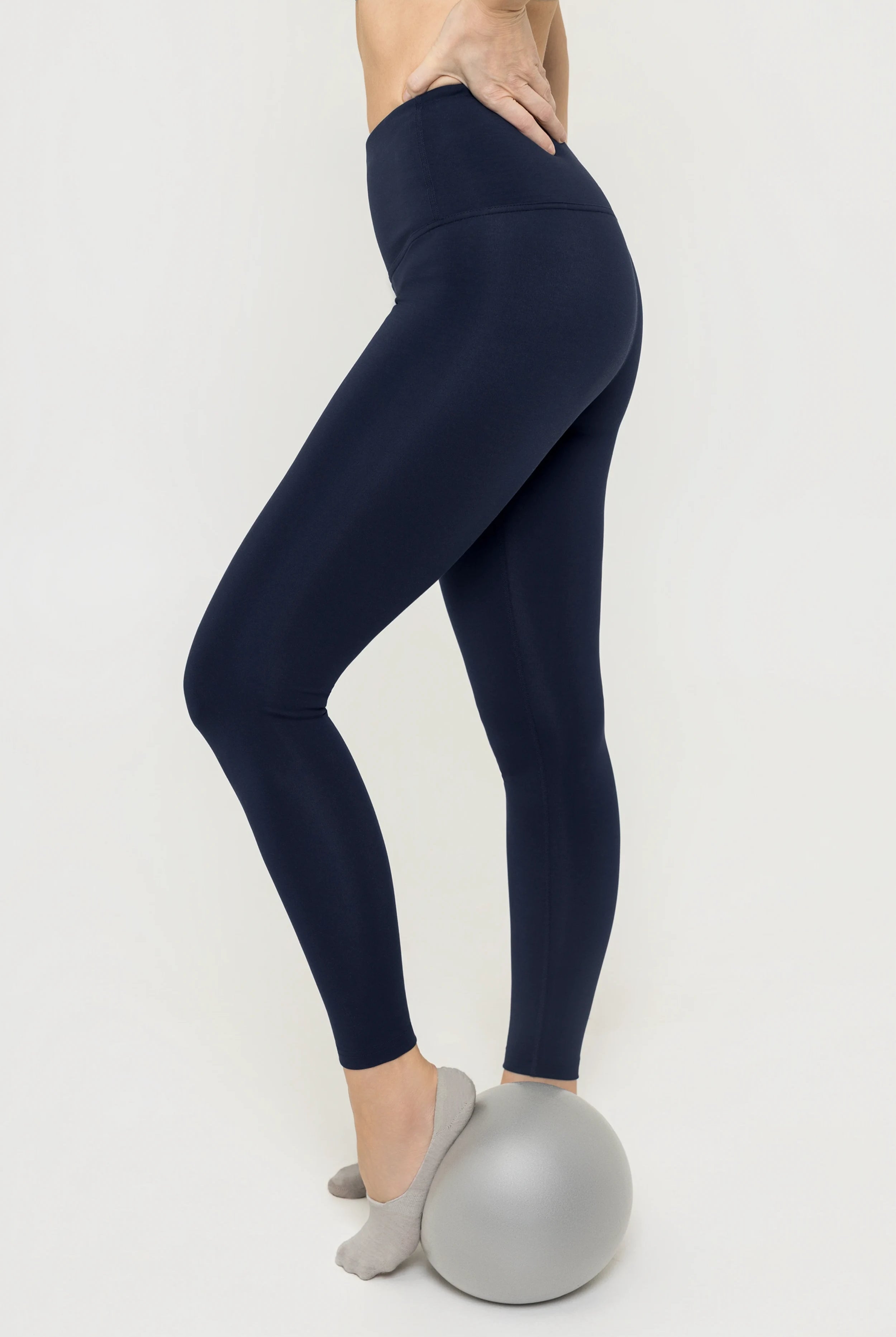
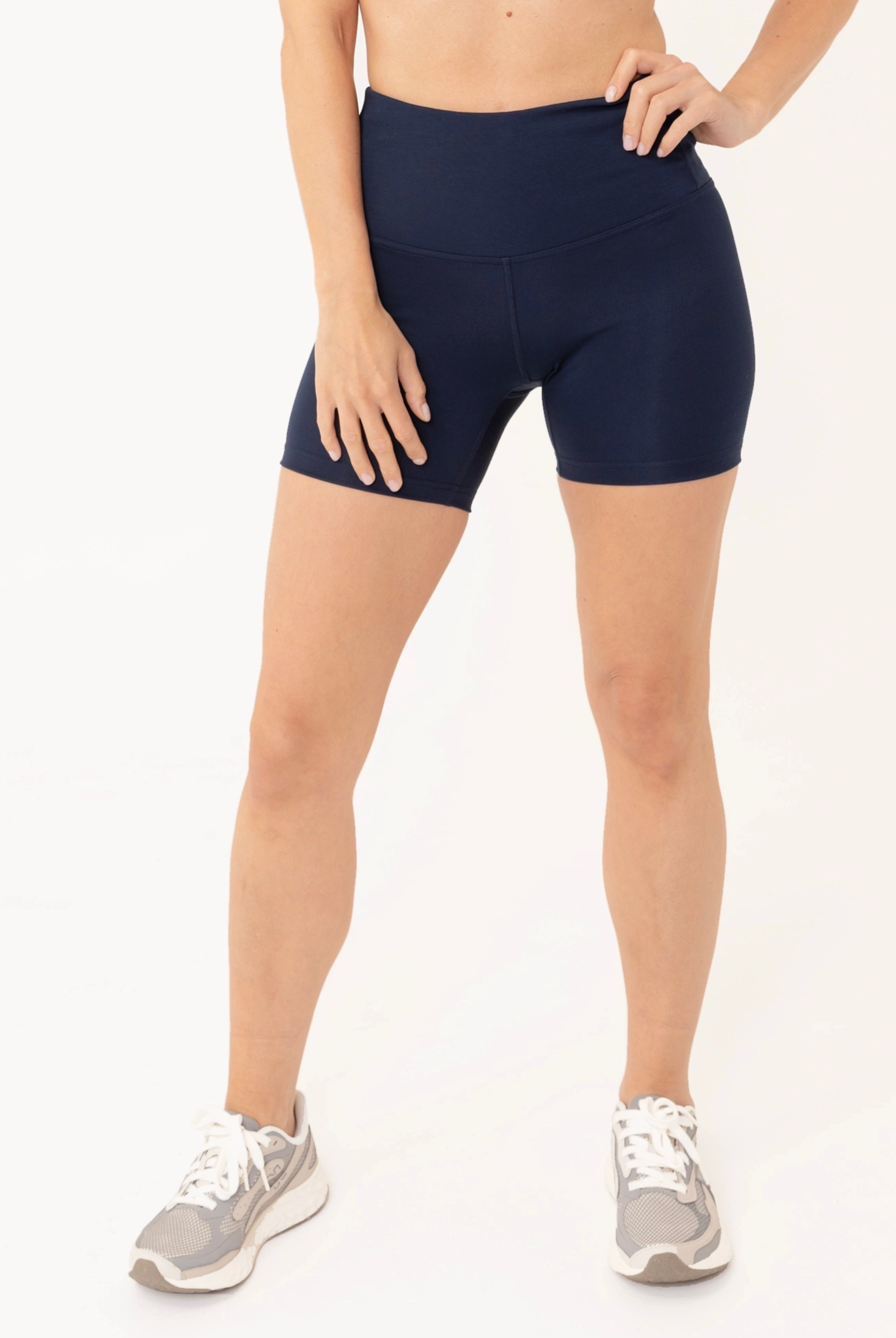
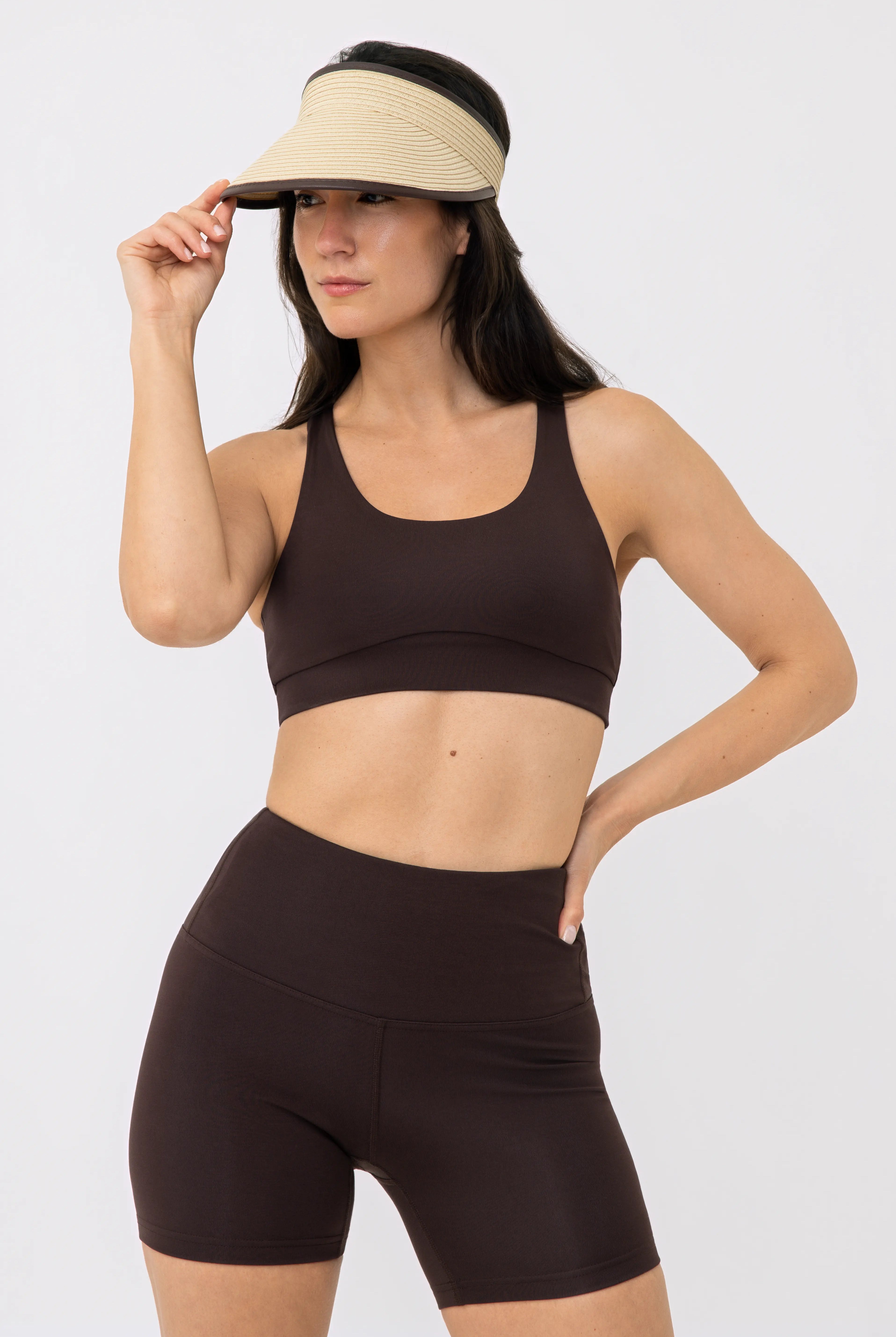
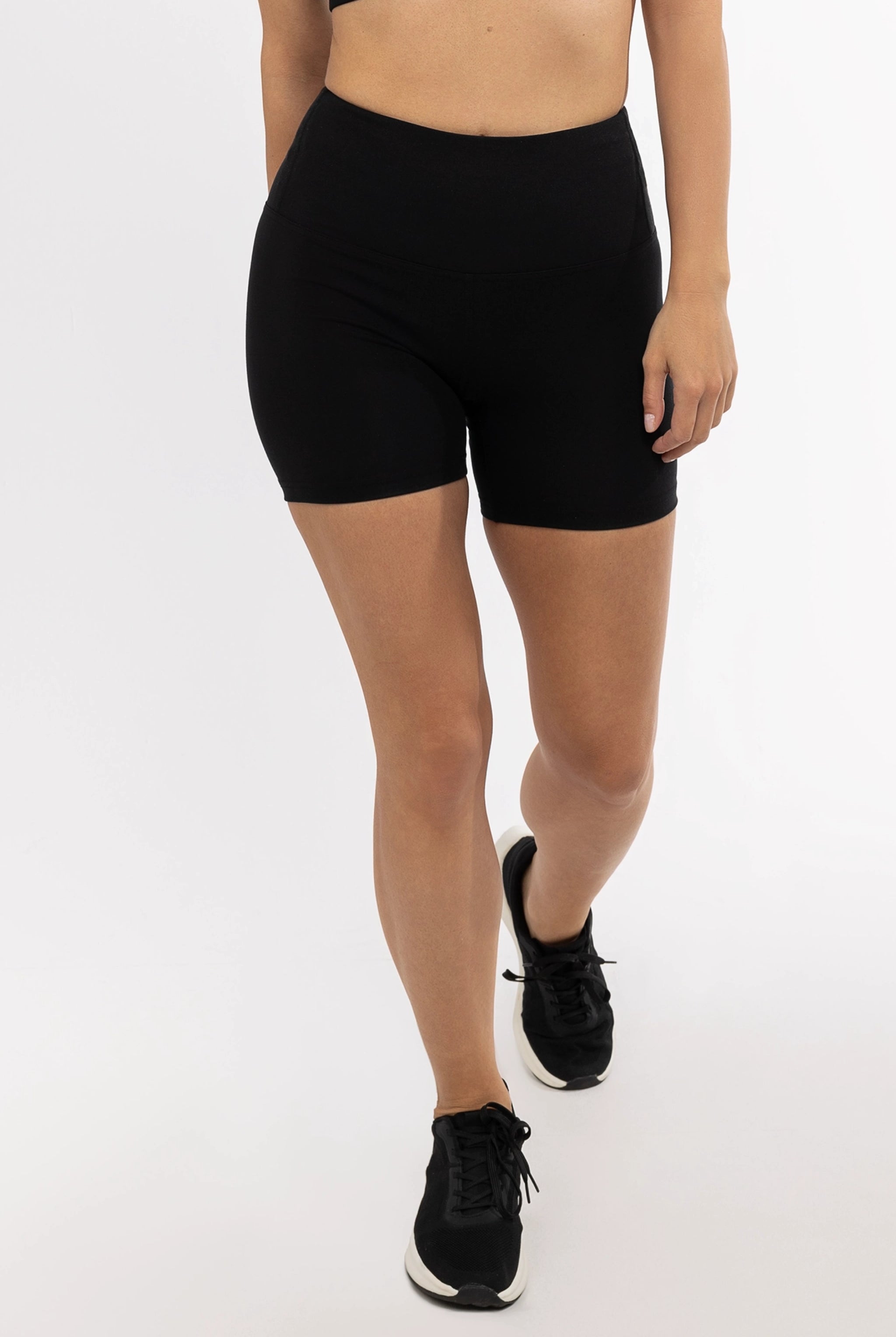
Tripulse's Pro Leggings, for example, are the piece switchers most often compare to the Lululemon Align — 86% TENCEL™ Lyocell with 14% ROICA® eco-elastane, OEKO-TEX® certified, and Bureau Veritas tested with zero PFAS, PFOA or BPAs detected.
Is organic cotton a good alternative for high-sweat or high-intensity workouts?
Organic cotton is a better choice than conventional cotton, but for high-sweat or high-intensity workouts, it's not the strongest option.
It absorbs moisture but releases it slowly, leaving fabric feeling heavy and damp during training. Lingering moisture also encourages bacterial buildup, which means it tends to retain odor after sweating.
For everyday basics and low-intensity wear, certified organic cotton is a solid choice. For workouts, TENCEL™ Lyocell manages moisture more effectively and stays fresher across multiple wears and types of training.
Learn more: TENCEL™ vs Cotton for Activewear
Do I need to throw out my current activewear?
No — if you're worried about PFAS in your activewear, there's no need to throw everything out at once. It's neither practical nor sustainable.
Finding out your activewear may contain harmful chemicals can feel overwhelming, especially when you've invested in pieces you love. A calmer approach is to replace items gradually, starting with what you wear closest to your skin for the longest periods, like leggings and sports bras. It also spreads the cost, and building up a few pieces you really trust is more realistic than replacing a drawer at once. When it's time to replace something, that's your moment to choose better. Look for durable, naturally high-performing pieces you can rely on across every workout.
Is PFAS-free activewear better for sensitive skin?
PFAS-free activewear can be better for sensitive skin, but it often depends on the fabric. Removing PFAS and other harmful chemical treatments is an important first step, but the fiber itself matters too. Natural alternatives like cotton and merino wool can still cause irritation during exercise, particularly when skin is warm, damp and under friction.
If you have sensitive skin, activewear made with TENCEL™ Lyocell and ROICA® eco-elastane is worth considering. TENCEL™ has a naturally smooth fiber surface that reduces friction and manages moisture effectively, keeping you dry and comfortable through intense workouts. ROICA® is a certified, skin-safe alternative to conventional elastane. In a performance study which tested Tripulse TENCEL™ Lyocell activewear, 50 out of 51 customers reported zero skin irritation.
Learn more: "I Can Work Out Again": Real stories from customers with sensitive skin
Final thoughts on high-performing PFAS-free activewear
Your health matters. So does your workout. You shouldn't have to choose between the two.
PFAS-free activewear doesn't have to mean settling for less. With the right fabric, high standards and proven performance, it can keep up with every workout while giving you greater confidence in what sits against your skin.
That's the standard we set out to create at Tripulse.
Performance and clean aren't a trade-off. They never had to be.

About the contributors
Written by Christie Johnson, a wellness and sustainability writer who has been publishing since 2020. Since 2023 she has written about performance fabrics, skin health and chemical safety in activewear. A certified Pilates teacher, she trains and teaches in Tripulse TENCEL™ Lyocell activewear, giving her first-hand experience of how natural fabrics perform during training.
Developed with Franziska Mesche, Founder and CEO of Tripulse. Since 2019 she has sourced and tested a wide range of natural and synthetic activewear fabrics, working directly with leading fabric innovators and EU mills on material development, testing and certification. Years of hands-on product development have built her practical expertise in how performance materials behave in real athletic use.
All material, certification and performance claims are verified by Franziska Mesche before publication.