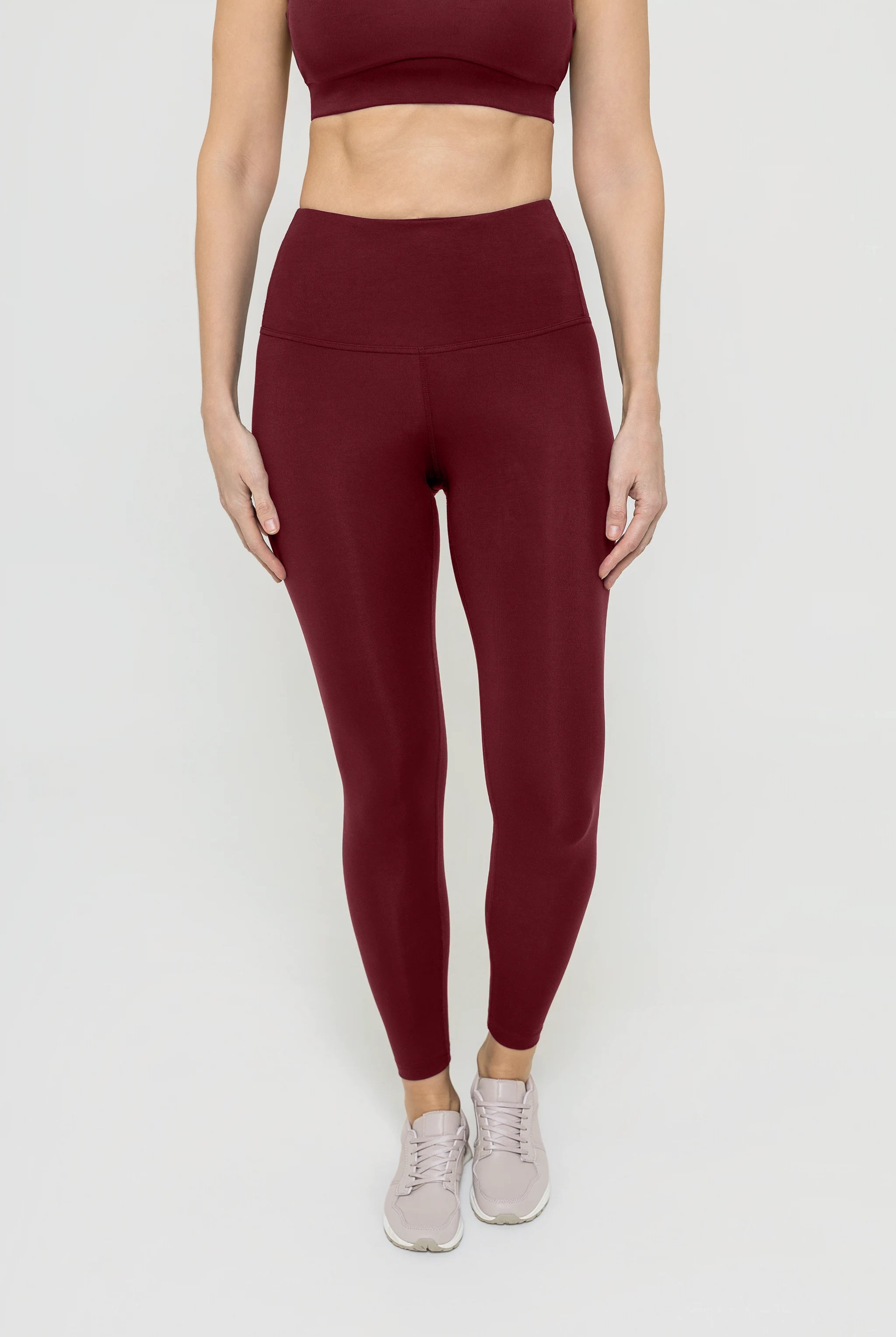
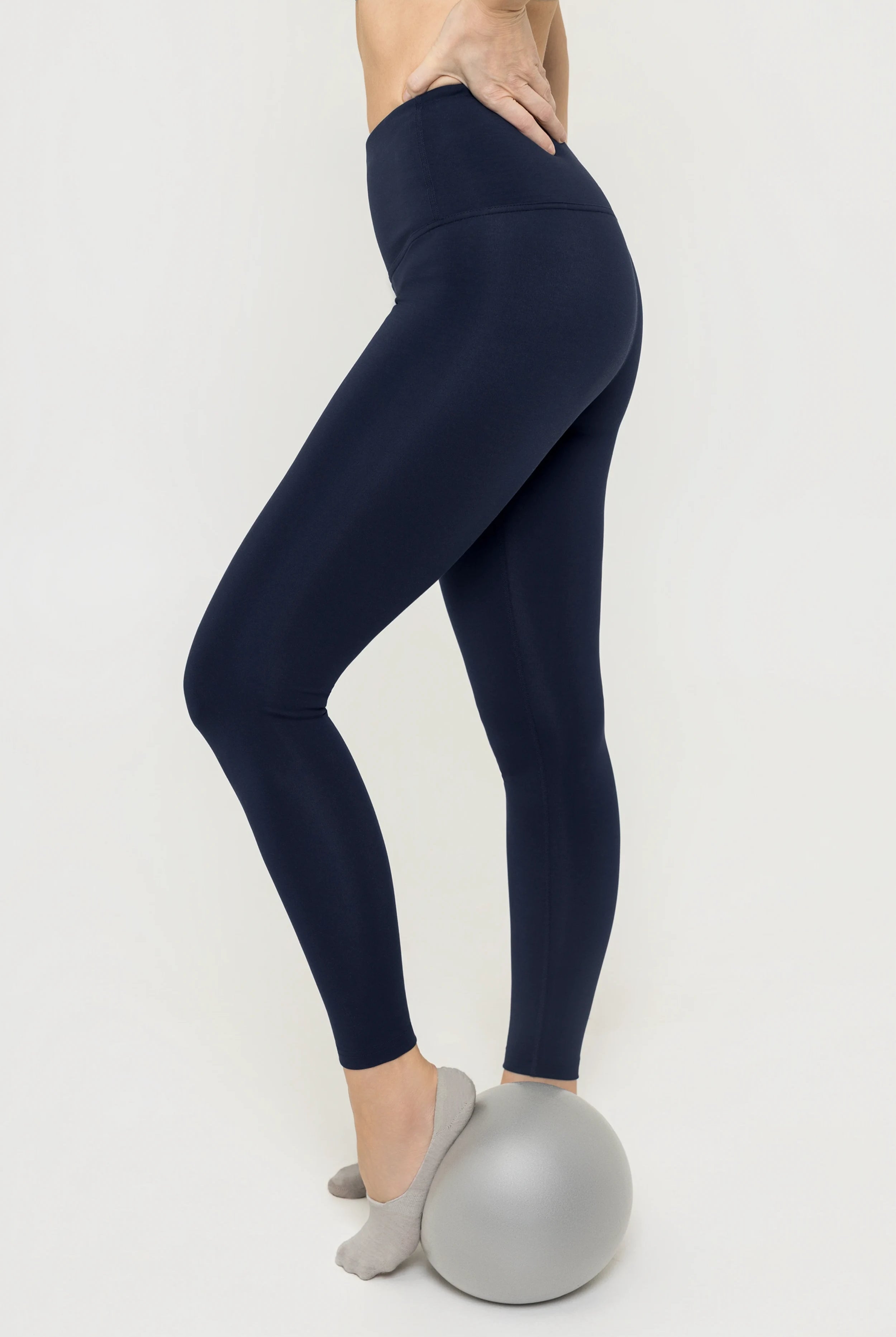
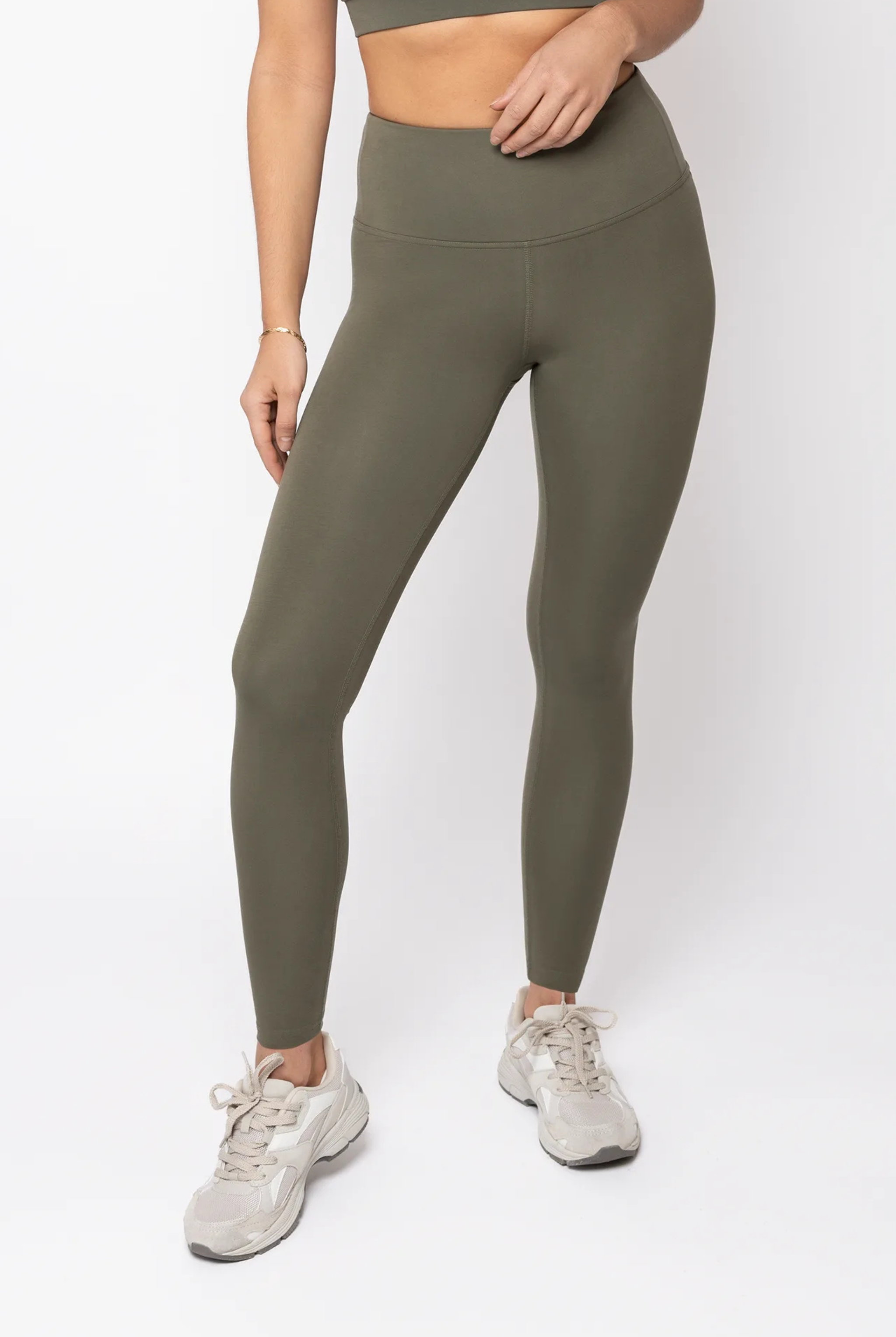
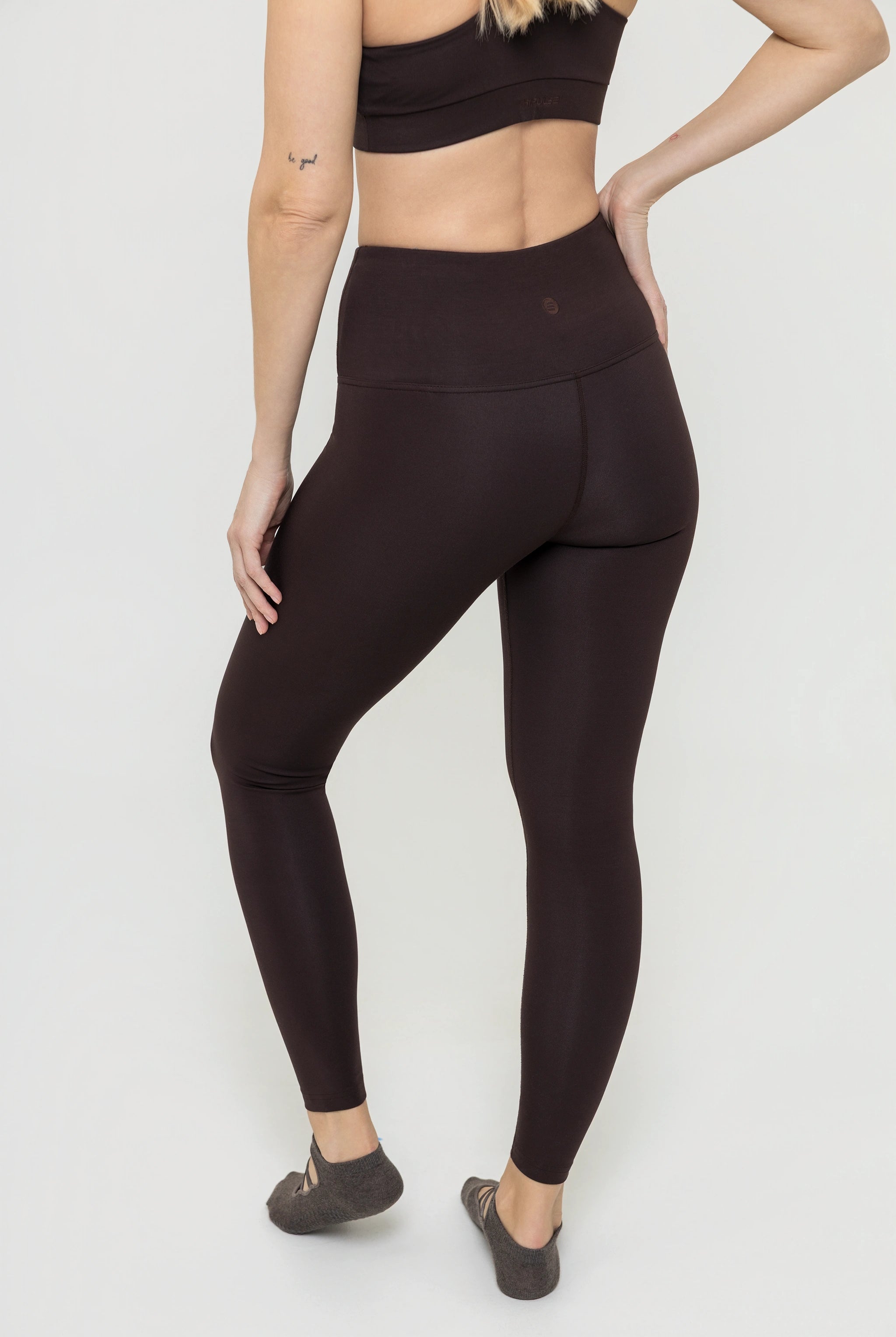
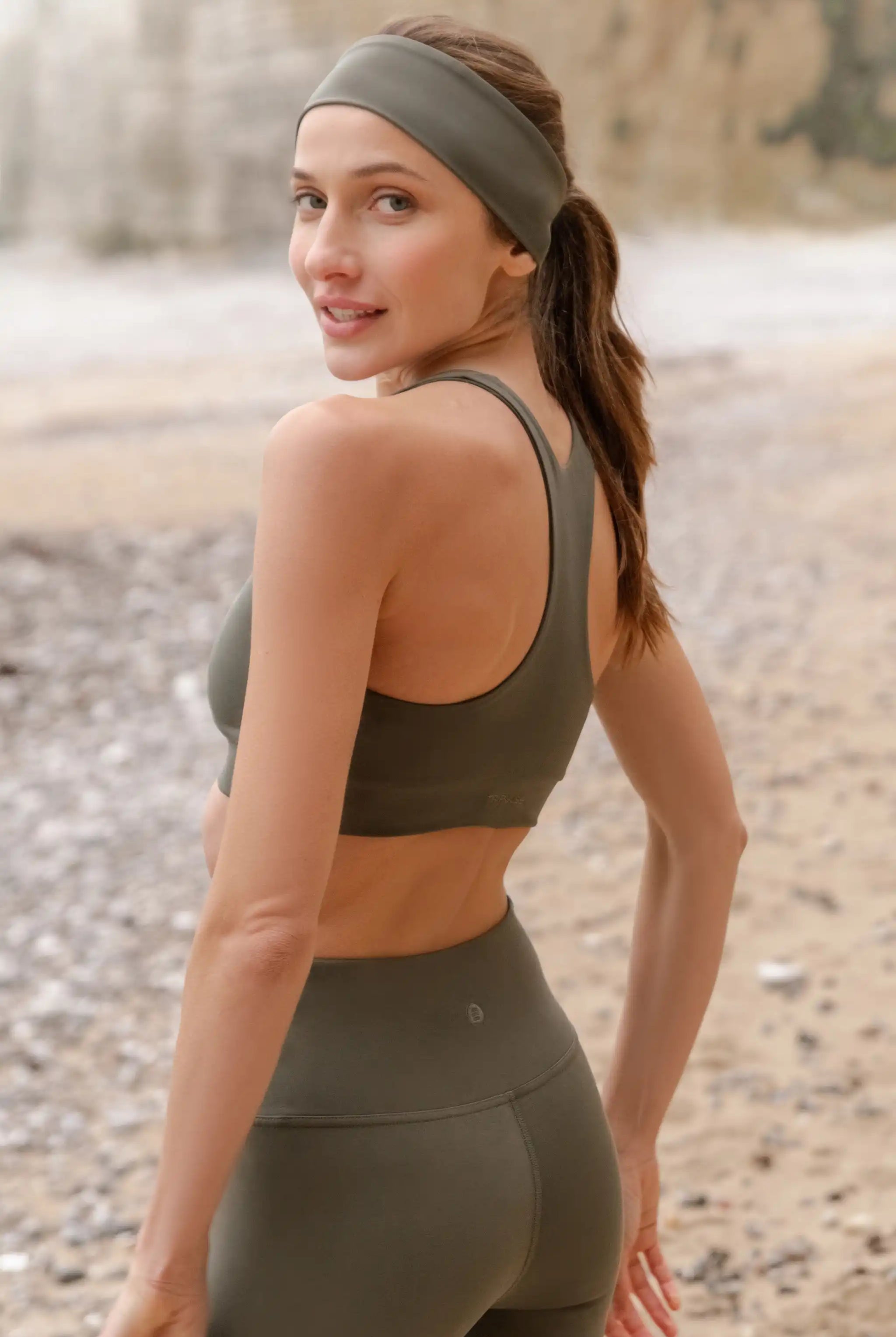
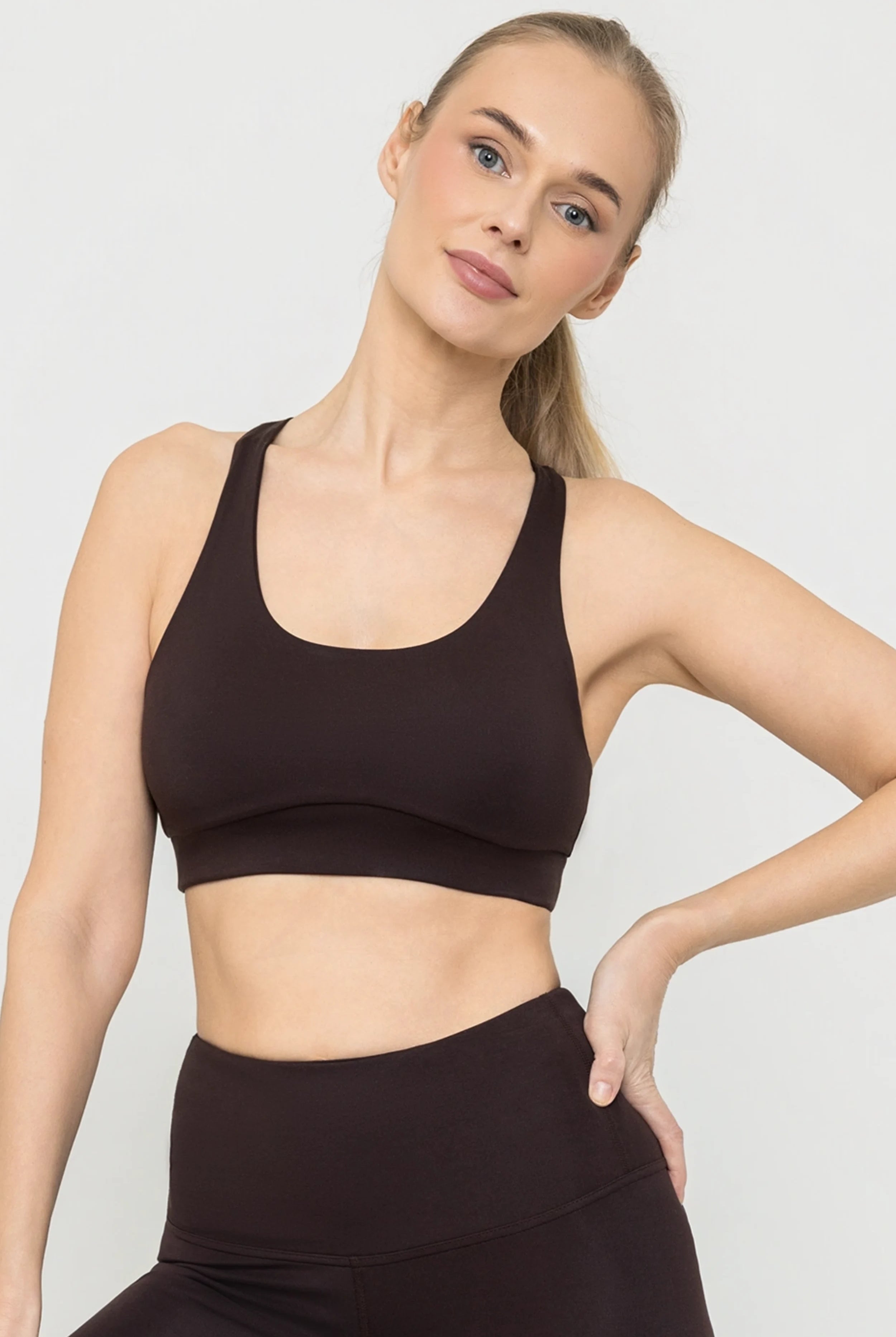
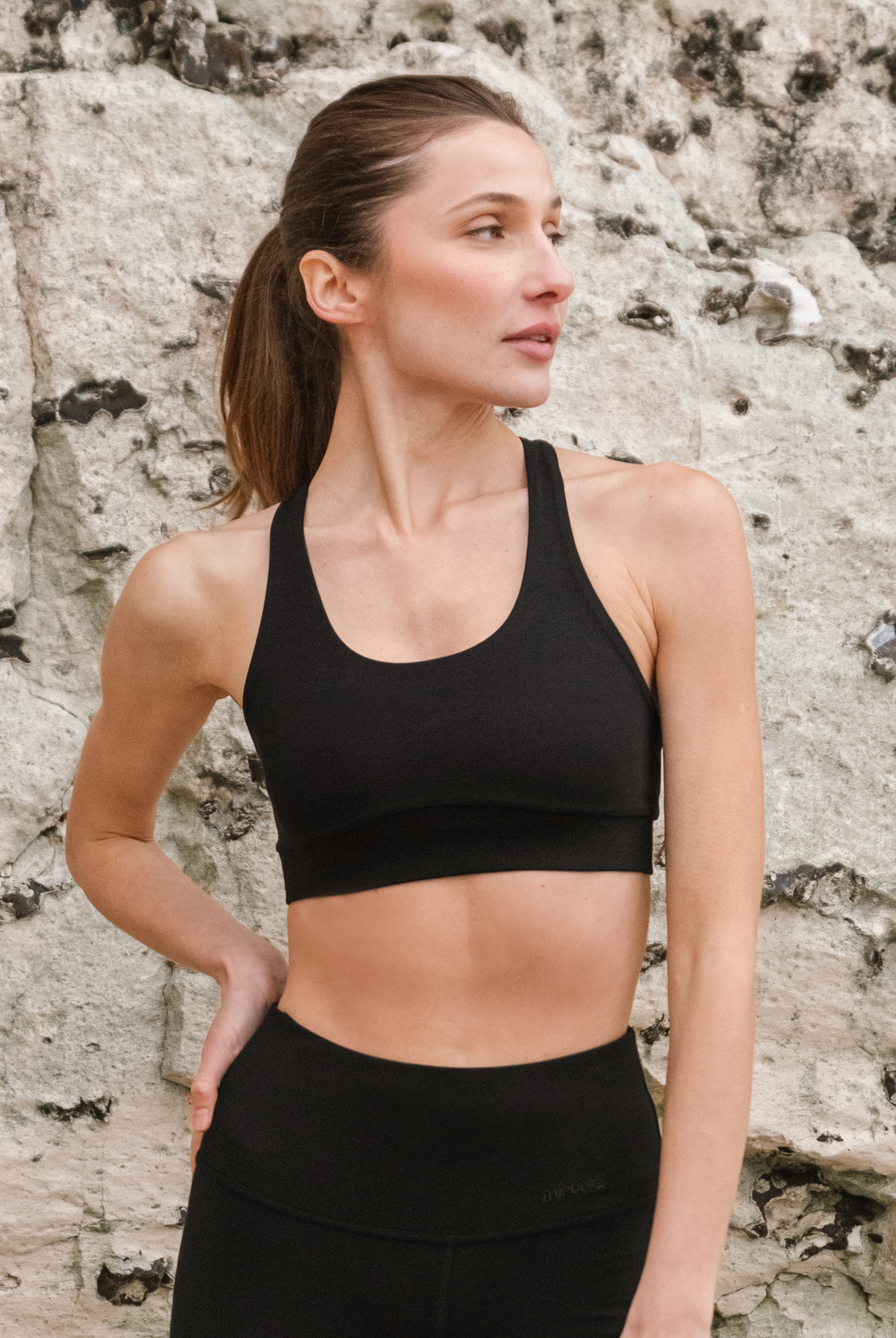
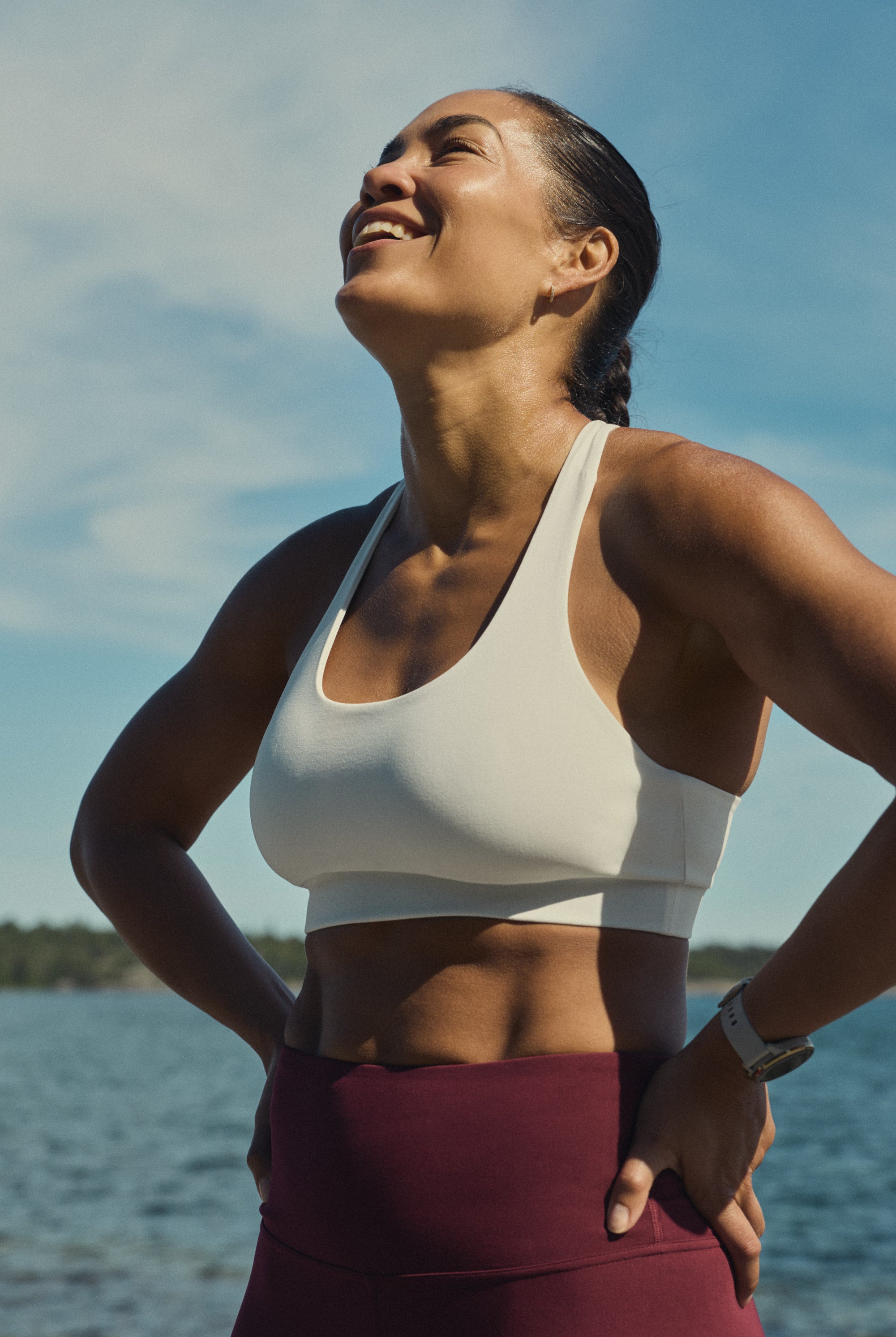
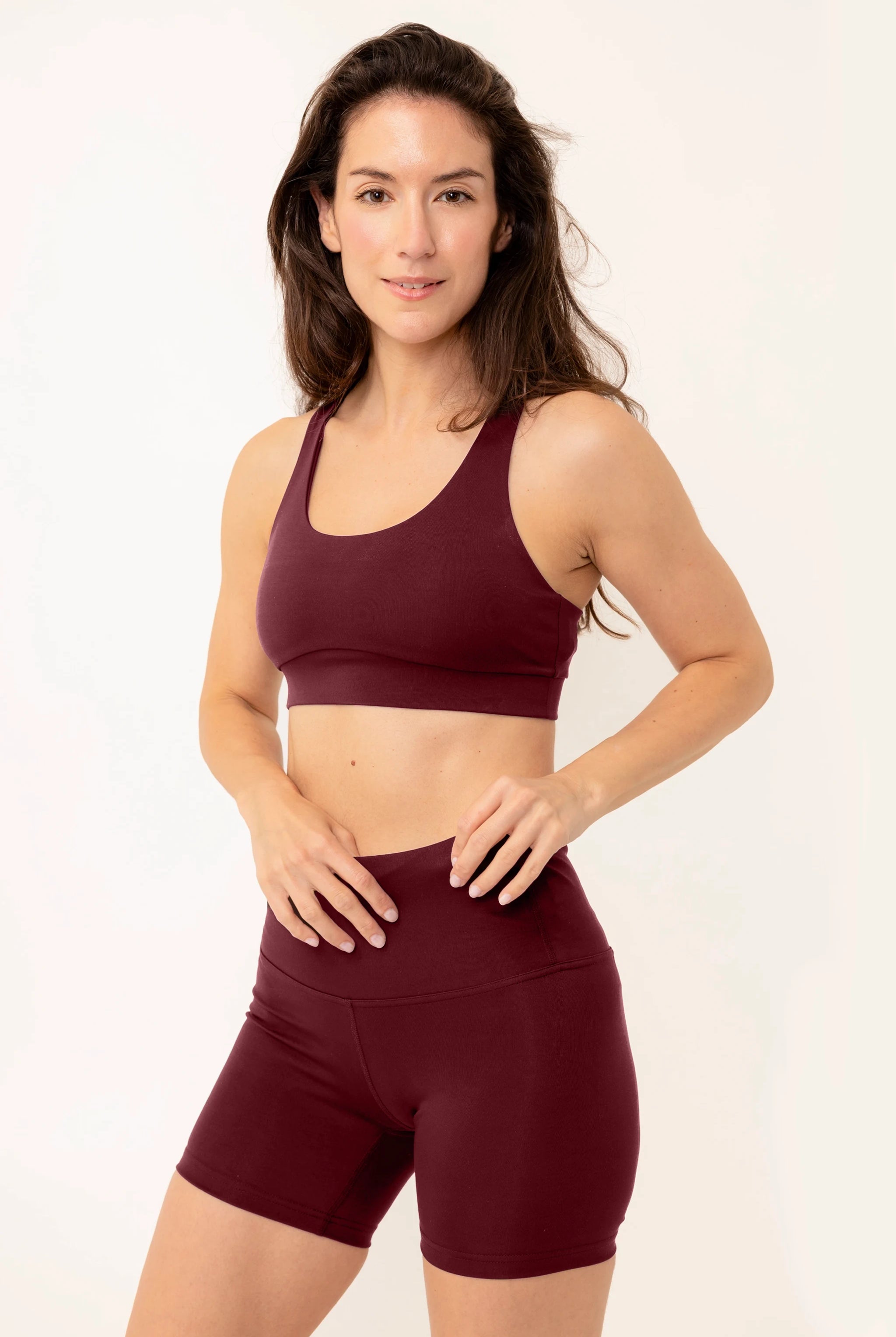
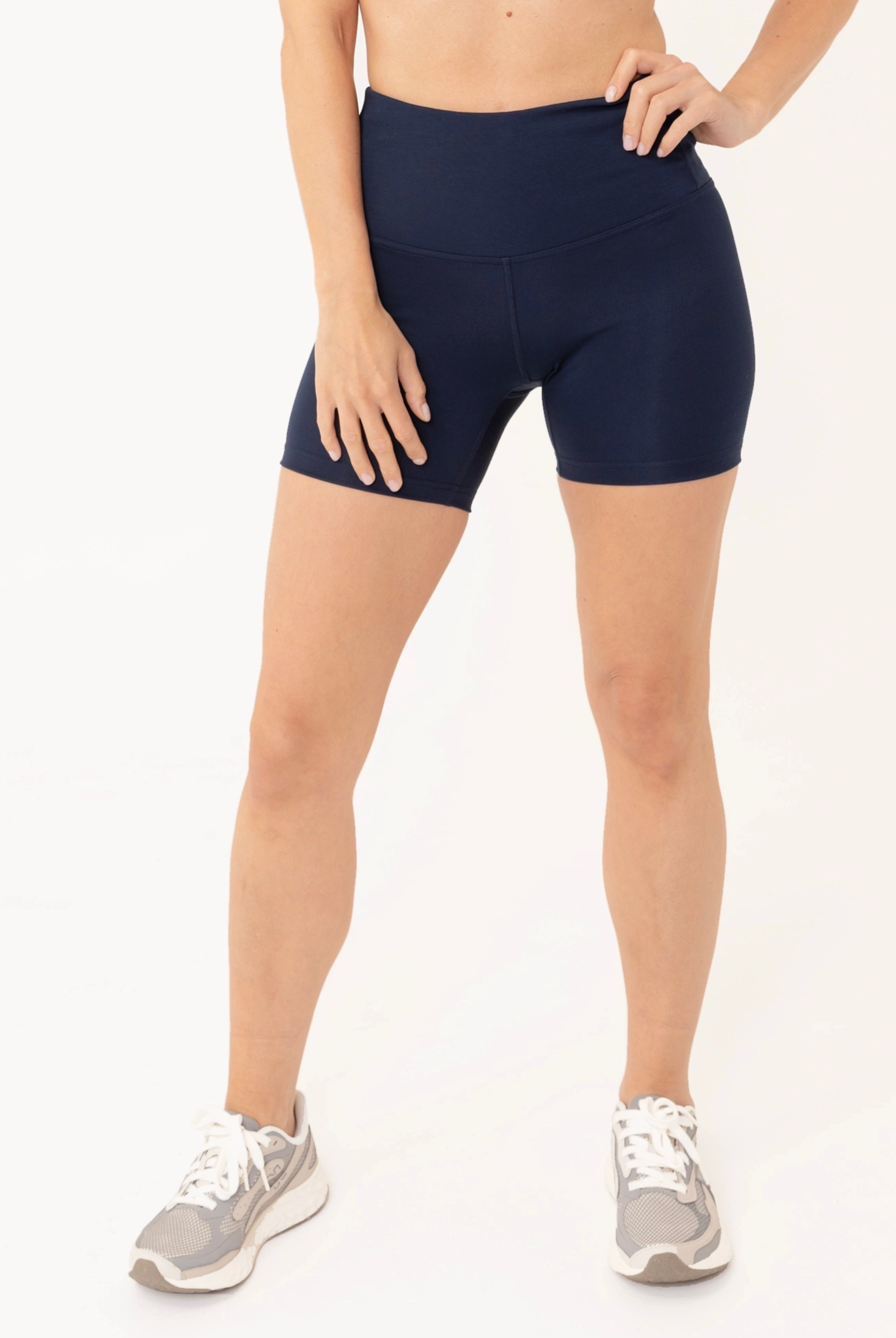
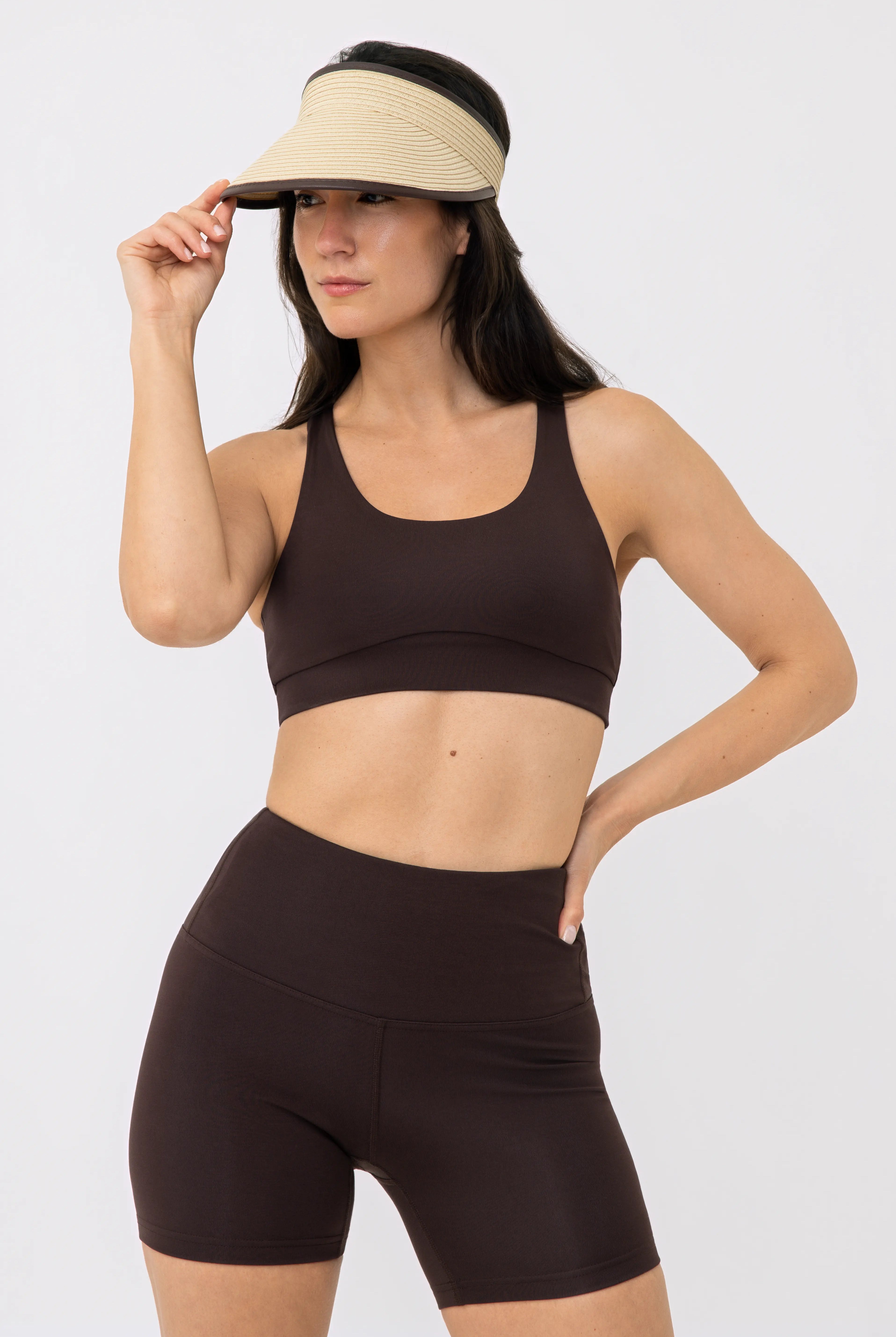
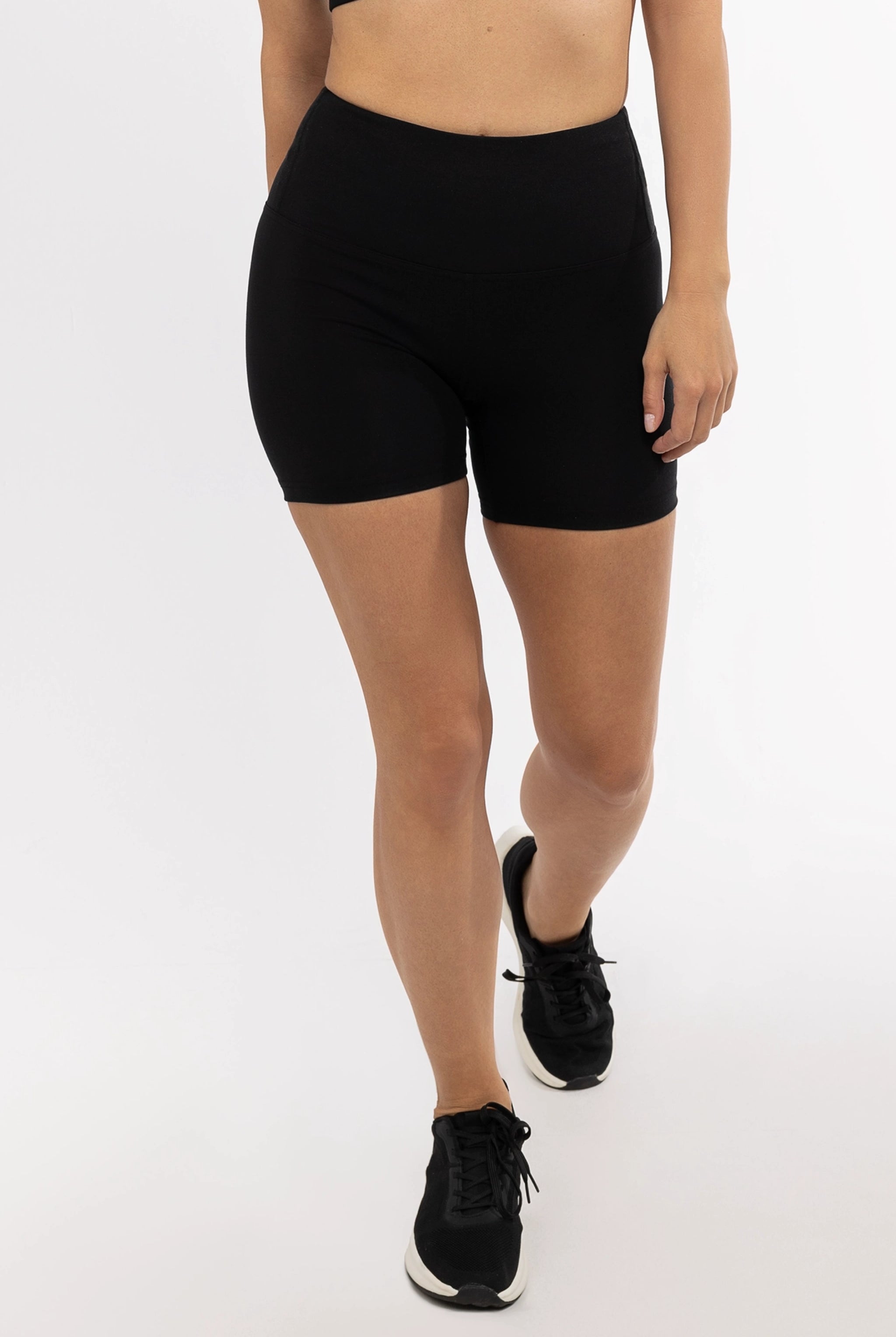
You've probably heard about natural fiber activewear. Maybe you've tried it and been disappointed. Maybe you've read enough to conclude it simply can't compete with the polyester and nylon you already own.
The reality is some natural fibers can let you down when intensity rises. But what if there was an alternative that actually feels and performs better?
In this guide, we compare cotton, linen, hemp, merino wool and TENCEL™ Lyocell for serious training, explain what separates TENCEL™ Lyocell that performs from TENCEL™ Lyocell that doesn't, and share verified data from 51 customers who compared it directly against the activewear they already own.
Table of contents
- Quick summary
- What is the best natural fiber for working out?
- TENCEL™ Lyocell vs synthetic and natural activewear: what the data shows
- Why not all TENCEL™ Lyocell activewear performs the same
- FAQ
- Final thoughts: which natural fiber can replace synthetics for movement?
Quick summary
- TENCEL™ Lyocell is one of the few natural fibers built to keep up with demanding workouts. When made to the right standard, it combines the comfort of natural fibers with the performance of traditional synthetics.
- Not every natural fiber is made for intense movement. Cotton absorbs moisture and stays wet. Linen and hemp are too stiff or coarse for harder sessions. Merino wool can feel itchy on damp skin and heavy in the heat, and is prone to thinning and holes over time.
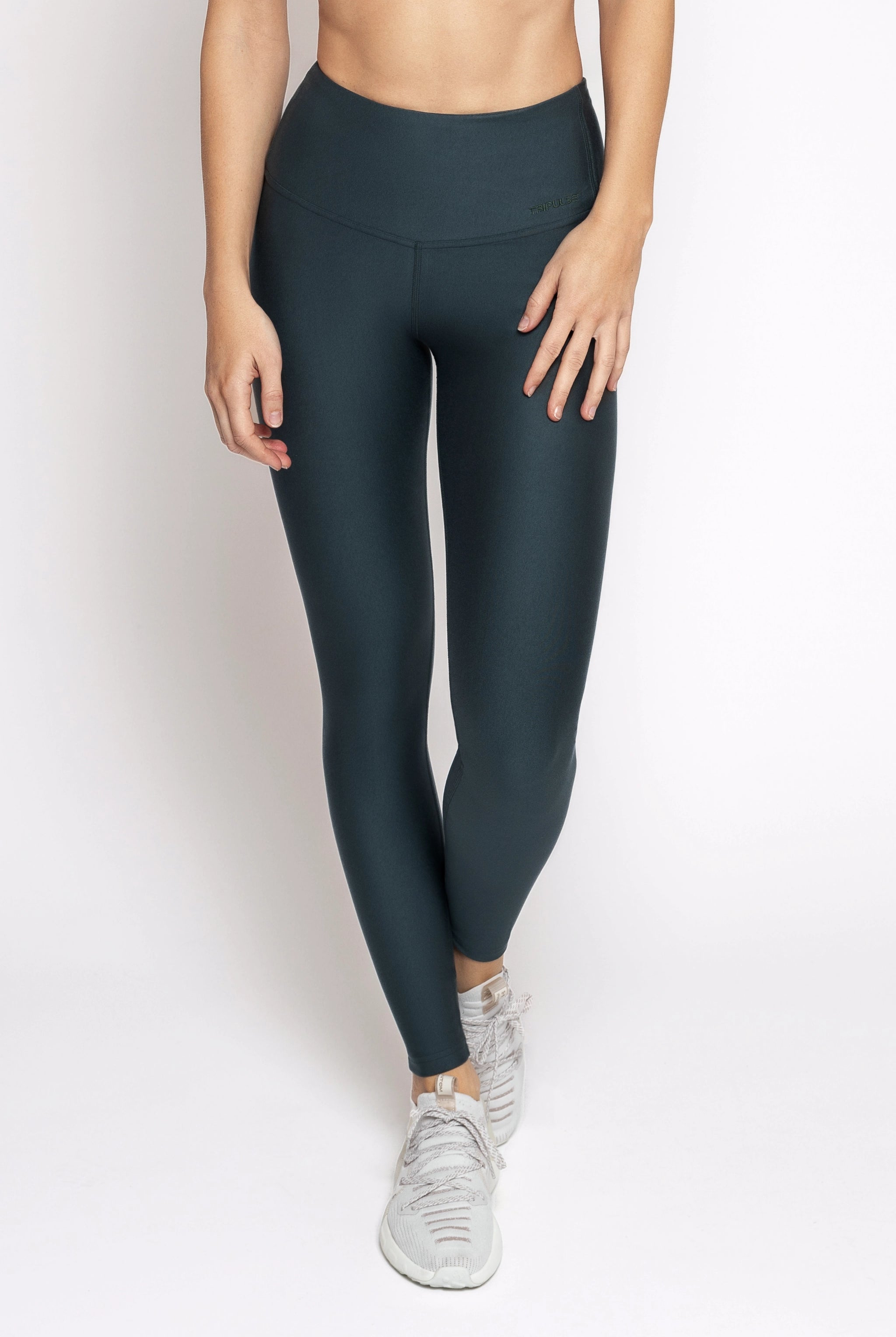
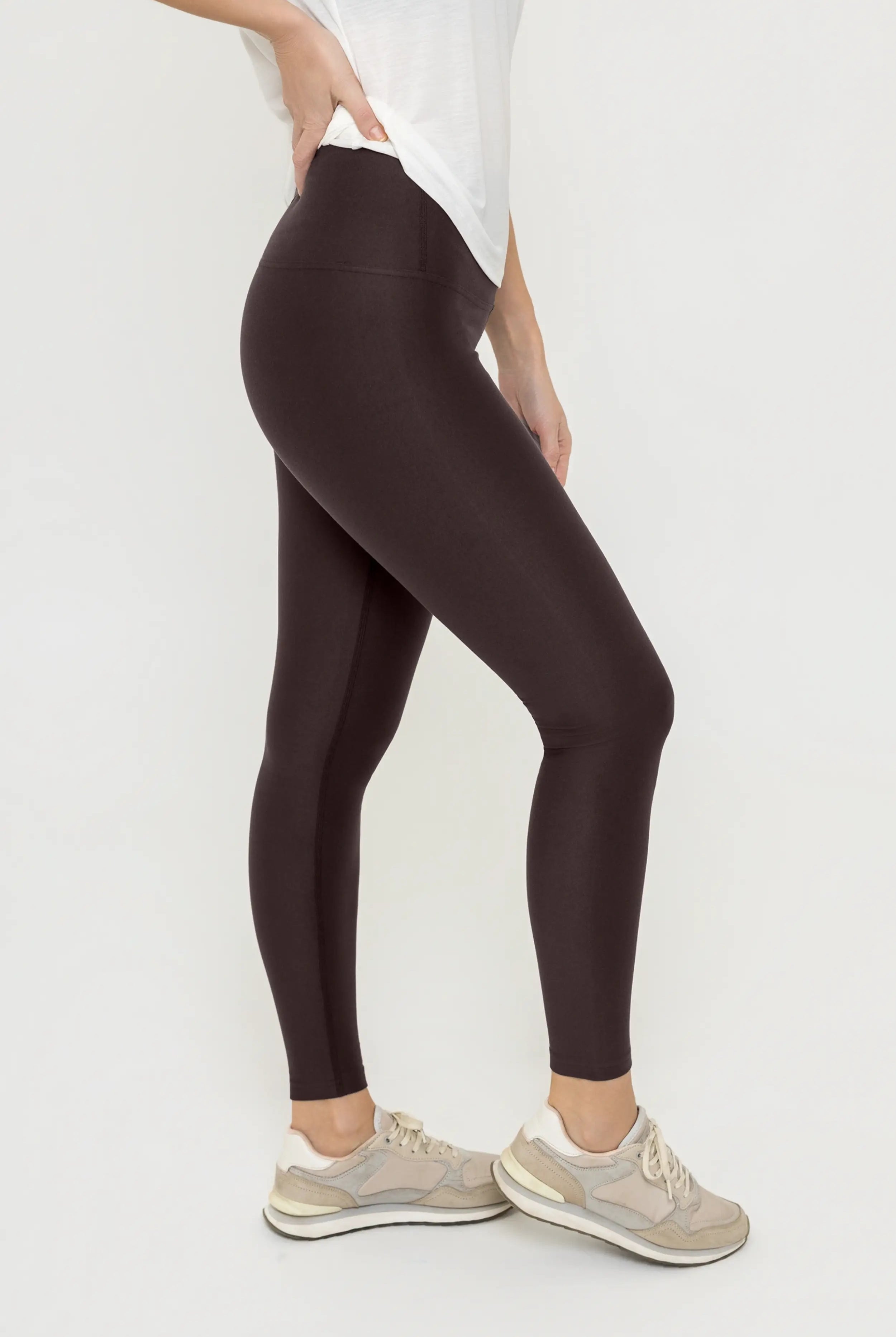
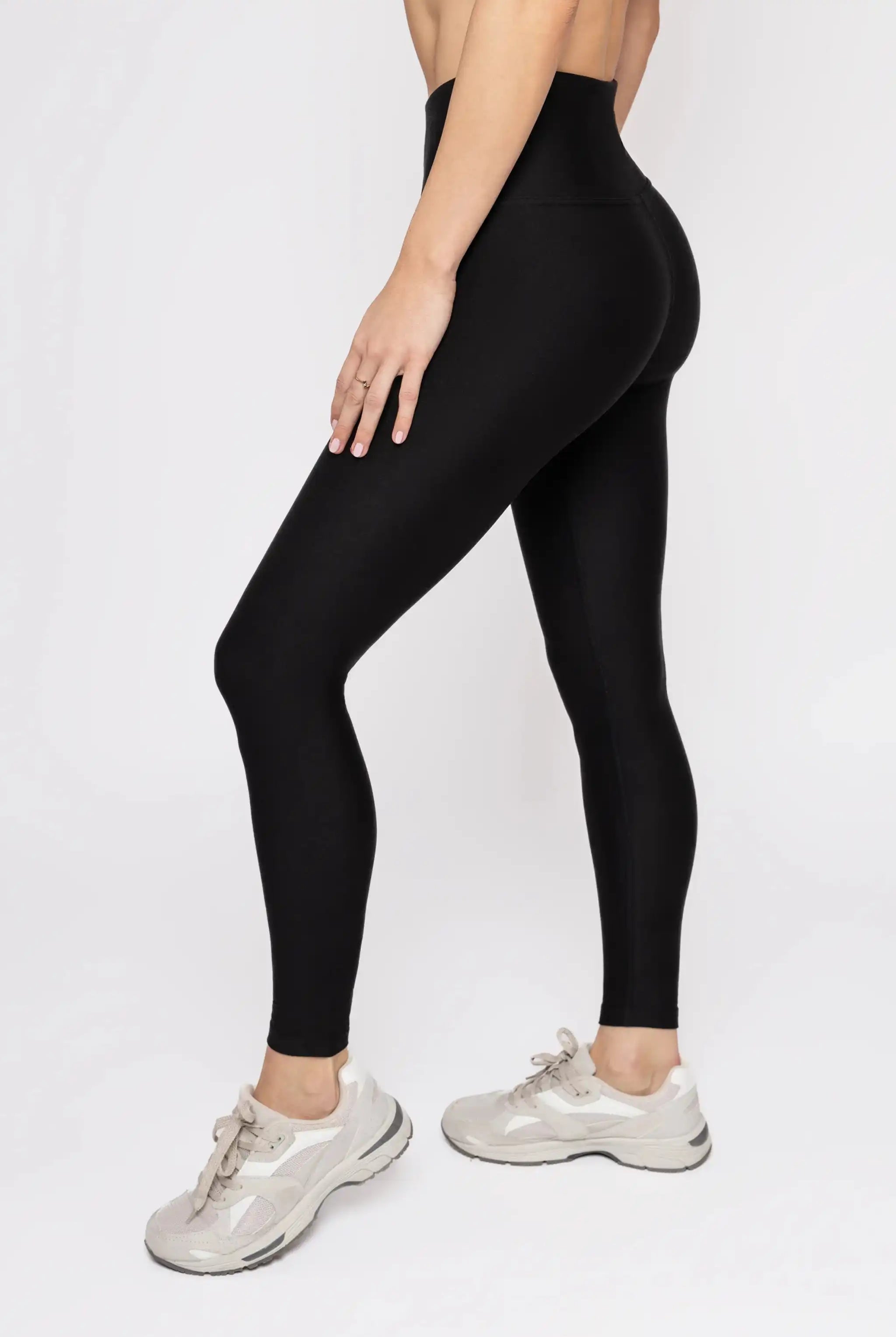
- Choosing TENCEL™ Lyocell is a great start, but how it's made matters just as much. Look for brands that have thought through every detail: 84% TENCEL™ Lyocell or higher, ROICA® eco-elastane over conventional spandex, squat-proof construction and supportive compression, and the data to prove it performs.
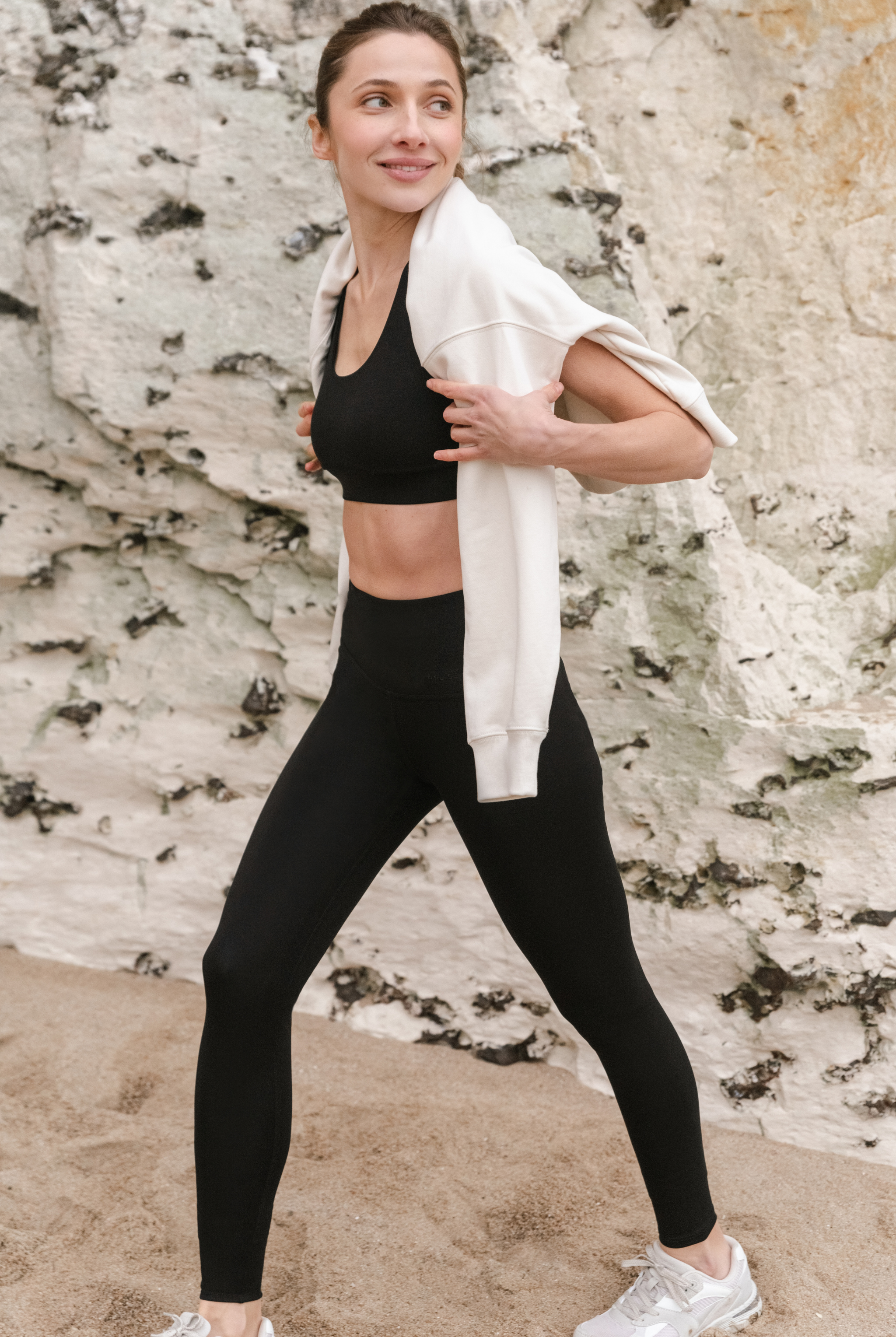
- In a verified performance study, 51 customers put Tripulse TENCEL™ Lyocell activewear to the test against the synthetic and natural activewear they already owned and found it matched or outperformed both on the metrics that matter most for workouts: breathability, moisture wicking, odor resistance, skin comfort and fit.
"With synthetic fabrics I've often felt like I'm trapped in a plastic bag. With TENCEL™ Lyocell it's almost like an extension of your skin."
— Franziska Mesche, founder and CEO of Tripulse
What is the best natural fiber for working out?
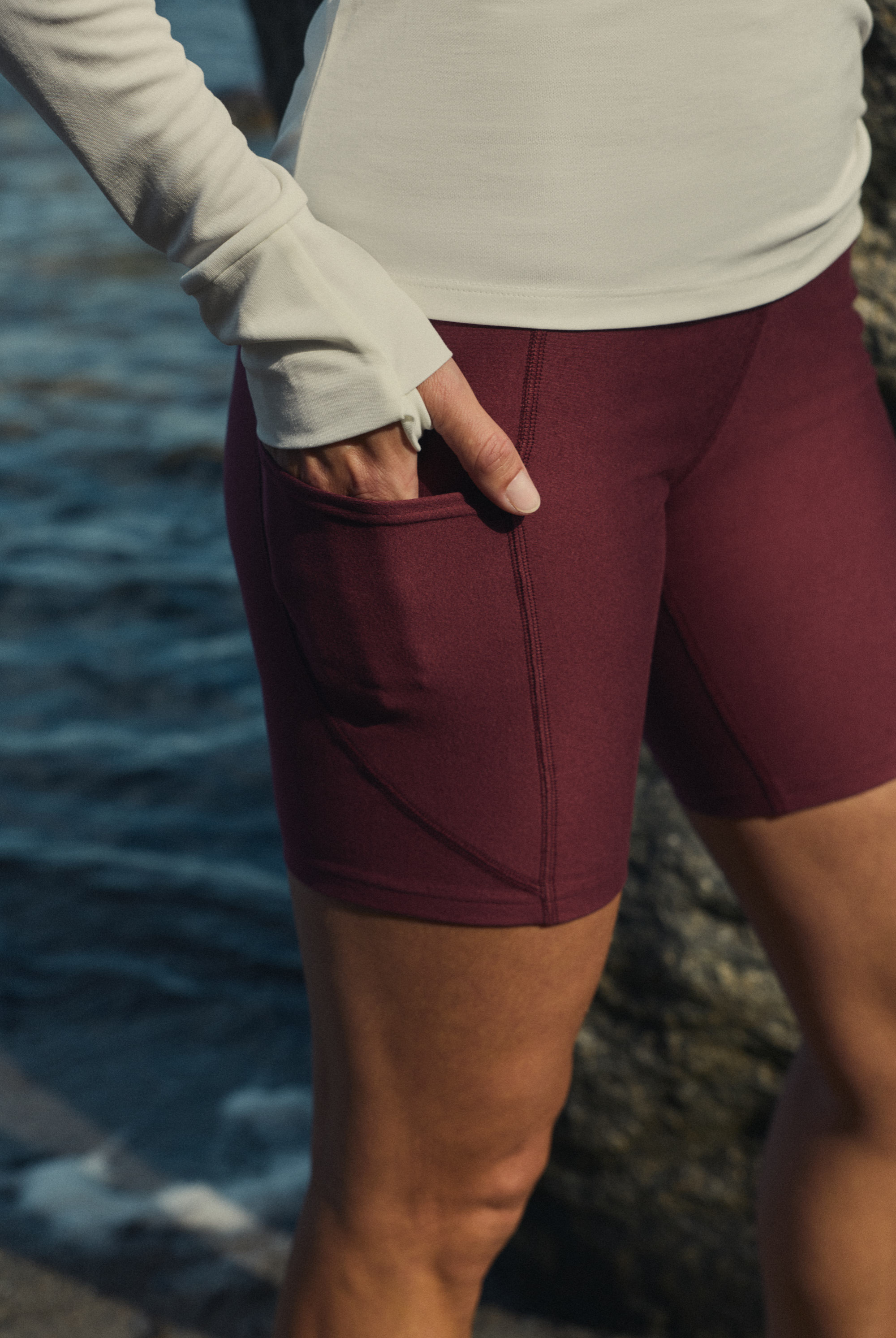
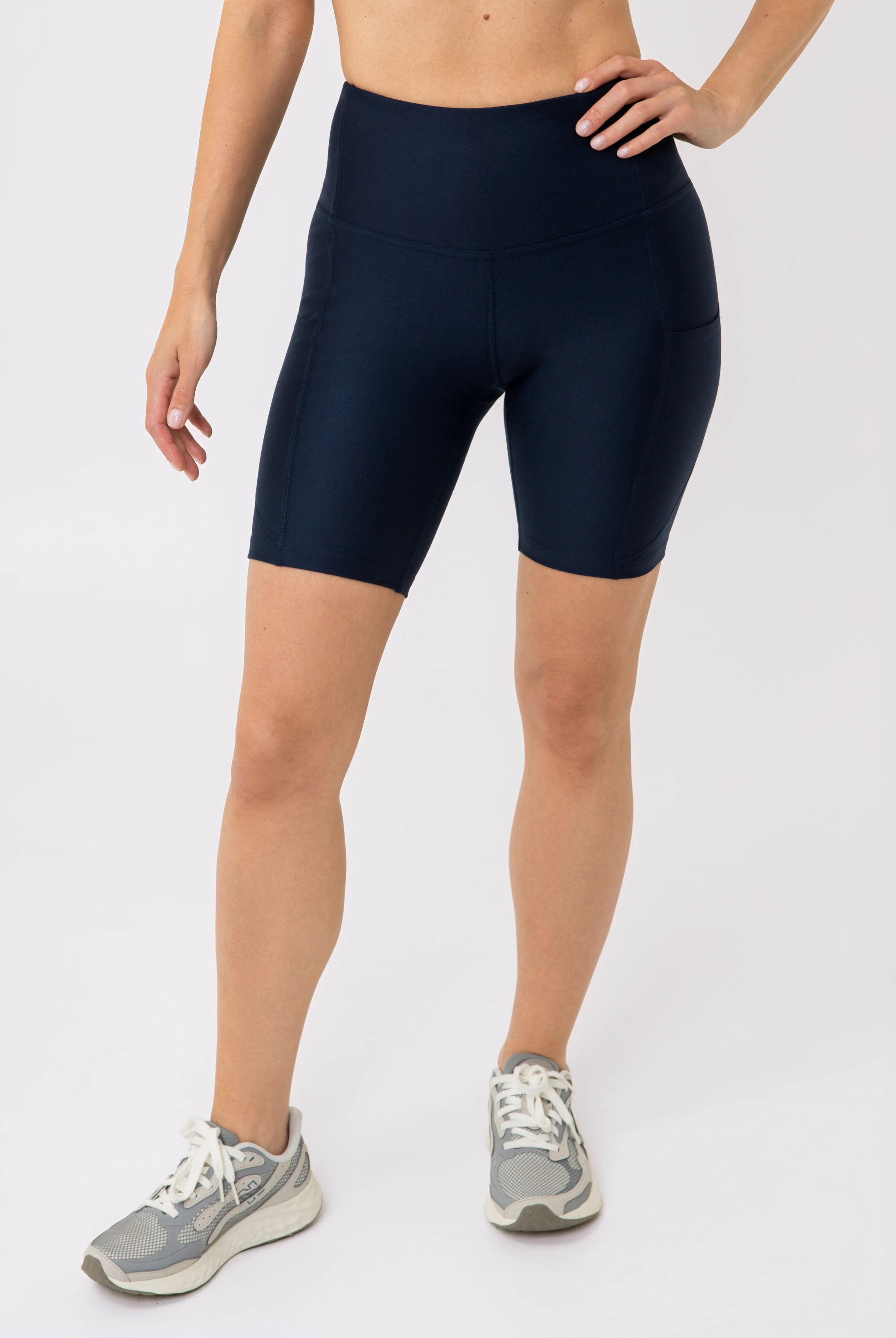
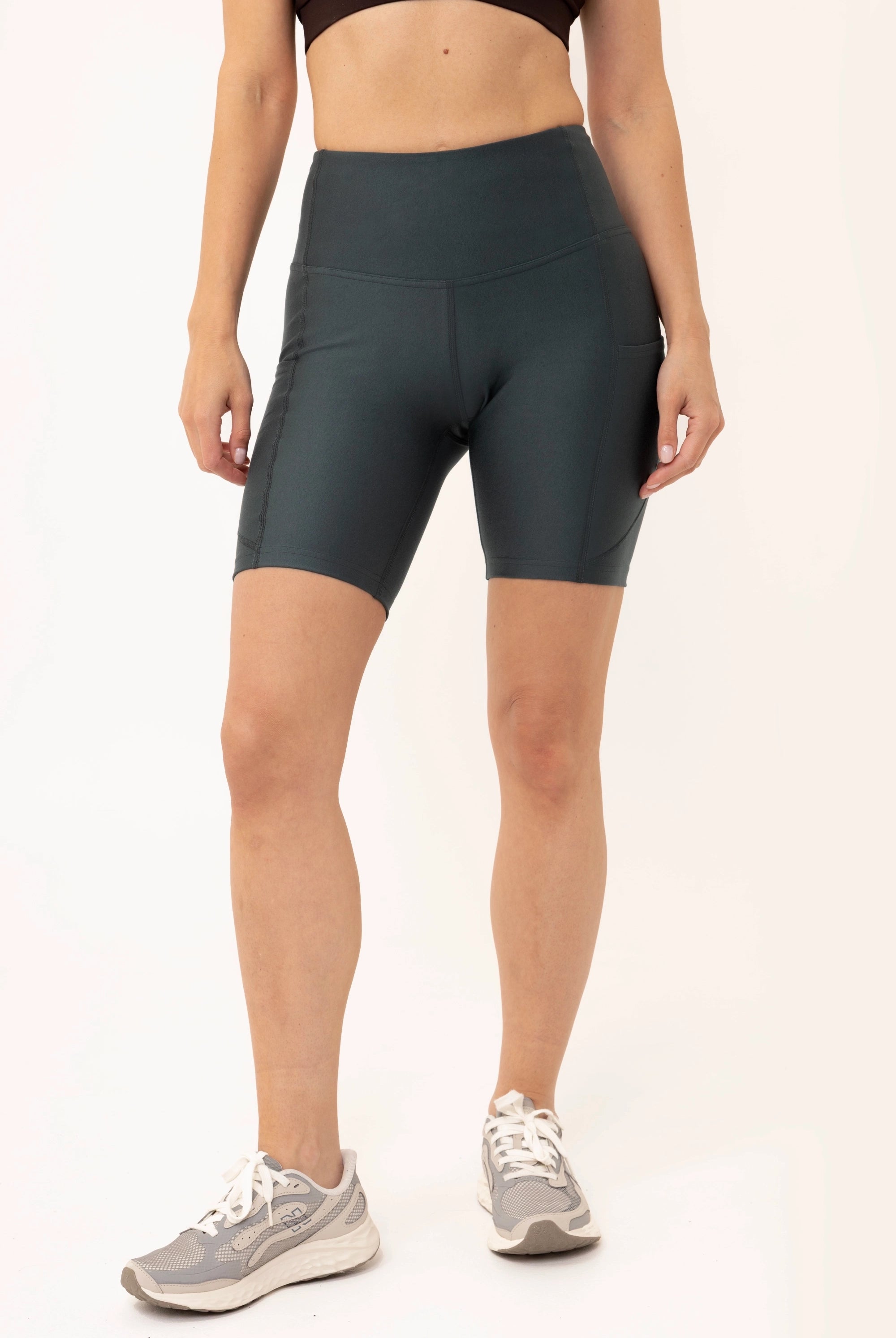
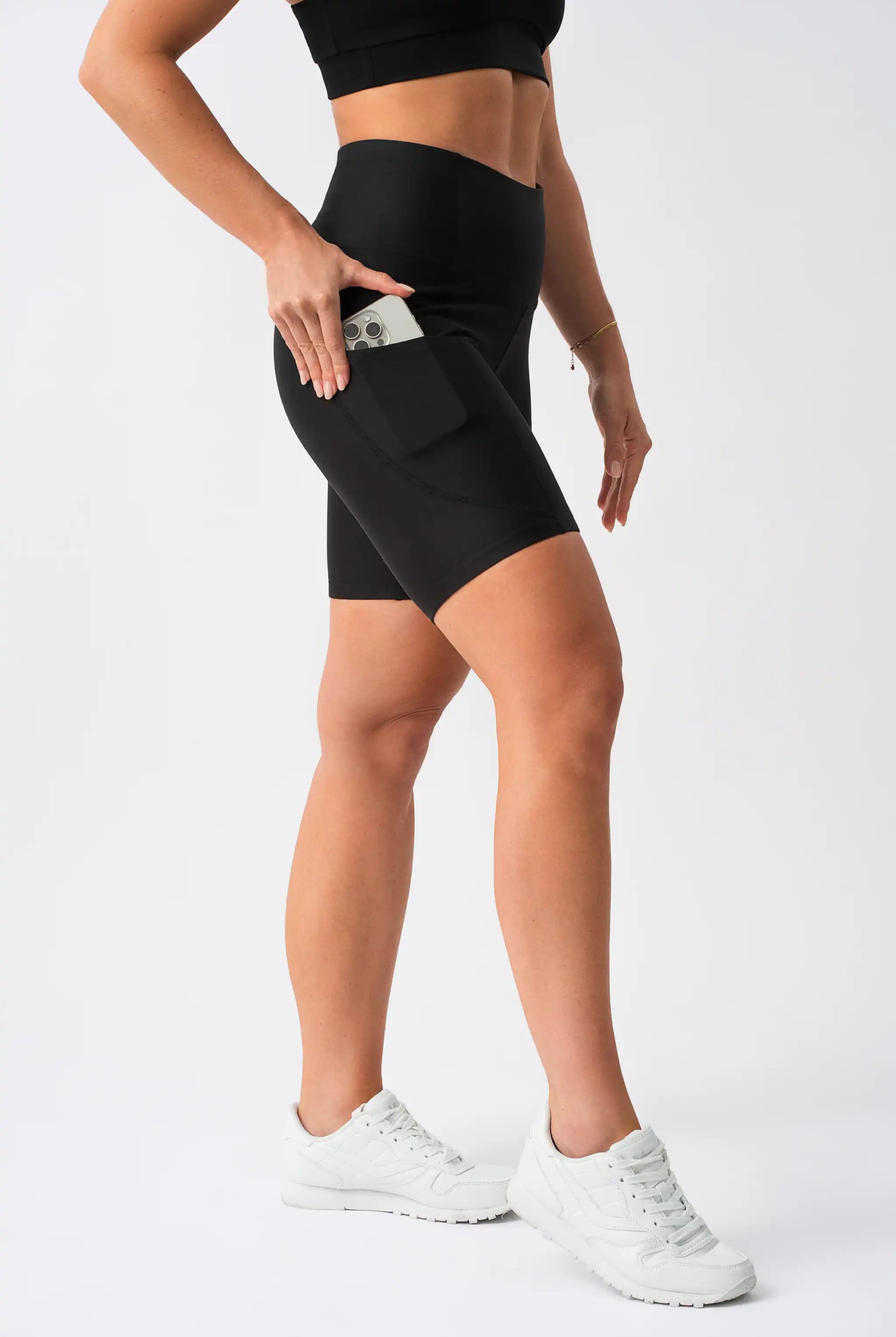
TENCEL™ Lyocell is the best natural fiber for working out because it balances breathability, moisture management, softness and odor resistance across the widest range of workout types. Every natural fiber has strengths, but TENCEL™ Lyocell requires the fewest compromises if you're looking for one fabric that can replace synthetic activewear like polyester and nylon.
| Material | Features | Best for |
|---|---|---|
| Cotton | Breathable at rest, but holds sweat and turns cold and clingy once you stop moving. | Everyday basics, low-intensity wear, or something you layer with before or after your session. |
| Linen | Cool and slow to develop odor, but stiff enough that it catches and bunches when you move. | Loose, relaxed styles at low intensity, like gentle yoga or everyday warm weather wear. |
| Hemp | Durable and naturally odor-resistant, but coarse against skin that's warm and damp. | Casual and low-intensity wear. |
| Merino wool | Temperature-regulating and naturally odor-resistant, but can feel itchy on damp skin and heavy once you're really sweating, particularly in warm or humid conditions. It's also prone to thinning and holes at friction points like inner thighs. | Cool-weather outdoor training. |
| TENCEL™ Lyocell | Stays light and dry as sweat builds, smooth against the skin, and fresh across multiple wears. | Every workout intensity and condition, from yoga and Pilates to running, HIIT and gym training. |
A note on natural fibers and stretch
Natural fibers don't stretch on their own. For pieces like leggings and sports bras to move with the body and hold their shape, a touch of elastane needs to be added. Look for eco-friendly, certified skin-safe alternatives like ROICA® rather than conventional spandex.
Learn more: Plastic-Free Activewear: Why Elastane Is Still Used (And Safer Options)
"The biggest misconception I still hear is that you have to sacrifice performance to move away from polyester or nylon. Seven years ago, I was told natural fibers simply couldn't perform at that level. What I've learned since is that the question was never natural versus synthetic. It's which natural fiber, how it's constructed, and what standard it's held to."
— Franziska Mesche, founder and CEO of Tripulse

TENCEL™ Lyocell vs synthetic and natural activewear: what the data shows
51 Tripulse customers wore Tripulse TENCEL™ Lyocell, most for three months or more and some for over two years, through gym training, running, yoga and Pilates, and compared it directly against the standard synthetic and natural activewear they already owned.
Many had worn synthetic activewear for years, quietly normalizing its trade-offs: fabric that traps heat and feels uncomfortable against the skin, odor that builds after every wear, compression that fades over time. Others had tried natural alternatives that didn't keep up when it mattered most.
They switched to Tripulse because they were ready to find out if something better existed. What they found challenged everything they assumed about natural performance activewear.

The results
- Breathability: 88% rated Tripulse TENCEL™ Lyocell more breathable than synthetic activewear at high intensity. 75% more breathable than other natural activewear.
- Moisture wicking: 73% rated it drier and lighter against the skin than synthetic activewear at high intensity. 77% better than other natural activewear.
- Odor resistance: 86% wear it two or more times before any smell develops. 41% reach five or more wears before any odor develops. 67% wear it longer before washing than their synthetic activewear.
- Skin comfort: 50 out of 51 reported zero skin irritation. 84% rated skin comfort superior to synthetic. 78% superior to other natural activewear.
- Compression and fit: 86% rated fit and shape retention 7 or above out of 10. 69% rated compression superior to synthetic after repeated washing and 77% superior to other natural activewear.
Of the 51 customers, 37 owned other natural activewear. Comparisons against natural fabrics reflect that group.
"When I first switched from synthetic activewear to TENCEL™ Lyocell, I noticed it on my skin straight away, no more chafing, no more irritation," says Franziska Mesche, founder and CEO of Tripulse. "But the real difference showed up mid-workout. The harder I trained in synthetics, the more I wanted to take them off. With TENCEL™ Lyocell, it felt like my skin could finally breathe. When we ran the customer study years later, the results matched exactly what I'd been feeling the whole time."
Read the full Tripulse Performance Study.
"Super comfortable, silky smooth without feeling plasticky, and perfect for running, yoga and day-to-day wear."
— Lena R., verified customer, wearing Pro TENCEL™ Leggings
See the activewear behind the results

Why not all TENCEL™ Lyocell activewear performs the same
Not all TENCEL™ Lyocell activewear performs the same.
A pair of leggings can contain TENCEL™ and still ride down during workouts, lose its shape over time, feel less comfortable against the skin or wear out sooner than you'd expect. The difference often comes down to the details: how much TENCEL™ is used, what it's blended with, how it's put together, and whether it's designed to perform over years of workouts and washing.
The standard Tripulse is built to
- 84-100% TENCEL™ Lyocell. Many blends drop to 30-50%, which quietly removes the breathability and next-to-skin comfort you were buying TENCEL™ for.
- ROICA® eco-elastane, not conventional spandex. The stretch fiber determines whether compression survives two years of washing.
- Construction built for movement. Designed to hold shape and stay put through repeated wear and washing.
- Certified and verifiable. OEKO-TEX® for chemical safety, GOTS-certified production in Portugal, and published performance data, not claims.
Why TENCEL™ percentage matters
Many brands blend TENCEL™ with large amounts of polyester or nylon, sometimes using as little as 30-50% TENCEL™. It reduces cost, but it also removes much of what you were buying TENCEL™ for.
The most concrete difference is shedding. Cellulosic fibers like TENCEL™ shed biodegradable microfibers; polyester sheds persistent microplastics, into your washing machine and eventually into the water system. A 50/50 blend sheds microplastics every wash. A 100% TENCEL™ fabric doesn't.
Then there's how it behaves against your skin. "Blending with polyester reduces the inherent features of TENCEL™ Lyocell, breathability, skin comfort, odor resistance," says Franziska. "The moment you add nylon or polyester, those typical plastic features come to life. That's exactly what we're trying to prevent."
Some brands also add polyester to make TENCEL™ fabric more durable. We get there through fabric weight and knit structure instead, then wear-test everything ourselves and across our extended team for months before it ships.
Learn more: How to Avoid Microplastics in Clothing: 5 Ways to Reduce Everyday Exposure
Why 84% and not 100%
Our instinct is always to use less stretch, not more. So we sampled fabrics with lower stretch percentages to see how far we could push it.
"We noticed that during movements like squats or yoga, where you bend your knees and move your body around, they felt constricting and uncomfortable," says Franziska. "If your body can't move freely, that's a problem. We use as little stretch as possible, but not if it compromises range of movement."
That's why the range is 84-100% rather than 100% across the board. T-shirts and tank tops don't need stretch, so they don't get any. Leggings and bras do, and there the remaining fraction is ROICA® stretch, not polyester.
Why fabric construction matters
Even the best fibers can fall short if the garment itself isn't designed well.
Whether leggings stay squat-proof, hold their shape, stay in place during movement and continue performing after repeated washing depends on countless design and construction decisions behind the scenes.
At Tripulse, every piece has been developed with real movement in mind, creating activewear that feels supportive, comfortable and reliable through everything from yoga and Pilates to running, gym training and HIIT.

Why the stretch fiber matters as much as the fabric
TENCEL™ Lyocell doesn't stretch on its own. For leggings, shorts and sports bras to move with the body and hold their shape, a small amount of elastane has to be added, and that small percentage does a disproportionate amount of work. It's what determines whether compression is still there after two years, or whether the leggings have gone slack at the knee by month four.
We use as little of it as possible. Where we do, we use ROICA® rather than conventional elastane. Two types, one made with recycled content and one that degrades under ISO 14855-1, independently tested by OWS. Both OEKO-TEX® certified.
"Before I started Tripulse, I wore conventional polyester and nylon activewear with regular elastane, and many of those leggings lost their shape quickly," says Franziska. "There are huge differences in shape retention depending on the materials used. High-grade elastane is an investment, but it's safe, it's better for the planet, and it saves you from replacing things that have gone slack after a few months."
In our Performance Study, 86% rated fit and shape retention 7 or above, and 69% rated compression superior to their synthetic activewear after repeated washing.
ROICA® is still a synthetic fiber, and we're upfront about that. Stretch is the one place where a fully natural alternative doesn't yet exist at performance level, so we use the minimum required and choose the cleanest certified option available.
Doing this properly costs more. High TENCEL™ content and ROICA® aren't the cheap options, which is why most brands don't use them.
Why manufacturing and testing standards matter
TENCEL™ activewear is only as good as the standards behind it. The quality of the materials, the way a garment is made, and how it's tested all play a role in how it feels, performs and lasts over time.
Every Tripulse piece is crafted in a GOTS-certified factory in Portugal and certified to the highest health and sustainability standards. More importantly, our performance claims are backed by verified customers who have worn Tripulse through gym sessions, runs, hikes, yoga classes and everyday life.
"Natural activewear can sound like a no-brainer, but just because something bears a certain name doesn't automatically mean it's high-performing, non-toxic or ethically made," says Franziska. "That's why I always recommend looking for certification: OEKO-TEX® to rule out toxic chemicals, and GOTS for ethical production. There needs to be real transparency about where something is made, who made it, and what it's actually made of."

Learn more: Tripulse's material and supply chain standards
FAQ
Is TENCEL™ Lyocell better than merino wool for working out?
For most workout types, TENCEL™ Lyocell performs better than merino wool, particularly during warmer and higher-intensity exercise.
TENCEL™ Lyocell stays lighter, manages moisture more effectively and remains fresher against the skin as sessions become more demanding. Merino wool excels in cooler conditions and outdoor activities such as hiking and skiing, but can feel warmer and heavier during intense exercise.
"Merino wool is a great fabric and has a lot of similar features to TENCEL™ Lyocell, but it feels very different," says Franziska. "Some people get itchy skin from it, and it's prone to developing holes faster unless it's mixed with a synthetic fabric."
Learn more: TENCEL™ vs merino wool activewear guide.
Will natural fiber leggings go see-through during squats?
Whether leggings stay fully squat-proof depends on the fiber percentage, fabric weight and construction. Some natural fiber leggings become sheer under stretch because they use lightweight fabrics or lower percentages of performance fibers.
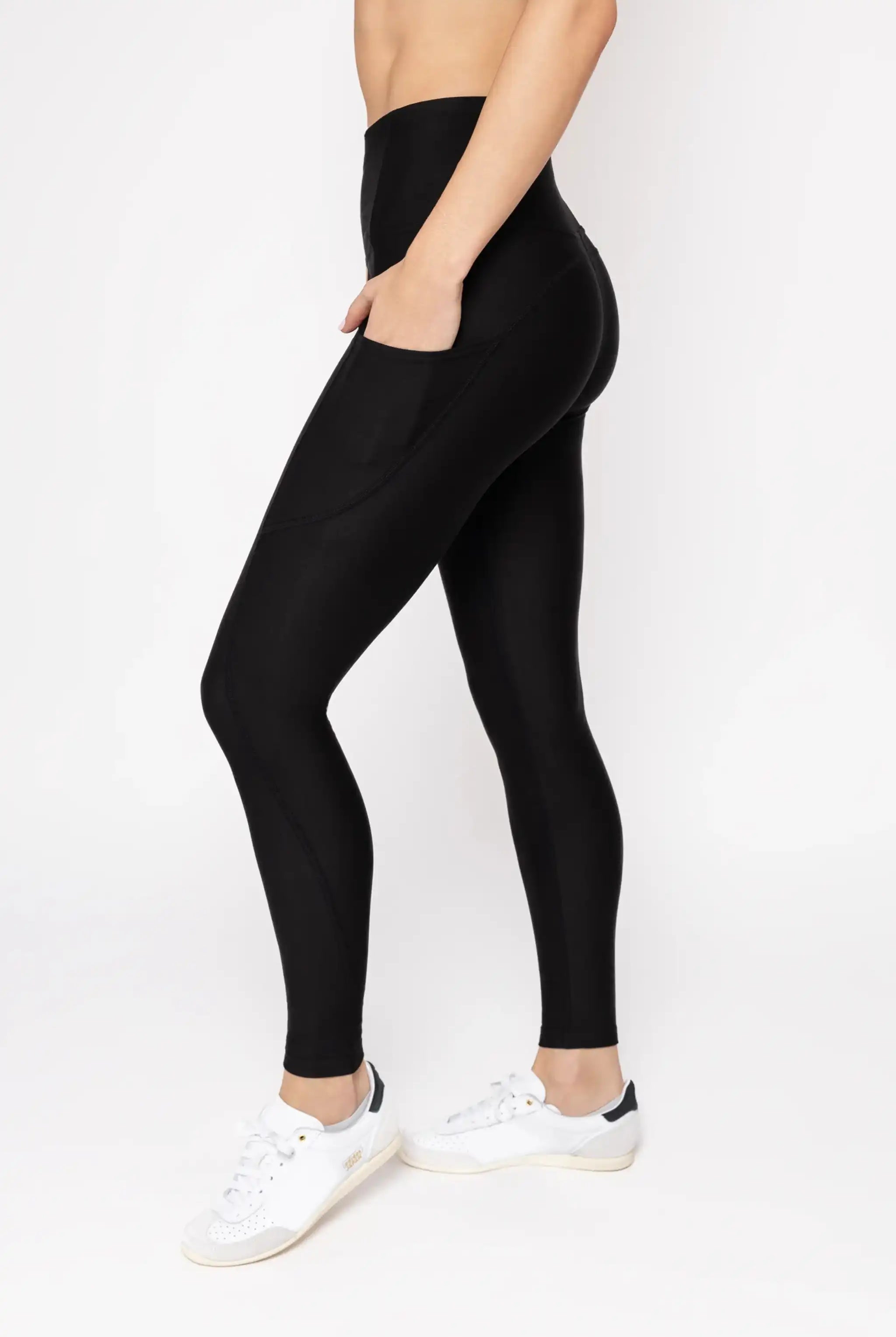
At Tripulse, our leggings are designed to remain squat-proof during movement using a high TENCEL™ Lyocell percentage, supportive construction and ROICA® eco-elastane for stretch and recovery.
"This is the first natural fiber leggings I've tried that actually have compression and aren't see-through."
— Lauren W., verified customer, wearing Original TENCEL™ Leggings
Will natural fiber activewear get heavy and wet when I sweat?
It depends on the fiber. Cotton, for example, can feel damp and heavy once you start sweating, while natural performance fibers like TENCEL™ Lyocell are designed to manage moisture much more effectively.
Rather than holding onto moisture, TENCEL™ Lyocell helps move it away from the skin quickly before evaporating, keeping fabric feeling lighter, drier and more comfortable throughout a workout.
"I would not recommend cotton for higher-intensity workouts where people sweat a lot," says Franziska. "It's better for lower intensity and everyday wear."
Learn more: TENCEL™ Lyocell vs Cotton for Activewear
Does natural fiber activewear hold compression during a workout?
Yes. Natural fiber activewear can hold compression, stay supportive and retain its shape during workouts when it's designed with the right blend of fibers and stretch materials.
If you've ever worn leggings that slip down, lose their shape or feel baggy after a few washes, the quality of the stretch fiber and overall construction is often part of the reason.
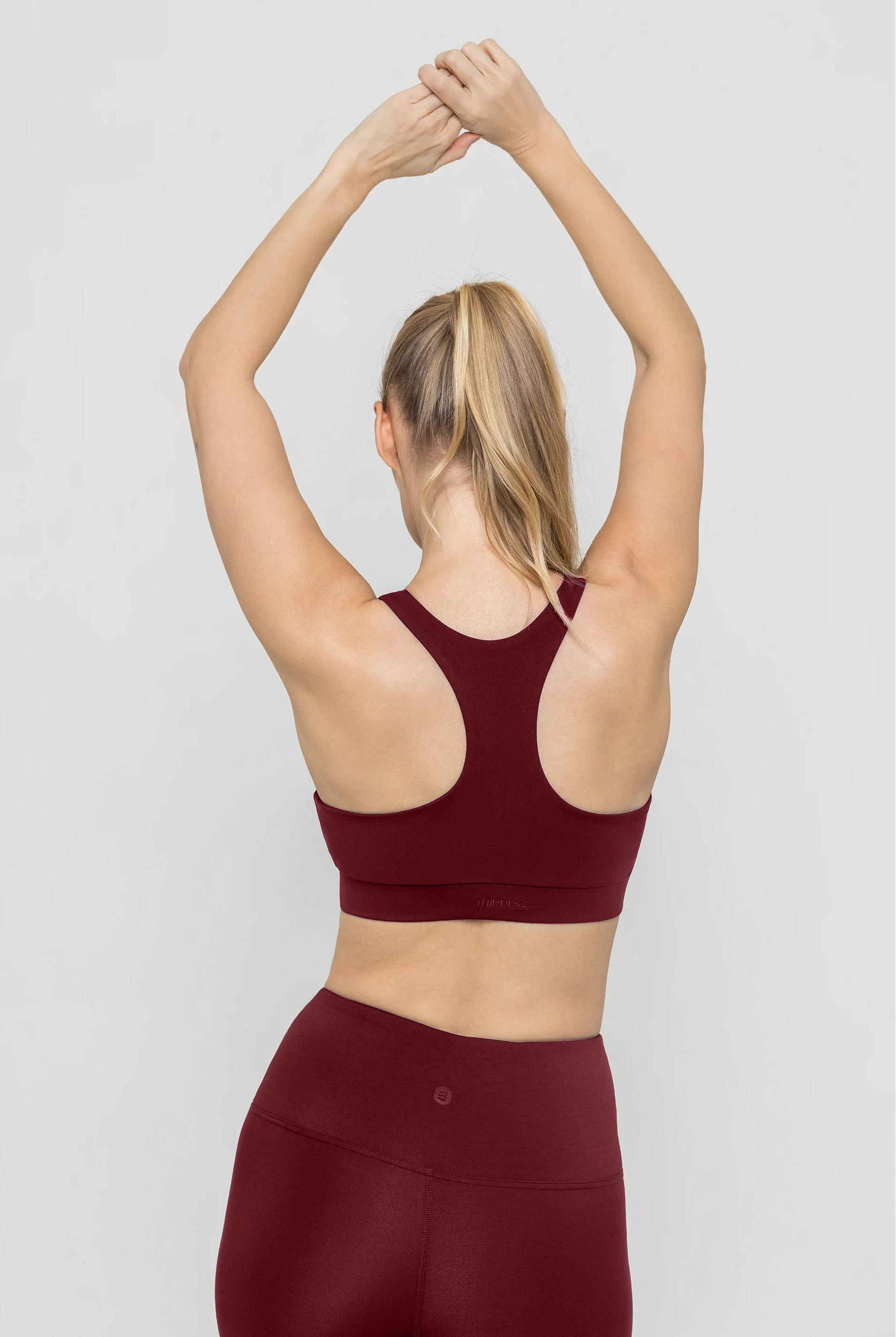
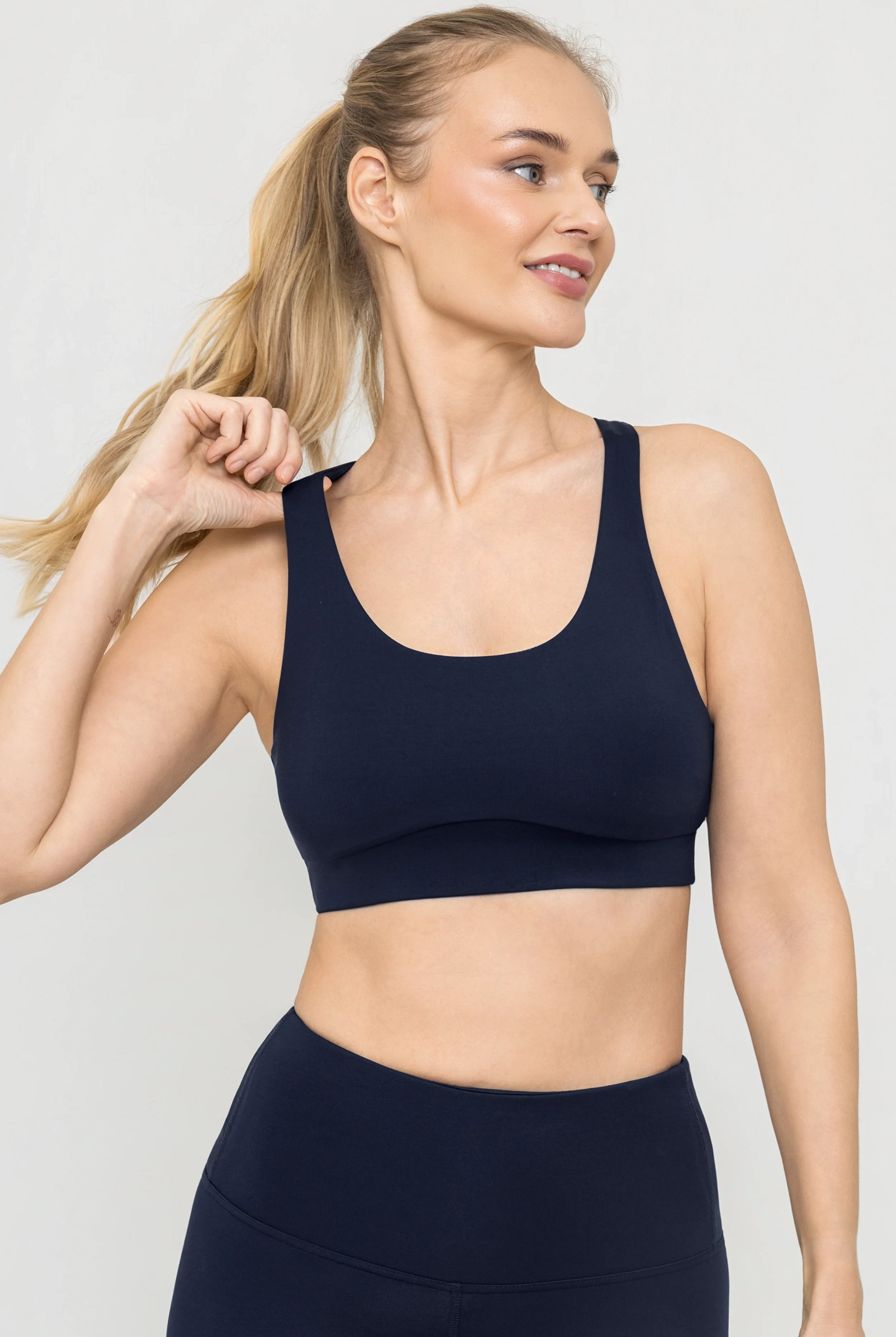
Tripulse leggings and sports bras combine a high percentage of TENCEL™ Lyocell with ROICA® eco-elastane to help maintain support, shape retention and compression through repeated wear and washing.
In our Performance Study, 86% of customers rated fit and shape retention 7 or above out of 10, while 77% rated it superior to other natural activewear.
Is there a natural alternative to polyester activewear?
TENCEL™ Lyocell is the strongest natural alternative to polyester activewear. It keeps up across the same range of intensities, without the trapped heat, the odor build-up or the clammy feel once you're sweating.
"TENCEL™ Lyocell fibers are naturally hydrophilic, so they pull moisture into the fabric itself instead of leaving it sitting on your skin. Polyester works the opposite way. It's hydrophobic, so sweat has nowhere to go but the surface, which is why it can start to feel warm, heavy and smelly midway through a session even if it felt fine at the start."
— Franziska Mesche, founder and CEO of Tripulse
Learn more: TENCEL™ vs Polyester: Which Fabric Is Better for Activewear?
Is TENCEL™ Lyocell suitable for running and HIIT or just yoga?
Yes. When made to the right standard, TENCEL™ Lyocell activewear performs across a wide range of activities, including running, HIIT, gym training, hiking, Pilates and yoga.
While many natural fabrics are best suited to lower-intensity movement, TENCEL™ Lyocell activewear made to this standard is designed to stay breathable, comfortable and supportive even during harder workouts.
"Tripulse TENCEL™ Lyocell activewear is designed for real performance, not just for Pilates or yoga, but for movement in a broader sense. You can really feel how they move with your body without overheating."
— Nikie S., Pilates teacher and studio owner, Stockholm
What is the most breathable natural fabric for working out?
TENCEL™ Lyocell is one of the most breathable natural fabrics available for activewear. While many natural fibers feel comfortable for everyday wear, they can start to feel warm, damp or heavy once workouts become more demanding.
TENCEL™ helps regulate both moisture and airflow, allowing workout clothes to stay light, breathable and comfortable against the skin throughout training.
In a verified Tripulse customer Performance Study, 88% rated Tripulse TENCEL™ Lyocell activewear more breathable than traditional synthetics at high intensity, and 75% more breathable than other natural activewear.
Some synthetic fabrics feel breathable too, though often because of what's been added to them. "There might be some synthetic fabrics that feel more breathable," says Franziska. "But what often happens is that finishings are added, and that usually means a huge chemical load, often involving very harsh chemicals."
Why does TENCEL™ Lyocell resist odor better than synthetic activewear?
TENCEL™ Lyocell resists odor better than polyester because of how it handles moisture. Its fibers draw sweat into the fiber core rather than leaving it sitting on the surface, so the fabric surface stays drier for longer.
"Sweat itself is clear and odorless, bad smell only develops once bacteria feed on it," says Franziska. "When we sweat in TENCEL™ Lyocell, moisture is drawn straight into the core of the fiber, so the surface stays dry. Polyester works the opposite way, moisture sits on the surface, which is exactly the environment bacteria need to multiply."
Testing points the same way. A study by Lenzing, the manufacturer of TENCEL™ Lyocell, presented at the 2019 AUTEX World Textile Conference, found that odor-causing bacteria grew less on lyocell than on polyester, and that people rated the smell from polyester as stronger and less pleasant.
Final thoughts: which natural fiber can replace synthetics for movement?
Switching from the synthetic activewear you've relied on for years is a big decision. You know how it performs, how it fits and what to expect. Maybe you've accepted its trade-offs because you didn't think a natural alternative could keep up.
The honest answer is that most of them can't, at least not for harder sessions. Cotton holds sweat and stays clingy, linen and hemp are too rigid and rough once you're training hard, and merino gets itchy on damp skin, heavy in the heat, and wears thin over time.
TENCEL™ Lyocell is the exception, and even then only when the percentage is high enough, the stretch fiber is right, and the construction holds up over years of washing.
So the question worth asking before you buy isn't natural or synthetic. It's which natural fiber, and made to what standard.
Try Tripulse TENCEL™ Lyocell activewear with our 45-day performance guarantee
Wear it, train in it, and feel the difference for yourself.

For more, visit:
- Plastic-Free Activewear: Why Elastane Is Still Used (And Safer Options)
- What is TENCEL™ Lyocell? Everything You Need to Know
- TENCEL™ Lyocell vs Merino Wool: Which is Better for Your Workouts?
- Tripulse Performance Study
About the contributors
Written by Christie Johnson, a wellness and sustainability writer who has been publishing since 2020. Since 2023 she has written about performance fabrics and how materials behave in real movement. A certified Pilates teacher, she trains and teaches in Tripulse TENCEL™ Lyocell activewear, giving her first-hand experience of how natural fabrics perform during training.
Developed with Franziska Mesche, Founder and CEO of Tripulse. Since 2019 she has sourced and tested a wide range of natural and synthetic activewear fabrics, working across TENCEL™, polyester, merino wool and conventional synthetics. Years of hands-on product development have built her practical expertise in how performance materials behave in real athletic use.
All material, certification and performance claims are verified by Franziska Mesche before publication.