How to choose colors for your activewear capsule wardrobe
In this article
Building an activewear wardrobe of fewer, better pieces does not mean defaulting to black. From choosing colors that work beyond the matching set to understanding sweat, sheerness and dye safety, here’s what to consider before you invest.
Activewear capsule colors at a glance
The activewear capsule colors you will keep wearing are the ones that go with what you already own, work through any session, and carry on into the rest of your day, across the seasons. The dyes behind them are also certified free from harmful substances.
In practice
- Work out which way your wardrobe leans, warm or cool, then pick one or two neutrals from that side. Cool might mean navy or gray, warm might mean brown or khaki.
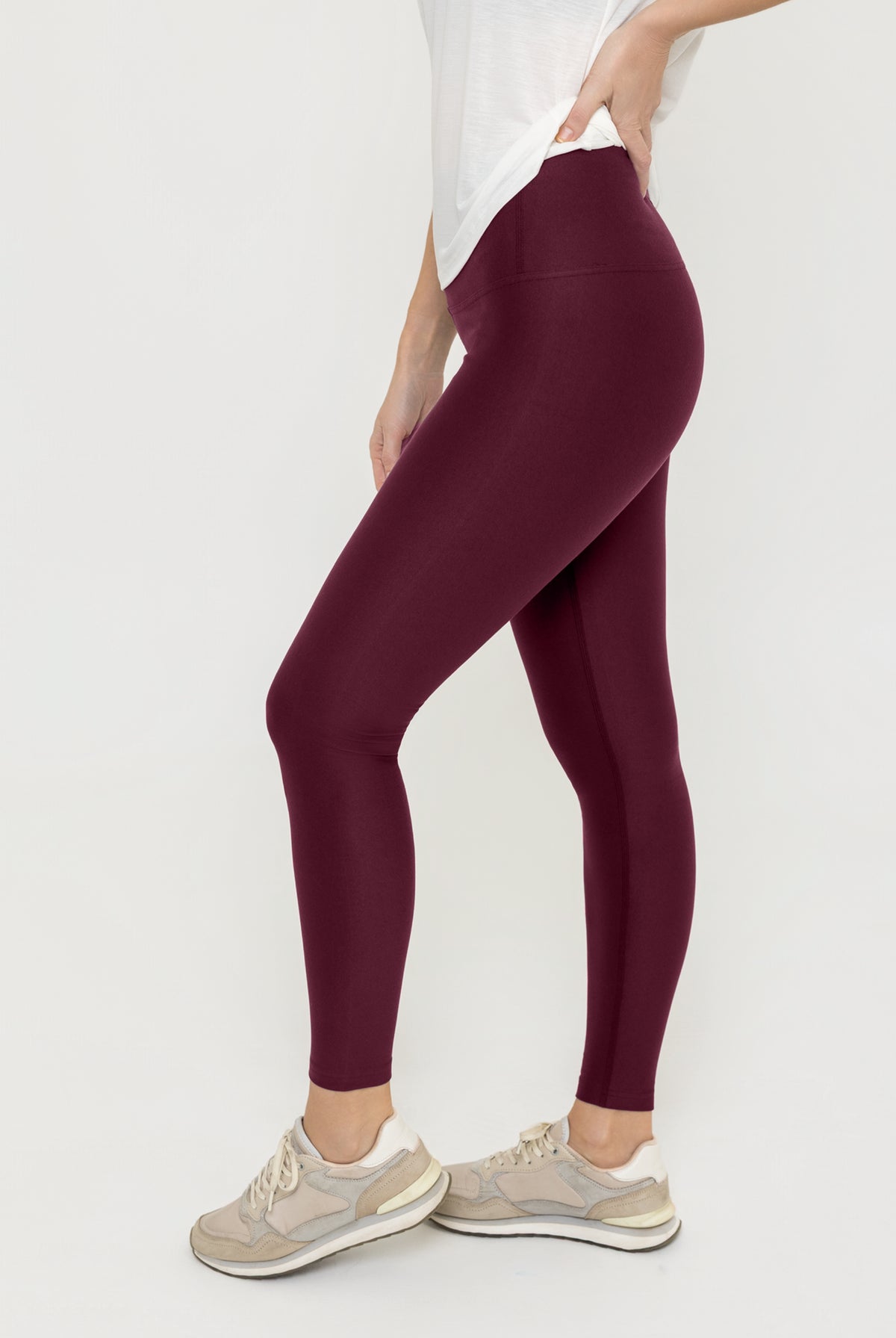
- For a deeper shade, choose the muted version rather than the saturated one. A muted wine red or moss green adds color without taking over an outfit, where a bright red or emerald would.
- Look beyond the color. Before you buy, find out what the fabric is, what the certification covers, including the dyes and finishes against your skin, and whether there is evidence the piece holds up across the workouts you actually do, sweat and coverage included.

Choosing your activewear color palette
How do you choose activewear capsule wardrobe colors?
Choose colors you enjoy wearing that already have something to go with in your wardrobe.
More combinations do not come from owning more colors. They come from choosing shades that share the same partners. Start with the colors already repeated in your wardrobe, whether that is black, navy, brown, cream or something else. Let those familiar colors do the connecting. If a new sports bra works with several bottoms you own, or a new pair of leggings works with several tops and layers, one piece gives you more outfits without another purchase.

Discover Natural Fiber Leggings →
Discover Natural Fiber Sports Bra →
Which colors work best in an activewear capsule wardrobe?
The most versatile activewear palettes balance one or two neutral bases with deeper or more muted shades that add variety while remaining easy to combine. This gives you a dependable foundation without limiting your wardrobe to black, beige or gray.

Discover Natural Fiber Leggings →
What are the best neutral colors for an activewear capsule wardrobe?
It depends which way your wardrobe leans. Neutrals divide roughly into cool and warm, and choosing from the side you already wear is what makes a new piece easy to combine.
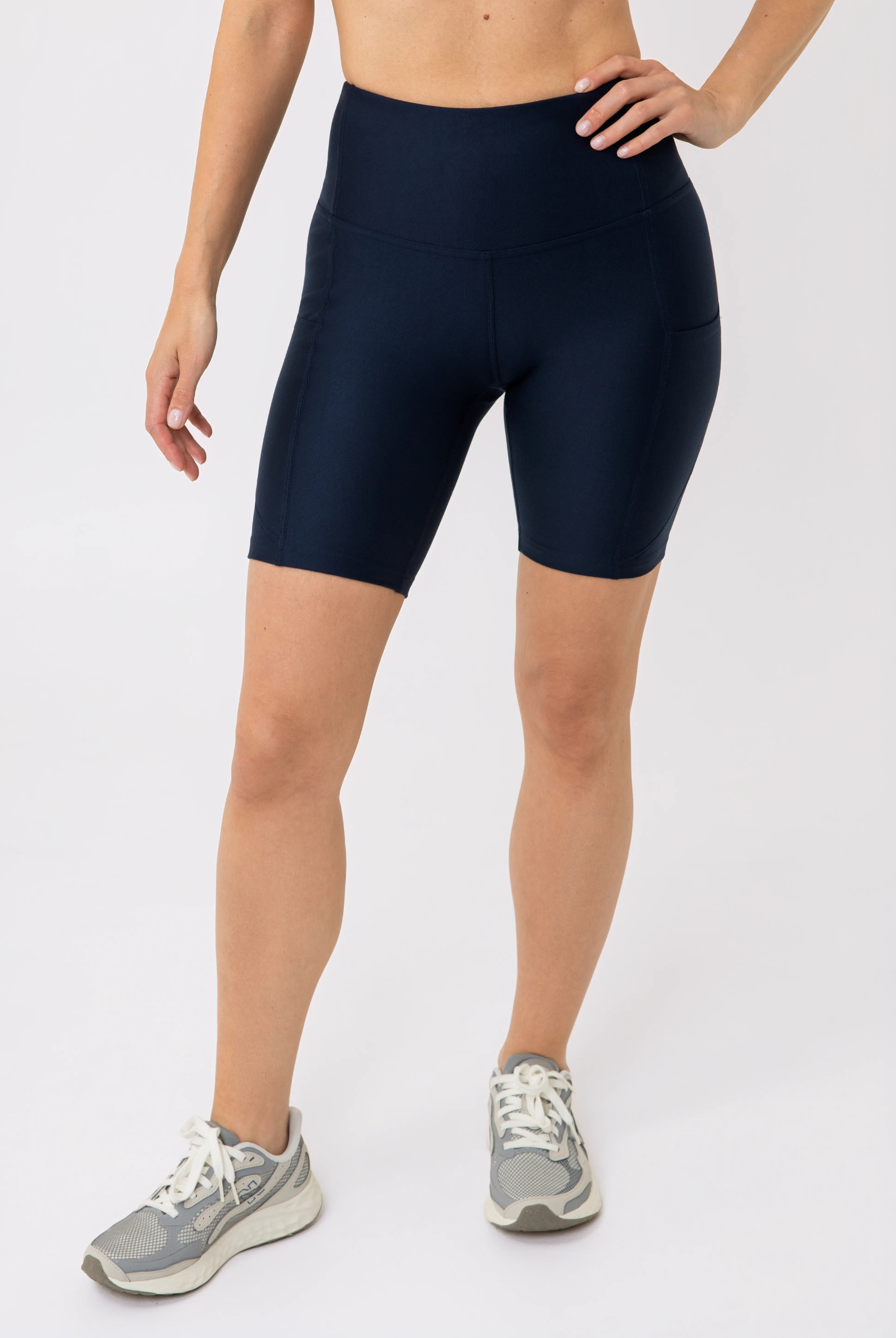
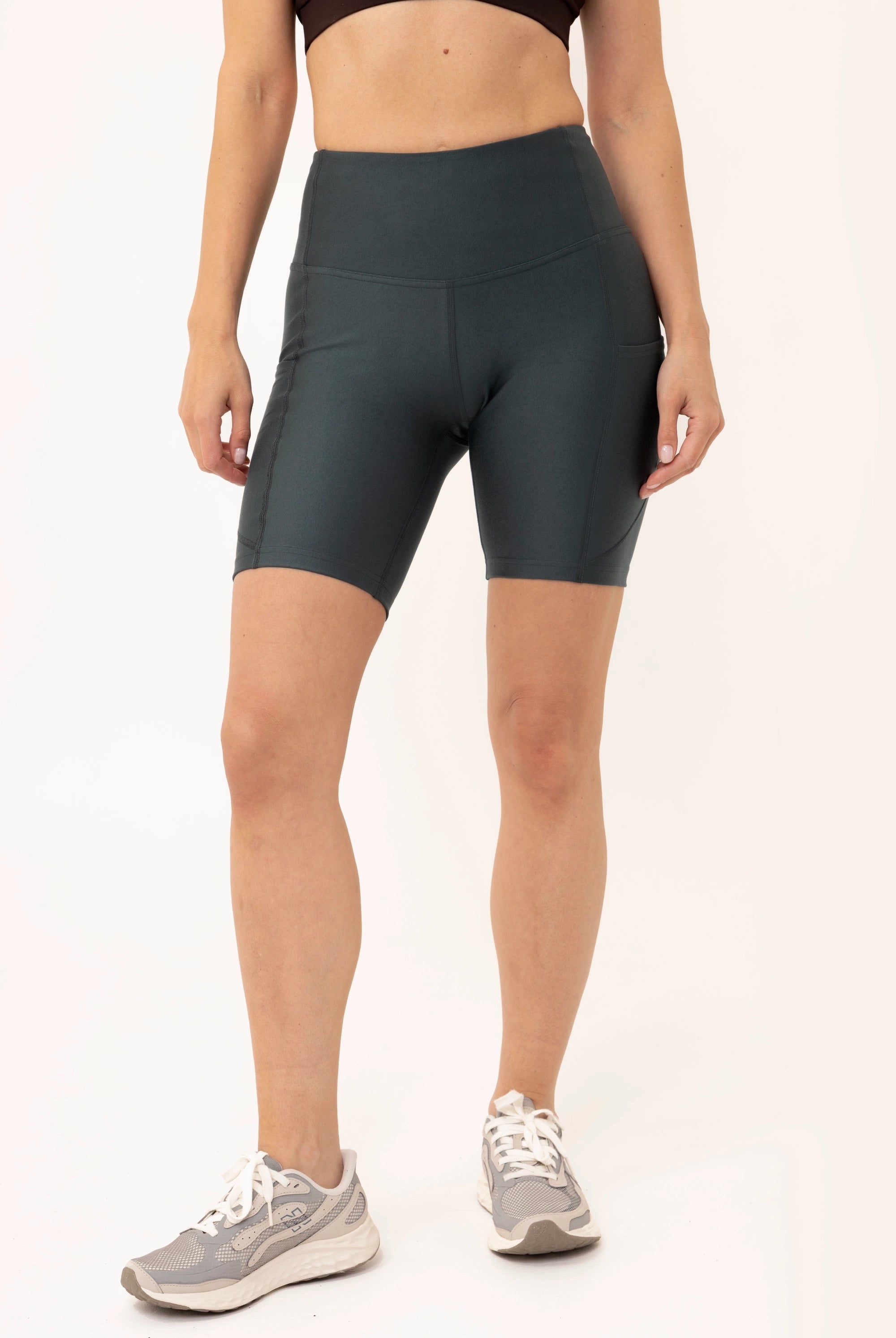
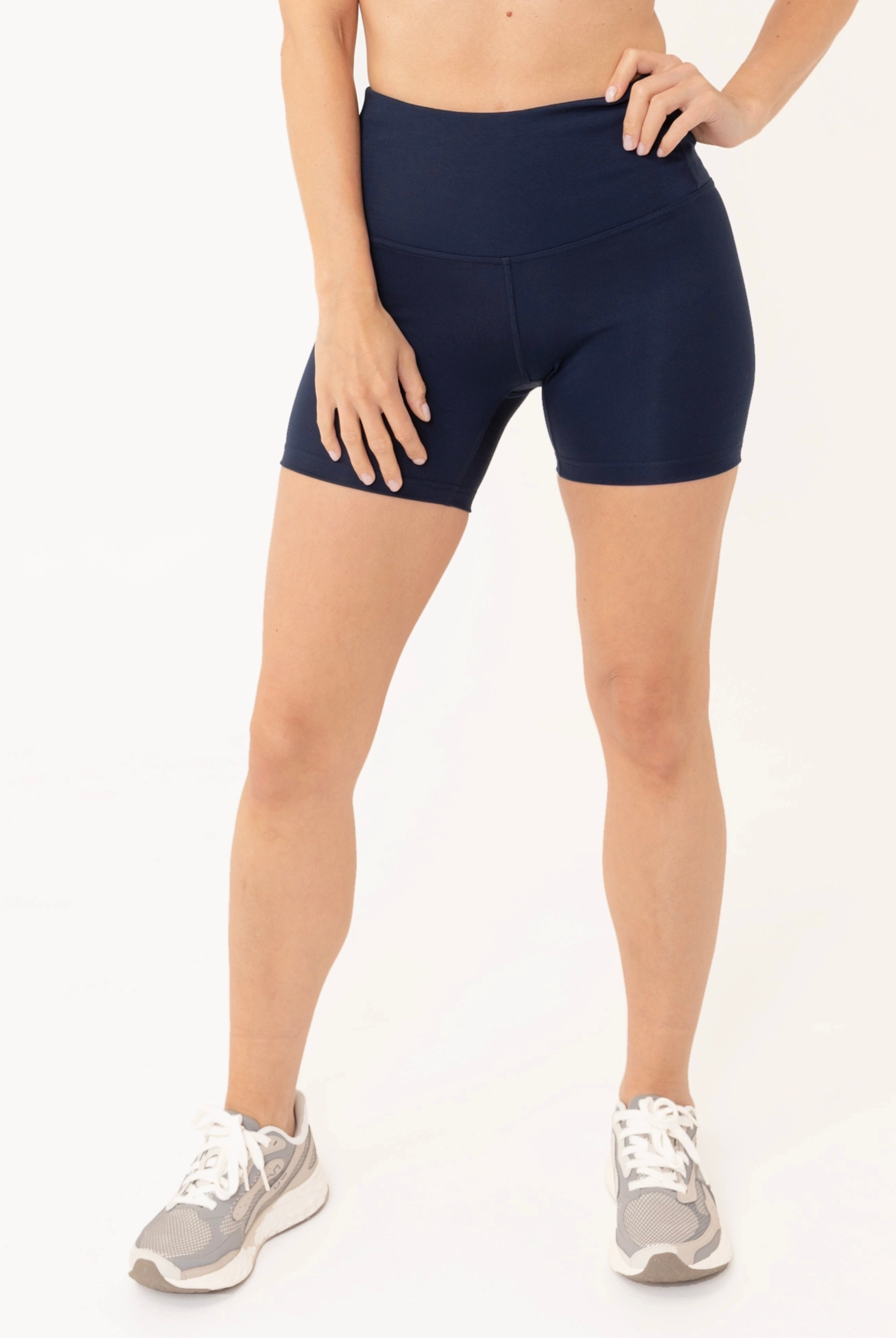
The Tripulse activewear palette covers both. Midnight Navy and Graphite Grey are the cooler options, pairing easily with black, white, pale blue, beige and burgundy. Terra Brown and Savannah Khaki are warmer, working naturally beside cream, camel, black, denim and dusty pink.
Choosing one or two for your wardrobe is usually enough. A neutral works as a base across different outfits without every other piece having to match it exactly, so it does the connecting and you get more combinations from fewer pieces.

Discover Natural Fiber Tops →
Discover Natural Fiber Bottoms →
Should you just buy black again?
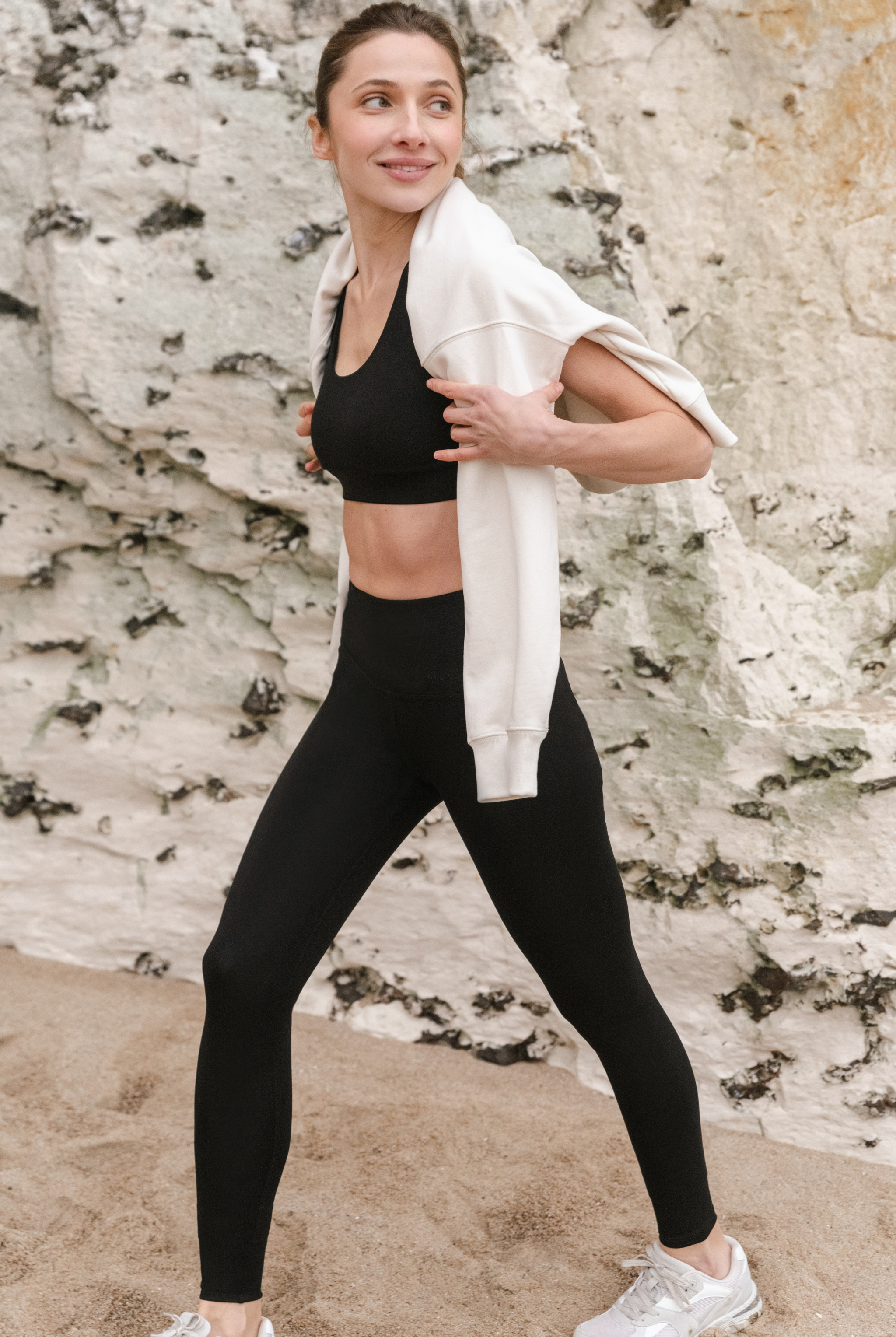
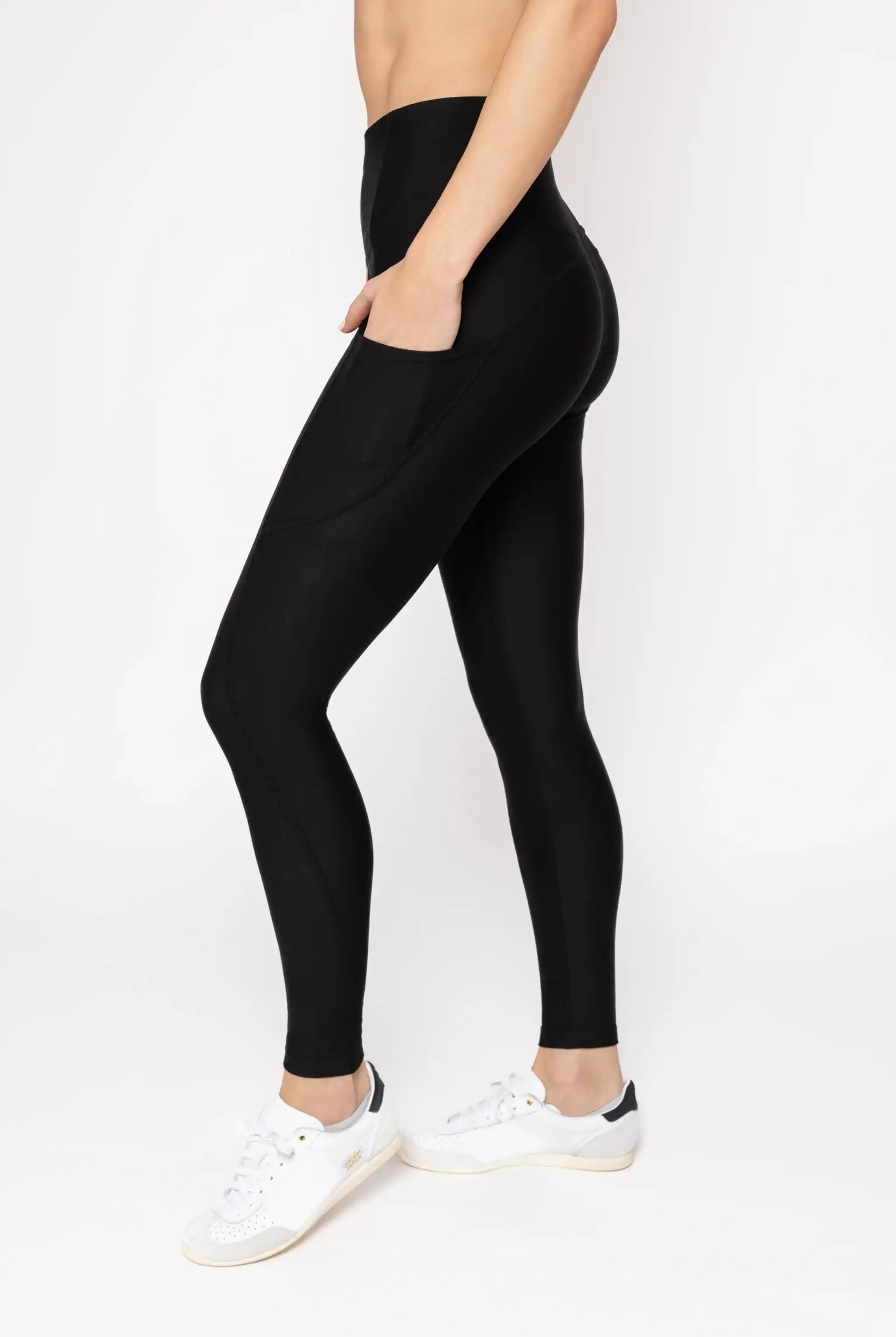
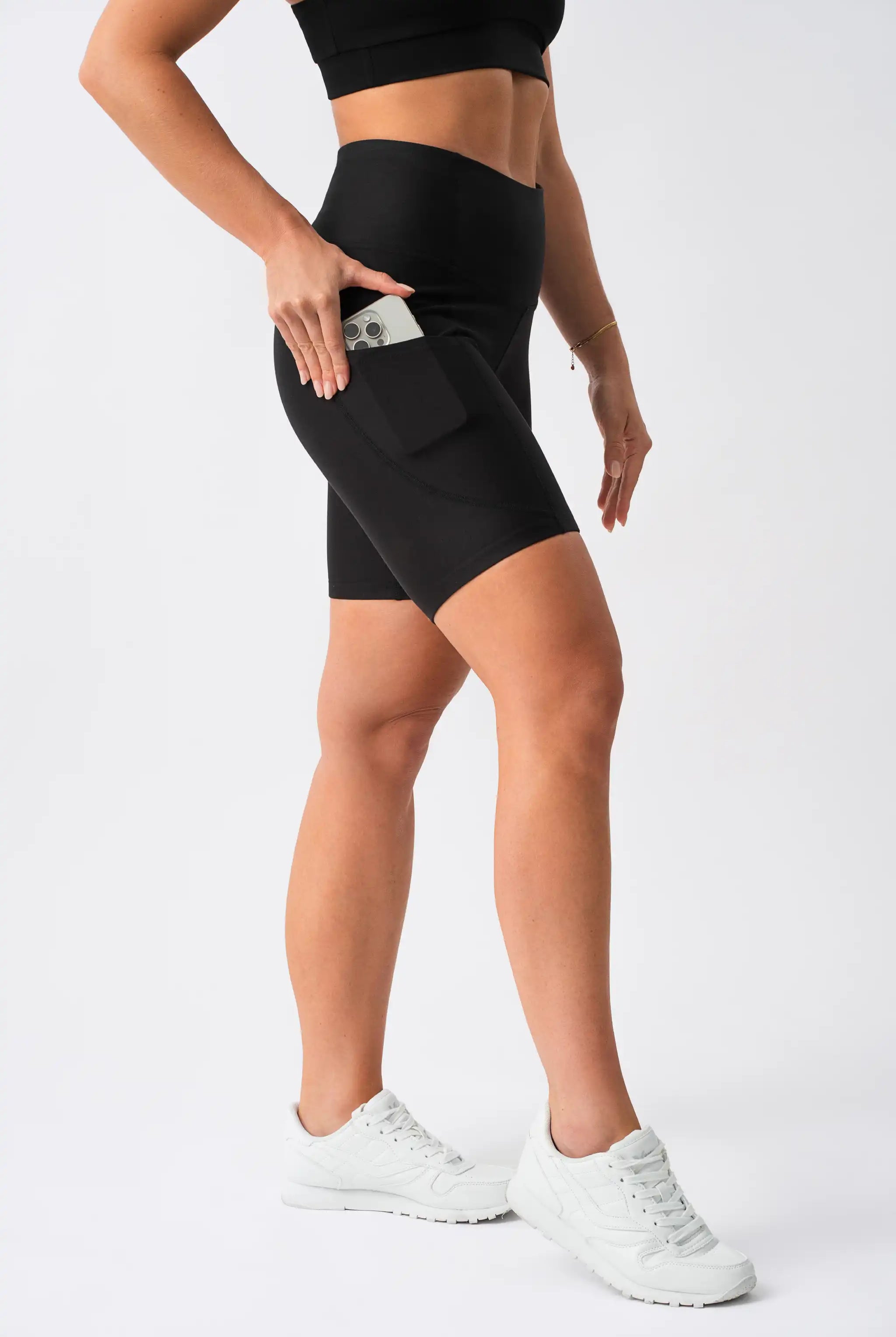
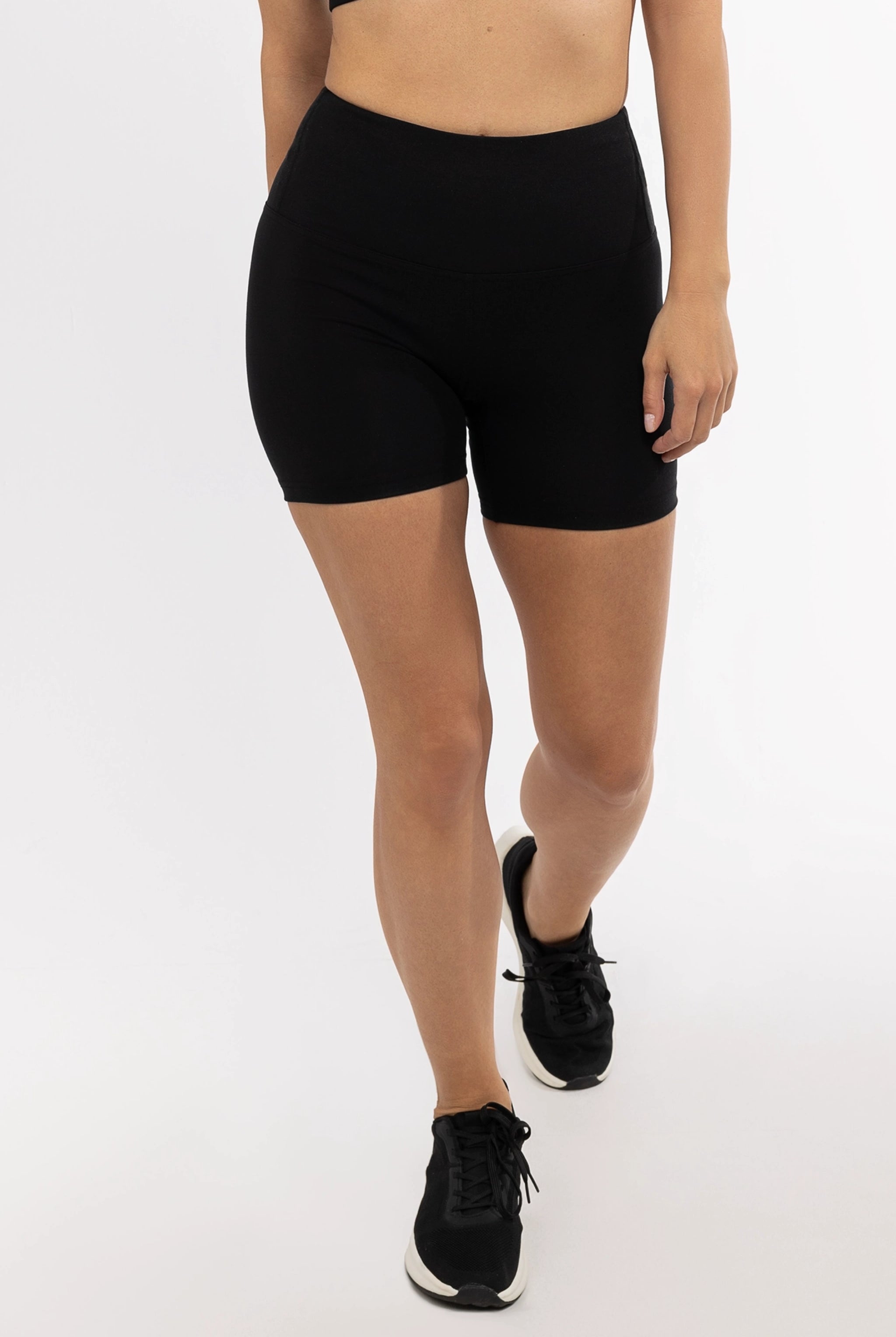
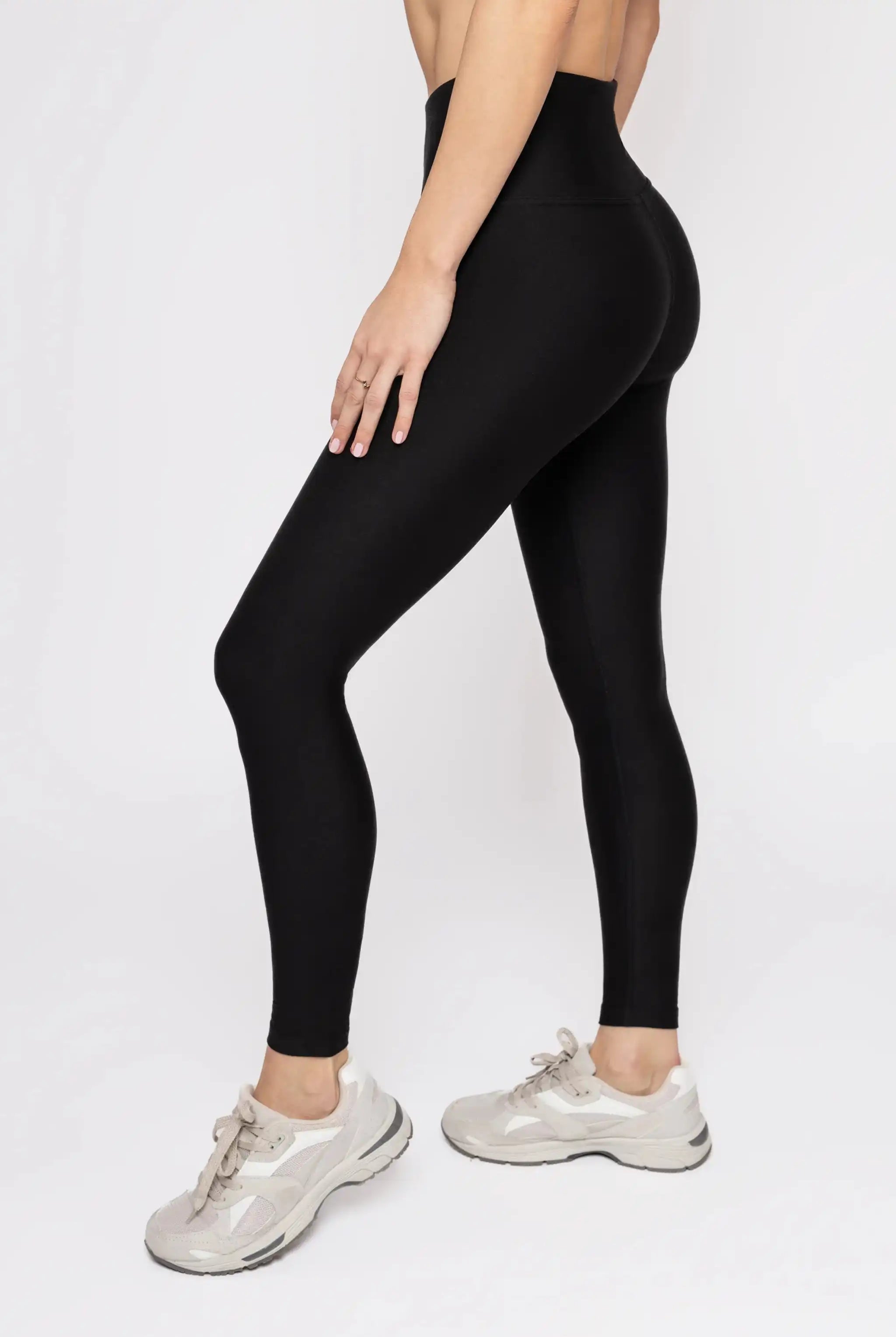
Black is not the only shade that works as a reliable base. A deep navy, brown, green or wine red does the same job, and costs you nothing in versatility.
Black feels easy because the decisions have already been made. You know what it works with, how it looks on you and what to reach for when you are in a hurry. That ease is why most of us keep going back to it.
A deeper shade does not ask you to give up that ease. It can sit beneath the same tops and layers and take no more thought to put together. What it gives you is a second base rather than a spare: two pieces that each go with everything, instead of one you own twice.
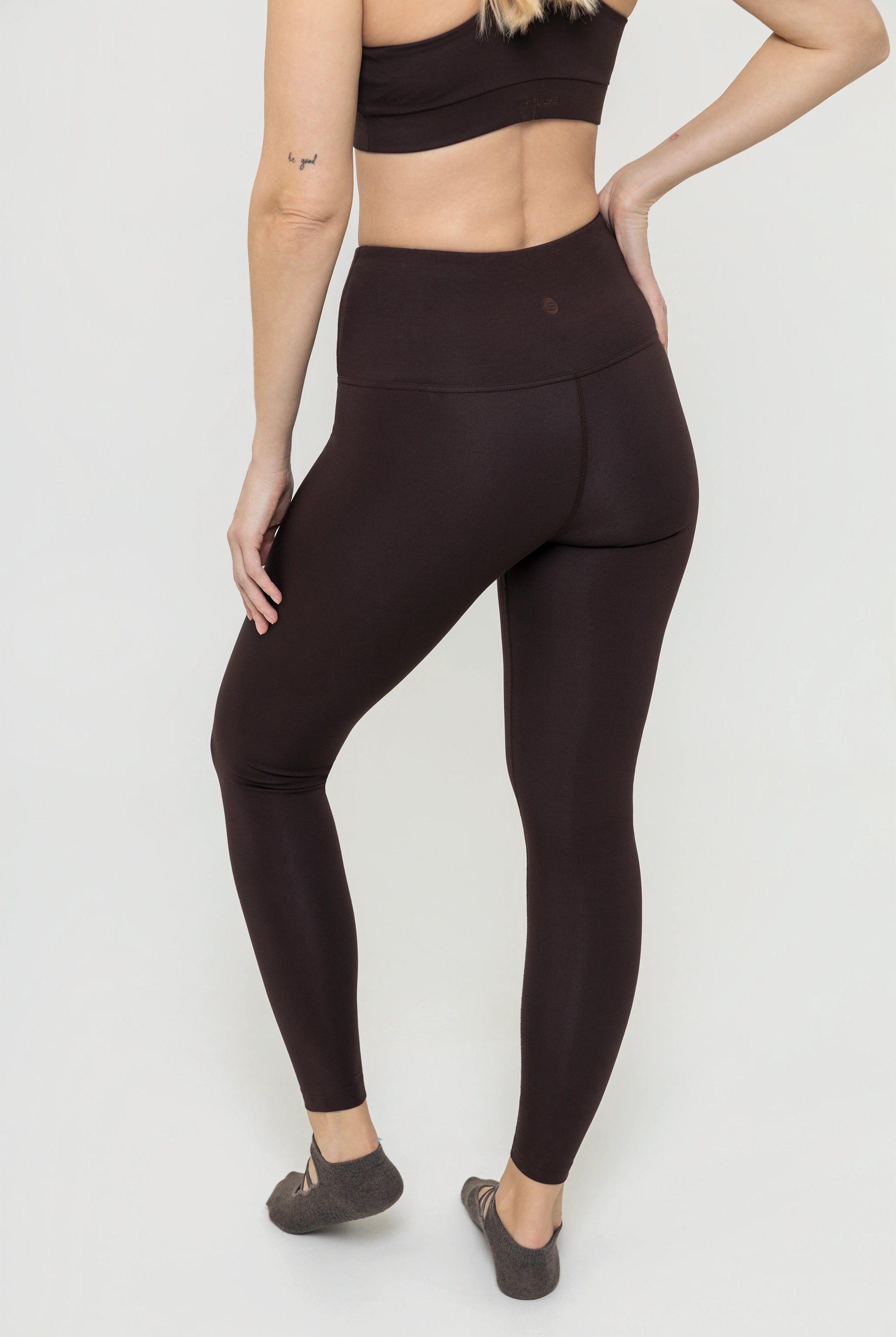
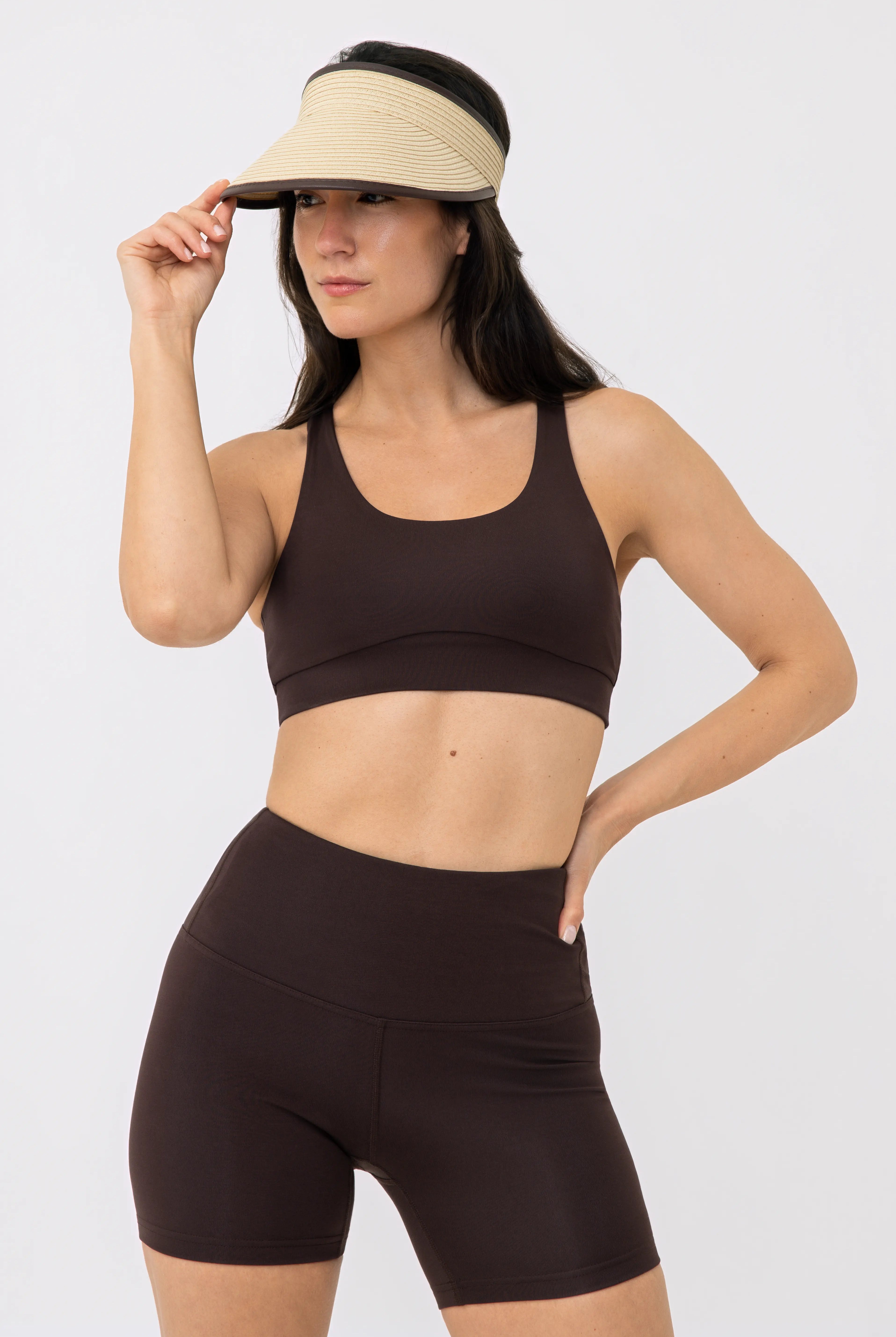
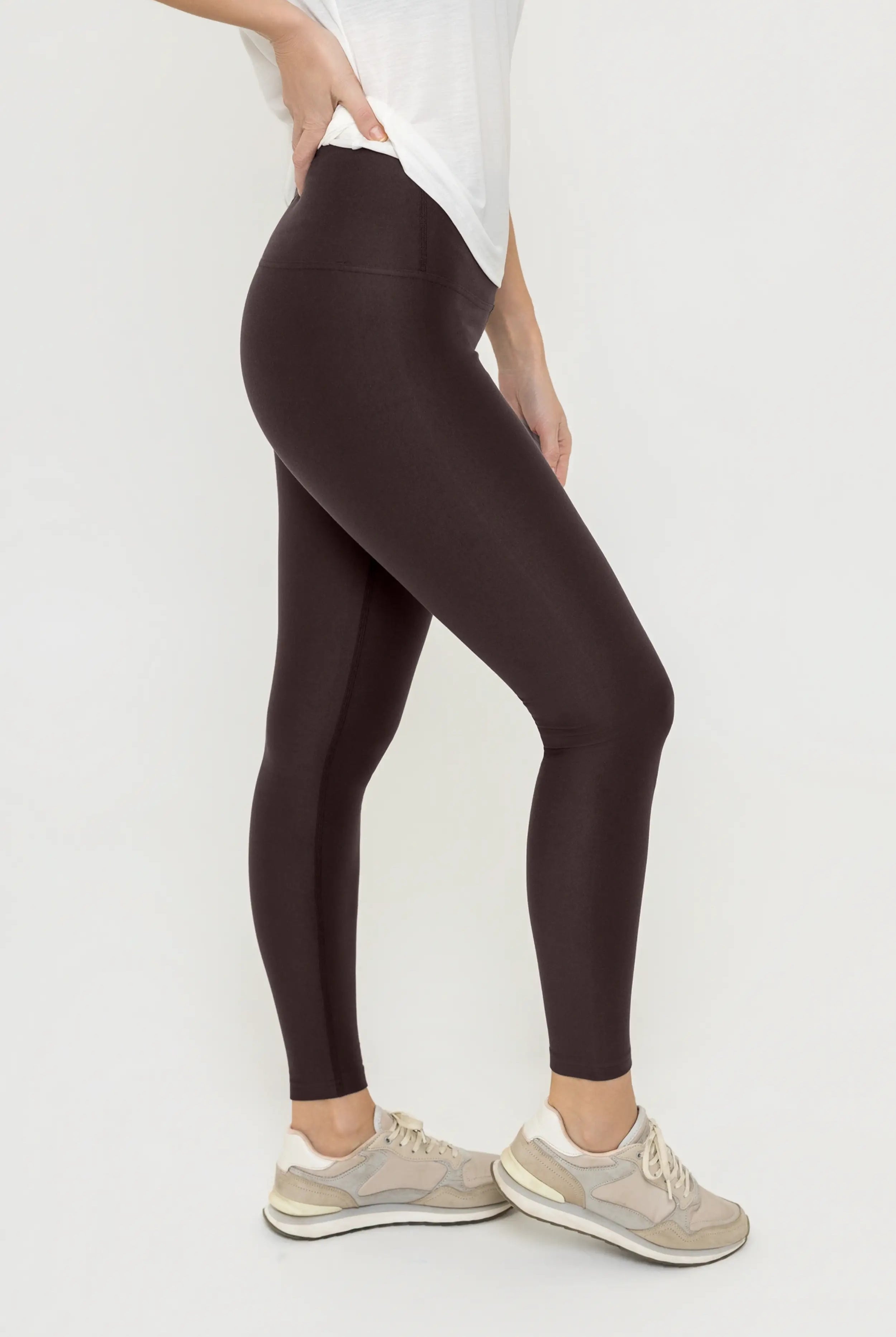
Pair brown natural performance leggings with a cream quarter-zip and the outfit comes together as easily as it would in black, but feels warmer and softer. Only the mood changes.

Discover Cocoa Brown Leggings →
Discover Natural Fiber Tops →
See the Tripulse color range →
Creating more outfits with fewer colors
Would you wear it without the matching set?
You should be able to wear each activewear piece without its matching set. If a color only feels complete beside its exact partner, it may spend more time unworn, and quietly lead to another purchase.
Picture an ordinary morning. Your class starts soon and the matching top is in the wash. Would you still reach for the leggings, knowing they work with a sports bra or T-shirt you already own?
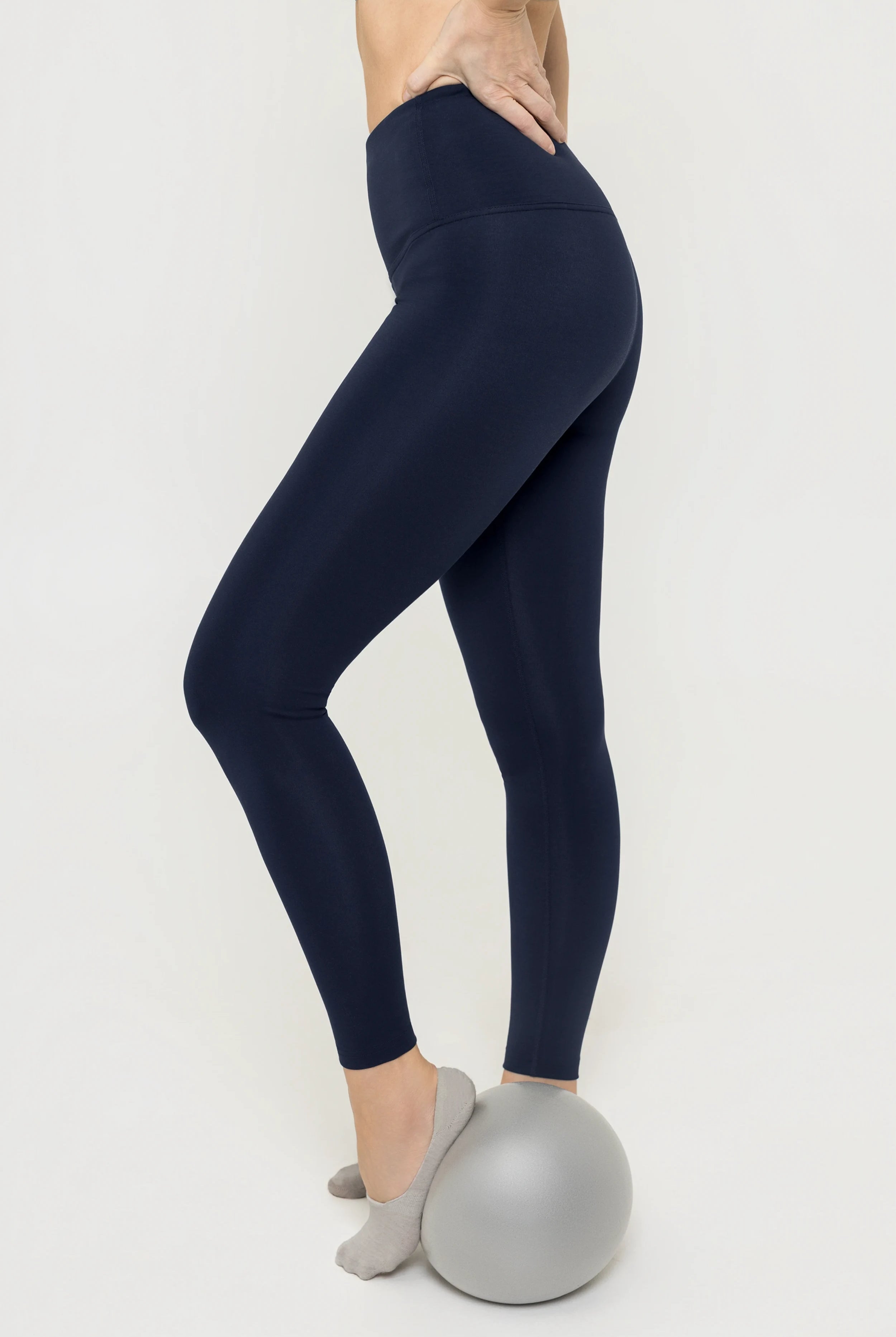
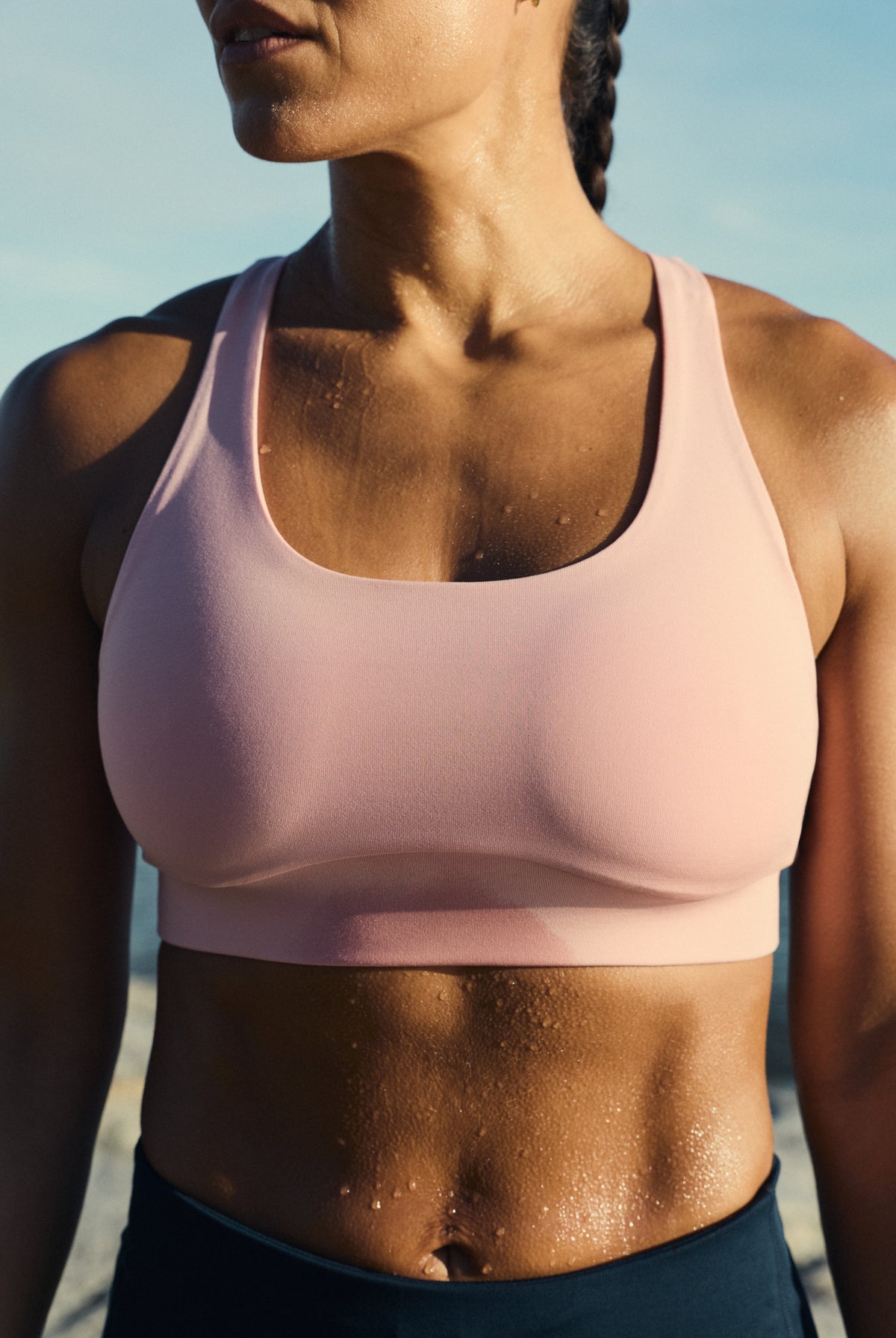
Take a pair of navy natural performance leggings. They can easily move between their matching set, a white sports bra, a black tank and a gray quarter-zip. Even a muted pink sports bra works with navy, brown and black bottoms. The matching piece then stays an option rather than a requirement.
That is what a coordinated color gives you: a way to introduce something you love without needing more clothes to make it wearable.
Can you wear the color for more than the workout you bought it for?
Yes, if the color sits comfortably next to your everyday clothes. Check it against the layer you would pull on afterward, whether that is a T-shirt, a knit or a jacket you have had for years.
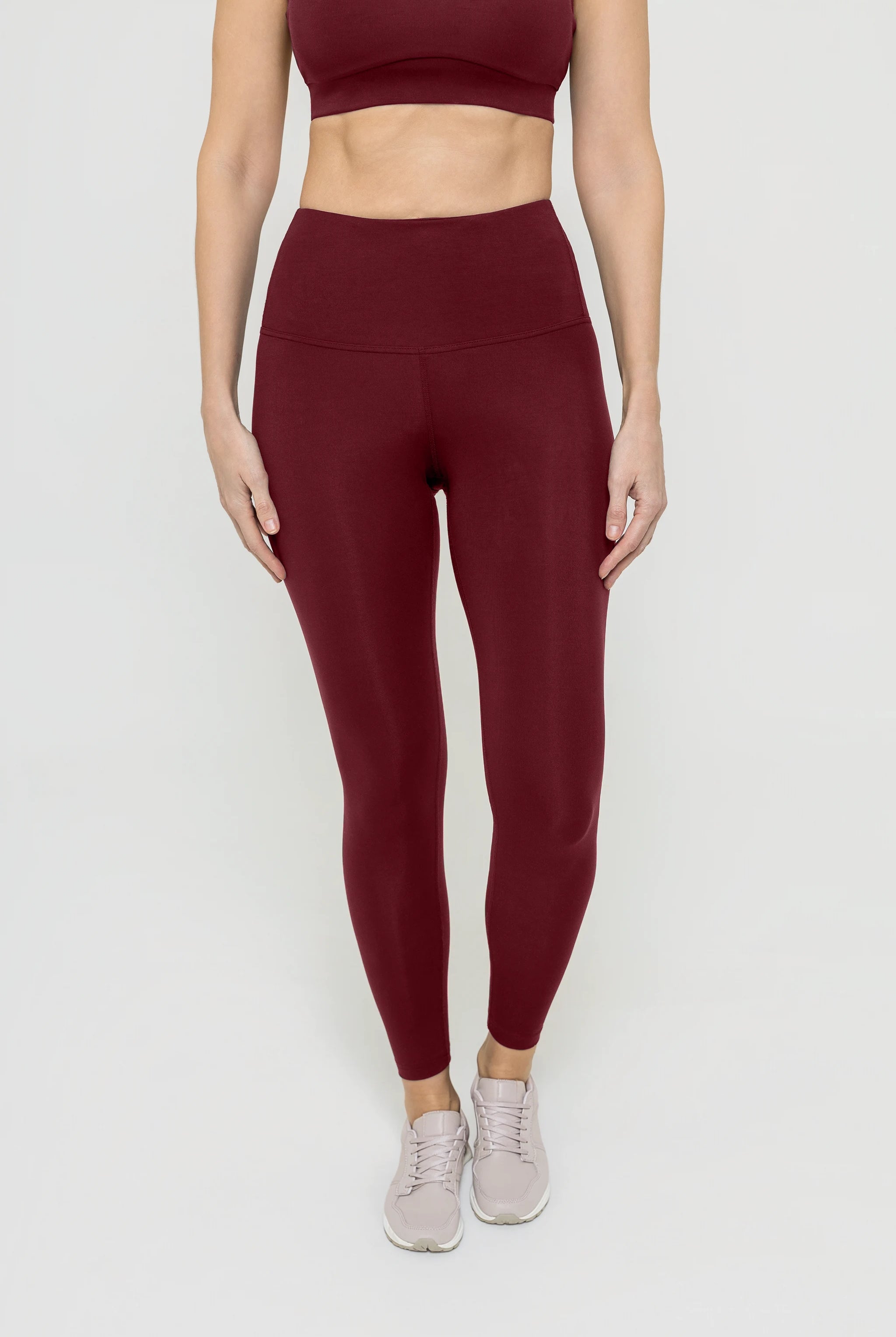
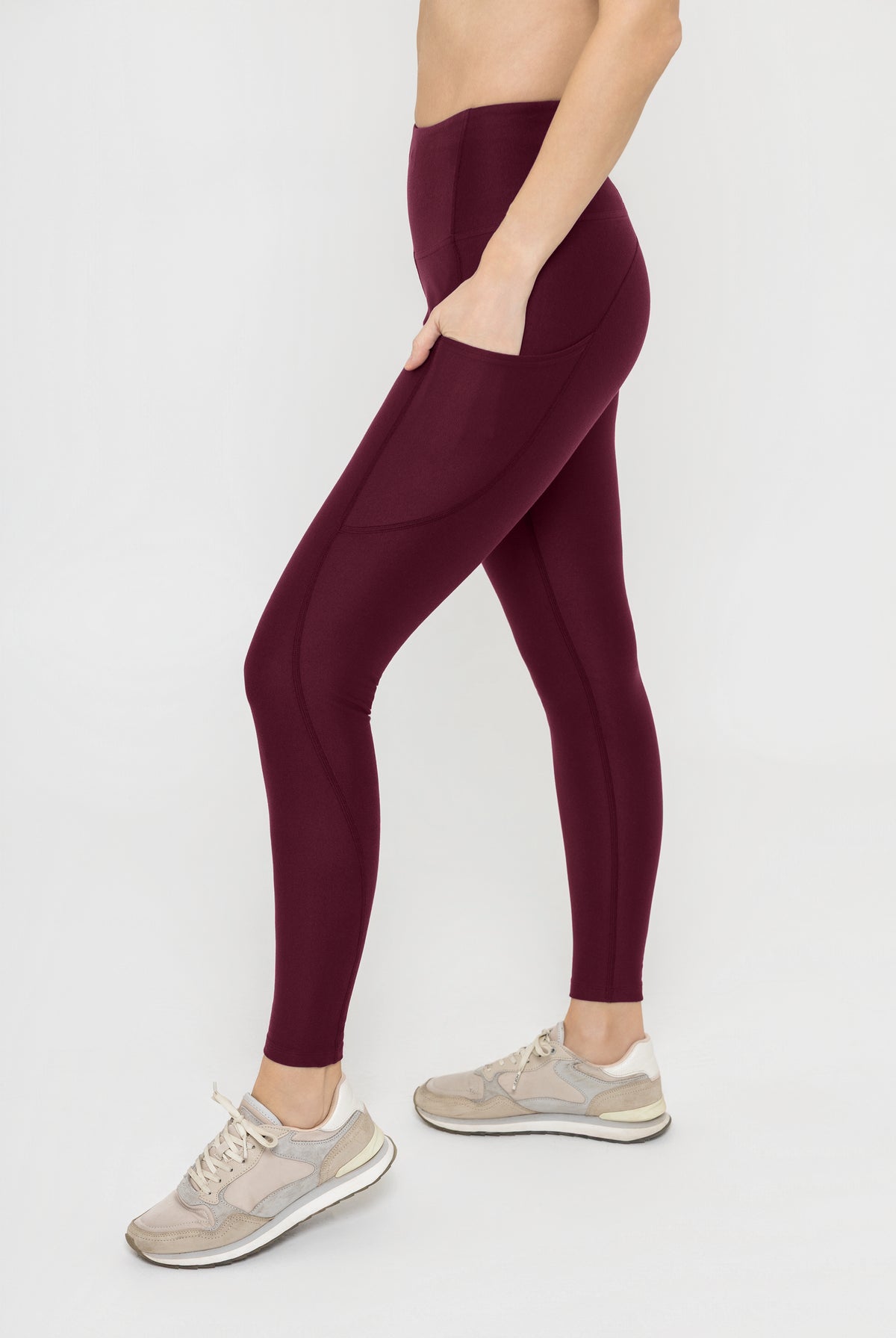
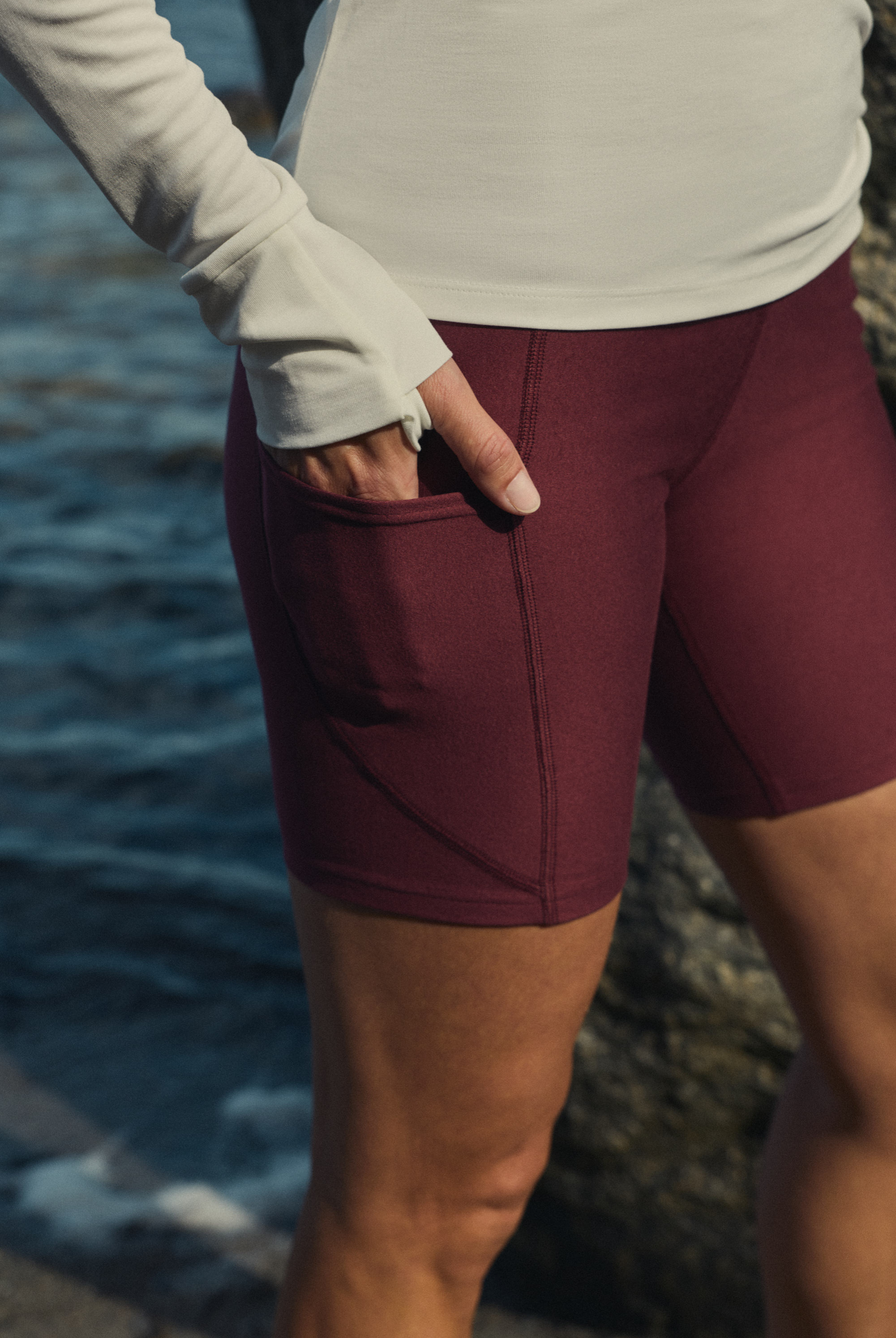
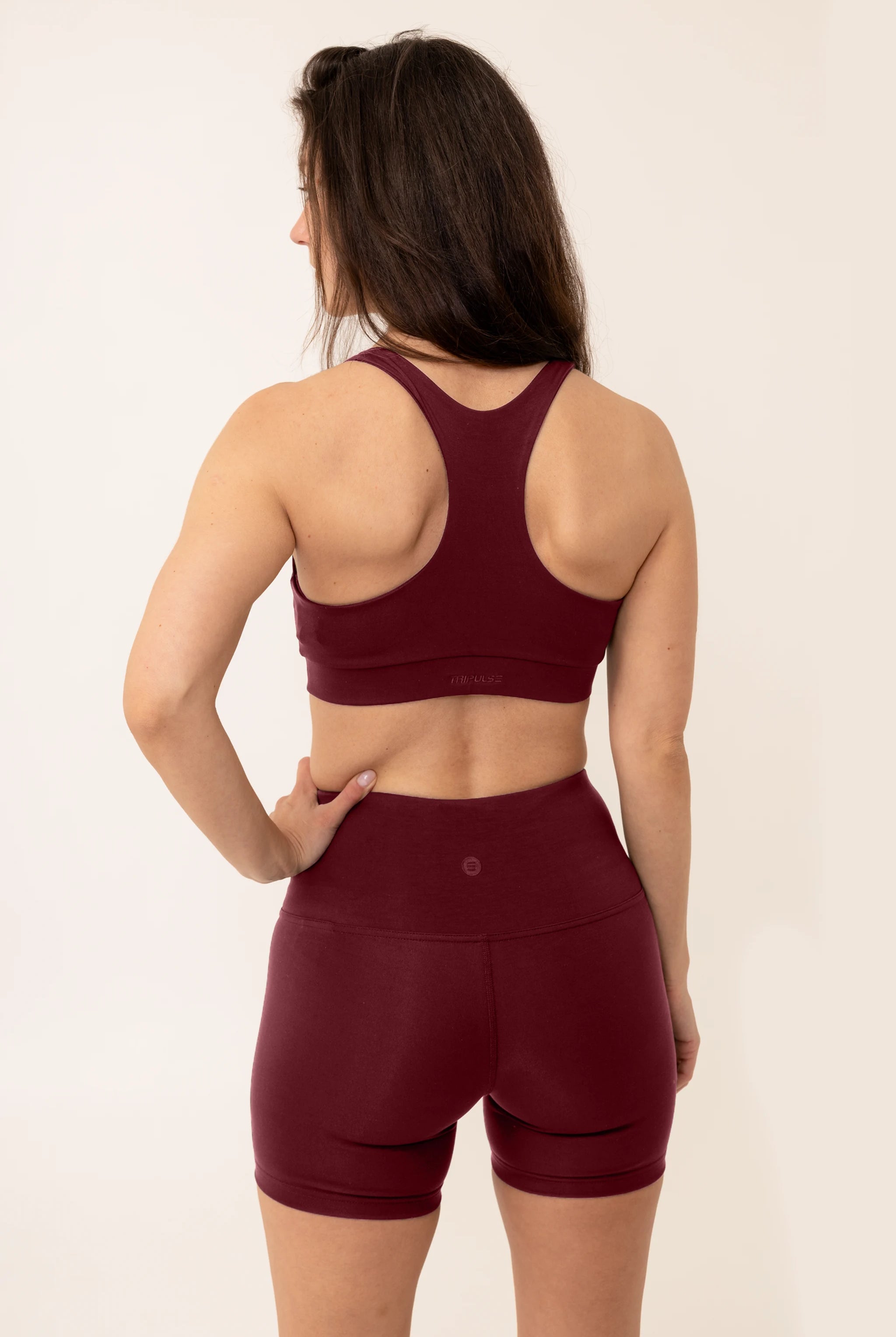
A warm, deep red is a good example of a color that transitions easily. It is dark enough to work as a base rather than a statement, and it sits with far more than you would expect: cream, white, gray, black, khaki, denim. A cream cotton overshirt from your own wardrobe, worn over a deep red set, is one way to take it beyond the workout.
A lot of activewear does not pass that test. Bright shades and a shiny synthetic surface tend to read as gym clothes. Comfort matters too. If a piece feels warm, or holds onto the smell of the session, you will want to change out of it whatever it looks like. That is the fabric's job rather than the color's.

Explore Wine Red Bottoms and Bra →
Can a deeper or richer color be just as versatile?
Yes, when the exact shade has been developed with versatility in mind. For activewear meant to be worn for years, color is part of its function. It needs to keep finding a place beside the rest of your wardrobe.
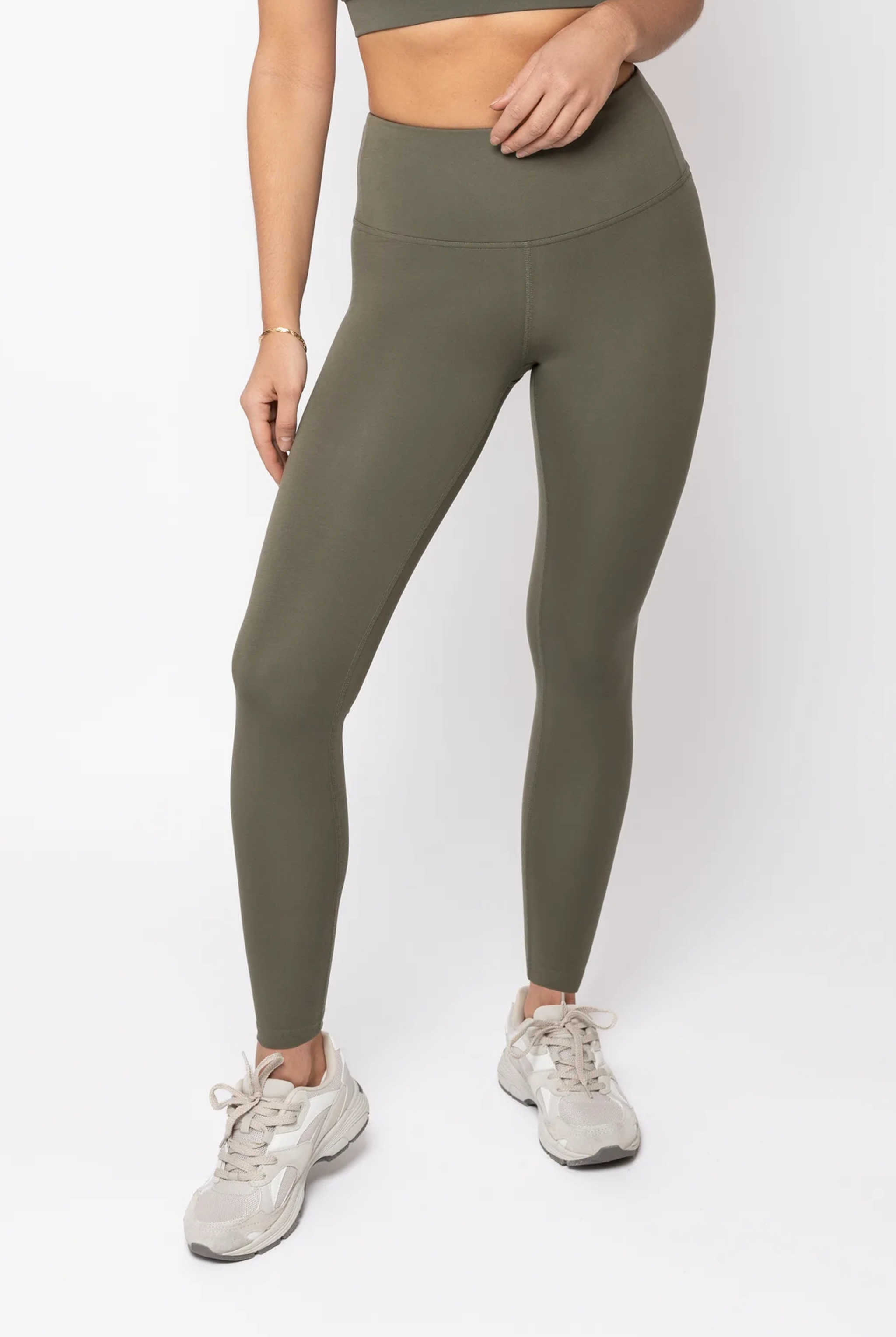
Two shades from the same color family can behave very differently. A bright emerald green naturally becomes the focus of an outfit and takes more thought to pair. A softer, more muted green can sit quietly beside the colors you already own, adding variety without limiting how many ways you can wear it.
At Tripulse, we develop our activewear colors as part of a coordinated palette, reflecting our approach to minimalist, purposeful design. Rather than chasing saturated shades tied to one season, we choose colors that outlast a single trend cycle.
Moss Green and Wine Red are two examples of how this works within the Tripulse palette. Both add color without dominating an outfit and coordinate naturally with familiar neutrals. They work as matching sets, but the individual pieces do not depend on their exact partners.
If you want a bright, saturated shade, our palette will not give you one. We soften every color so it combines easily, and that is a trade-off for some.

Choose Your Leggings Feel →
Shop Wine Red Sports Bra →
Can you wear the same colors all year?
Yes. If a color works with both the lighter and heavier layers you already own, it can stay useful throughout the year.
Before choosing, picture the shade in two everyday moments: after a warm workout with a light shirt or T-shirt, and on a cooler day beneath the knit, jacket or coat you already reach for. You are not trying to create two new outfits. You are checking whether the same piece has somewhere to go when the temperature changes.
Take a pair of brown natural performance leggings and a matching sports bra. They work on their own in warmer weather, and the same pieces sit under a trench coat when it cools. A deep red does the same beneath a wrap coat, and black under a wool jacket. The core combination stays the same. Only the layer around it changes.
Beyond color, seasonal comfort also comes down to the knit itself. Across our leggings and shorts range, Pro and Original are both performance-grade knits, made differently to give each its own weight and feel.
Pro is lighter and smoother, with a barely-there quality that may suit warmer days. Original feels slightly denser, which some prefer in cooler conditions. Which suits you depends on your climate, your movement and how you like activewear to feel.

Discover Versatile Original Leggings →
Discover Lightweight Pro Leggings →
I tend to choose colors that work all year round, then add a few accents to keep things interesting - pieces that can take me from dressier outings to the gym or adventures with my kids.
Ania Bergstrom, Tripulse team

Explore Pro Leggings →
Explore Original Leggings →
Beyond the shade, what else should you consider?
Which activewear colors show sweat the least?
Black, deep navy and other dark colors usually make sweat marks less noticeable than lighter or mid-depth shades. No color hides sweat completely, and how much shows depends on the exact shade, the fabric and how much you sweat.
Think about your warmest workout. If noticing a mark ten minutes into a class or run would distract you for the rest of the session, a deeper color may feel easier to wear.
The bigger difference is how the fabric handles moisture in the first place. A breathable, moisture-managing fabric can keep you feeling fresher and drier through the session, whatever shade you are wearing.
This is one reason why our activewear is made mostly of advanced natural performance fiber TENCEL™ Lyocell. In our study of 51 customers, most of whom had worn Tripulse for three months or more, 73% rated its moisture wicking better than synthetic activewear during high-intensity sessions.
Among the smaller group of 37 who compared Tripulse with the natural activewear they already owned, including organic cotton, merino wool and TENCEL™ Lyocell from other brands, 77% rated it better at keeping them dry during intense workouts.
I've worn it on very active days and not felt like I was sweating at all.
Alison L.
What our activewear is made of
The entire collection uses advanced botanical fiber (TENCEL™ Lyocell) and clean stretch where needed.
- Pro leggings, Pro shorts and sports bras: 86% TENCEL™ Lyocell with 14% ROICA® EF385 eco-elastane (recycled elastane from pre-consumer materials).
- Original leggings and shorts: 84% TENCEL™ Lyocell with 16% ROICA® V550 eco-elastane (significantly better degradability compared to conventional elastane, and Cradle to Cradle Certified™ Material Health Gold for chemical safety).
- Tops: 100% TENCEL™ Lyocell, down to the thread.
Every material, dye and finish is OEKO-TEX® STANDARD 100 certified. Explore our fabrics.
Want to feel the difference through a session?
Does color affect whether leggings are see-through?
Color can influence how visible skin or underwear becomes, but it is not a reliable measure of opacity. Fabric weight, knit density, stretch and fit matter far more.
A dark color can feel more reassuring but still become sheer when stretched. A well-made lighter pair can stay comfortably opaque through movement. Two pairs of leggings can both be made with TENCEL™ Lyocell and behave completely differently. Our Pro and Original leggings are made specifically for stretch, recovery and coverage.
There is also a limit to what you can judge online. Verified customer reviews that mention opacity can help, but the final test is seeing the fabric in natural light and moving in it yourself. Check that the brand's returns and exchanges policy covers color, not just size, so you can see it on before you commit.
At Tripulse, one free exchange per order covers color as well as size, within 30 days and on unworn pieces. If you would rather test a piece in training first, our 45-day Performance Guarantee covers store credit if it does not perform.
Impressively there was zero sheer-ness in the leggings and the fabric was thick enough to not show any lines either!
Ashley F.
How will the color hold up to repeat wear?
That depends on the dyes used and how often you wash it. All dyed fabric can change over time, so the fewer washes a piece needs, the longer the color generally holds.
“Color retention, color fastness, longevity and quality are all very important,” says Franziska Mesche, who founded Tripulse and leads its product development. “Quality is a key value and design principle of our clothing, and color is a big part of that.”
Every Tripulse fabric is tested for colorfastness before a new color launches. “There is an ISO test we do with all our fabrics to ensure the color stays. We do all this testing before we actually launch a new color.”
This is where fabric choice matters. In our Performance Study of 51 customers:
- 86% could wear their Tripulse pieces at least twice before any odor developed
- 41% reached five wears or more
Fewer washes mean less wear on both the fabric and the color.
Our guide to caring for TENCEL™ Lyocell activewear covers gentle washing and drying advice to help your pieces stay at their best for longer.
I teach Pilates in Tripulse Pro leggings, in Midnight Black and Terra Brown, and have for six months. Neither has gone sheer through a class or shown sweat marks, and I can usually get through several sessions in one pair before washing. I air dry them, and the color has not shifted.
Christie Johnson, author note
Are activewear dyes safe for your skin?
Activewear dyes can be safe to wear against the skin. Whether they are depends on what was used and on whether it has been independently tested. Dyes are a recognized cause of skin irritation from clothing, particularly for sensitive skin.
When you choose pieces for an activewear capsule, the color you pick matters, and so do the standards the brand holds itself to. The shade is the part you can see. Finding out what has gone into making it is harder, because a clothing label lists the fibers but rarely the dyes and finishes applied to them.
Certification is the practical way to know. Check what a brand’s certification and testing actually covers, because some apply to the fabric alone and leave out the dyes, finishes and trims on the finished piece. Check too whether the testing was independent rather than in-house.
At Tripulse the dyes are water-based reactive dyes, and every material, dye and finish is covered by OEKO-TEX® STANDARD 100, tested and certified free from over 1,000 harmful substances, including formaldehyde and endocrine disruptors such as PFAS and BPA.
In our Performance Study of 51 customers, 50 of 51 reported zero skin irritation.
The Tripulse approach to color
How does Tripulse choose its activewear colors?
Tripulse adds a small number of activewear colors each year, chosen for versatility and timelessness rather than for the season. Franziska walks through the five things that decide whether a shade makes it into the range:
- The neutrals are decided first. The base shades come before anything else and are carried across as much of the range as possible. “It always starts with the neutrals. We want neutral colors that can be mixed and matched with more vibrant colors, so we have blacks, navies, browns and whites in specific shades included in all or most of our styles.”
- New colors begin with a request. “We introduce new ones when we get requests... It’s not based on the traditional model of needing a new color just because it’s a new season. Less is more.”
- The exact hue is researched rather than picked. Every candidate is compared against the colors already in the range to find the version that combines most easily. “This process takes us the longest time.”
- The shade is tested on different skin tones. The same color can look quite different depending on skin and hair tone, so the aim is the version that suits the widest range of people. “We test the color on different skin colors to see how it looks.”
- What works is kept. Colors that customers are happy with go into the permanent collection rather than being retired at the end of the season. A color that stays in the permanent collection is one we do not have to replace.
The result is a palette you can build on slowly. Pieces bought years apart still work together, and a shade in the permanent collection is still there if you want the matching piece later.
Not sure what belongs in an activewear capsule wardrobe? We narrowed it down to a few versatile pieces that all work together. See our guide to building an activewear capsule wardrobe.
Final thoughts
The activewear capsule color worth choosing is the one you keep reaching for, through every workout, every season and whatever comes afterward.
That is the thinking behind the Tripulse palette and our wider design philosophy: fewer, thoughtfully made pieces that feel good on your body, work with what you already own and remain useful for longer. It is a calmer way to dress for movement, with less to decide and less you need to buy.
For more, visit:
- What to Wear to Pilates: Essentials, Fabric and Skin Health
- What to Wear to Hot Yoga: Stay Light, Fresh and Comfortable
- What is TENCEL™ Lyocell? Everything You Need to Know
About the contributors
Written by Christie Johnson, a wellness and sustainability writer who has been publishing since 2020. Since 2023 she has written about performance fabrics, versatility and how activewear earns its place in a wardrobe. A certified Pilates teacher, she trains and teaches in Tripulse TENCEL™ Lyocell activewear, giving her first-hand experience of how natural fabrics perform during training.
Developed with Franziska Mesche, Founder and CEO of Tripulse. Since 2019 she has sourced and tested a wide range of natural and synthetic activewear fabrics, and shaped the versatile, minimalist design that runs through the Tripulse range. Years of hands-on product development have built her practical expertise in how performance materials behave in real athletic use.