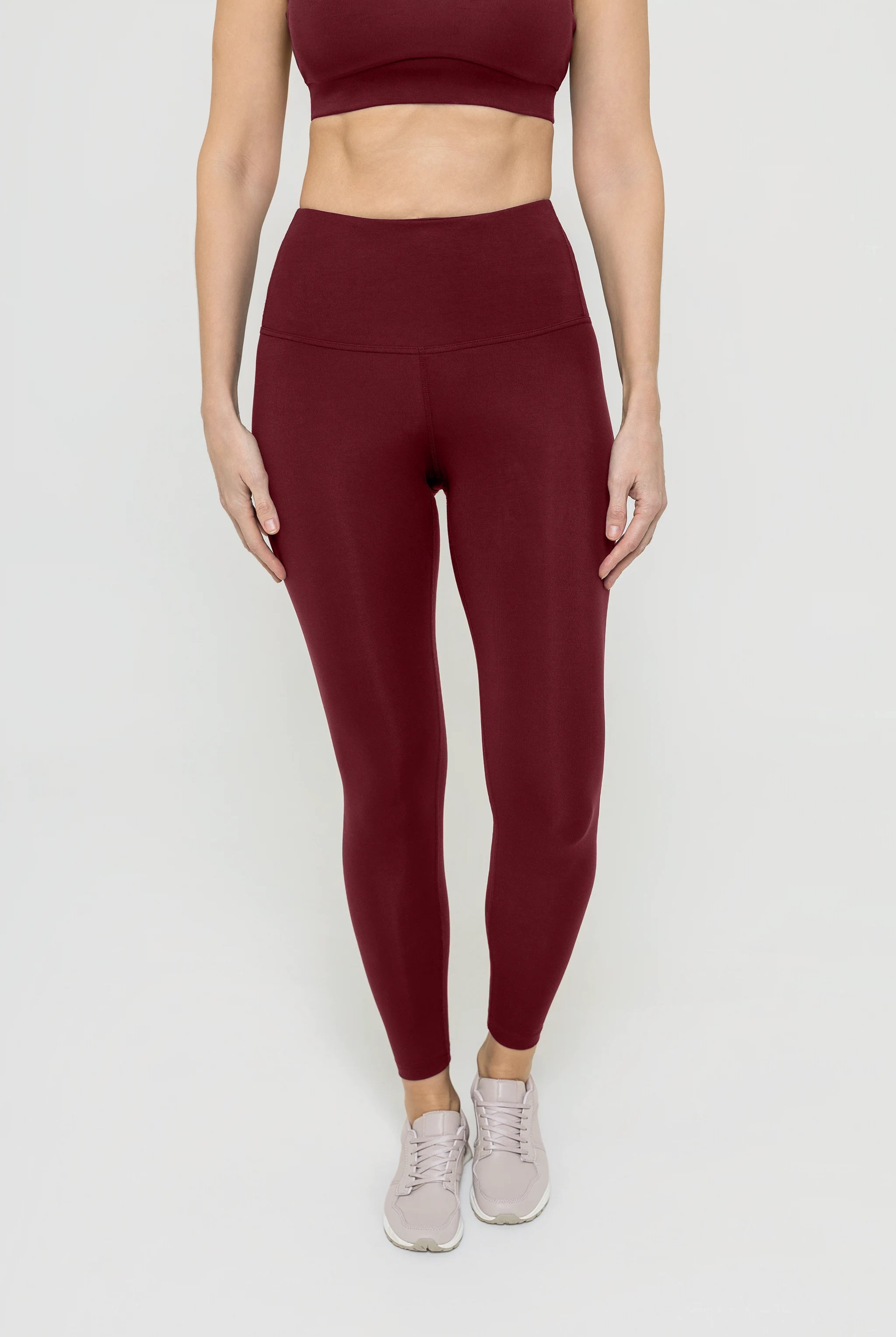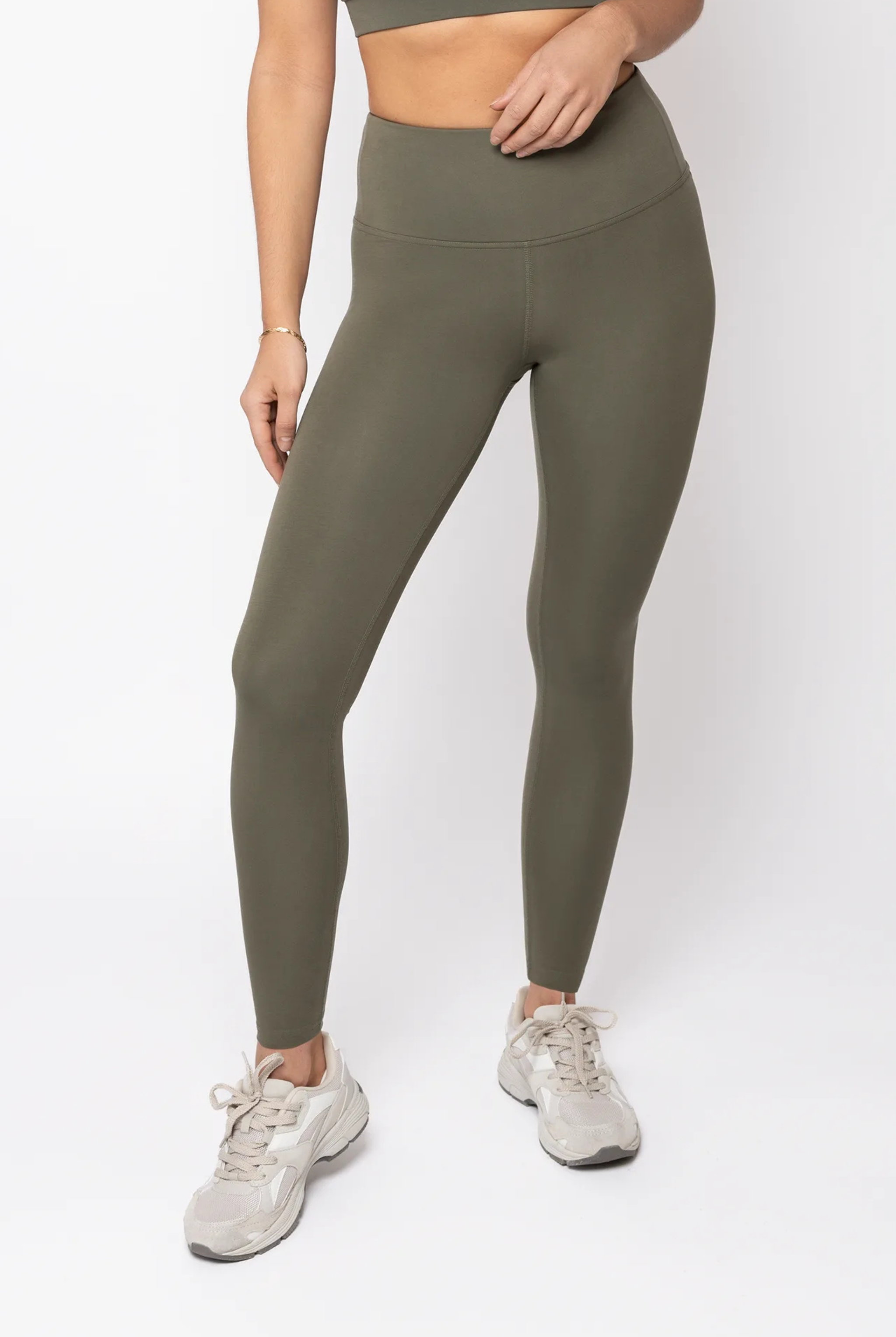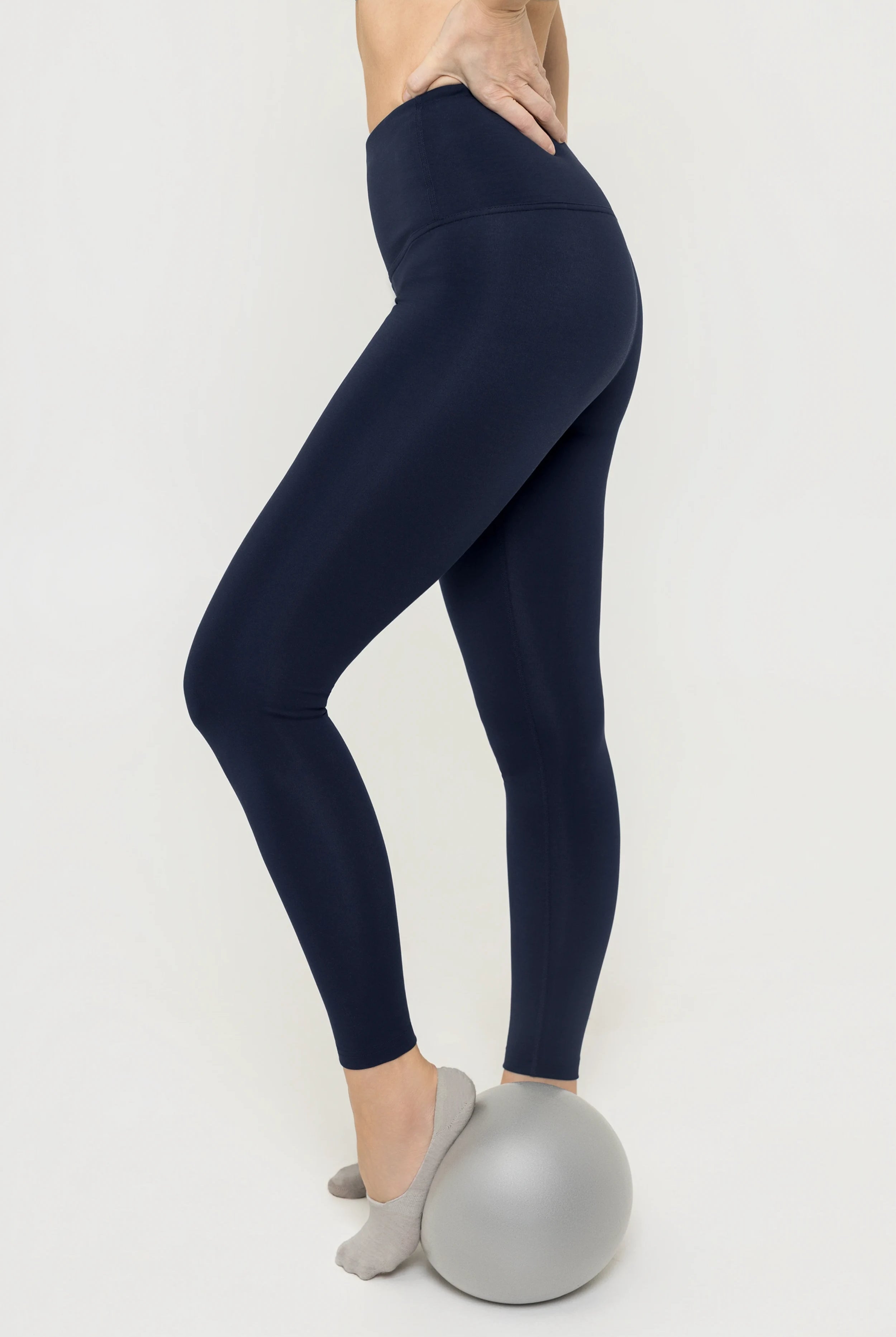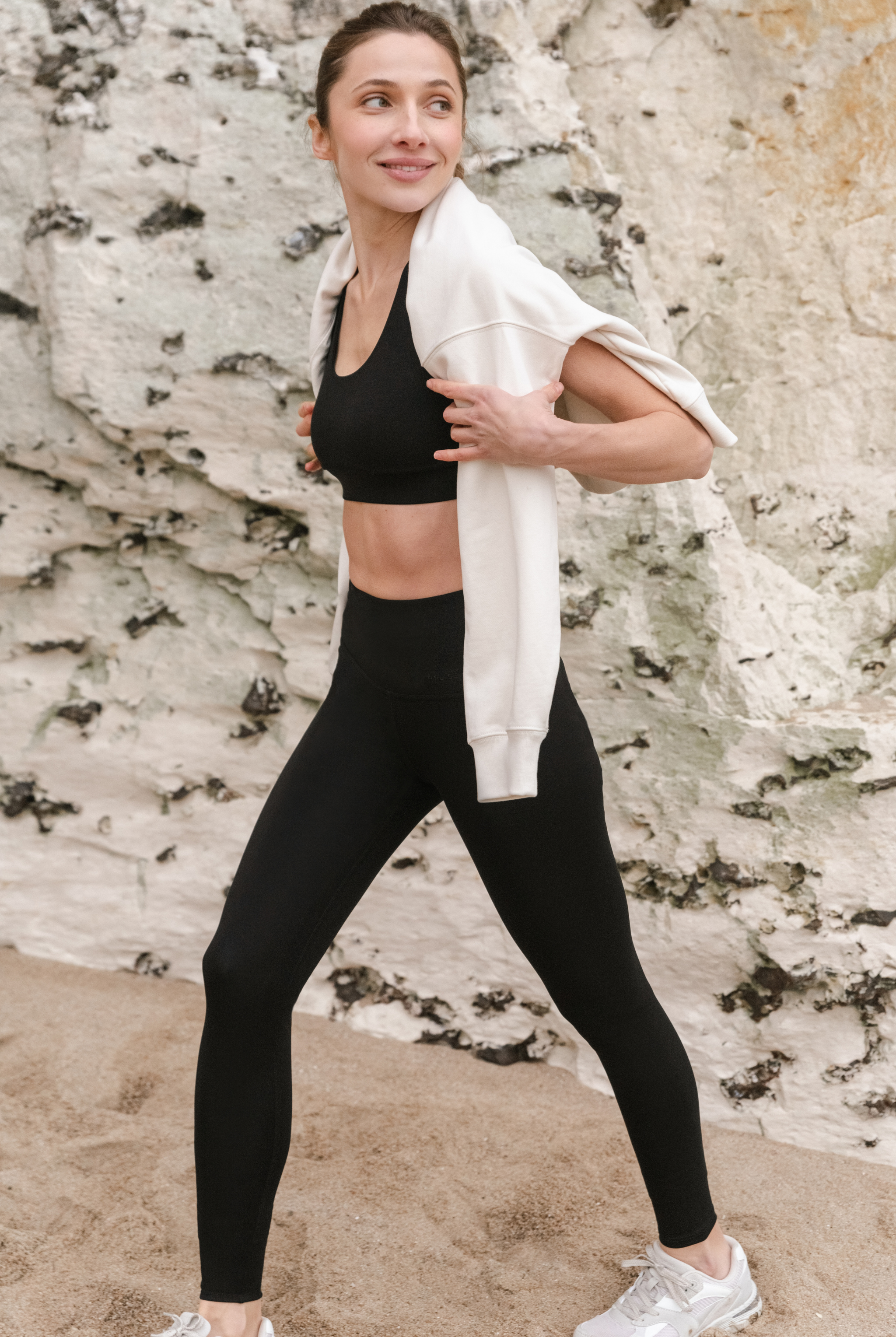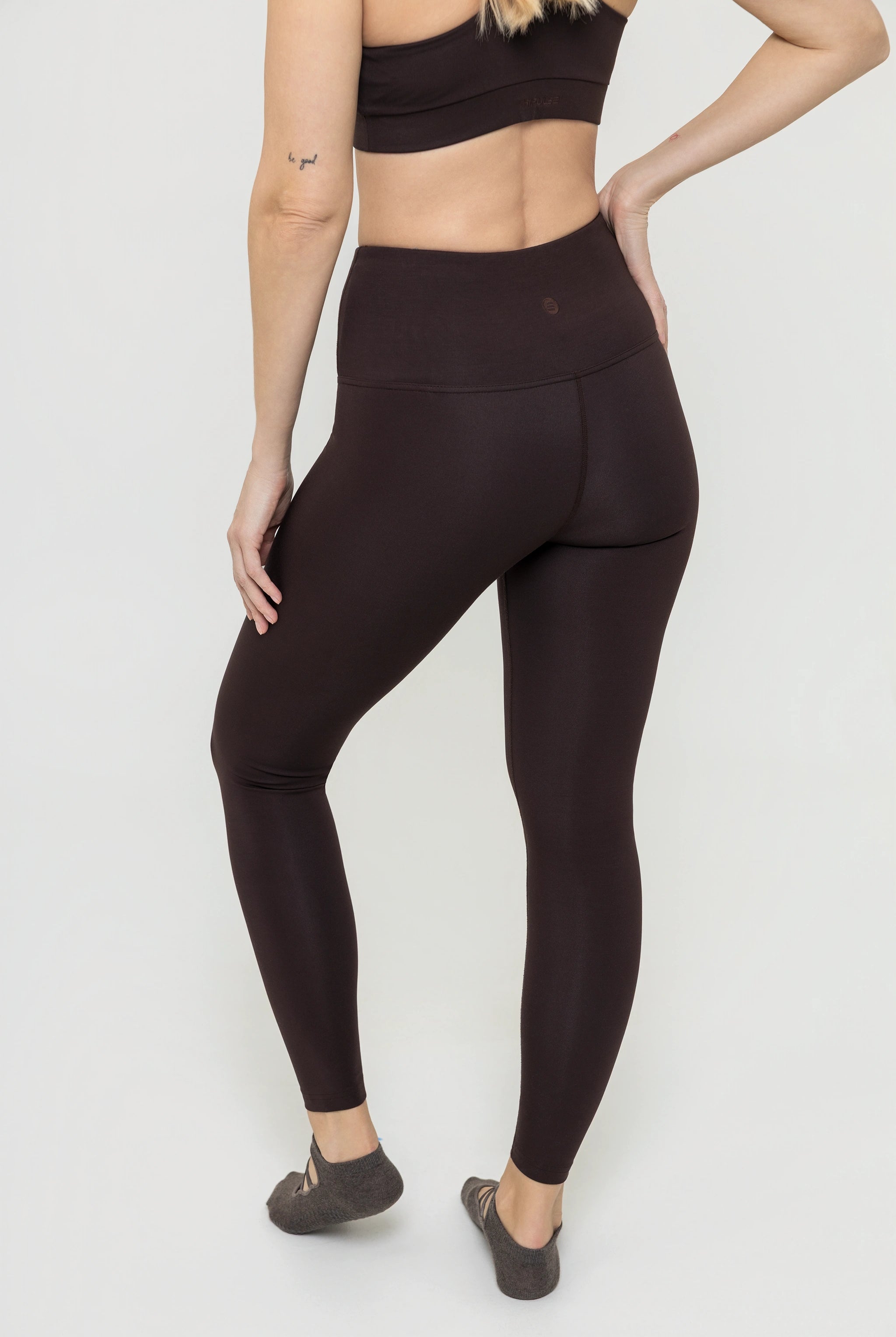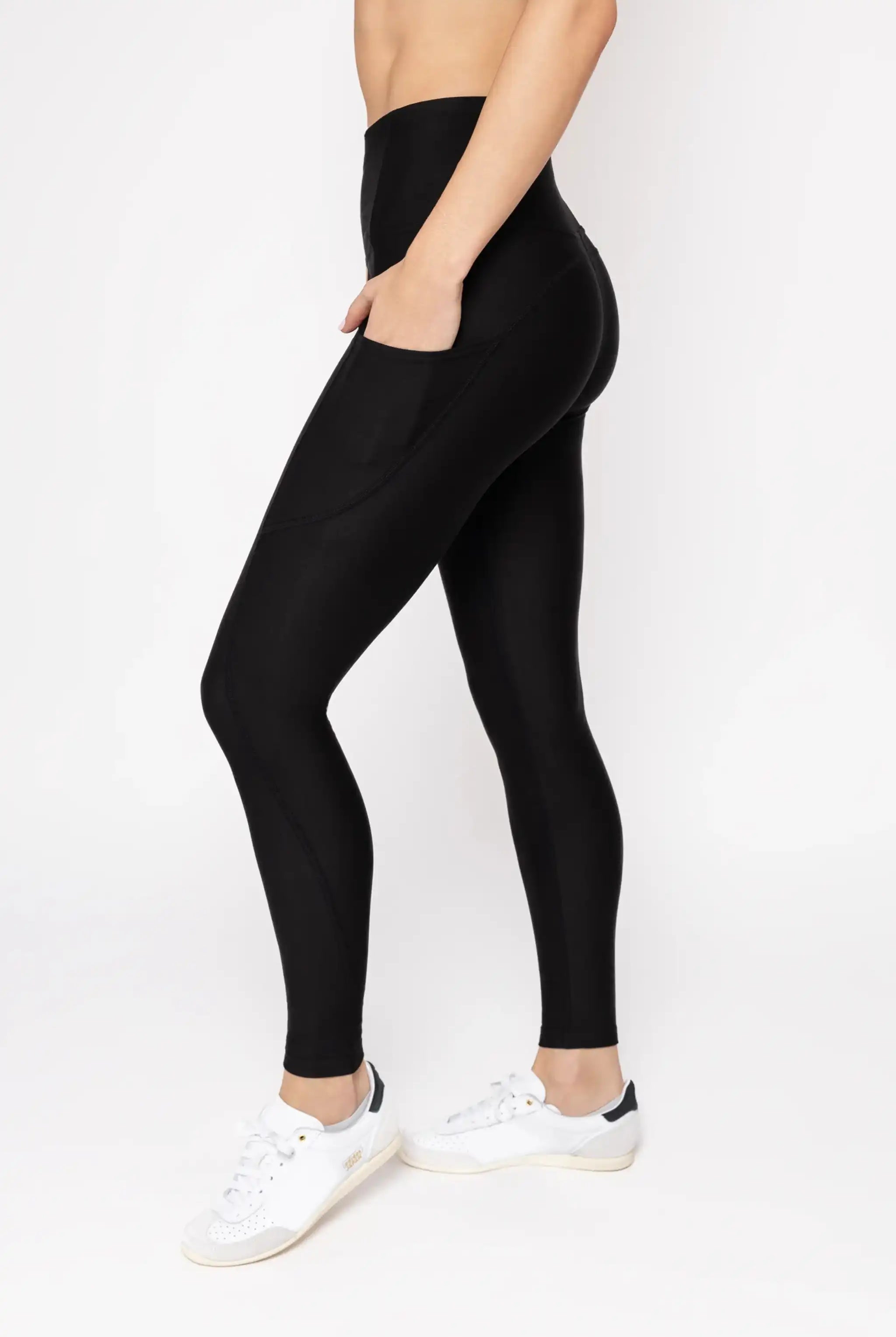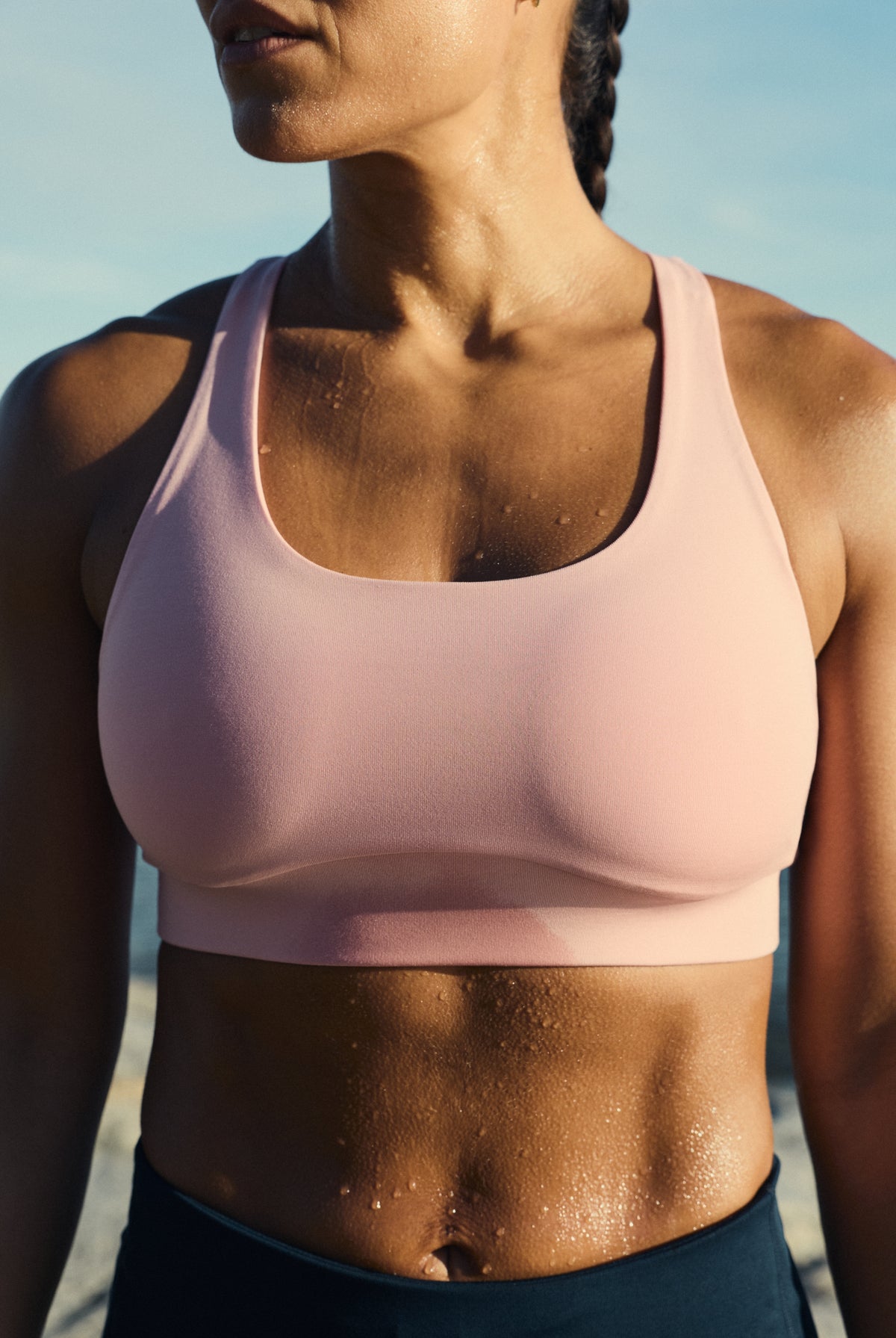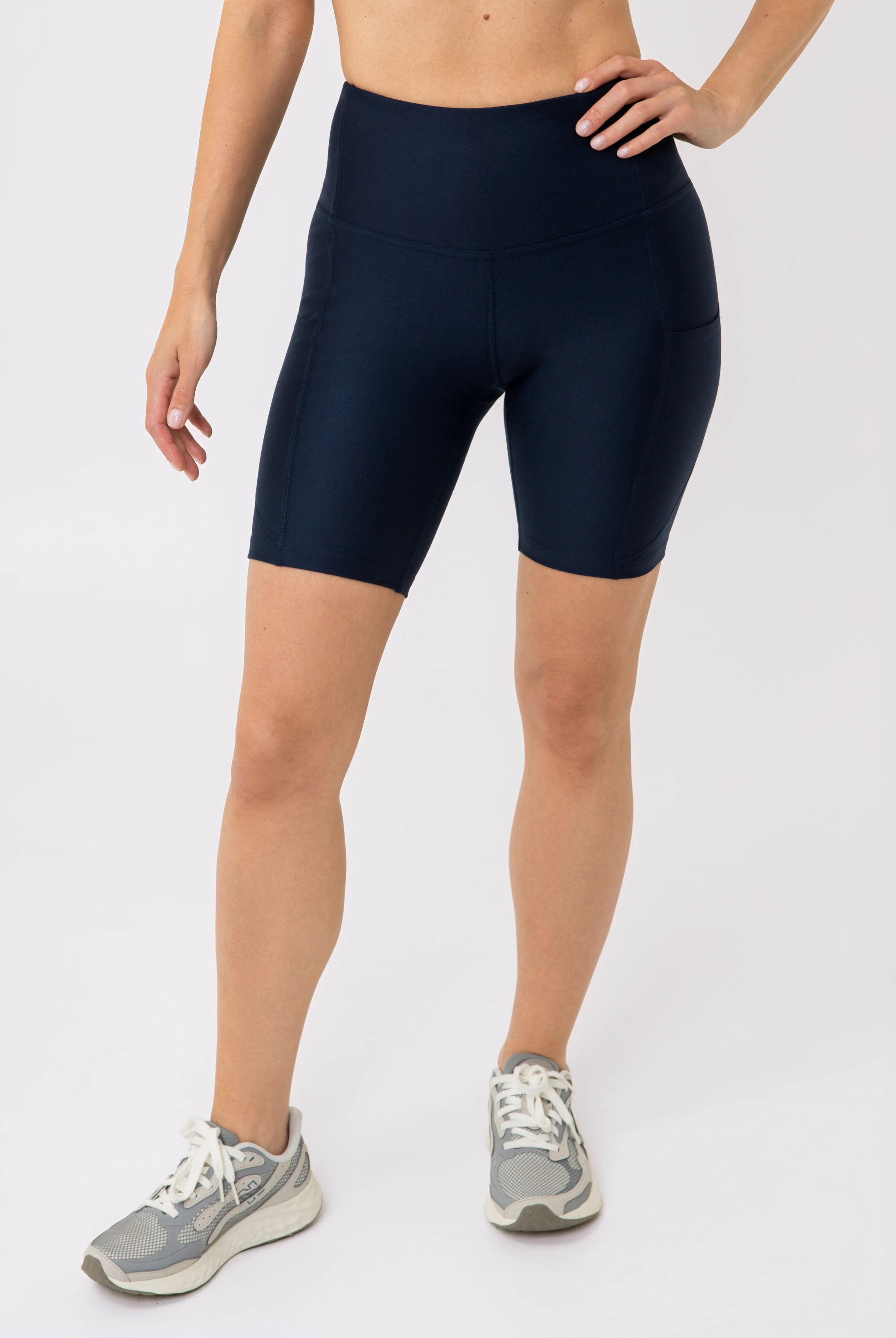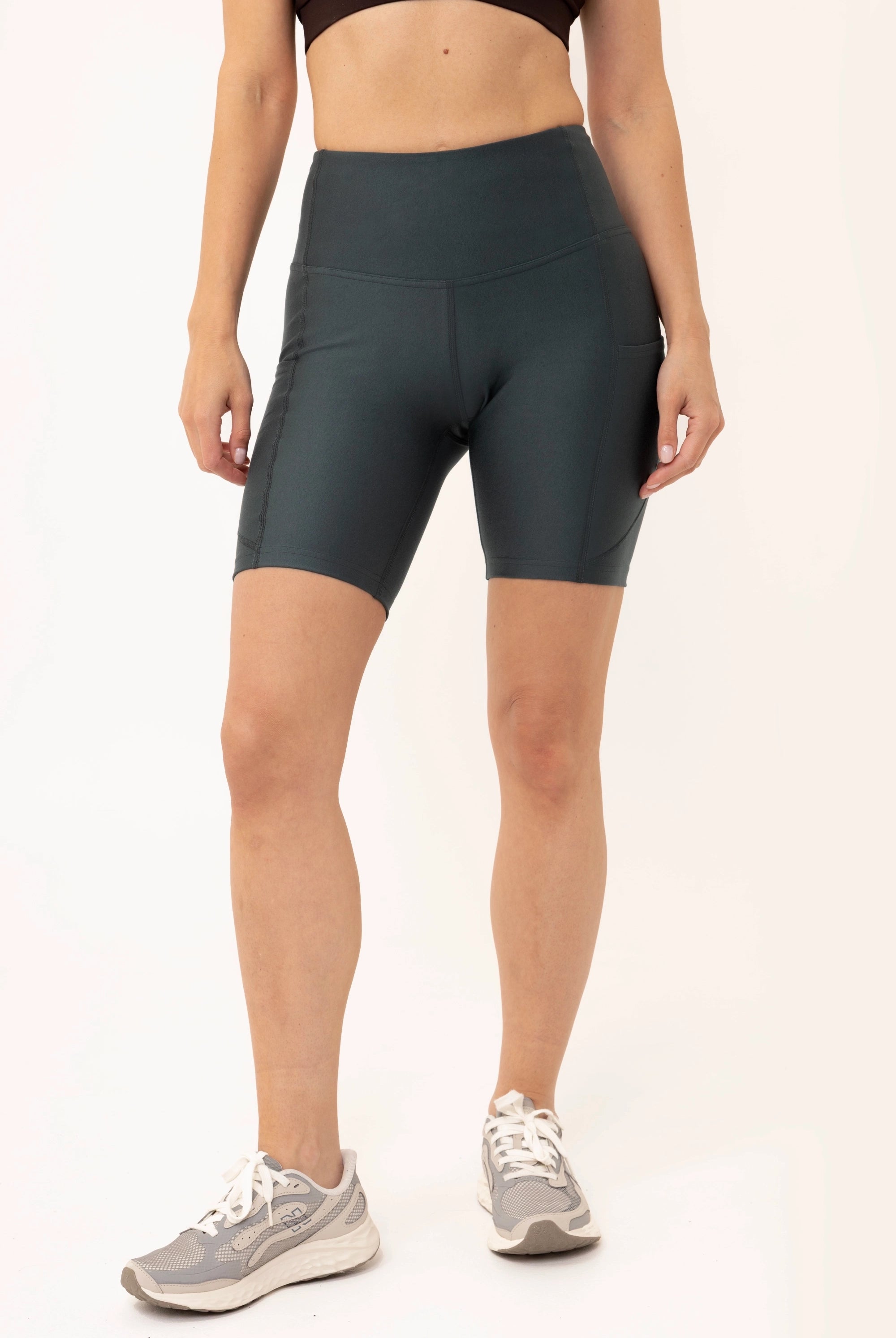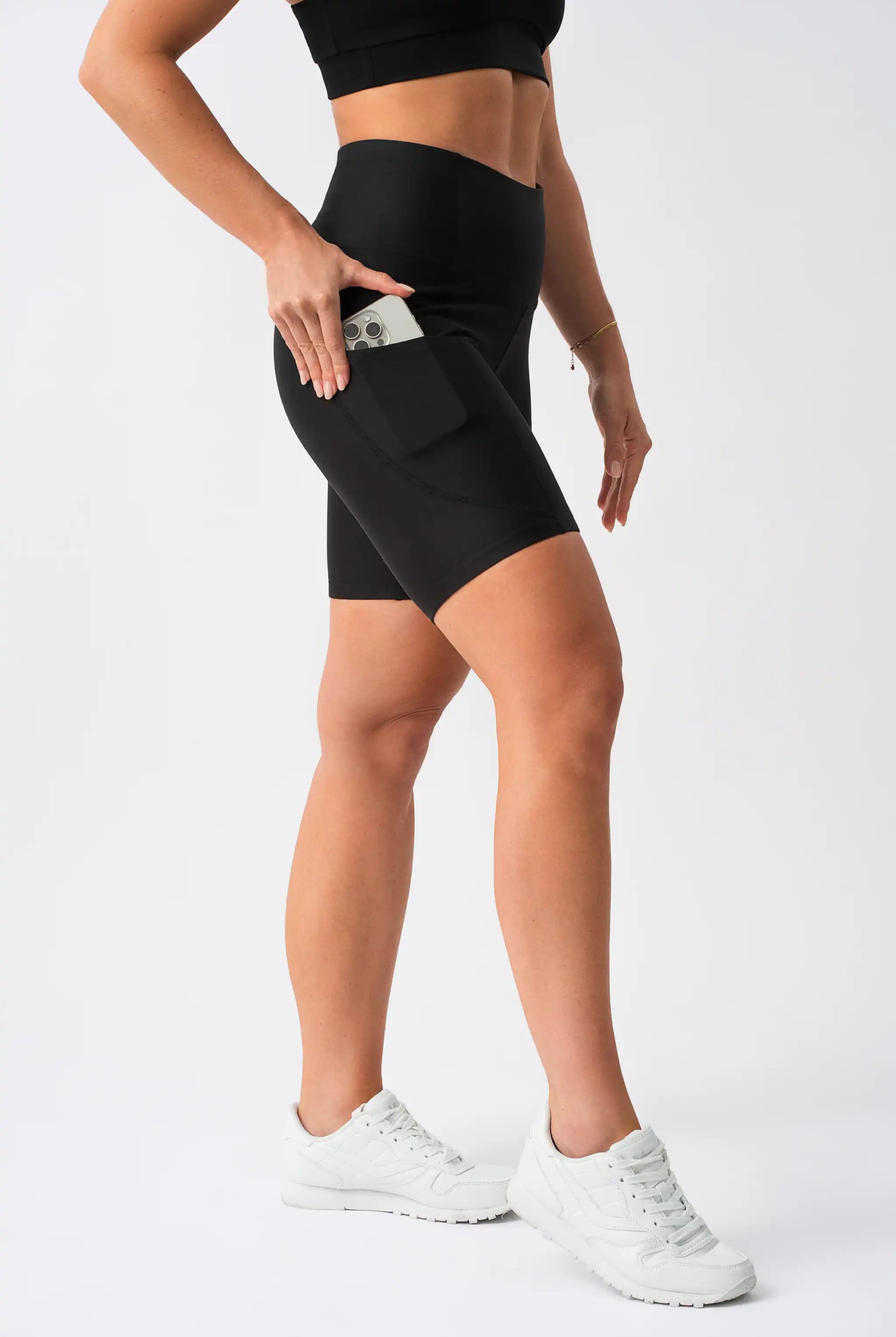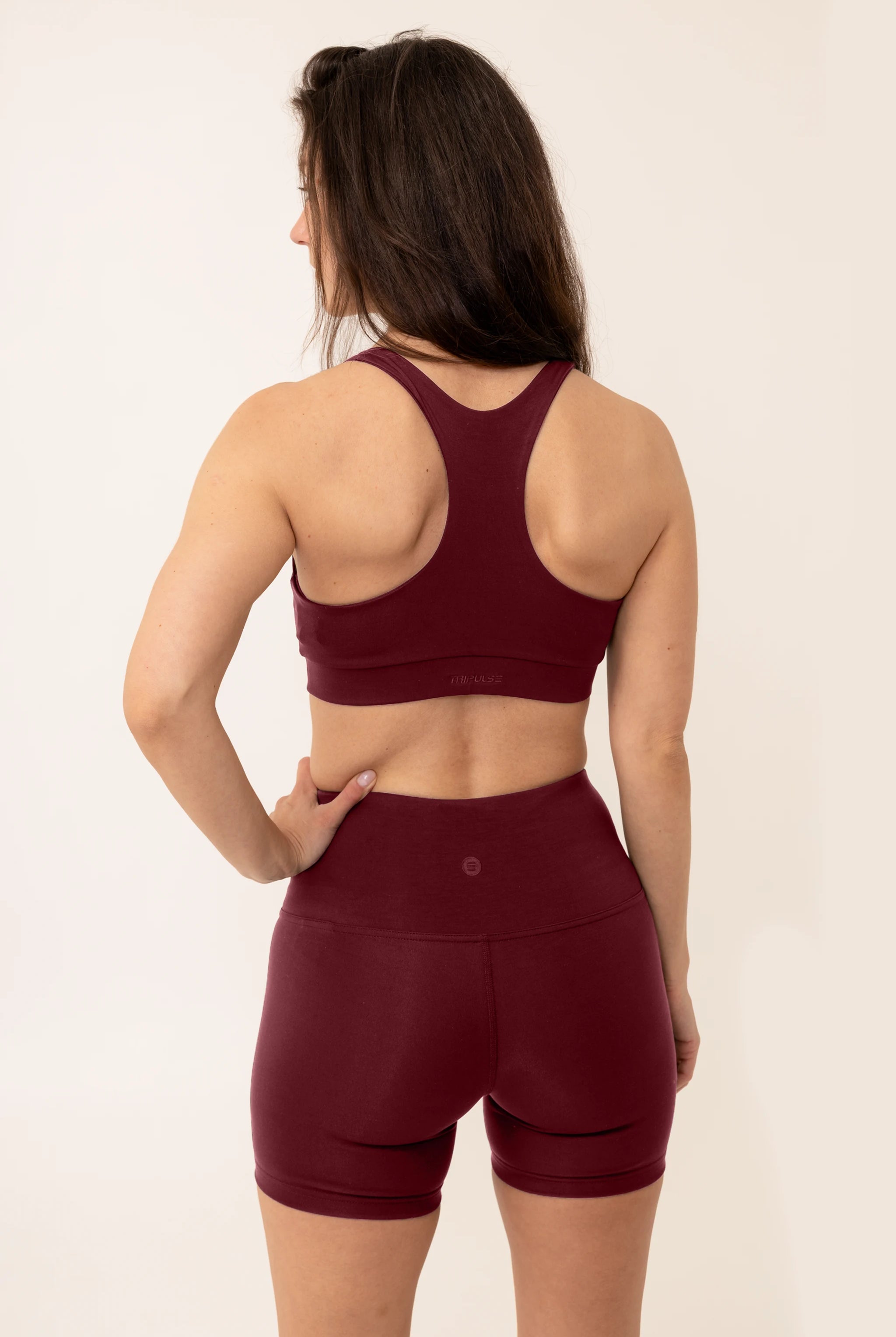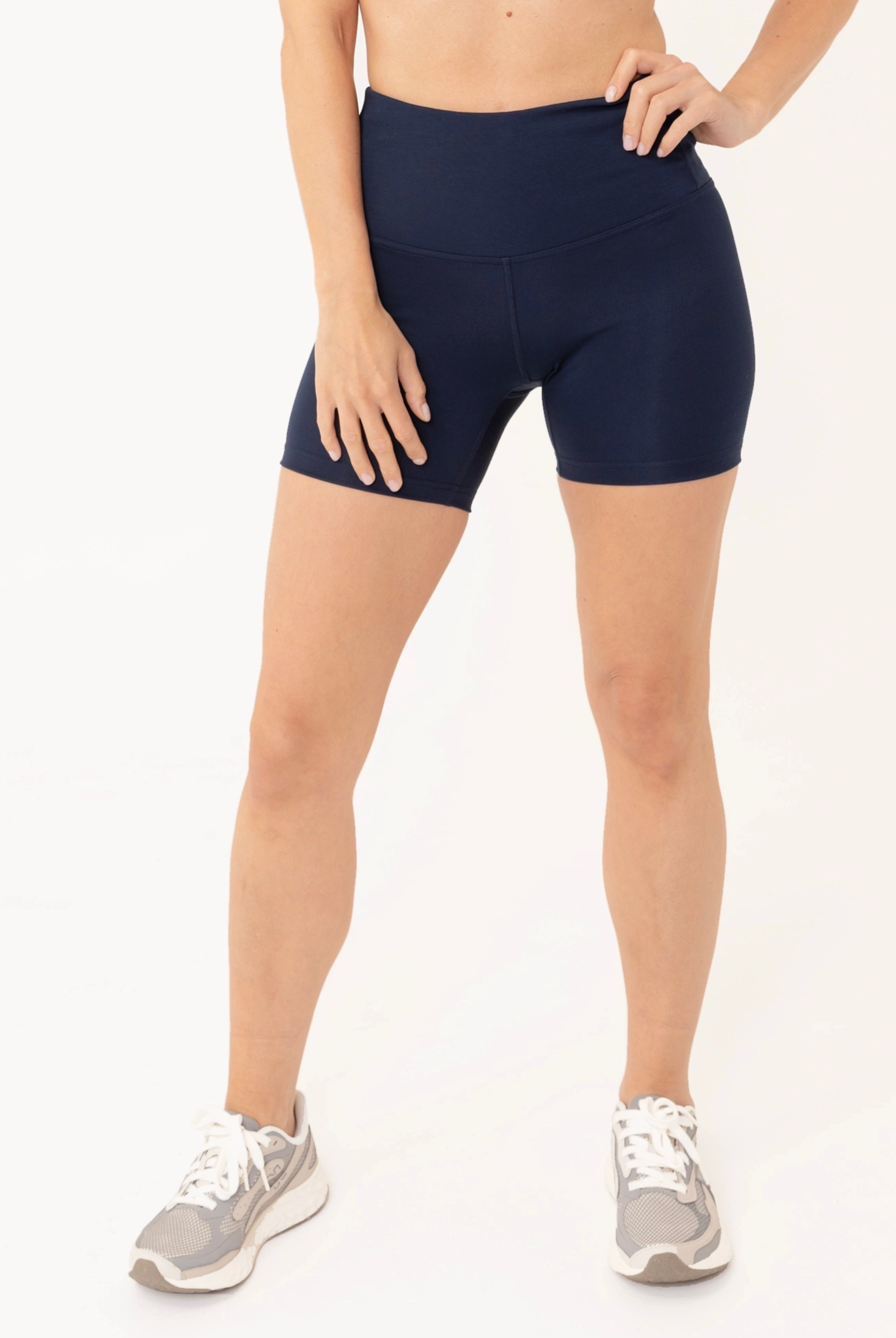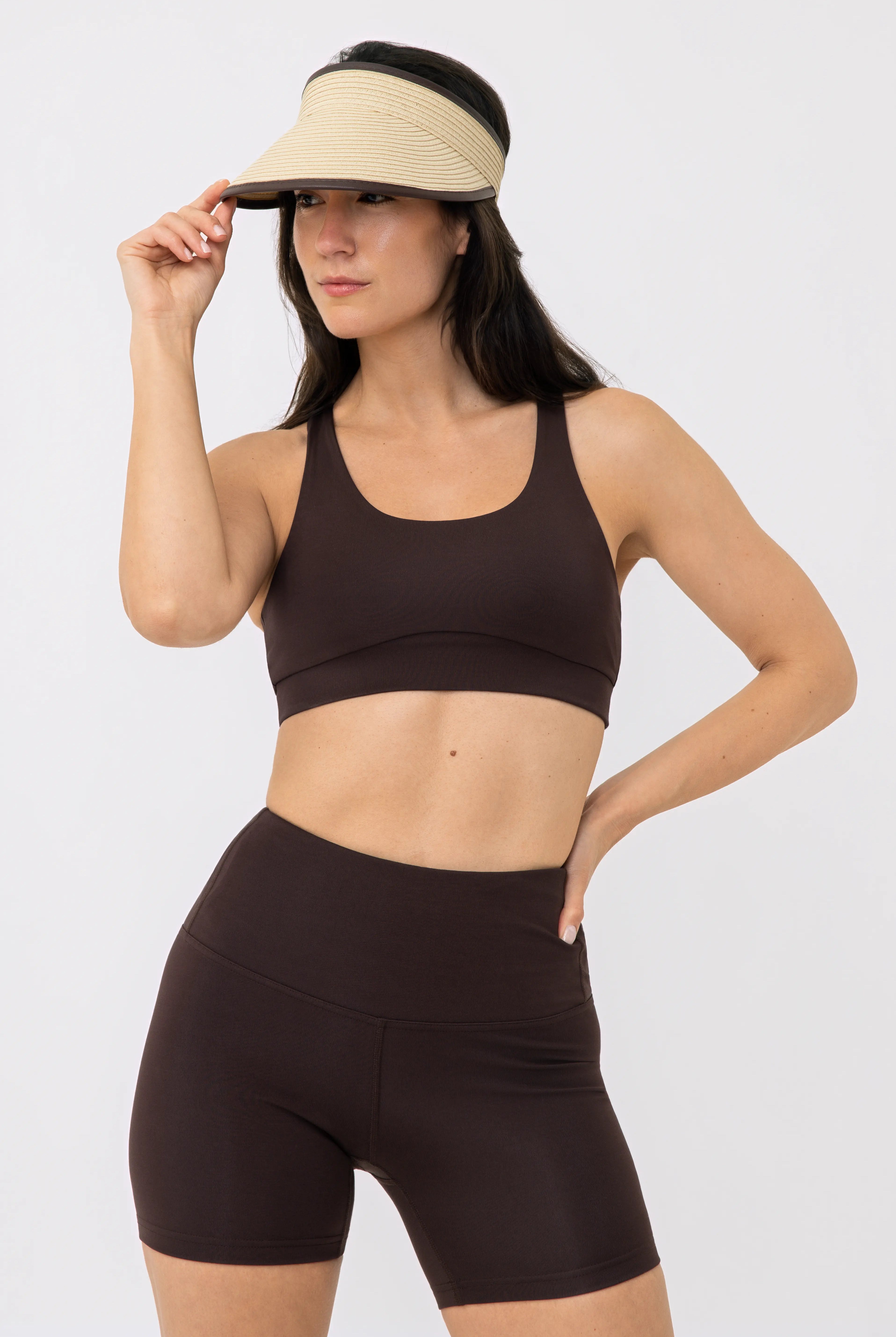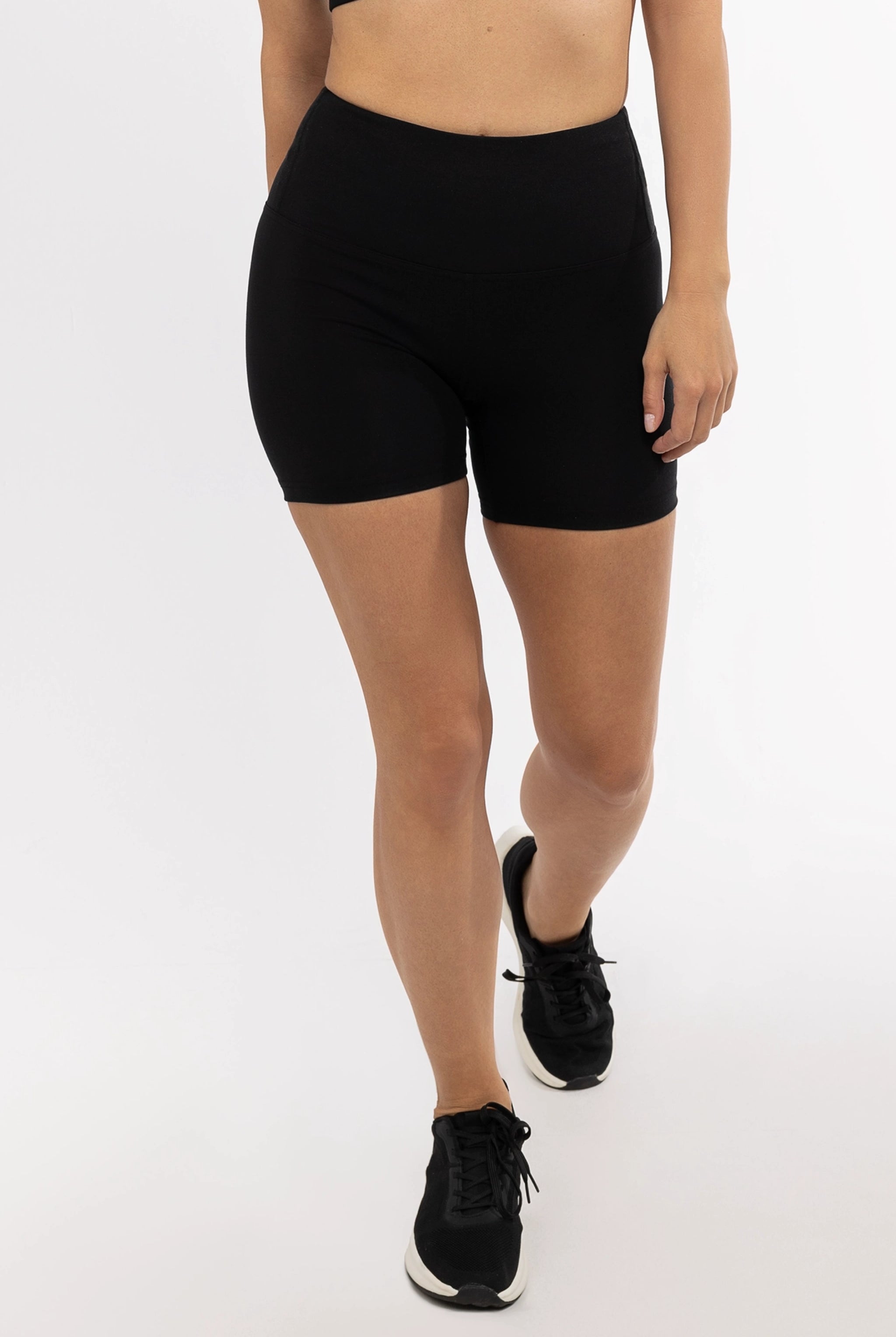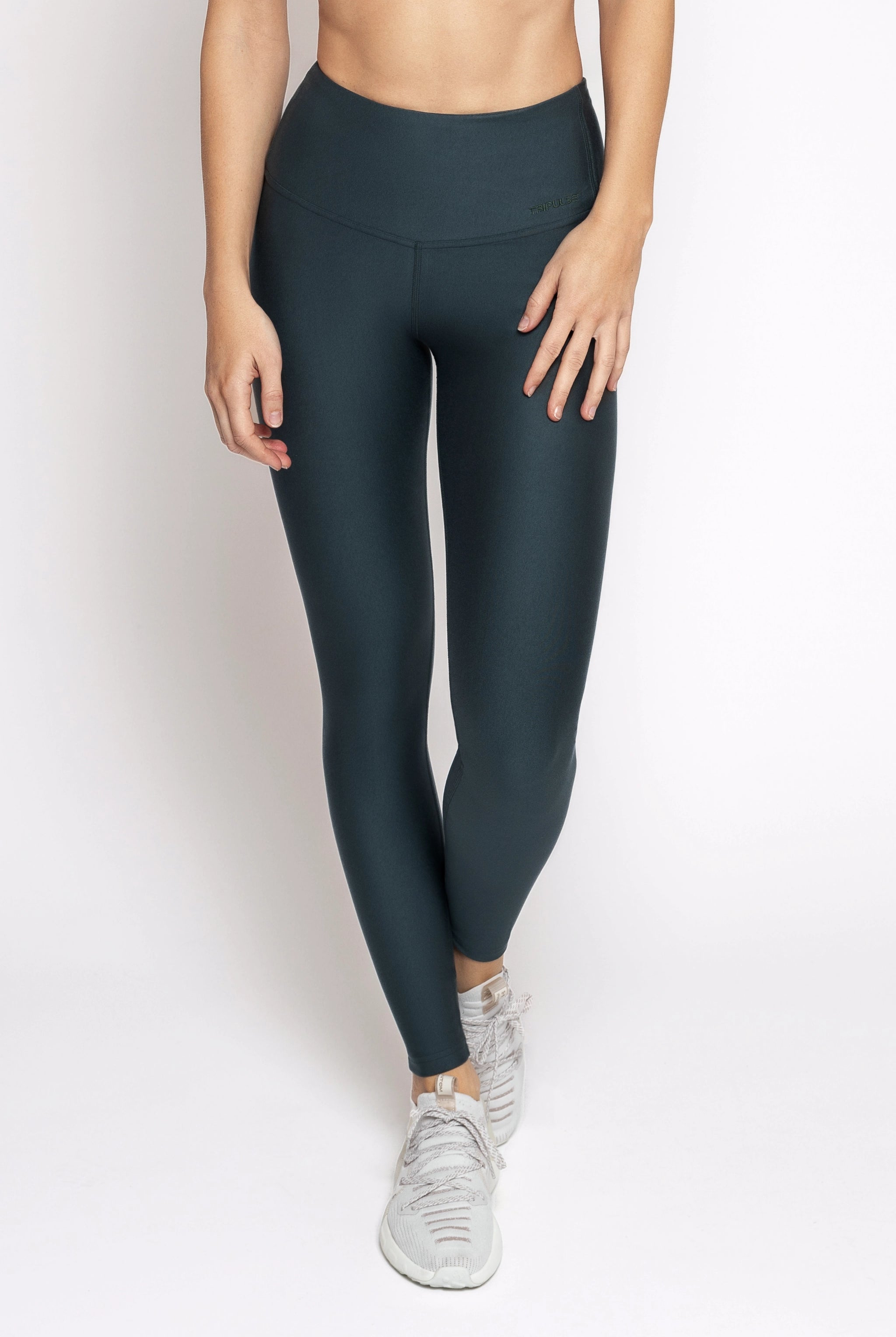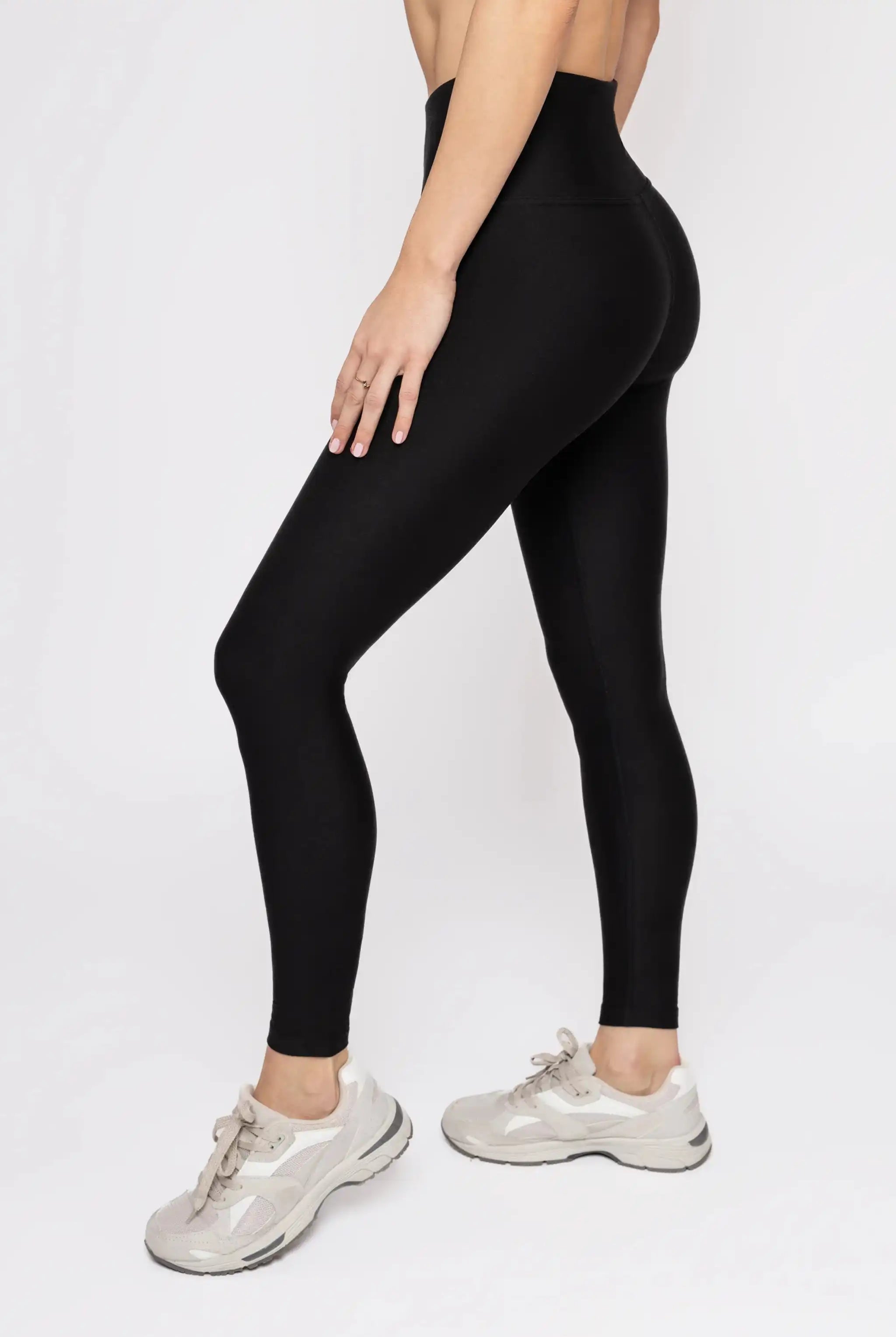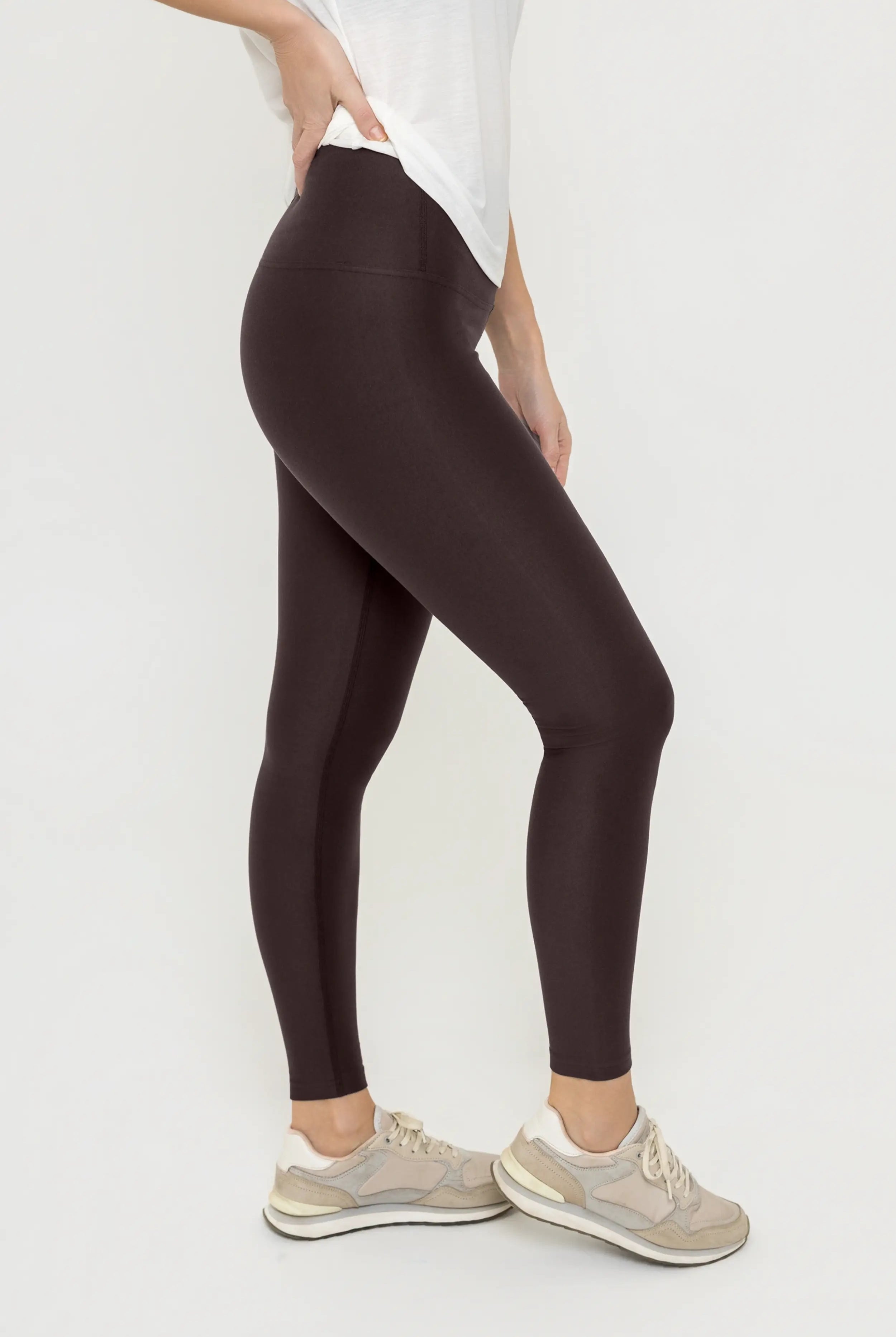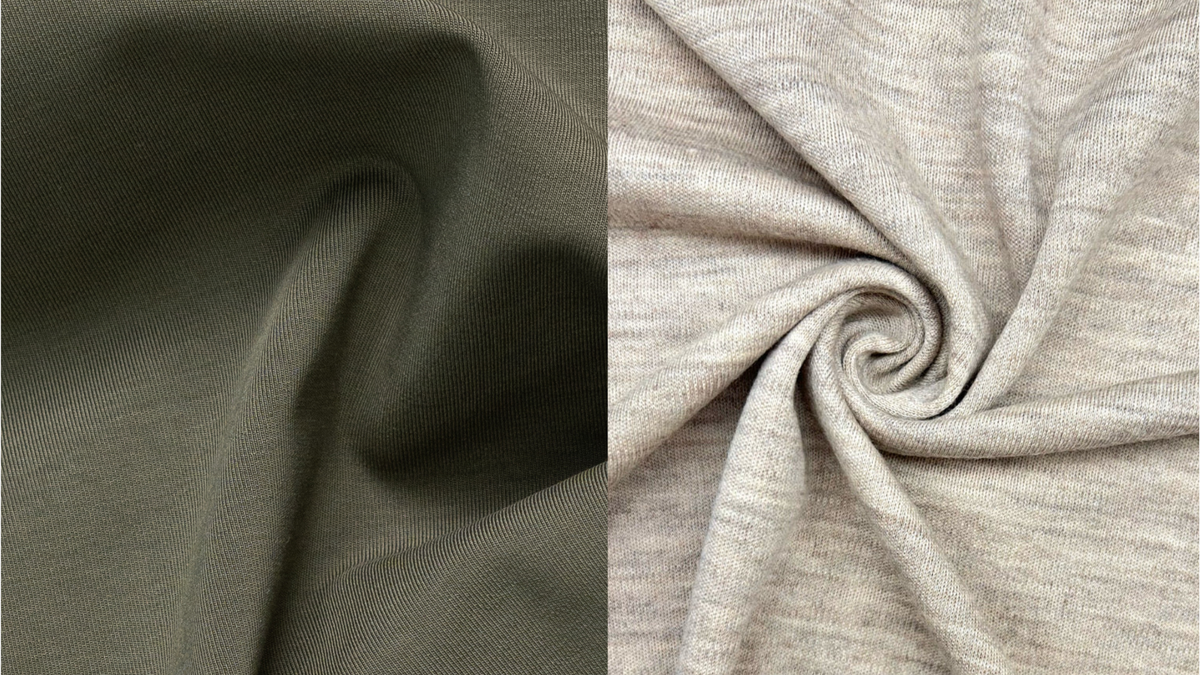
TENCEL™ Lyocell and merino wool are both natural performance fabrics – but they perform differently depending on how you train, what your skin needs, and what you value.
Discover the key differences across moisture management, odor resistance, skin comfort, durability, and sustainability, so you can choose with confidence.
Note: this guide covers TENCEL™ Lyocell specifically – not TENCEL™ Modal, which is a separate fiber with different properties.

TENCEL™ vs Merino Wool for Activewear: Quick Answer
TENCEL™ Lyocell outperforms merino wool for most activewear needs. It works across every intensity and climate, is smoother against the skin, stays fresher for longer, and is rigorously certified for health and sustainability.
Merino wool is suited to cooler, lower-intensity conditions and can be a responsible choice, though certified options represent a small fraction of what's on the market.
| TENCEL™ Lyocell is best for | Merino Wool is best for |
|---|---|
| Year-round training at any intensity, indoors and outdoors – yoga, pilates, HIIT, running, and everyday wear | Cool or variable climates, low to moderate intensity – skiing, hiking, climbing, and multi-day trips where washing isn't possible |
| Warm weather and heated studios | Those who tolerate wool well with no skin sensitivity |
| Sensitive or easily irritated skin | When you can verify certified sourcing – RWS, ZQ, or GOTS |
| Consistent odor resistance across multiple wears and activities | |
| Those prioritizing plant-based, certified clean and non-toxic activewear – OEKO-TEX and REACH |
What is TENCEL™ Lyocell?
TENCEL™ Lyocell is an advanced botanical fiber made from sustainably sourced wood pulp, such as birch and eucalyptus. It's produced by Austrian fiber company Lenzing using a low-impact, closed-loop process with a single non-toxic solvent, NMMO, of which 99.8% is recovered and reused.
As Lenzing's certified branded lyocell, TENCEL™ sets the gold standard for health and sustainability in natural performance activewear.
The Lenzing brand covers both Lyocell and Modal. TENCEL™ Lyocell is the purest and highest performing of the two, and the fiber used in all Tripulse activewear.
Learn more: What is TENCEL™ Lyocell?

What is Merino Wool?
Merino wool is one of the oldest natural fibers in history, grown by merino sheep and composed of keratin – the same protein found in human hair. Fibers measure under 22 microns, making merino significantly finer and softer than standard wool.
According to the Woolmark Company, Australia produces around 90% of wool for apparel globally, making it the world's most widely used animal fiber.
Welfare and sustainability standards vary widely across producers. Certification is the clearest way to know it's been sourced responsibly.

What Are the Key Differences Between TENCEL™ Lyocell and Merino Wool?
| Feature | TENCEL™ Lyocell | Merino Wool |
|---|---|---|
| Moisture management | Absorbs and releases quickly. | Good absorption, holds warmth in cooler temperatures. Can feel heavy when wet. |
| Odor resistance | Stays fresh across multiple wears, even at high intensity. | Good in cool and mild climates. Can develop a wet wool odor in high-intensity or warm conditions. |
| Skin comfort | Ultra-smooth fiber surface, itch-free. | Soft, slightly textured, some experience irritation. |
| Durability | Holds shape through intensive use. | Can develop holes and thinning over time. |
| Chemical processing | Single non-toxic solvent, OEKO-TEX certified. Ensure the entire garment is certified – not just the fiber. | Varies widely, often superwash treated for easy care. |
| Sustainability | Low impact, certified closed-loop production. | High environmental impact and animal welfare concerns – certified options available. |
| Vegan | Yes – plant-based. | No – animal fiber. |
How Does TENCEL™ Lyocell Compare to Merino Wool for Moisture-Wicking?
Both TENCEL™ Lyocell and merino wool absorb moisture, but TENCEL™ releases it significantly faster. For your workouts, that difference can matter.
TENCEL™ Lyocell absorbs moisture and spreads it through the fabric so it can evaporate quickly. The result is a lighter, cooler, and more breathable feel – especially during very intense sessions. Think spin classes, hot yoga, or long runs in warm weather.
Merino wool absorbs sweat deep inside the fiber, releasing it slowly. This helps with insulation and prevents the sudden chill when you stop moving. A natural fit for cooler, stop-start activities like skiing and hiking.
But once saturated in very hot, sweaty conditions, that stored moisture can take longer to dry leaving merino fabric feeling heavier or clammy against the skin.
- Tripulse community preference: 83% chose TENCEL™ Lyocell over merino wool for feeling better during sweaty exercise
"These leggings are incredible! They felt cool as soon as I put them on, and after multiple sweaty workouts I still don't need to wash!"
— Ashley F. (verified Tripulse customer) wearing Pro TENCEL™ Leggings

Which Fabric Is Better for Sensitive Skin: TENCEL™ Lyocell or Merino Wool?
For sensitive skin, TENCEL™ Lyocell is the better choice. Its fiber surface is naturally smoother than merino wool, creating a soft, friction-free feel that stays comfortable as you move.
TENCEL™ Lyocell is also OEKO-TEX Standard 100 certified, meaning every component has been independently tested and verified as safe for skin-close wear.
Merino is softer than standard wool, but its fiber surface is coarser than TENCEL™. During exercise, when skin is warm, damp, and under friction, that difference becomes more noticeable. Wet skin is significantly more sensitive to irritation than dry skin, and activewear is worn in exactly those conditions.
- Tripulse community preference: 79% found TENCEL™ Lyocell softer against their skin than Merino wool
"I have sensitive skin and you can literally wear this bra all day and it will not irritate you!"
— Clare T. (verified Tripulse customer) wearing Next Gen TENCEL™ Sports Bra
Does TENCEL™ Smell? How Does it Compare to Merino Wool for Odor Resistance?
Both TENCEL™ Lyocell and merino wool naturally resist odors by managing moisture and discouraging bacterial growth. Yet TENCEL™ tends to stay fresher than merino across multiple wears and conditions, particularly at high intensity and in warm weather.
Merino wool absorbs moisture readily, up to 35% of its own weight, which works well in cool, lower-sweat activities. As it releases moisture more slowly, it can struggle in humid, high-intensity conditions, often resulting in a wet wool smell when damp.
TENCEL™ absorbs, spreads, and releases moisture more efficiently, keeping odor at bay even during your most intense, sweatiest sessions.
- Tripulse community preference: 86% reach for TENCEL™ Lyocell over merino wool across more activities
"I love that I don't need to wash them often, they don't stink at all, and they are chemical free!"
— Kristina (Tripulse customer) wearing Original TENCEL™ Leggings

How Durable Is TENCEL™ Lyocell Compared to Merino Wool for Activewear?
For activewear durability, TENCEL™ Lyocell holds up better than merino wool over time.
Merino is a fine, delicate fiber. It loses around 25% of its strength when wet, meaning hard training sessions and wash cycles gradually weaken the fabric, often leading to holes and thinning at friction points like inner thighs and cuffs. The common workaround is opting for polyester, nylon or spandex blends, but that means adding conventional plastic back into the equation.
TENCEL™ Lyocell holds onto 90% of its strength when wet, keeping its structure through years of high-sweat training, washing, and everyday wear. Because it performs so well on its own, there's no need to bulk it out with conventional synthetics.
At Tripulse, pieces that need stretch – like leggings and sports bras – use a small amount of ROICA™ eco elastane. No conventional spandex, nylon, or polyester.
- Tripulse community preference: 78% said TENCEL™ Lyocell held its shape better than merino wool over time

Why Tripulse Uses ROICA™ – No Polyester, Nylon, or Spandex
Most activewear relies on conventional spandex, nylon, or polyester for performance and stretch. It's industry standard. But conventional synthetics are made from virgin petroleum materials, are not independently certified for skin safety, and cannot biodegrade.
This is where natural fiber credentials can unravel. A garment can carry the TENCEL™ name or a merino certification and still contain significant amounts of conventional synthetic materials.
The Tripulse composition standard:
- 84–100% TENCEL™ Lyocell – moisture management, breathability, ultra-smooth skin comfort, and consistent odor resistance across multiple wears
- ROICA™ V550 and EF for stretch – both OEKO-TEX certified, skin-safe, and lower impact than conventional spandex. ROICA™ V550 is certified biodegradable, ROICA™ EF is made from recycled pre-consumer materials
- No conventional spandex, nylon, or polyester
Through years of rigorous testing, we've discovered this combination delivers the best natural performance without conventional plastics or chemicals. It's a standard we never compromise on.

Shop Tripulse TENCEL™ Lyocell leggings and sports bras
Advanced botanical fibers with ROICA™ certified stretch.
Is TENCEL™ More Sustainable Than Merino Wool?
For certifications, environmental impact, and transparency, TENCEL™ Lyocell is the more sustainable choice. Merino wool can be a responsible option, but certified merino remains the exception rather than the rule.
TENCEL™ vs Merino Wool: Lifecycle Comparison
| Stage | TENCEL™ Lyocell | Merino Wool |
|---|---|---|
| 01 Raw material | Certified forests, rain-fed, no pesticides or irrigation | 75% of footprint from sheep emissions, pesticides, and land degradation |
| 02 Production | 99.8% of solvent recovered and reused in closed-loop process | 30% of wastewater recovered. Superwash treatment common, rarely disclosed |
| 03 Use phase | Retains 90% strength when wet. Multiple wears between washes | Loses ~25% strength when wet. Prone to thinning and holes over time |
| 04 End of life | TÜV AUSTRIA certified biodegradable in soil, freshwater, and marine | Only 4.3% of global wool responsibly certified |
Sourcing
TENCEL™ starts with certified forests and eucalyptus plantations. All are rain-fed, grown without irrigation or pesticides, and never at the expense of ancient or endangered forests. Trees are harvested at a pace that allows them to naturally regenerate and Lenzing manages its forestry partnerships with biodiversity in mind. This means land is set aside for conservation, protected waterways, and ecological corridors.
Merino wool is a natural fiber, but its environmental impact can be significant. Up to 75% of merino wool's footprint comes from the sheep themselves, through methane and nitrous oxide emissions. Pesticides are also widely used to both protect the sheep from parasites and the finished wool against insect damage. Overtime, conventional farming practices can lead to soil erosion, water pollution, and desertification.
Production
TENCEL™ Lyocell is made in a low impact, closed-loop system using a single non-toxic solvent, NMMO. 99.8% is recovered and reused. Leftover wood also powers production as renewable bioenergy. Nothing is wasted and nothing harmful is released into the environment.
Merino wool often requires intense processing. Raw wool is cleaned after shearing using hot water and detergents, with only 30% of wastewater is recovered. Machine-washable merino has likely also been superwash treated — a chemical process involving chlorine and synthetic resins that releases pollutants into the environment. This treatment is rarely disclosed on the label.
Note: Dyeing can be a polluting and toxic process for any fabric. Check the brand's certifications and website to understand what dyes and finishes are used.

Animal Welfare
TENCEL™ Lyocell is 100% plant-based and vegan, with no animals involved at any stage of production.
Merino wool is an animal fiber, and welfare standards vary significantly by producer and region. Over half of global fashion wool comes from Australia. Live lamb cutting, the removal of skin from young lambs to prevent flystrike, remains legal and still widespread there. According to Four Paws International, less than 20% of Australian wool is declared free from the practice.
If you choose merino, look for mulesing-free labelling or certification under RWS or ZQ.
Biodegradability
TENCEL™ Lyocell is certified by TÜV AUSTRIA as biodegradable and compostable in soil, freshwater, and marine environments, including at home. Merino wool is also naturally biodegradable.
That said, mixing either fiber with polyester, nylon, or conventional spandex, or treating with synthetic dyes, can affect how well they break down.
Certifications
Certifications are how you separate genuine standards from marketing claims.
TENCEL™ Lyocell is independently certified at every stage, from forestry and production to skin safety and end of life. These include OEKO-TEX Standard 100, EU Ecolabel, FSC, PEFC, and TÜV AUSTRIA.
Read more about Tripulse's holistic approach to sustainability and certification.
For merino wool, look for Responsible Wool Standard (RWS), ZQ Merino, or Global Organic Textile Standard (GOTS). All cover animal welfare, responsible processing, and traceability. According to Textile Exchange's Materials Market report, only 4.3% of global wool production was certified under any responsible wool standard in 2024. This means the vast majority of merino on the market remains unverified.

More Questions About TENCEL™ and Merino Wool
Is merino wool soft or itchy?
Merino is softer than standard wool, but some people experience irritation during exercise when skin is warm, damp, and under friction. TENCEL™ Lyocell has a naturally smoother fiber surface and is less likely to cause irritation, even during intense workouts.
Is merino wool breathable?
Yes – merino wool is breathable. It absorbs moisture into the fiber itself, helping regulate temperature during activity. However, in high-intensity or warm conditions, that stored moisture can take longer to release, leaving the fabric feeling heavier against the skin.
TENCEL™ Lyocell absorbs and releases moisture more quickly, making it the more breathable choice across a wider range of activities and conditions.
Is TENCEL™ Lyocell a hormone disruptor?
No. TENCEL™ Lyocell is produced using a single non-toxic solvent, NMMO, in a closed-loop process. It is OEKO-TEX Standard 100 certified, meaning it has been independently tested and verified free from harmful substances, including hormone-disrupting chemicals like BPA.
Is TENCEL™ Lyocell warm enough for winter workouts?
Yes. TENCEL™ Lyocell keeps you warm and dry during cold weather training, adapting as your body heats up and cools down. Its naturally smooth surface feels comfortable close to the skin in cold conditions, without irritation or overheating. Think cool-weather running or as a breathable base layer for skiing and hiking.
"I love using Tripulse leggings and the long sleeve top as my base layer when doing some of my favorite winter sports like cross country skiing. It always feels soft on the skin, keeps me protected and stays fresh - so I can just wear it on repeat during my winter holidays."
— Franziska Mesche, Founder and CEO of Tripulse

Is merino wool vegan?
No. Merino wool is an animal-derived fiber, sheared from merino sheep. TENCEL™ Lyocell is 100% plant-based, made from sustainably sourced wood pulp.
Is TENCEL™ Lyocell good for hot yoga?
Yes. TENCEL™ Lyocell is one of the best fabrics for hot yoga. It absorbs and releases moisture quickly, stays breathable under heat, and remains comfortable against skin that's warm and damp throughout a session.
Does TENCEL™ Lyocell shrink in the wash?
Not significantly, when cared for correctly. Wash on a cool or delicate cycle and avoid high heat in the dryer.
At Tripulse, all pieces are wear-tested and designed to hold their shape through regular washing. 94% of customers rate shape retention after multiple wears and washes as excellent.
TENCEL™ Lyocell vs Merino Wool: Our Verdict
TENCEL™ Lyocell outperforms merino wool across every dimension that matters most for an active and mindful life: smoother against the skin, fresher across multiple conditions, more durable through intensive use, and cleaner and more sustainably certified.
Merino wool has genuine strengths in cooler, lower-intensity conditions and is a responsible choice when certified.
Activewear that performs at your level, feels like a second skin, and doesn't cost your health or the planet. At Tripulse, that's the only standard we build to.
Shop our certified clean TENCEL™ activewear essentials

For more, visit:
- What is TENCEL™ Lyocell? Everything You Need to Know
- TENCEL™ vs Cotton for Activewear: Which Fabric Is Better for Sweat, Skin & Performance?
- The Complete Guide to Itchy Skin During & After Exercise (+ Free Relief Checklist)
- Toxins in Clothing: 7 Chemicals to Avoid + What to Wear Instead
About the contributors
Written by Christie Johnson, a wellness and sustainability writer who has been publishing since 2020. Since 2023 she has written about performance fabrics and how materials behave in real movement. A certified Pilates teacher, she trains and teaches in Tripulse TENCEL™ Lyocell activewear, giving her first-hand experience of how natural fabrics perform during training.
Developed with Franziska Mesche, Founder and CEO of Tripulse. Since 2019 she has sourced and tested a wide range of natural and synthetic activewear fabrics, working across TENCEL™, polyester, merino wool and conventional synthetics. Years of hands-on product development have built her practical expertise in how performance materials behave in real athletic use.
All material, certification and performance claims are verified by Franziska Mesche before publication.