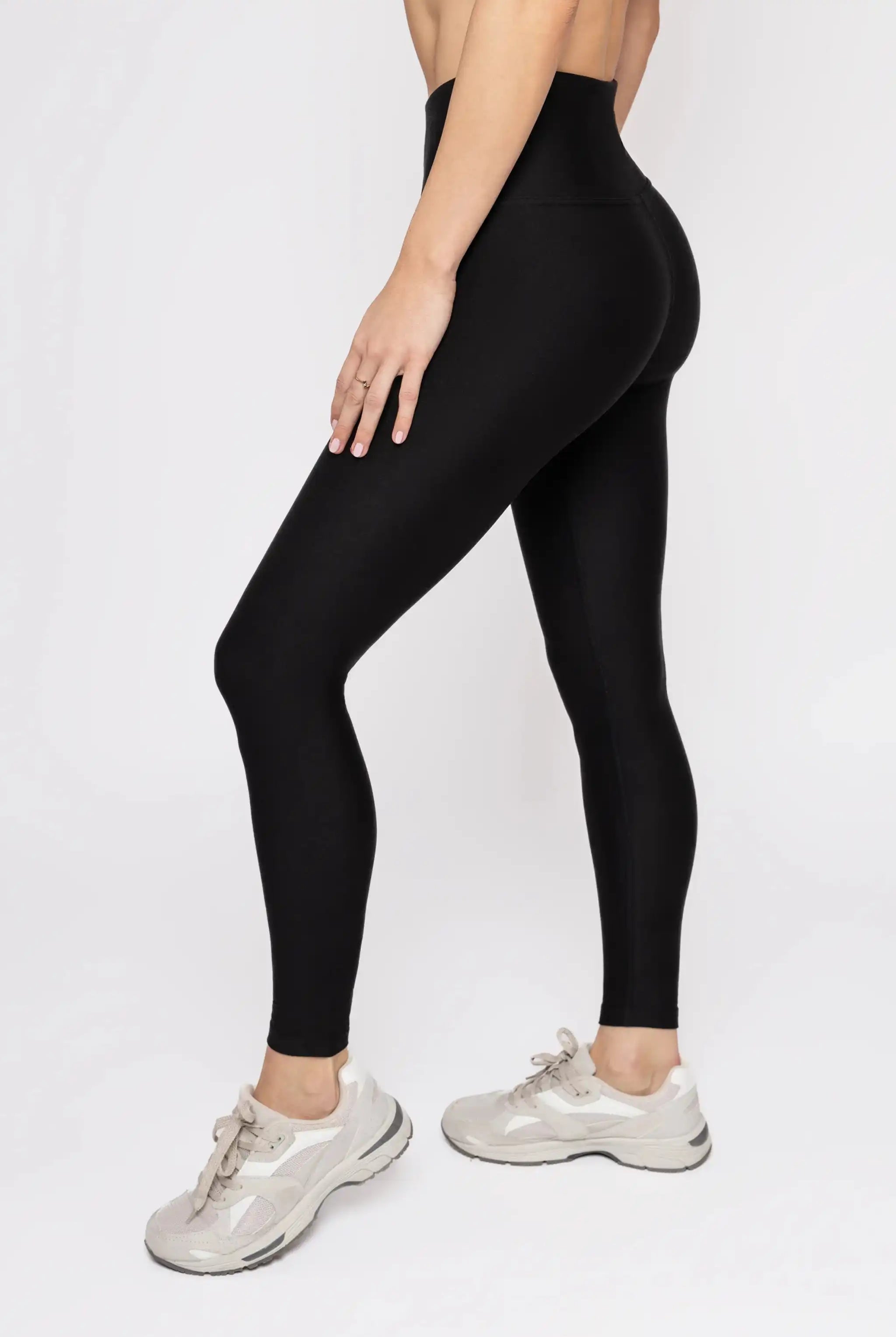
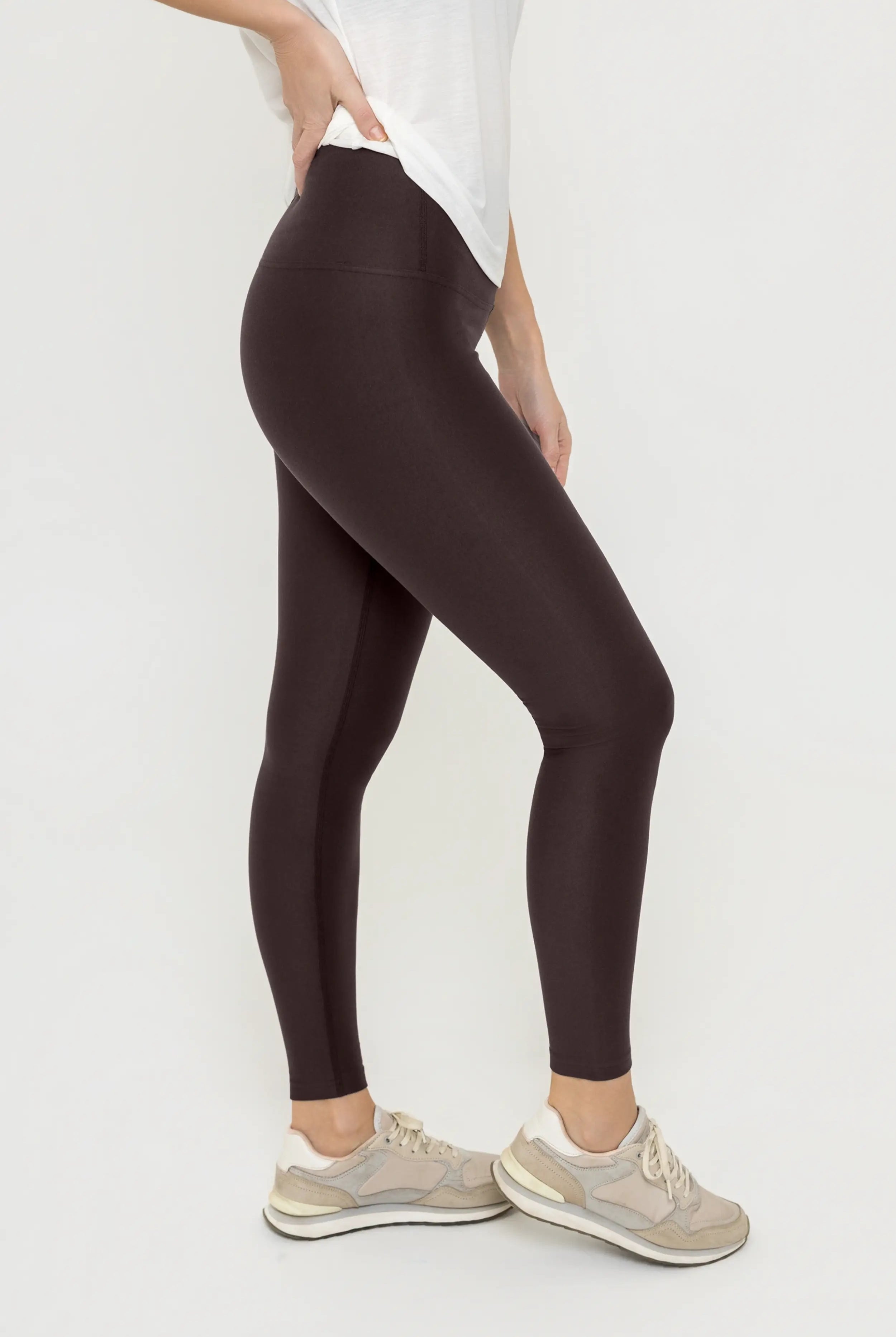
Is Rayon Safe to Wear? Viscose, Bamboo, Modal & TENCEL™ Lyocell Explained
In this article
Rayon, viscose, bamboo, lyocell — the labels can be confusing, and the marketing even more so. This guide breaks down the definitions and differences between them, what the science says about wearing them close to your skin, and how to identify the cleanest option.
Expert contribution: Dr Vivian Dourado Pinto, PhD — researcher in human health science and fashion sustainability, Yale University.
Table of Contents
- Quick summary
- What is rayon?
- Is rayon safe to wear?
- What is the difference between viscose, modal and lyocell?
- Is bamboo fabric the same as rayon?
- Is rayon sustainable?
- How to choose the most sustainable and safe rayon
- The Tripulse standard
- FAQ
- Final thoughts
Quick summary
Not all rayon is made to the same standard, and for clothing worn close to your skin, the differences are worth understanding.
Conventional viscose and modal are made using harsh chemicals like carbon disulfide — a chemical known to be harmful from studies on factory workers and its environmental impact. Right now, very little is understood about whether any of these chemicals remain in your clothing or what happens when they sit against the skin day after day. This is especially relevant for activewear and everyday basics, where fabric stays close to the body for extended periods.
For those reasons, choosing a cleaner type of rayon can make all the difference. TENCEL™ Lyocell by Lenzing is produced without these chemicals, and is currently one of the most responsibly made options in the rayon family.
What to look for:
- Choose TENCEL™ Lyocell over viscose or modal — it's the only type of rayon made without harmful chemicals
- Look for full garment OEKO-TEX Standard 100 certification — this tests the finished piece you wear, not just the fiber
- Check what elastane is used — conventional spandex sheds microplastics and isn't biodegradable. ROICA™ is a cleaner alternative
- Look for EU manufacturing in a certified factory — higher standards, more transparency
- Look for brands that back their claims with real certifications and verified customer data, not just marketing language

What is rayon?
Rayon is a semi-synthetic wood-based fabric made from plant-based materials. Viscose, modal and lyocell are all types of rayon — sourced from eucalyptus, beech, bamboo and other plants. You might also hear it called man-made cellulosic fiber (MMCF).
What makes rayon semi-synthetic is the process between plant and fabric. The raw fibers are dissolved in chemicals and spun into yarn before they become the material on your label. That process varies significantly between fiber types, and it makes a real difference to environmental impact, performance and how clean the finished fabric is to wear.
Is rayon safe to wear?
How safe rayon is to wear against your skin hasn't been fully studied. Common types like viscose and modal are produced using harsh chemicals like carbon disulfide, a known endocrine disruptor. Whether any of those chemicals remain in the finished fabric, and how they might interact with skin, isn't yet known. This is especially important for clothing worn close to the body for long periods, like activewear. TENCEL™ Lyocell by Lenzing is the exception. It avoids these chemicals entirely.
We spoke to Dr Vivian Dourado Pinto, PhD, researcher in human health science and fashion sustainability at Yale University, to understand what the current evidence tells us.
"There are currently no published studies measuring carbon disulfide residues in finished fabric or quantifying dermal absorption during wear. In well-regulated facilities, residual levels are expected to be minimal. But for a fabric worn directly against the skin during physical activity, when body temperature rises and skin permeability increases, that gap in the evidence is not trivial."
— Dr Vivian Dourado Pinto, PhD.
What the broader research does show is that chemical residues in clothing can transfer through skin, and that heat, sweat and friction make that more likely. Carbon disulfide's health effects on textile factory workers are also well documented. Although we don't have all the answers for some types of rayon, it makes sense to choose the option with the cleanest possible production process for clothing worn close to the skin.
"TENCEL™ Lyocell production uses a non-toxic solvent in a closed-loop process, and leaves negligible chemical residue in the finished fiber. It is simply a cleaner starting point."
— Dr Vivian Dourado Pinto, PhD.
One more thing worth knowing: any rayon garment can still be treated with dyes and performance chemicals after production. The fiber is just the starting point. Look for brands that certify every ingredient in their clothing, not just the fabric it's made from.
What is the difference between viscose, modal, and lyocell?
Viscose, modal and lyocell are all types of rayon. Lyocell is considered the cleanest and most low impact of the three. Here's how they compare.

Viscose (first generation)
Viscose is the most common type of rayon — making up around 80% of rayon globally. It can be made from almost any type of tree or plant, including bamboo. In the US it's often just called rayon; in Europe, viscose.
It's made using harsh chemicals including carbon disulfide and sodium hydroxide. Most viscose on the market isn't produced to a high health and environmental standard.
Modal (second generation)
Modal is typically made from beechwood. It's often considered softer and more durable than viscose — but uses the same core chemicals to produce. According to the Changing Markets Foundation, it can be equally or even more intensive to produce.
Lyocell (third generation)
Lyocell is the cleanest option, with eucalyptus being one of the most common types of wood it's made from. It uses a single non-toxic solvent called NMMO (N-methylmorpholine N-oxide) in a closed-loop system. This means it's captured, recovered and reused rather than released into the environment.
A quick note on standards
Every type of rayon can be produced to very different standards. Lyocell, for example, is generally the cleanest option but it's a fiber type any producer can make, and quality varies significantly. TENCEL™ Lyocell by Lenzing is widely considered the most responsibly produced version. It's worth checking which producer a brand uses before you buy.
Is bamboo fabric the same as rayon?
In most cases, the vast majority of fabric sold as bamboo is bamboo rayon or viscose.
Bamboo is a genuinely sustainable crop when grown responsibly. It's fast-growing, absorbs lots of carbon, and typically needs fewer pesticides and less water than cotton. But bamboo as a plant and bamboo as a fabric are two very different things. To become fabric, bamboo goes through the same chemical-intensive process as conventional viscose.
The US Federal Trade Commission is clear on this: once bamboo has been chemically processed into rayon, there's no trace of the original plant left. It must be labelled as rayon or viscose made from bamboo. The FTC has fined major retailers including Kohl's and Walmart a combined $5.5 million for mislabelling rayon as bamboo and making false eco-friendly claims.
Bamboo can also be made into bamboo linen without chemicals, through a mechanical process. The fabric is much coarser and far less common in fashion.
Is bamboo fabric good for sensitive skin?
It can be, but it depends on the type of bamboo. Most bamboo fabric is bamboo viscose, and while it can feel soft and breathable, the chemical process used to make it can strip away the plant's natural antibacterial properties. Without those, bacteria from sweat can build up in the fabric during wear, which can irritate sensitive skin.
Learn more about how fabric choice can affect sensitive skin during exercise.
Is TENCEL™ or bamboo better for sensitive skin?
Both can work for sensitive skin, but TENCEL™ Lyocell is generally the more reliable choice. Unlike bamboo viscose, it keeps its natural antibacterial properties. This means less bacteria building up against your skin during wear, less odor, and less chance of irritation.
In a verified Tripulse Performance Study, 50 out of 51 customers experienced zero skin irritation wearing our TENCEL™ Lyocell activewear, and 86% wore it two or more times before any odor developed.
Is rayon sustainable?
How sustainable rayon is depends on two things: where the wood comes from and how it is processed. On both counts, standards vary a lot across the industry.
Conventional viscose/modal vs TENCEL™ Lyocell
- ✕ Conventional viscose and modal: harsh chemicals, poor environmental track record, negative impact on workers and local communities
- ✓ TENCEL™ Lyocell: cleaner to make, responsibly sourced, and independently certified
Why conventional rayon production is controversial
Rayon starts with renewable wood-based materials like eucalyptus, bamboo and beechwood. In principle, this makes it more sustainable than oil-based synthetics like polyester.
But most conventional viscose and modal production relies on harsh chemicals including carbon disulfide, sodium hydroxide and sulphuric acid. Without careful management, these pollute surrounding air, water and soil.
The Changing Markets Foundation found serious chemical management failures at viscose factories across China, India and Indonesia, where pollution was harming workers, local communities and the natural environment.
Sourcing is also a problem. Every year, billions of trees are cut down for rayon production, including wood from ancient and endangered forests.
Why TENCEL™ Lyocell is different
TENCEL™ Lyocell by Lenzing sets a higher bar when it comes to rayon production. It uses a single non-toxic solvent, recovered and reused at over 99.8%. Compared to generic lyocell and modal, it also uses 50% less water and carbon emissions.
On sourcing, Lenzing is one of the most transparent producers in the industry. Over 99% of its wood is sourced from sustainably managed forests. Seven of its production sites run entirely on renewable electricity. It turns recycled textile waste into new fiber rather than cutting down more trees, and invests in biodiversity projects globally.
Canopy's Hot Button Report 2025 ranks Lenzing first out of 30 global rayon producers for responsible sourcing and production standards. It is also certified to some of the highest sustainability standards in the world including OEKO-TEX Standard 100, EU Ecolabel, FSC, PEFC and TÜV Austria standards.

How to choose the most sustainable and safe rayon
Not all rayon is produced in the same way. If you are buying activewear or clothing worn close to the skin, these are the details worth paying attention to.
Choose TENCEL™ Lyocell over conventional viscose or modal
Of all the rayon options available, it's made with the cleanest process, no toxic chemicals and the lowest environmental impact.
Check how the wood is sourced
Look for FSC or PEFC certified wood. This means it came from responsibly managed forests, not ancient or endangered ones.
Look at the full fabric composition
Some brands use TENCEL™ blends that are mostly polyester or conventional spandex. The more TENCEL™ Lyocell in the fabric, the softer, fresher and more breathable it will feel during wear.
Look for full garment OEKO-TEX Standard 100 certification
The fiber is just the starting point. Full garment certification means the finished piece — dyes, finishes and all — has been independently tested for harmful substances.
Check what stretch fiber is used
Most activewear still relies on conventional elastane or spandex, which often comes with a higher environmental footprint and chemical load. ROICA™ is a cleaner alternative — independently certified for skin safety and lower impact.
Prioritize transparent manufacturing
EU production and certified factories generally mean stricter chemical regulations, better worker protections and more transparent supply chains.
Look for evidence, not just marketing
Certifications show how a fabric was made. Real wear testing and verified customer feedback show how it actually performs against the skin during daily wear and exercise.
The Tripulse Standard
Even within the TENCEL™ Lyocell activewear space, standards vary more than you might expect. Untested dyes or finishes, conventional spandex, unregulated manufacturing and performance claims without real data are all more common than they should be. The difference can often show up in skin comfort, how the fabric performs during movement, and what's actually been tested and certified against your skin.
At Tripulse, we spent years researching fabrics through the lens of health, performance and sustainability before deciding what was genuinely good enough for activewear worn close to the skin every day.
After testing different fibers and fabric blends, TENCEL™ Lyocell by Lenzing consistently stood apart for its cleaner production process, breathability and comfort during wear. It became the foundation for the kind of activewear we wanted to create.
Every Tripulse piece is designed around these principles:
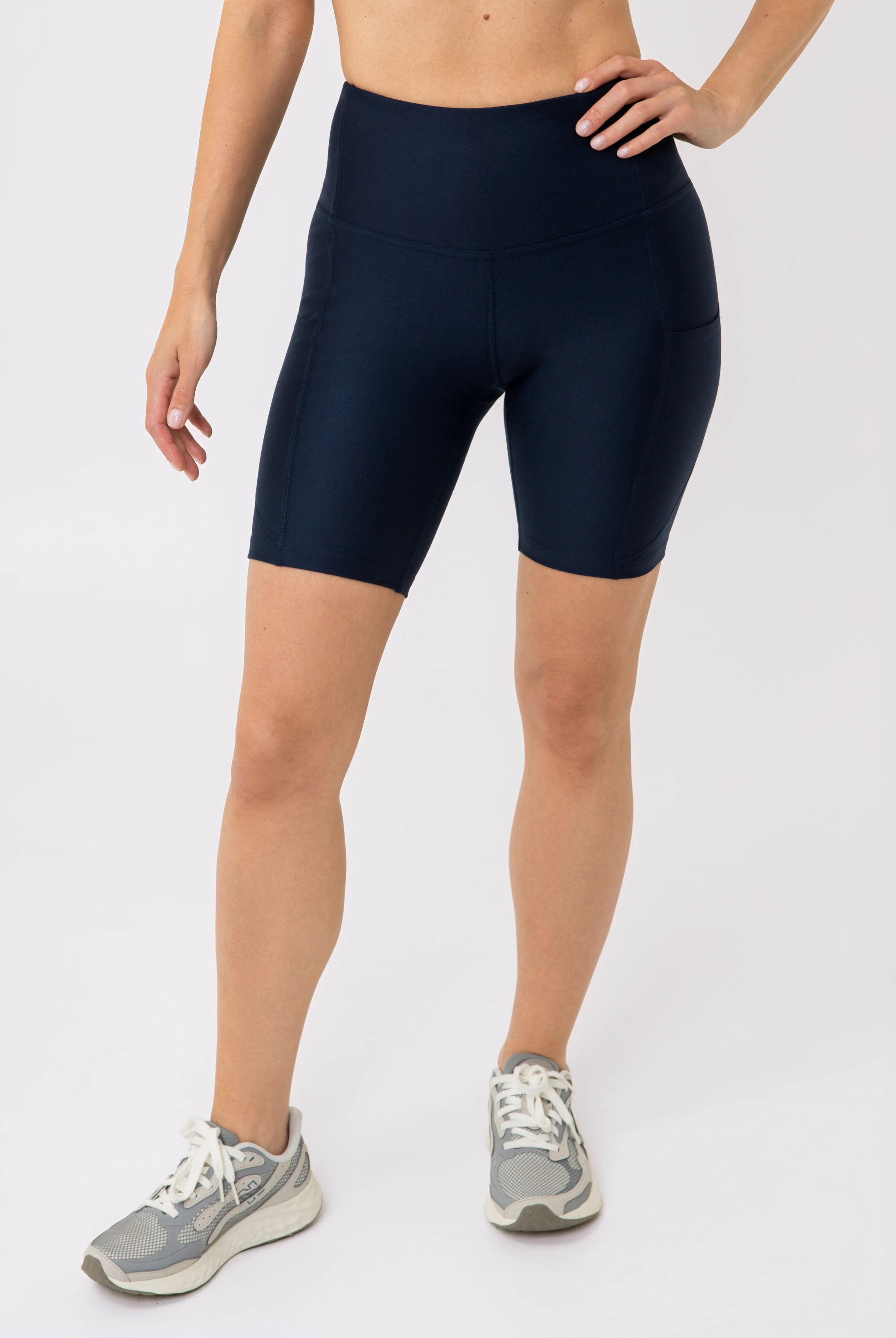
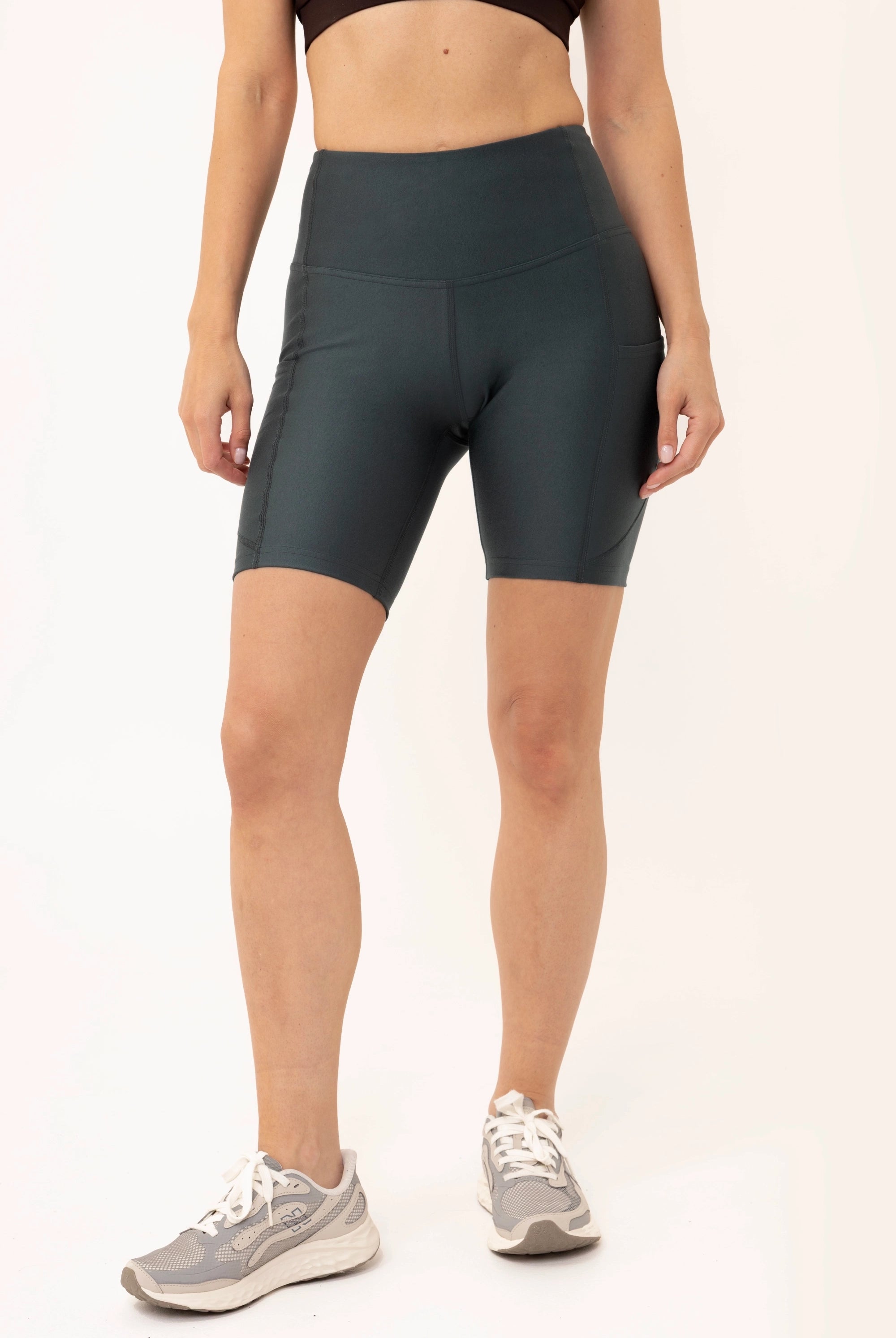
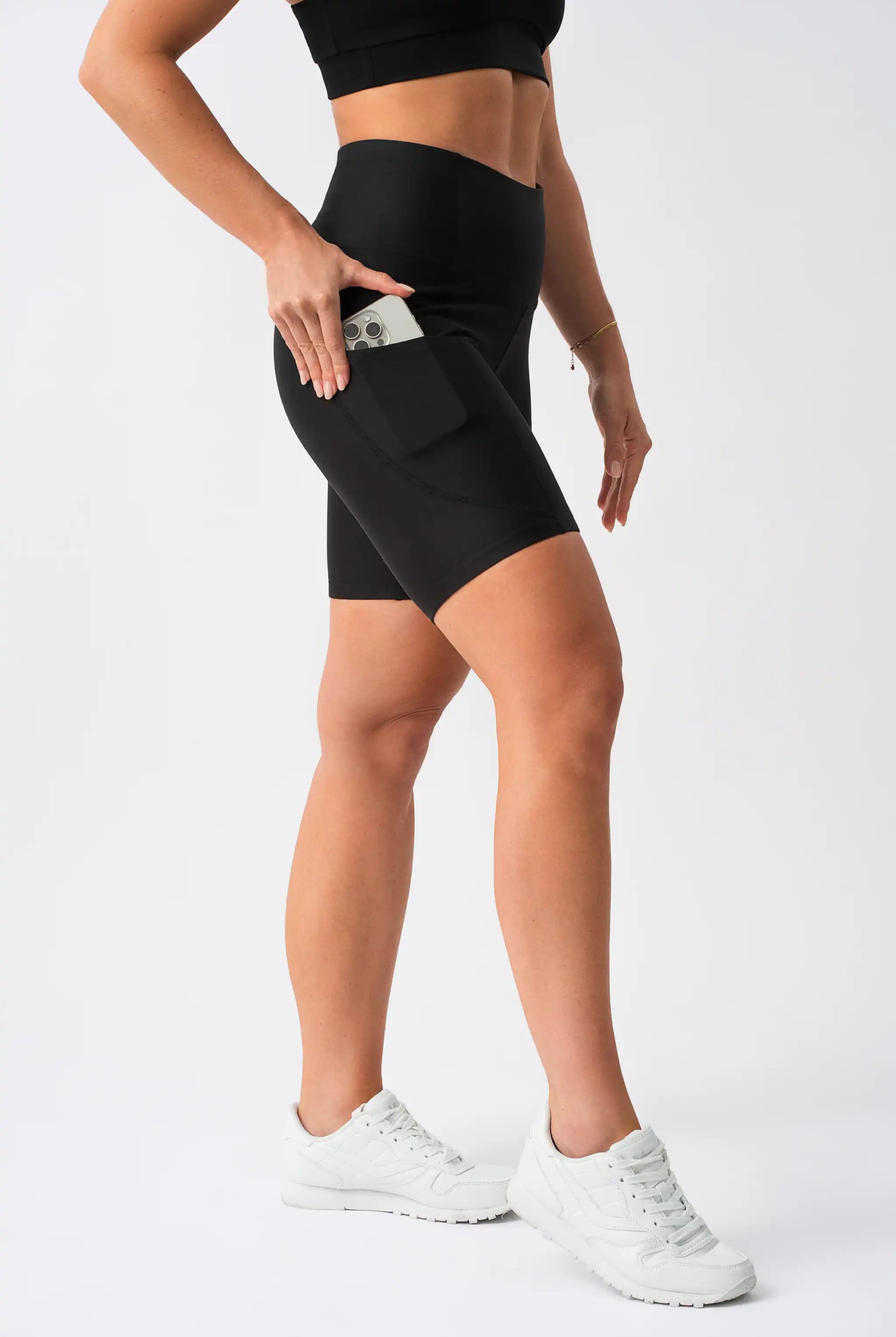
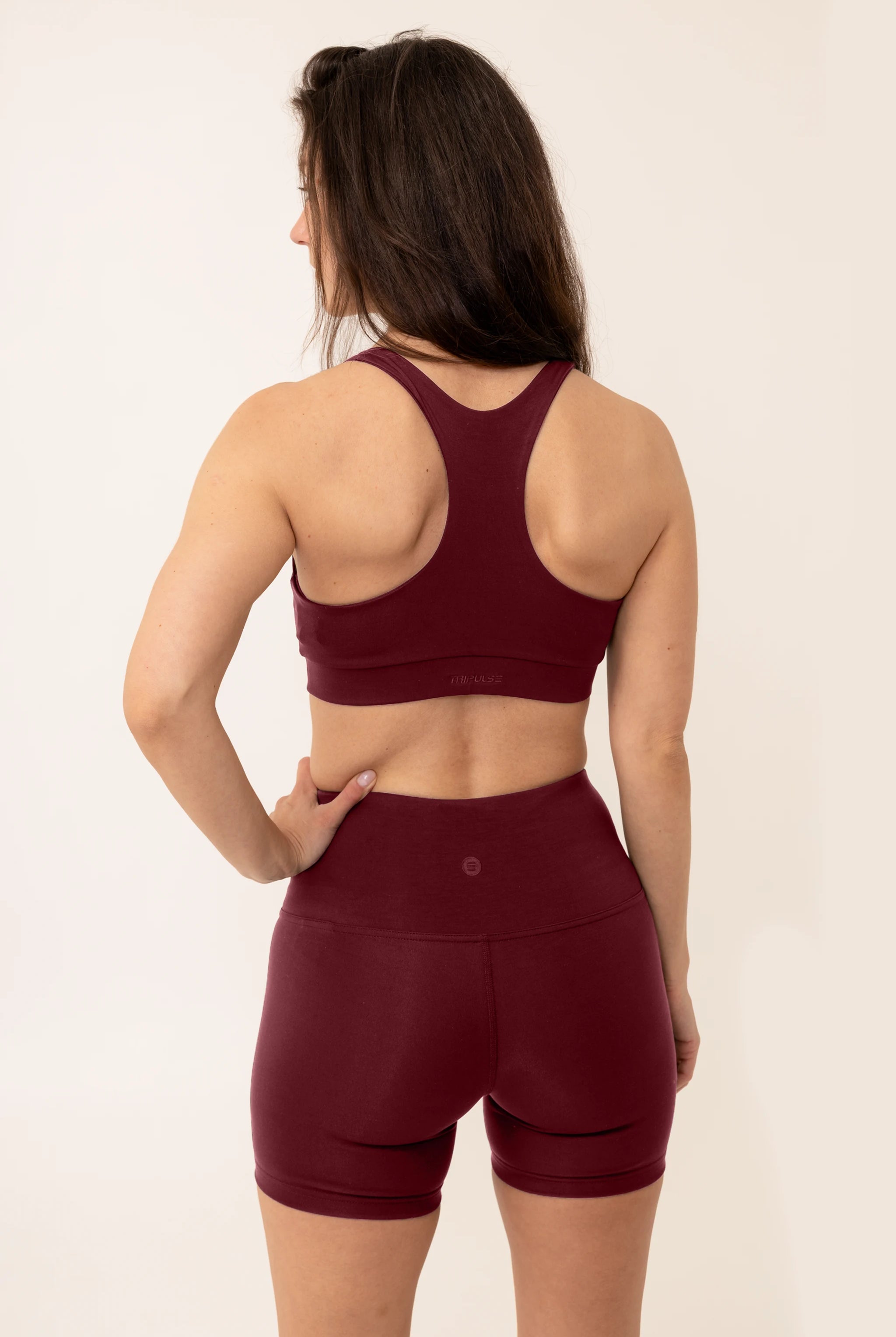
- TENCEL™ Lyocell by Lenzing — 84-100% fiber content
- ROICA™ clean stretch where needed
- OEKO-TEX Standard 100 certified — full garment
- Made in the EU in a GOTS certified factory
- Verified by real customer data — explore the Tripulse Performance Study

FAQ
Is rayon basically plastic?
No. Rayon is made from plants, not petroleum. Unlike polyester or nylon, it doesn't shed microplastics during washing. Rayon is considered semi-synthetic because the plant fiber goes through a chemical process to become fabric. How intensive or polluting that process is depends entirely on the type of rayon and how it's made.
That said, rayon clothing — especially activewear — is often blended with conventional spandex for stretch, which is plastic-based. For the cleanest option, look for TENCEL™ Lyocell paired with ROICA™ — a certified non-toxic and lower impact alternative to conventional elastane. It's the combination we've built Tripulse activewear around.
Does rayon shrink?
A little shrinkage can be normal with rayon clothing, especially after the first wash. How much depends on the type of rayon, the quality of the fabric and how you care for your clothing.
Viscose is generally the most prone to shrinking and losing shape over time, especially when compared to other types of rayon like TENCEL™ Lyocell.
In our verified Tripulse Performance Study, 86% of customers rated the fit and shape retention of their TENCEL™ Lyocell activewear highly after repeated wears and washes.
Is TENCEL™ Lyocell good for eczema?
Yes. TENCEL™ Lyocell is certified by Asthma Allergy Nordic, meaning it has been independently tested and approved for sensitive skin and allergic conditions including eczema. TENCEL™ fibers are naturally smooth, breathable and moisture managing, which helps reduce the friction and irritation that can trigger flare-ups.
Read real skin transformation stories from our community wearing Tripulse TENCEL™ Lyocell activewear.
Is TENCEL™ Lyocell worth it?
Yes — especially for activewear and everyday basics worn close to your skin.
After years of fabric testing and customer research, we have consistently seen how switching to TENCEL™ Lyocell can completely transform how people experience movement and exercise. Customers regularly describe feeling cooler, drier and more comfortable during workouts and everyday life compared to conventional activewear fabrics.
For those with sensitive skin, it has meant finally being able to work out without constant irritation or distraction.
Explore the full Tripulse Performance Study to find out more.
Final thoughts
When you know what goes into making rayon, choosing well becomes much easier.
For activewear and clothing worn close to the skin, the safest and most sustainable options are made with cleaner processes, independently certified materials and greater transparency around how they are produced.
Conventional viscose and modal are the most common types but often come with real trade-offs. TENCEL™ Lyocell by Lenzing is currently the cleanest and most responsibly produced rayon available.
But choosing the right type of rayon is only the starting point. Full garment certification, cleaner stretch materials and transparent manufacturing can all play a role in how clothing performs, feels and affects your skin over time.
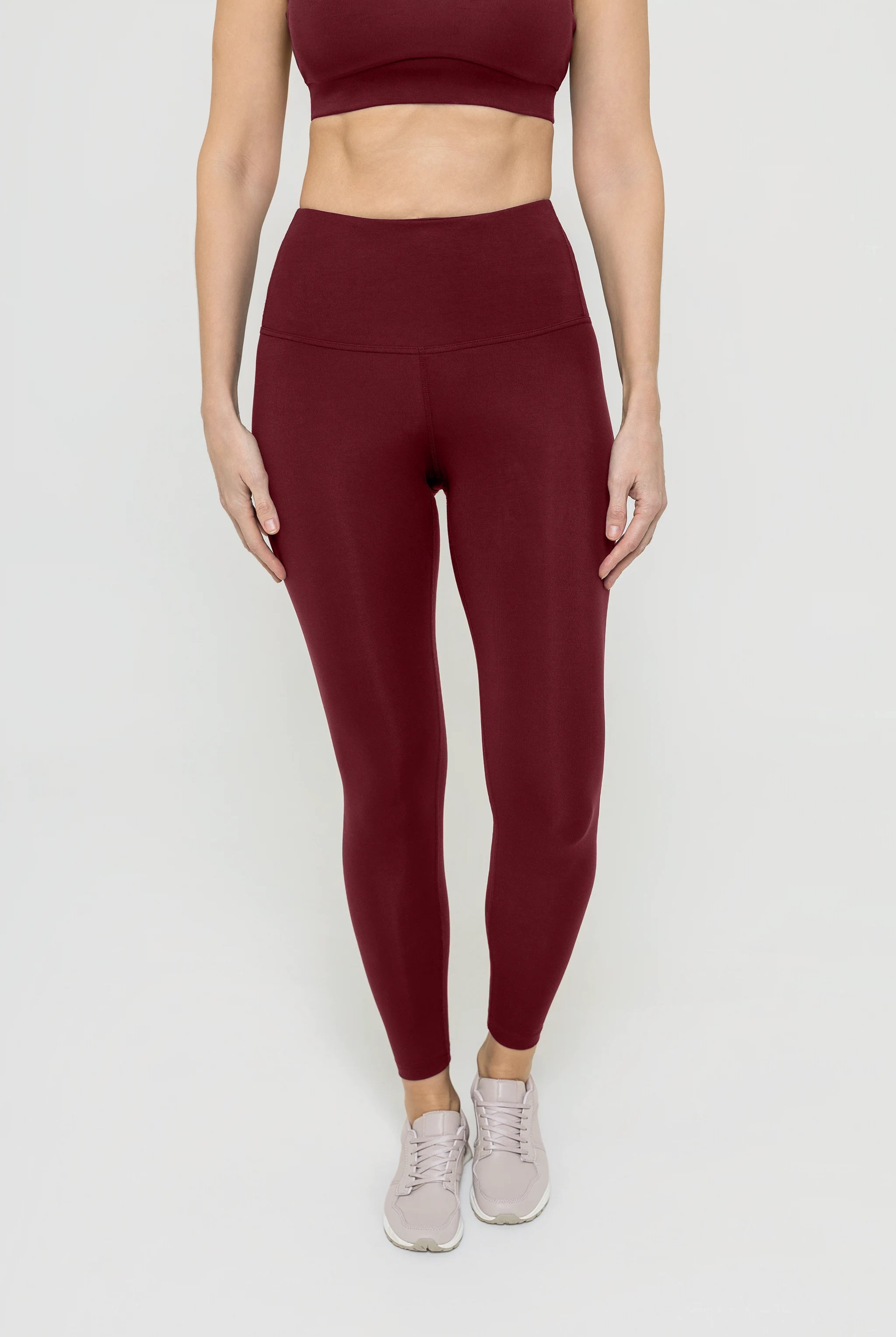
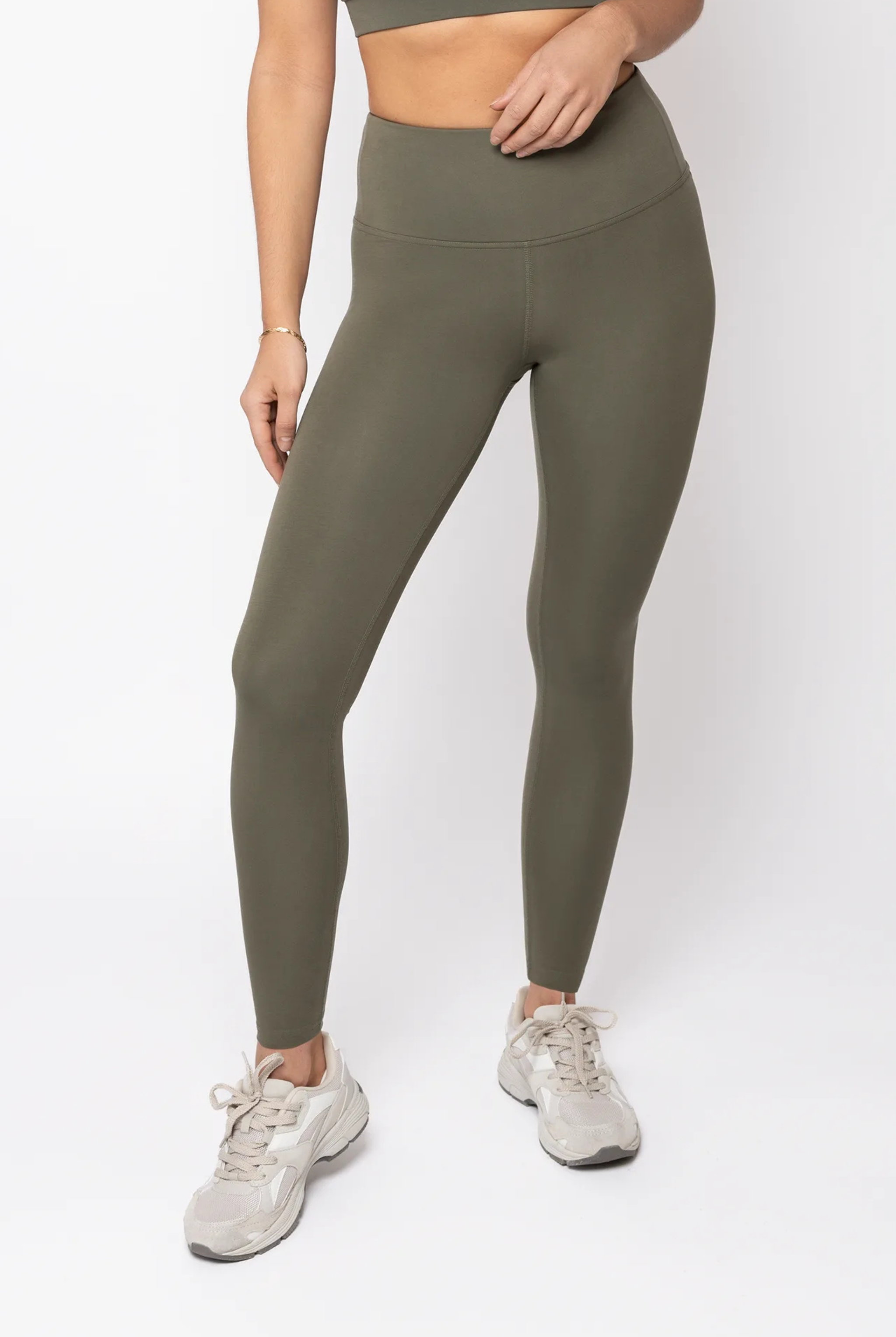
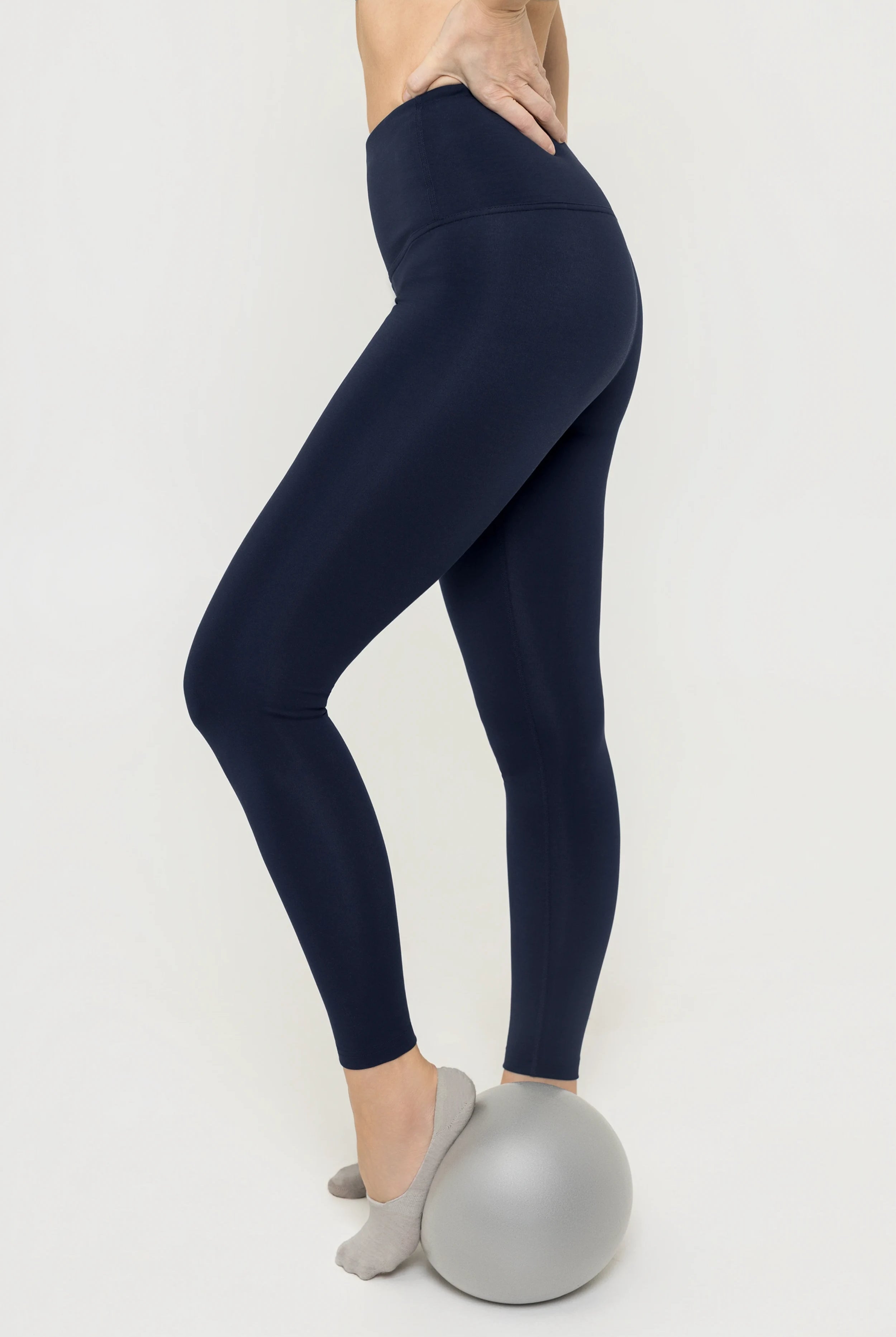
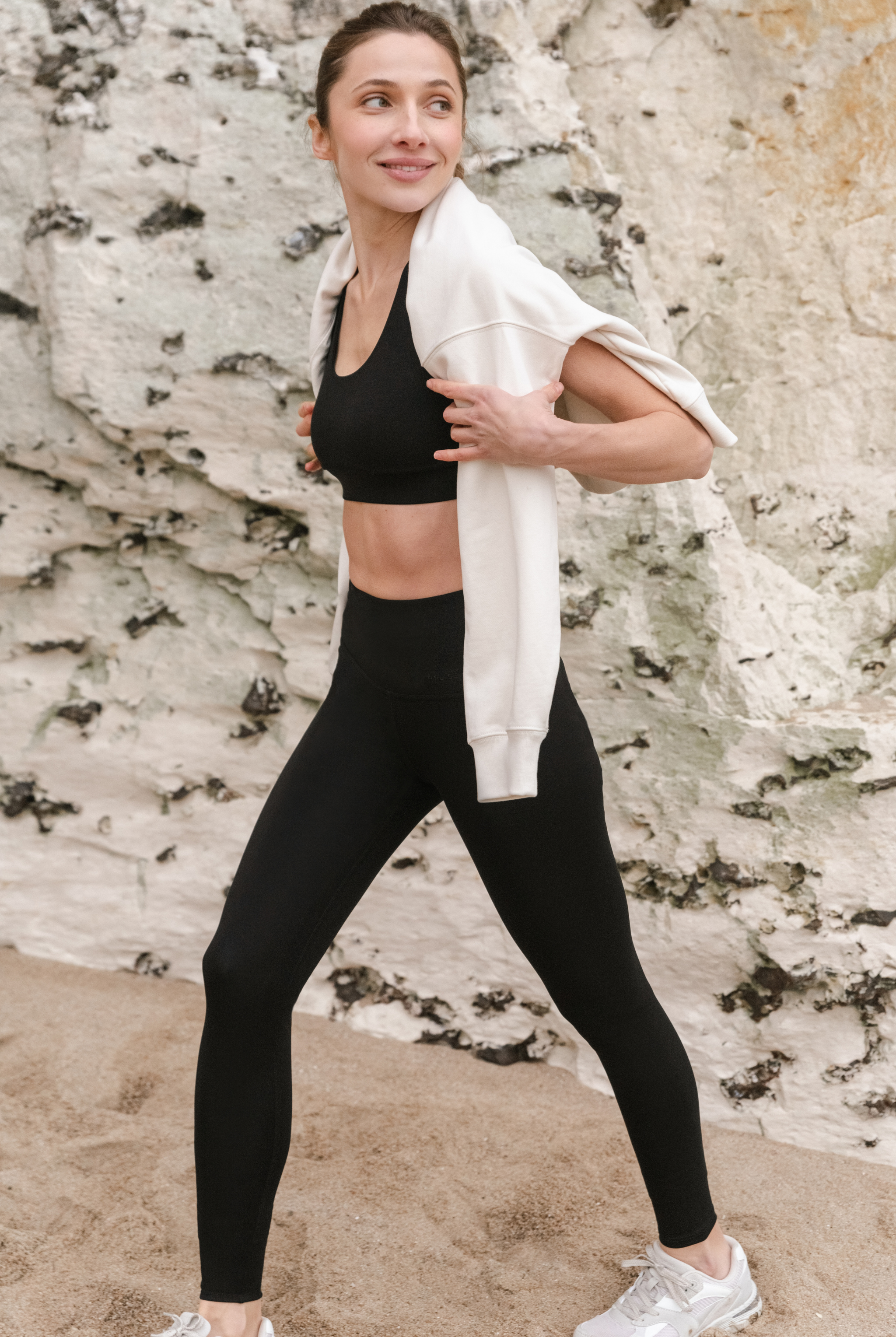
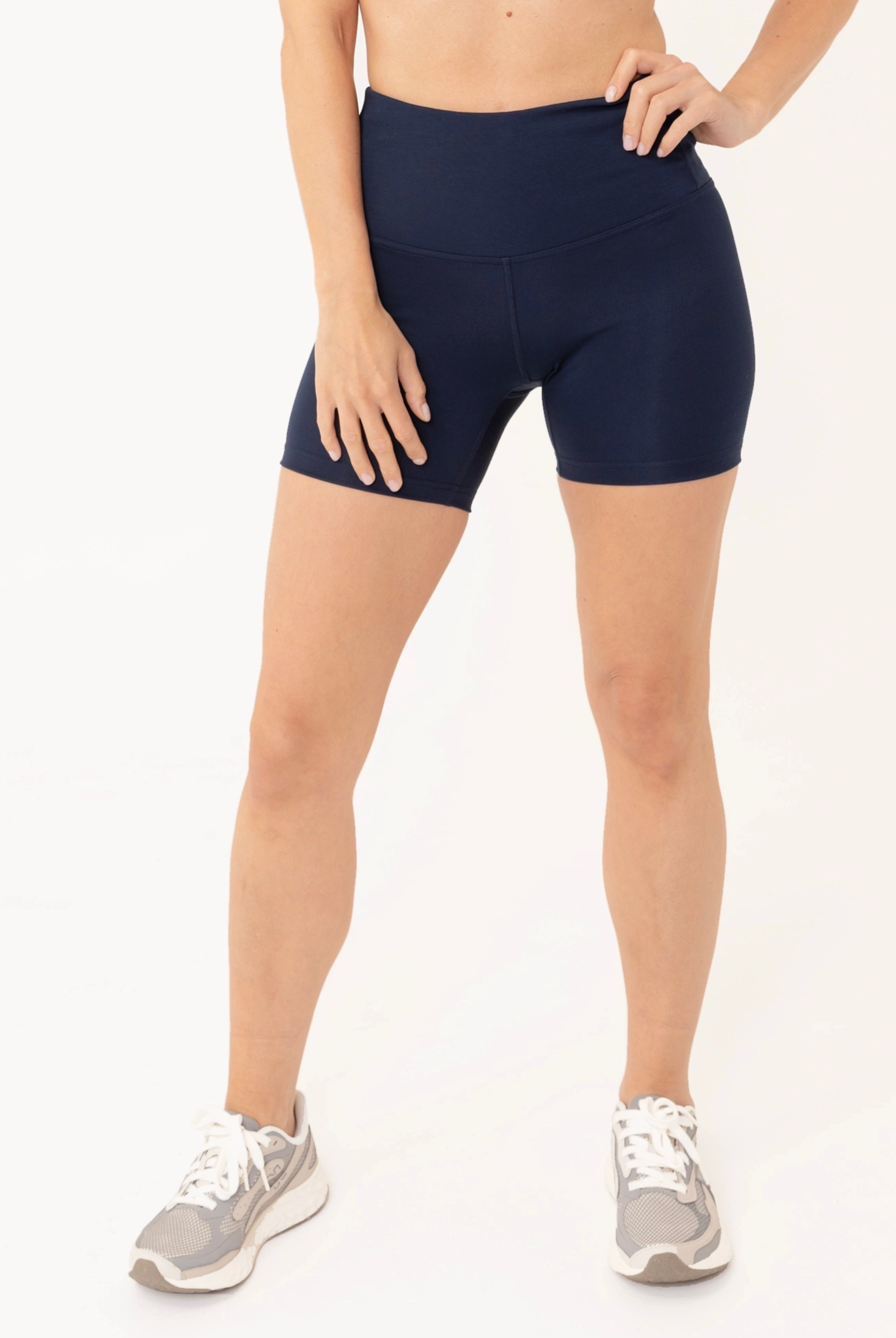
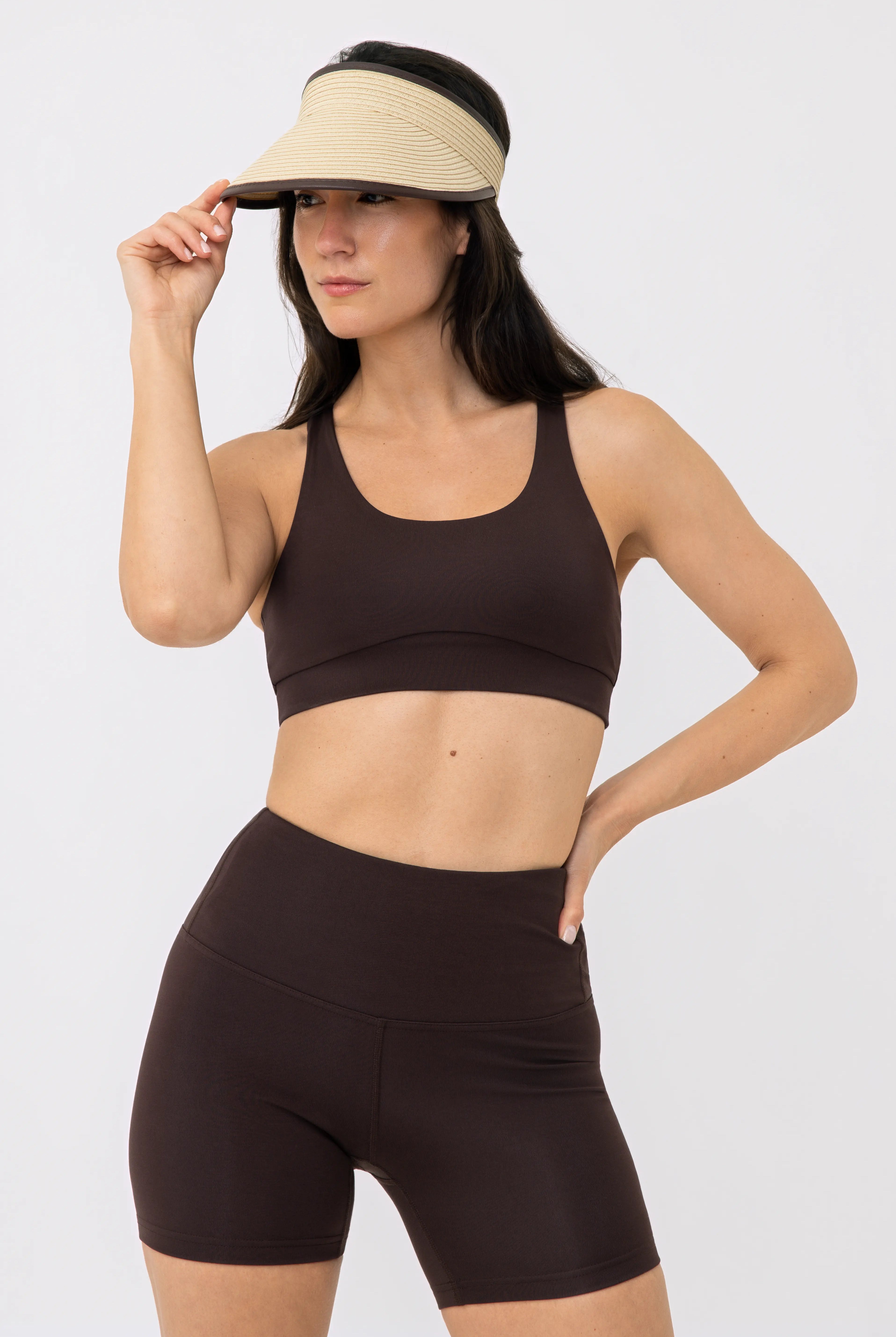
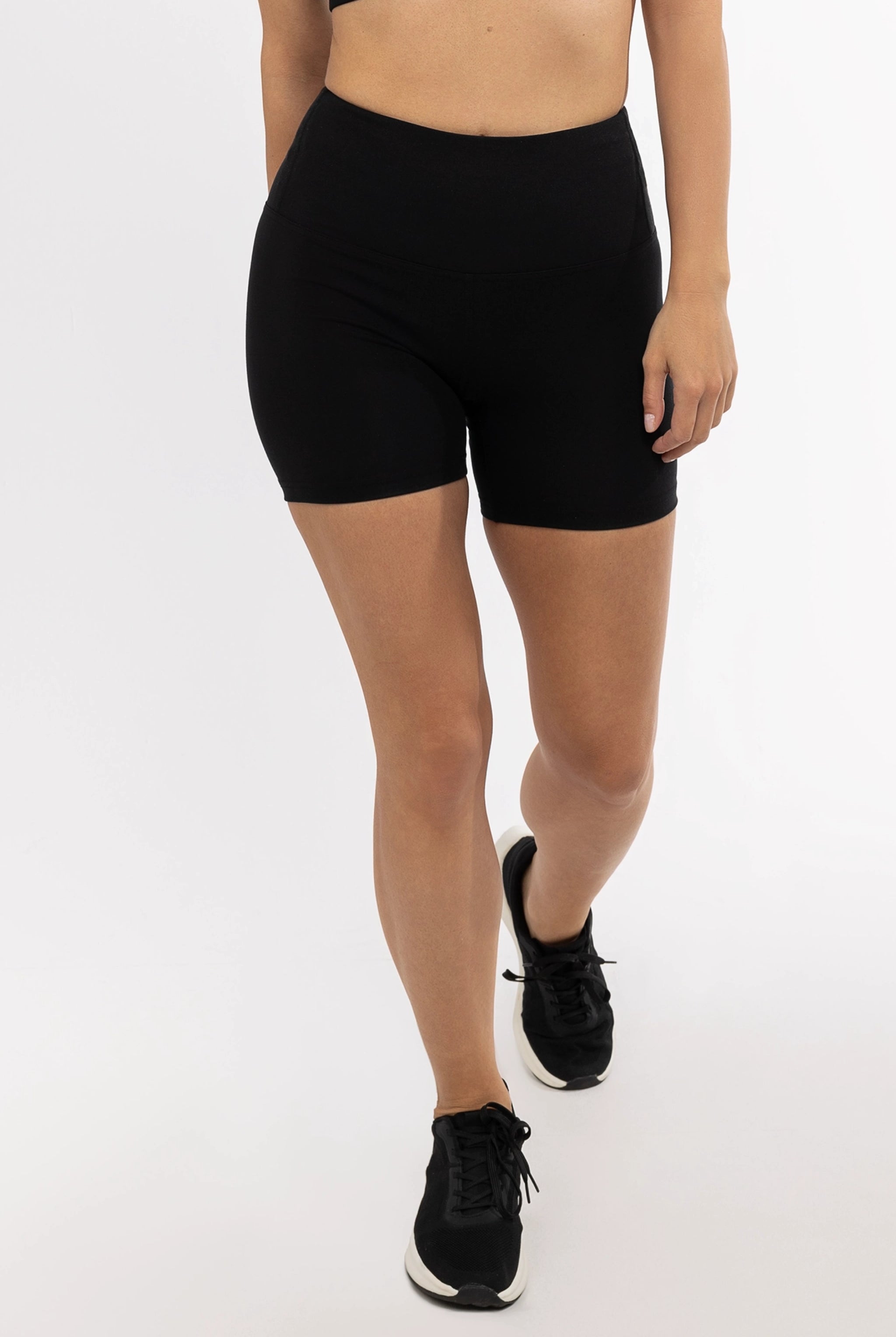
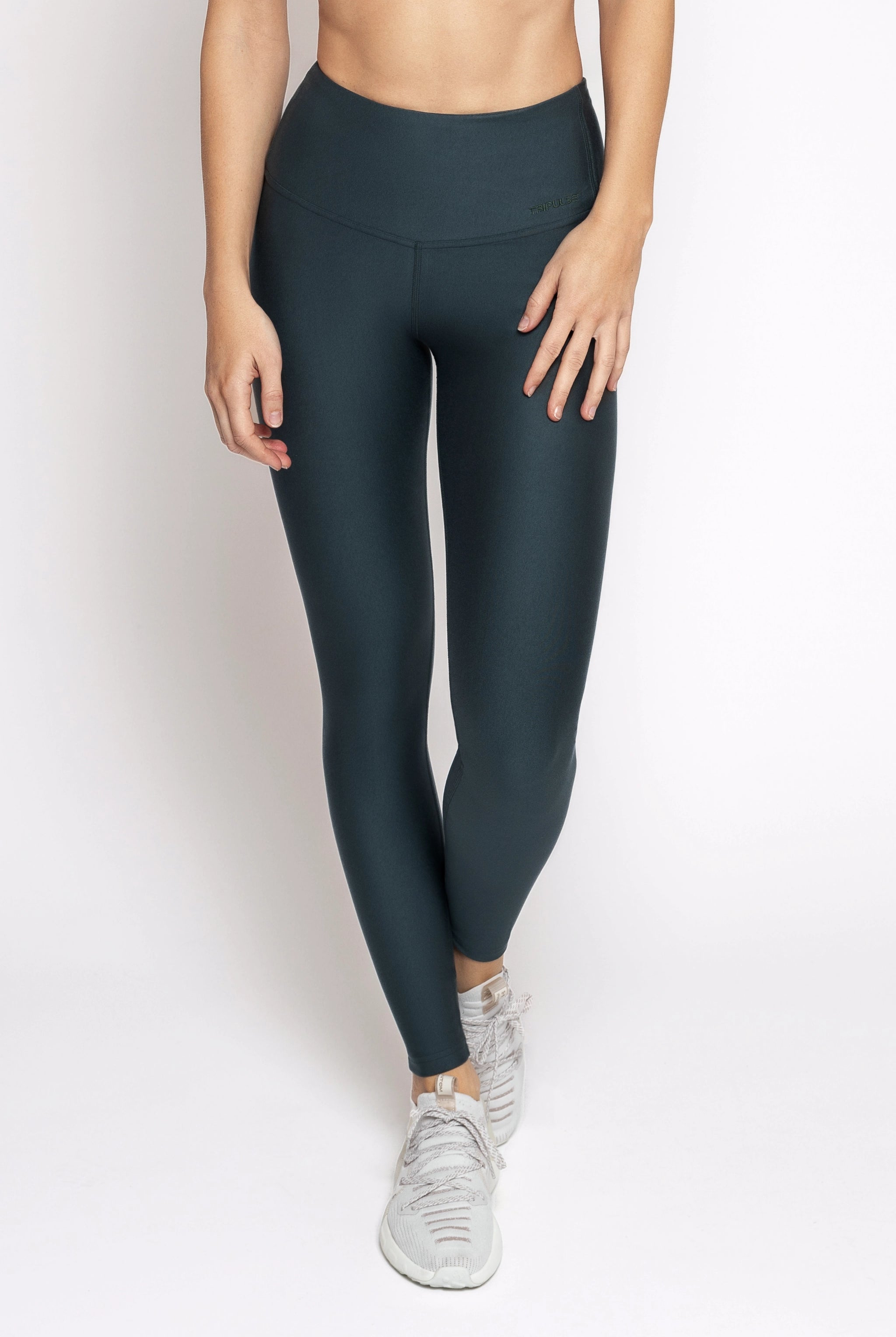
Tripulse TENCEL™ Lyocell activewear is built around every one of these standards.
Cleaner activewear for your skin and the planet.
Try Tripulse TENCEL™ Lyocell activewear risk-free for 45 days.
For more, visit:
- Toxins in Clothing: 7 Chemicals to Avoid + What to Wear Instead
- What is TENCEL™ Lyocell? Everything You Need to Know
- How Tripulse Natural Activewear Transformed Our Customers' Workouts
- TENCEL Lyocell Fabric Care: How to Make Your Activewear Last
About the contributors
Written by Christie Johnson, a wellness and sustainability writer who has been publishing since 2020. Since 2023 she has written about performance fabrics, skin health and chemical safety in activewear. A certified Pilates teacher, she trains and teaches in Tripulse TENCEL™ Lyocell activewear, giving her first-hand experience of how natural fabrics perform during training.
Developed with Franziska Mesche, Founder and CEO of Tripulse. Since 2019 she has sourced and tested a wide range of natural and synthetic activewear fabrics, working directly with leading fabric innovators and EU mills on material development, testing and certification. Years of hands-on product development have built her practical expertise in how performance materials behave in real athletic use.
All material, certification and performance claims are verified by Franziska Mesche before publication.
Expert contributor
Dr Vivian Dourado Pinto, PhD Postdoctoral researcher at Yale University, with a PhD in Clinical Medicine from the University of São Paulo. Vivian's background spans molecular biology, physiology and translational science. As Creative Director at Reinventare, she applies scientific thinking to challenges at the intersection of fashion, health and sustainability. She provided expert commentary on rayon fabric safety and chemical residues in textiles for this article.