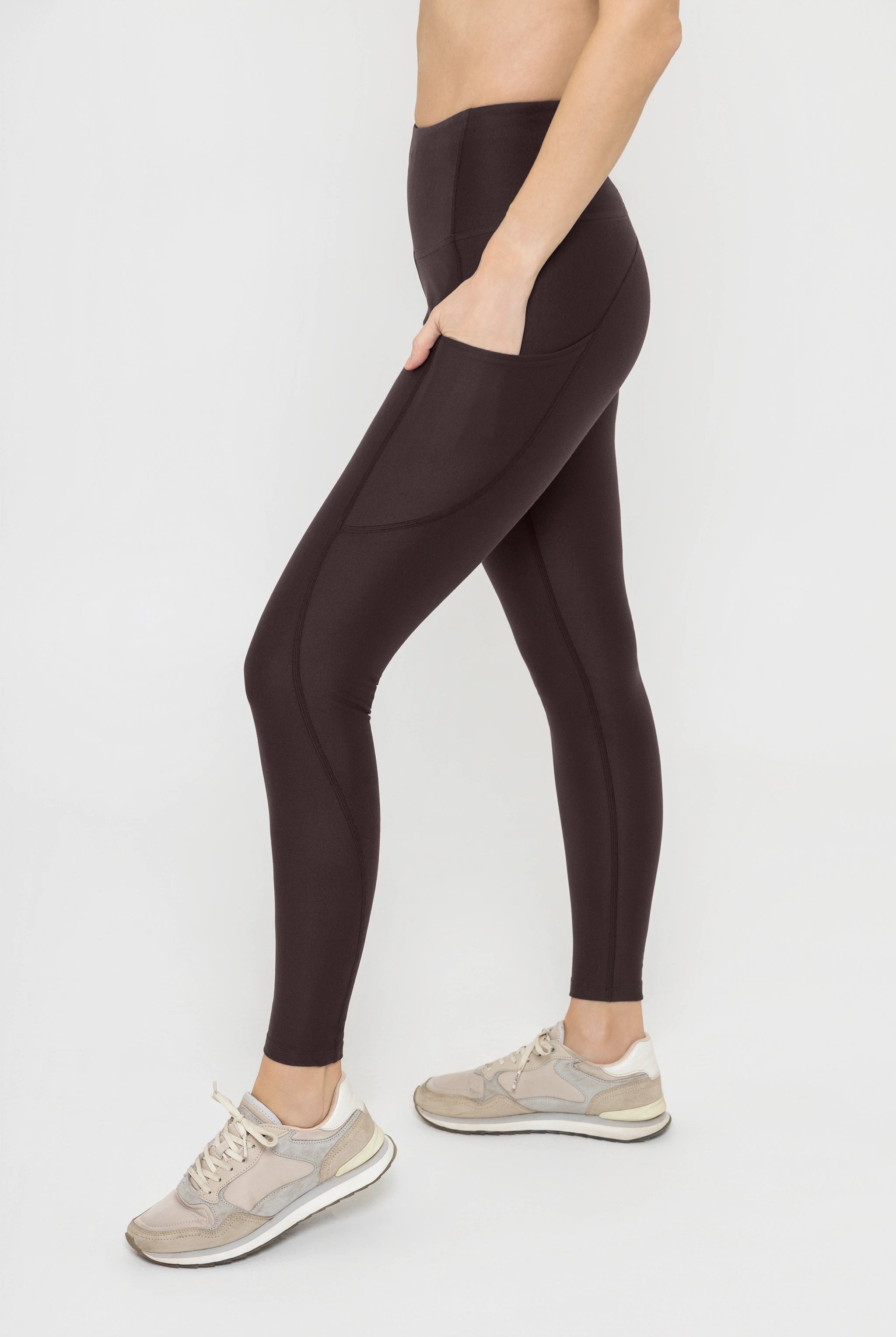
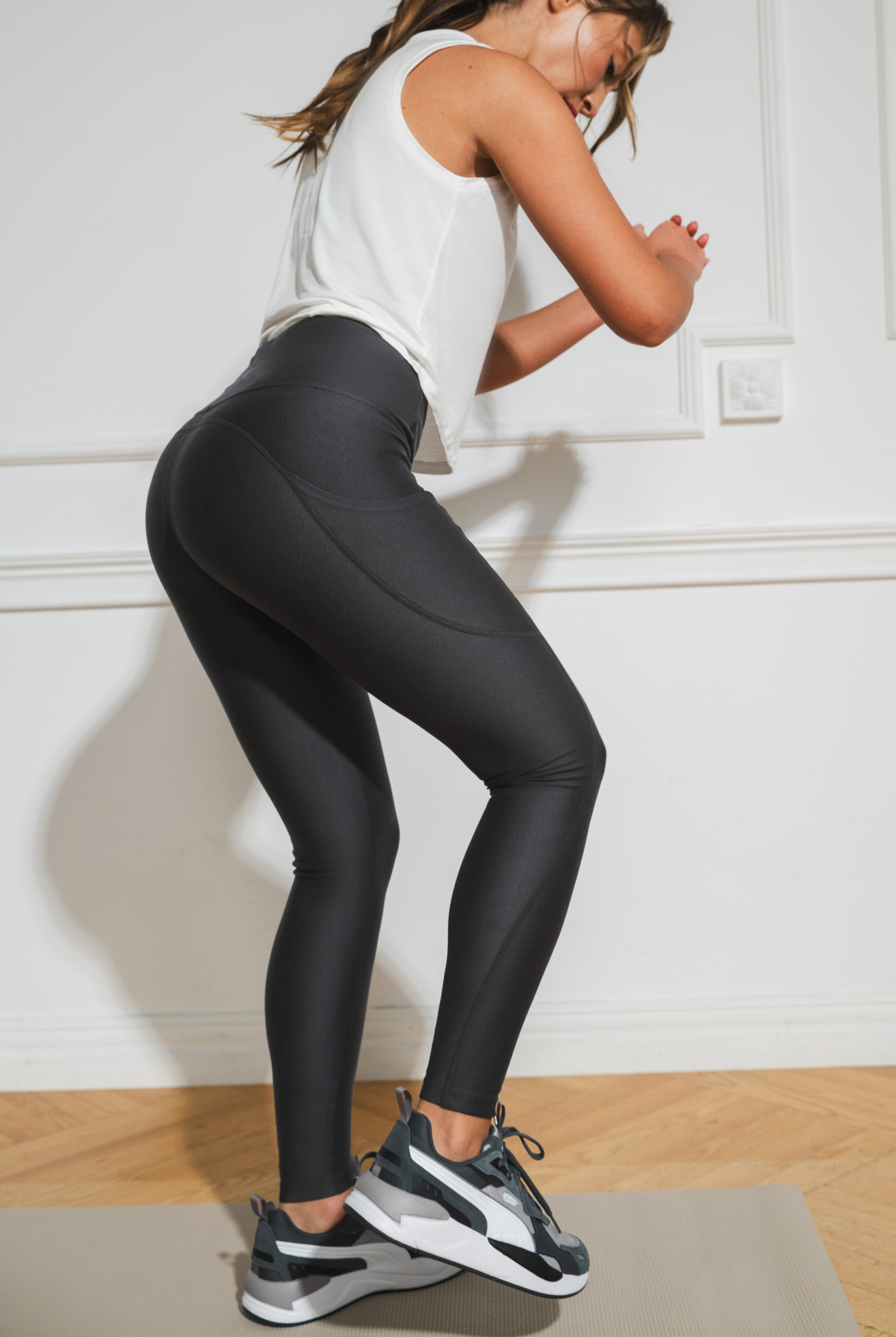
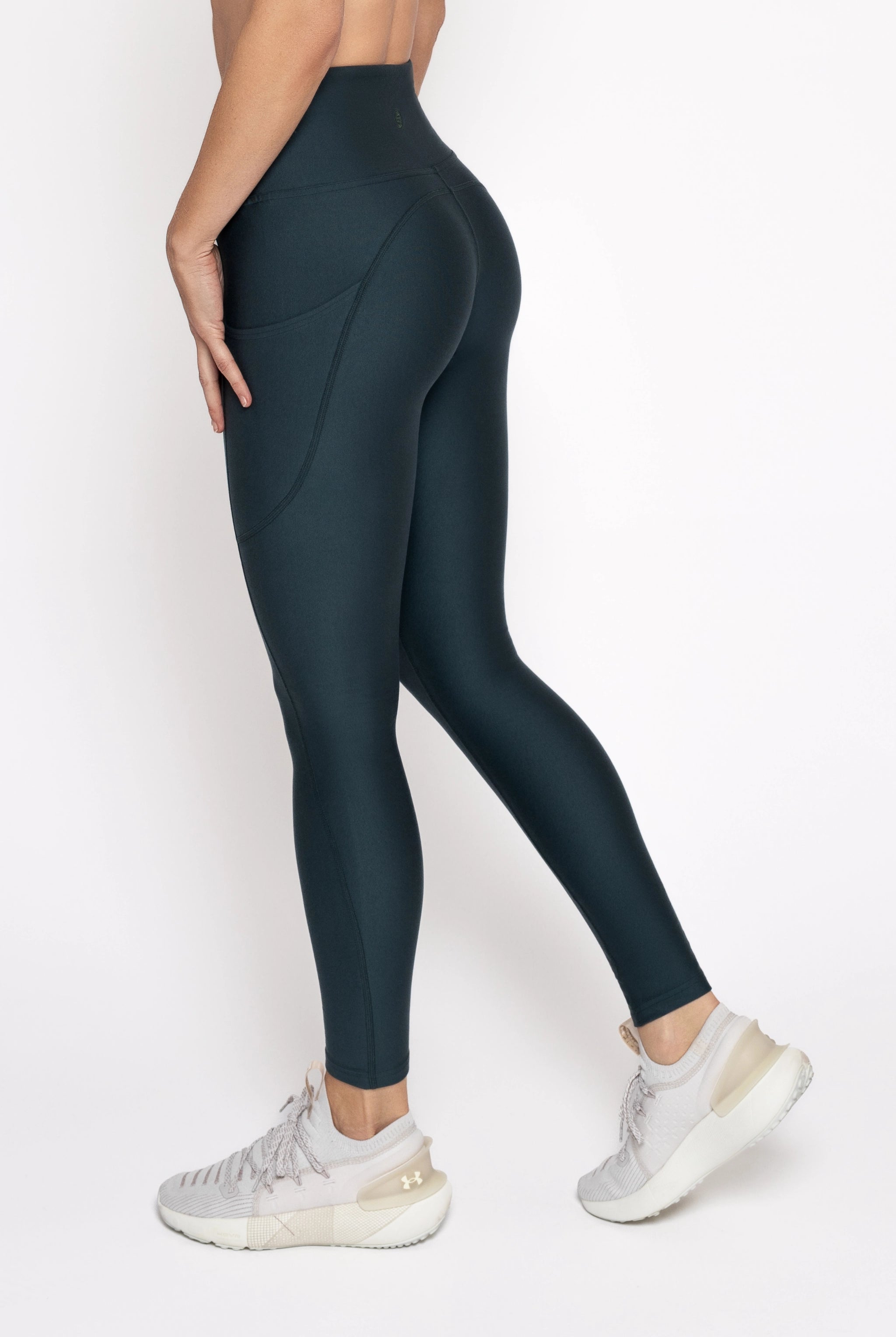
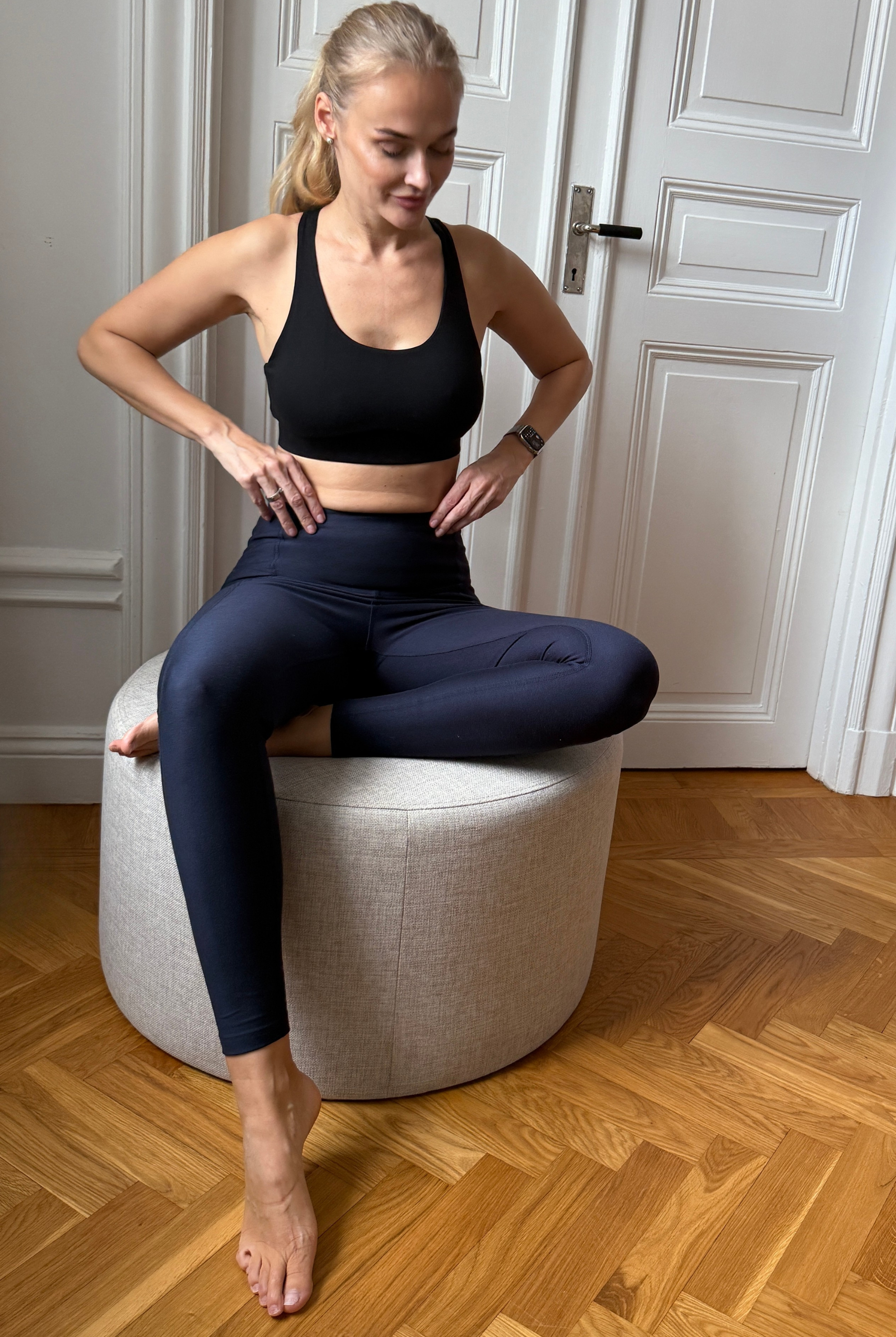
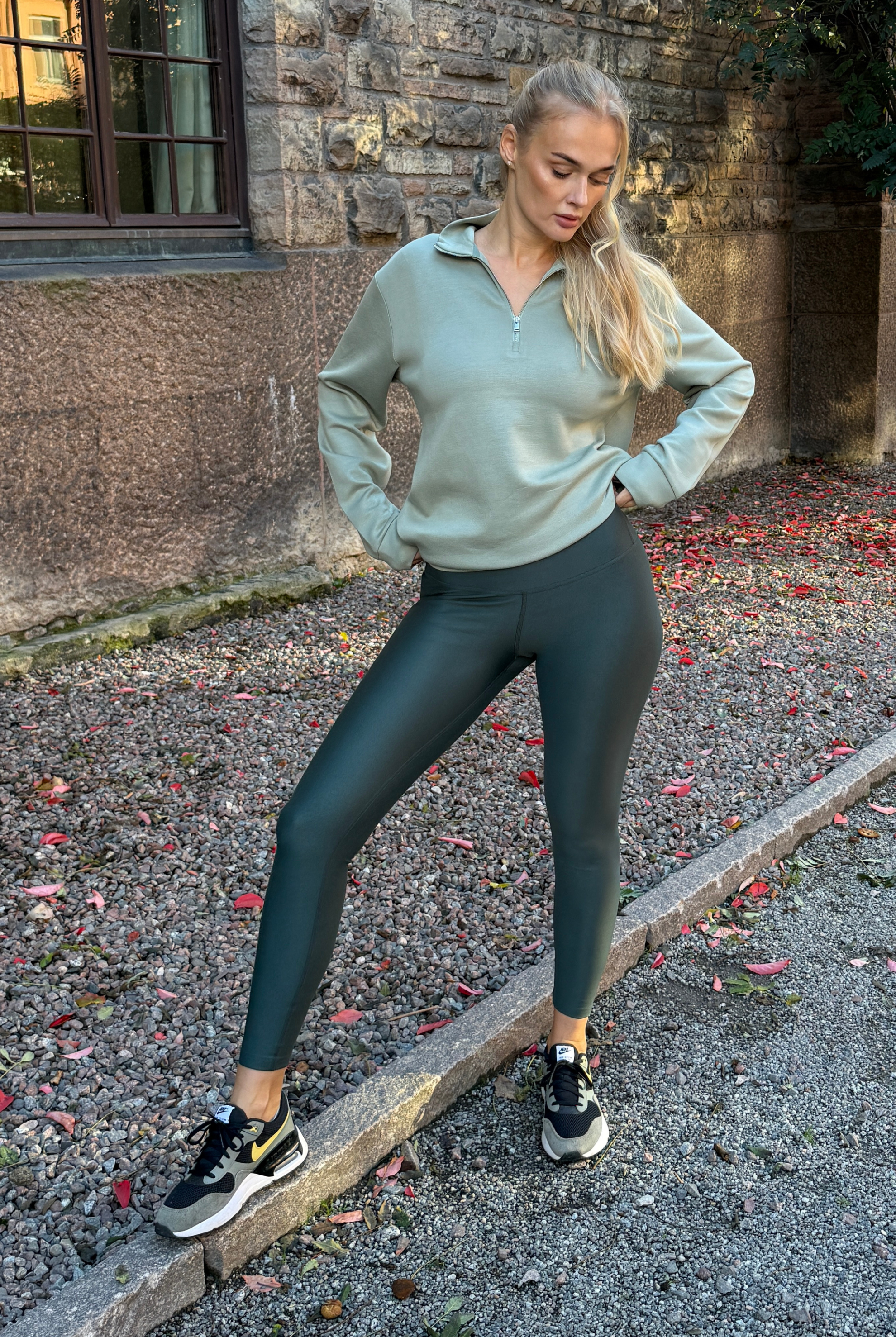
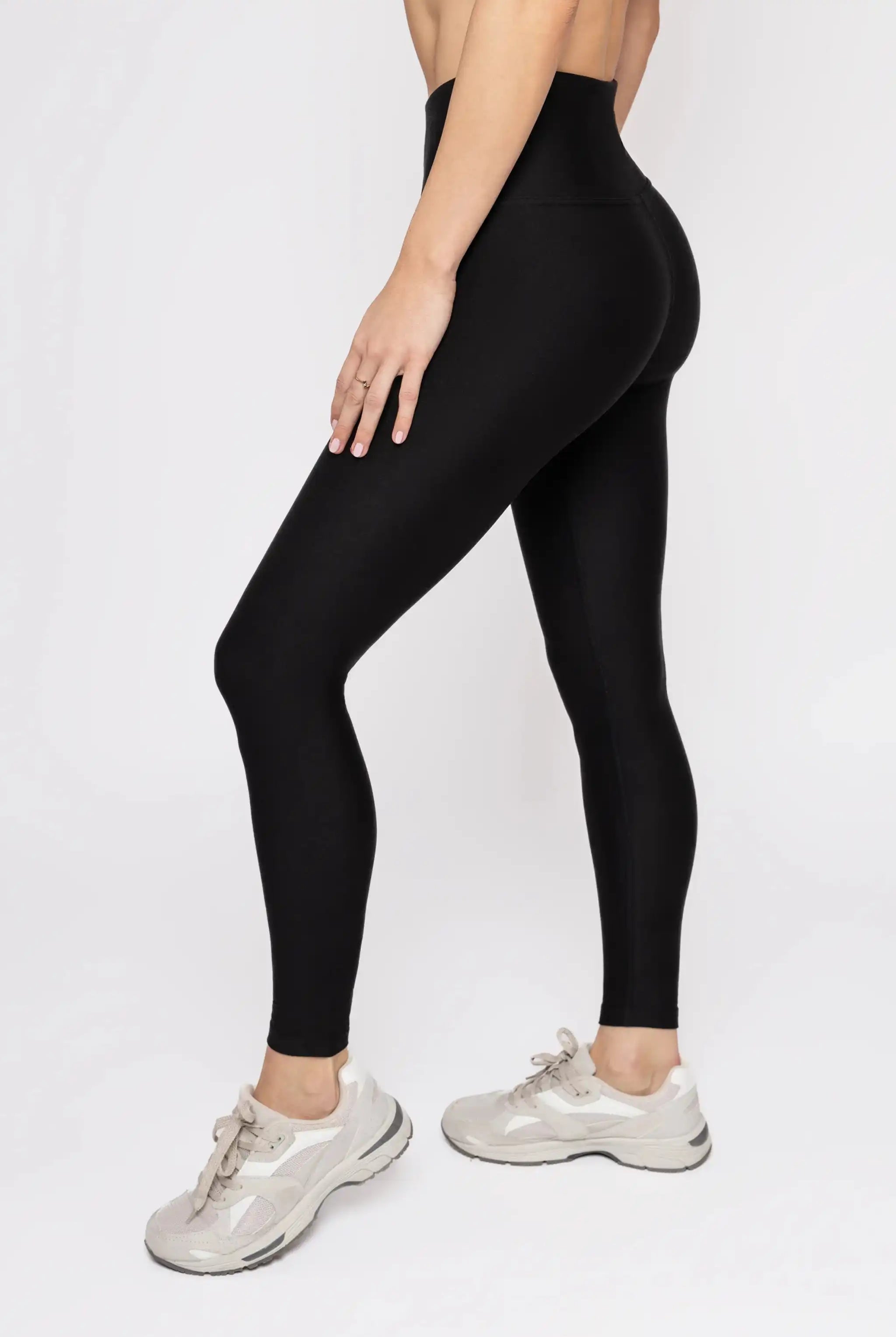
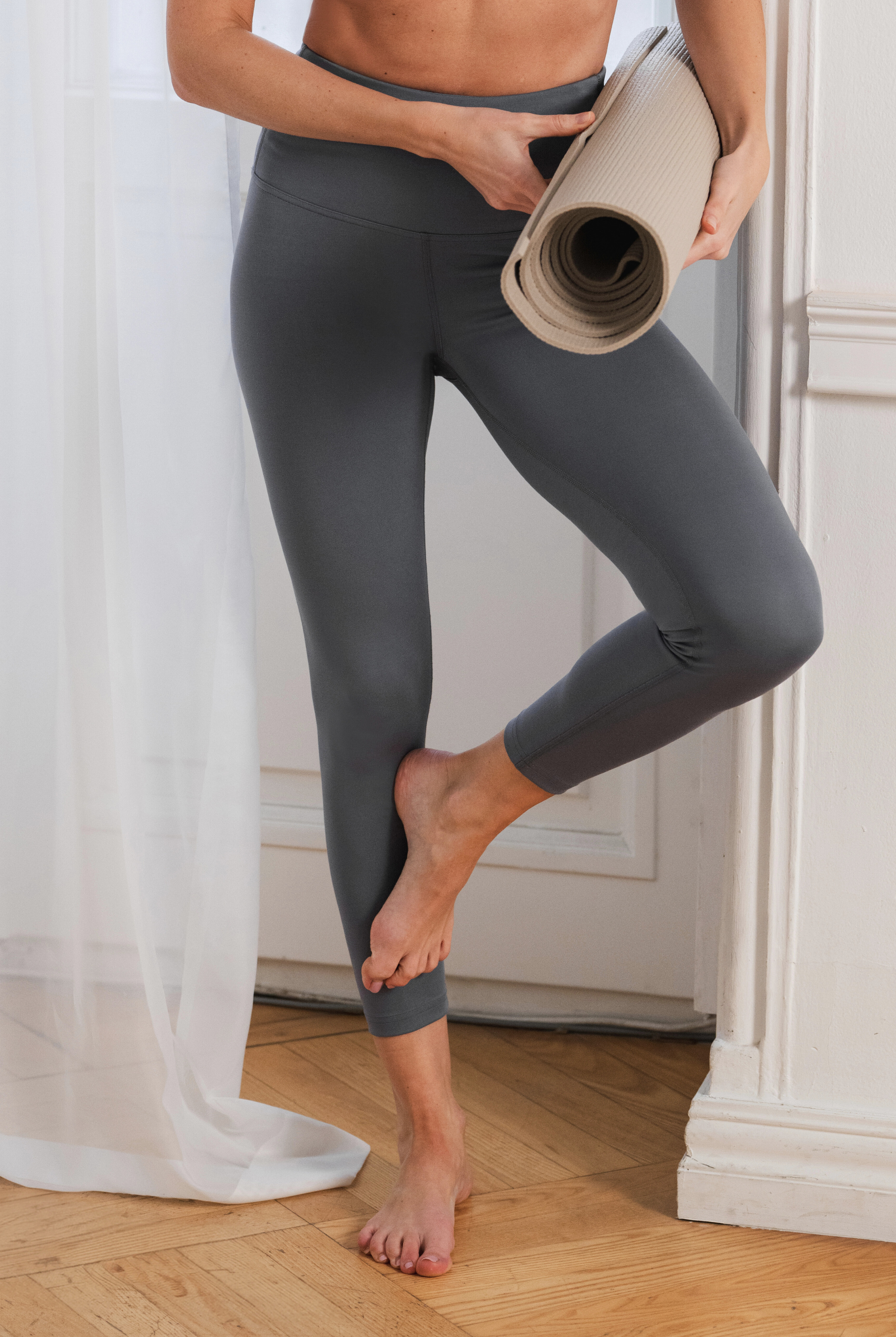
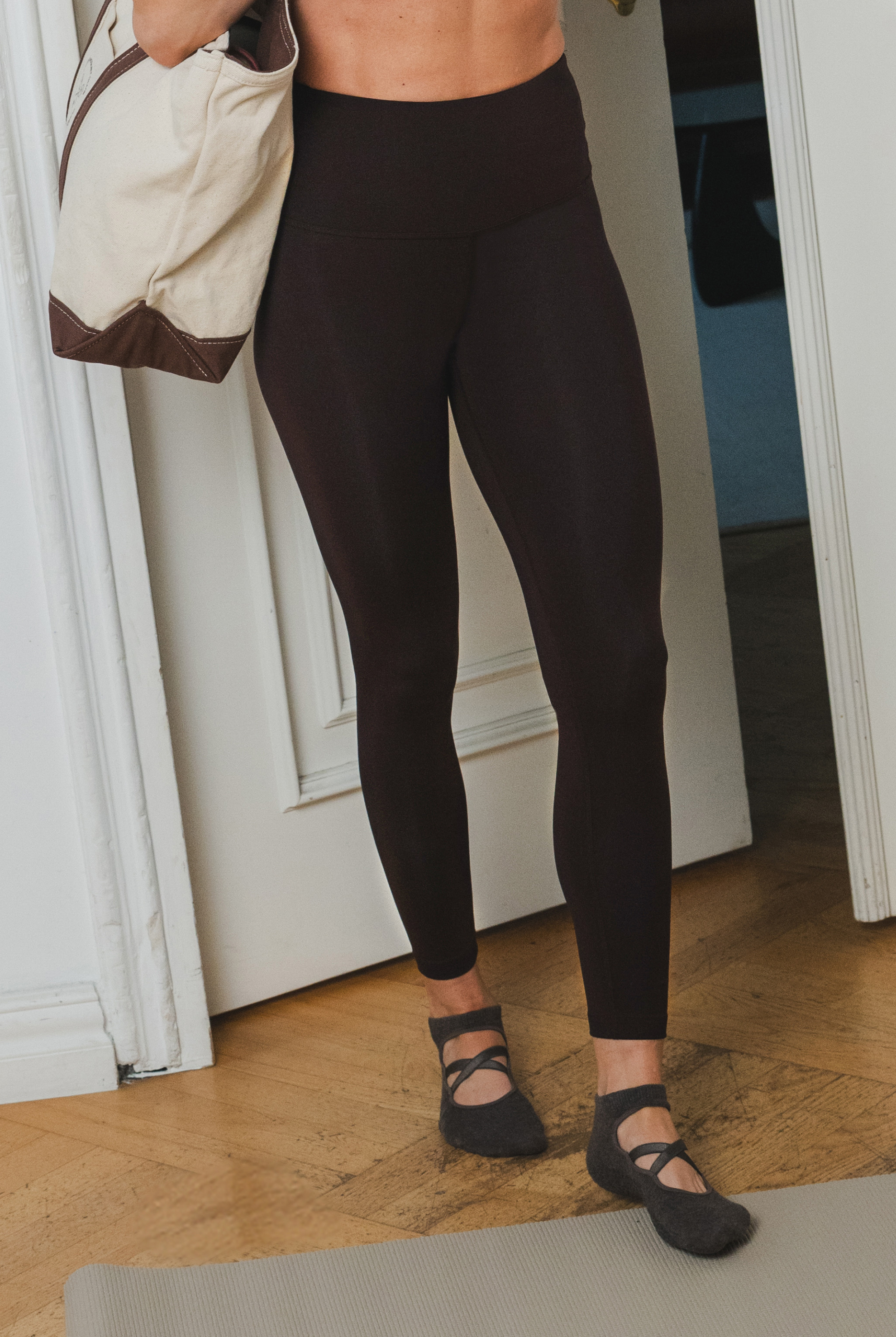
[Last updated March 2026]
People often choose TENCEL™ Lyocell when they want clothing that feels better on the body – lighter in movement, calmer on the skin, and free from unnecessary synthetics and chemicals.
This guide brings together material science, wear testing, and real-world community insight. It's shaped by years of designing TENCEL™ Lyocell activewear for real bodies and sensitive skin.
Inside, we explore how the fiber performs in activewear, what makes it healthier and more sustainable, and how to recognize truly high-quality TENCEL™ Lyocell.
What Is TENCEL™ Lyocell? Quick Summary

- A botanical fiber made from sustainably sourced wood, including eucalyptus and birch
- Produced in a closed-loop process, recycling over 99% of water and solvents
- Designed to move with the body – naturally soft, breathable, moisture-balancing, and odor-resistant
- Widely considered one of the healthiest fabrics for skin-close wear, making it ideal for activewear and everyday essentials
- Unlike synthetic fabrics such as polyester, it's plastic-free, naturally performs without toxic chemical finishes, and doesn't shed microplastics
- Not all TENCEL™ Lyocell activewear feels or performs the same. The most considered pieces combine high TENCEL™ content, thoughtful construction, certified skin-safe materials, and responsible production
- TENCEL™ Lyocell is at its best when treated as a foundation piece – chosen once and worn for years while supporting everyday movement and wellbeing
Table of Contents
- Health, Skin & Safety
- Feel & Performance
-
Material & Sustainability
- Is TENCEL™ Lyocell a Natural Fiber?
- How Is TENCEL™ Lyocell Made?
- Where Is TENCEL™ Lyocell Made?
- Are TENCEL™ and Lyocell the Same?
- What Makes TENCEL™ Lyocell Different From Rayon and Modal?
- Is TENCEL™ Lyocell Sustainable and Eco-Friendly?
- Does TENCEL™ Lyocell Contribute to Deforestation?
- Does TENCEL™ Lyocell Use Lots of Resources?
- How Is Eucalyptus Sourced for TENCEL™ Lyocell?
- Does TENCEL™ Eucalyptus Production Harm Koalas?
- What Sustainability Certifications Does TENCEL™ Lyocell Have?
- Is TENCEL™ Lyocell Biodegradable?
- How to Choose the Best TENCEL™ Lyocell
- Care & Longevity
- Comparisons
- Considerations
- Final Thoughts
Health, Skin & Safety
Is TENCEL™ Lyocell a Healthy Fabric to Wear?
Yes. TENCEL™ Lyocell is widely regarded as a healthy fabric choice, particularly for intimate pieces worn close to the skin.
What makes it "healthy" comes down to three things:
- how it's made (non-toxic, certified processes)
- how it feels on the body (naturally smooth, breathable, moisture-managing, skin-friendly)
- and what it doesn't expose you to over time (harsh chemicals or microplastics)
Below, we break down each of these points in more detail – from toxicity and skin sensitivity to microplastics and long-term exposure.
Is TENCEL™ Lyocell Toxic?
No. TENCEL™ Lyocell is certified non-toxic.
Its softness and performance come from the fiber itself, not from chemical coatings often used in synthetic fabrics.
It's made using a single organic solvent that's fully removed during production and is certified to OEKO-TEX® STANDARD 100. This means it's tested for over 1,000 harmful substances, including PFAS, BPAs, formaldehyde and other endocrine disruptors.
This matters most in activewear. Heat, sweat, and friction can change how fabrics interact with the skin. Through years of customer feedback from people with chemical sensitivities or reactive skin, we've seen how material choices can make a noticeable difference in wear.
One thing worth knowing: chemicals usually enter clothing during dyeing and finishing – not from the fiber alone. That's why higher-quality TENCEL™ pieces consider the whole garment, not just the yarn.
Learn more: Toxins in Clothing: 7 Chemicals to Avoid + What to Wear Instead (2026)
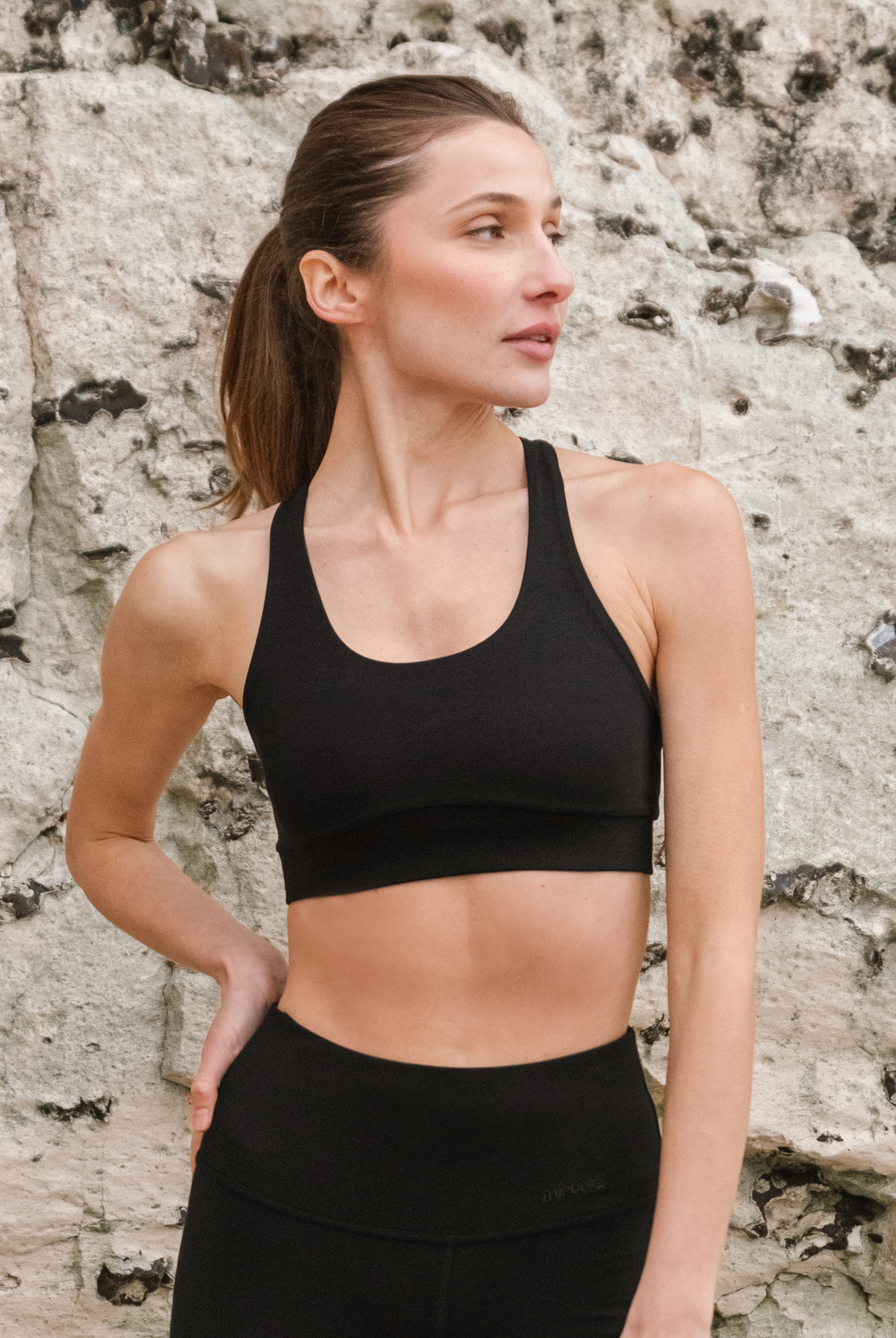
"As a Registered Dietitian, I am very conscientious and prioritize what I put IN my body, so I've been searching for healthier activewear fabrics to put ON my body… very glad to have found Tripulse!"
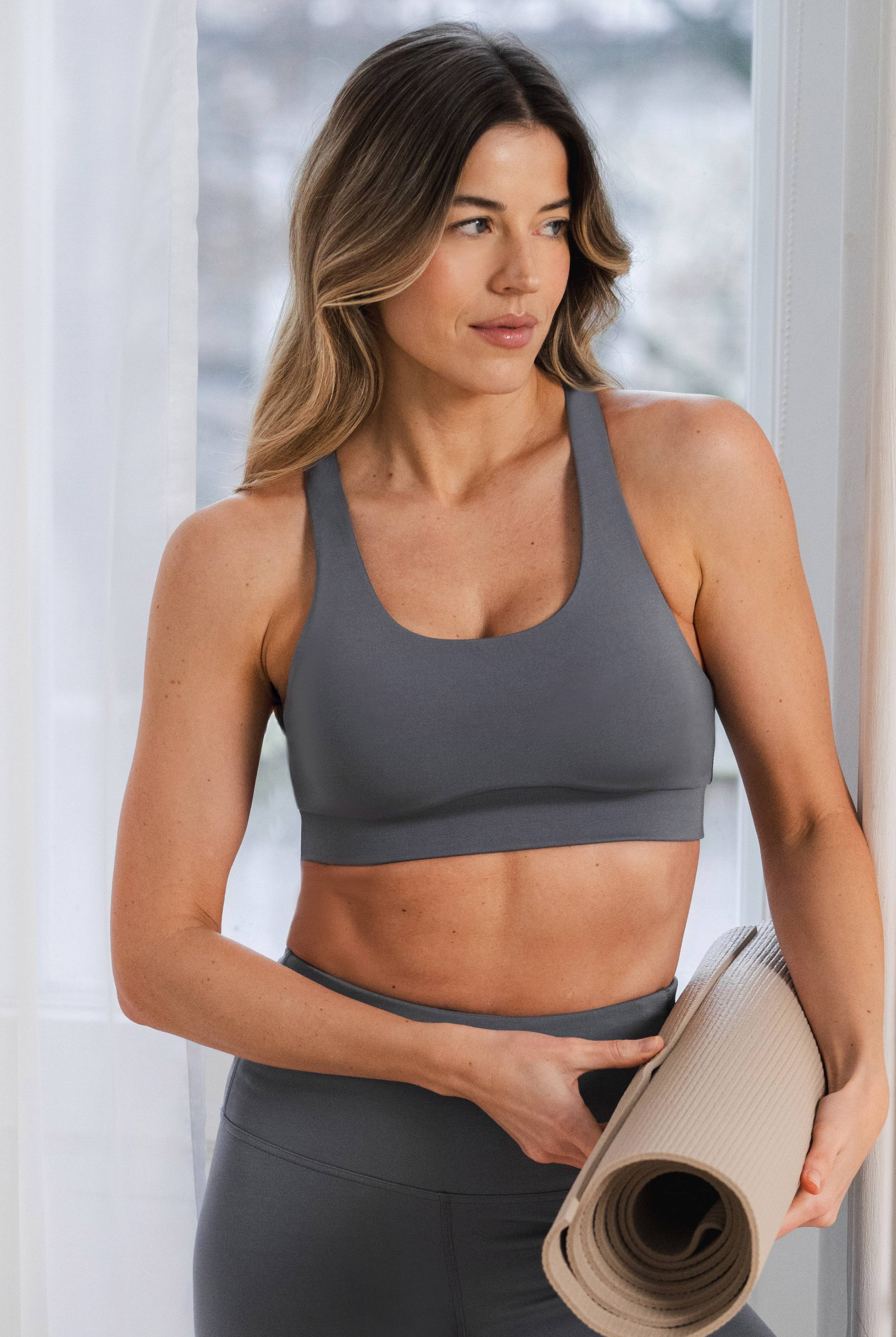
— Laura wearing TENCEL™ Sports Bra
Is TENCEL™ Lyocell Skin-Friendly?
Yes. TENCEL™ Lyocell is gentle on sensitive skin.
Its smooth, lightweight fibers sit softly against the body and allow heat and moisture to escape, helping reduce friction and irritation as you move. The result is a calmer, drier feel throughout the day – especially compared to sweat-trapping synthetic fabrics.
TENCEL™ Lyocell is independently certified by OEKO-TEX® STANDARD 100 and Asthma Allergy Nordic, meaning it's tested for substances known to irritate sensitive skin.
In a recent community survey, over half of our customers came to Tripulse seeking relief from synthetic activewear after experiencing rashes, itching, or breakouts. Many noticed meaningful changes after switching to TENCEL™ Lyocell.
Explore real community experiences in our workout skin transformation stories.
"Repetitive sweating kept irritating my skin… I couldn't do the one thing I loved — boxing. After switching, it's the best feeling in the world. Freedom from skin irritation and hives, and doing what I love to do."
— Fola (Tripulse customer) wearing Original TENCEL™ Leggings
Does TENCEL™ Lyocell Give Off Microplastics?
No. TENCEL™ Lyocell doesn't shed microplastics. It's a wood-based, botanical fiber – not plastic.
TENCEL™ fibers are naturally biodegradable and break down over time rather than lingering in the environment. It offers a cleaner alternative to synthetics, without the concern of plastics sitting against the skin or washing into waterways.
This is one of the reasons many people switch to TENCEL™ for pieces they wear often or move in.
From recent community insights, 78% say avoiding plastic fibers is a key reason for choosing TENCEL™ Lyocell, particularly for activewear and everyday essentials.
Learn more: How to Avoid Microplastics in Clothing: 5 Ways to Reduce Everyday Exposure.
"I like not wearing risky chemicals and microplastics."
— Mary (Tripulse customer) wearing Original TENCEL™ Leggings

Feel & Performance
What Does TENCEL™ Lyocell Feel Like?
TENCEL™ Lyocell has a soft, weightless, second-skin feel. It drapes smoothly over the body and moves naturally with you, never feeling stiff, scratchy, heavy, or clingy.
Lenzing describes TENCEL™ fibers as "more absorbent than cotton, softer than silk, and cooler than linen."
The result is a fabric that feels barely there – calm, breathable, and deeply comfortable from first wear to long days in motion.
What our community notices most:
Light and breathable
- "The fabric is light and airy, and it drapes beautifully." – Lena
- "They felt cool as soon as I put them on." – Ashley
Smooth and skin-friendly
- "Silky smooth feel, great weight." – Kathleen
- "My skin is sensitive and these are not itchy at all." – Elizabeth
Quietly luxurious, made to last
- "The fabric is soft and feels durable, like it will last a long time." – Jordan
- "The fabric feels so luxurious." – Mericka
How Does TENCEL™ Lyocell Perform During Workouts?
Yes. TENCEL™ Lyocell performs beautifully during movement because it's durable, naturally fresh, smooth against the skin, and designed to manage moisture as your body heats up.
In practice, this means:
-
You stay dry and comfortable
Sweat is quickly pulled away from the skin instead of sitting on the surface, so movement feels lighter and less restrictive. -
Your skin feels calmer in motion
The smooth fiber surface moves gently with your body, helping reduce irritation during repetitive movement or long sessions. -
Your activewear stays fresher for longer
By keeping moisture levels lower, odor has less chance to build up, meaning fewer washes between wears.
Among our community – 83% of whom train at least three times a week – odor resistance consistently ranks as one of the most valued benefits. Many report washing their TENCEL™ pieces about half as often as their previous synthetic activewear.
This mirrors independent comparative testing showing significantly lower odor development in TENCEL™ Lyocell than polyester during intense activity.
The result is activewear that performs naturally without relying on antimicrobial finishes, plastic fibers, or harsh treatments.
"As a Pilates instructor quality, comfortable leggings are a must. These leggings are so comfortable, I could live in them. They wick moisture surprisingly well, and they're made to be worn multiple times before needing a wash."
— Amelia (Tripulse customer) wearing Pro TENCEL™ Leggings

Is TENCEL™ Lyocell Breathable?
Yes. TENCEL™ Lyocell is naturally breathable as it allows air to circulate against the skin, so warmth and moisture don't build up as you move.
Instead of feeling heavy or closed-in, the fabric stays light, fresh, and comfortable throughout the day. This is unlike many common fabrics, such as polyester or cotton, that can trap heat and sweat.
Independent research from Lenzing also shows that TENCEL™ fibers manage moisture more effectively than cotton, helping sweat move away from the skin sooner and supporting a calmer, breathable feel in wear.
"The fabric breathes well and seems to have a nice cooling effect."
— Mericka (Tripulse customer) wearing LUX Long-Sleeve TENCEL™ Top
Is TENCEL™ Lyocell Good For Hot Weather?
Yes. TENCEL™ Lyocell is made for heat and long, warm days.
When temperatures rise, the fibers pull moisture away from the skin instead of letting it sit and turn sticky.
That's what helps prevent the heavy, clingy feeling many fabrics get in hot conditions. Lenzing describes this as creating a "drier microclimate on the skin".
In hot weather, this usually means:
- You feel cooler during movement and daily wear
- Sweat dries faster instead of lingering
- Clothing stays light and comfortable all day
That matches what we hear from our community training in warm climates, from California and Texas to Hawaii and beyond.
"I live in Hawaii and get hot easily. They are so comfortable and cool that I can wear them all day long – the first leggings I have ever had that I am comfortable in all day."
— Gwen (Tripulse customer) wearing Pro TENCEL™ Leggings
Is TENCEL™ Lyocell Stretchy?
TENCEL™ Lyocell isn't elastic, but naturally has a soft, fluid give that feels easy and comfortable on the body.
For example, our tops are made from 100% TENCEL™ Lyocell, right down to the thread, allowing the fabric to drape beautifully and feel light and unrestricted throughout the day.
For leggings and sports bras, a small amount of skin-safe ROICA® V550 or EF stretch is added only where it's needed, so you feel supported without losing that calm, barely-there feel.

Material & Sustainability
Is TENCEL™ Lyocell a Natural Fiber?
Yes. TENCEL™ Lyocell begins with sustainable wood pulp and is then transformed into a yarn for clothing through a low-impact, non-toxic process.
This careful approach allows the fiber to keep its natural softness, breathability, and moisture balance without relying on harsh chemicals or plastic additives.
It's best described as a regenerated natural fiber that's still very much rooted in nature.
How is TENCEL™ Lyocell Made?
TENCEL™ Lyocell starts as sustainably sourced wood, including birch and eucalyptus. It's then transformed into fiber in a closed-loop system where over 99% of the water and solvent is captured and reused.
How TENCEL™ Lyocell Is Made (Step-by-Step):
- Responsible sourcing: Wood is sourced from certified forests (e.g., FSC® / PEFC™).
- Wood to pulp: The wood is turned into cellulose pulp.
- Dissolving: The pulp is dissolved using a recyclable organic solvent (NMMO).
- Spinning: The solution is spun into fine fibers.
- Recovery: Over 99% of water and solvent is recovered and reused.
- Finished into fabric: Fibers are washed, dried, spun into yarn, and then knitted into fabric.
Where is TENCEL™ Lyocell Made?
TENCEL™ Lyocell is made by Lenzing, an Austrian fiber producer.
Production happens across several sites globally, including Austria, the UK, the US, and Thailand, with wood pulp also produced in Austria, the Czech Republic, and Brazil.
Are TENCEL™ and Lyocell the Same?
Lyocell is the fiber type. TENCEL™ is a certified version made under stricter sourcing and production standards. Without recognized certification, lyocell quality and impact can vary significantly.
What Makes TENCEL™ Lyocell Different From Rayon and Modal?
TENCEL™ Lyocell, rayon (viscose), and modal are all made from wood pulp, but they're produced in very different ways.
TENCEL™ Lyocell
Made from certified wood in a low-impact, closed-loop process that reuses over 99% of its solvent. The full tree is used, and the fiber is produced without toxic chemicals, under recognized health and sustainability standards.
Rayon and modal
Production varies widely. Wood sourcing isn't always regulated and over 70% of the tree can be wasted. Some processes rely on harsher chemicals like carbon disulfide, with high environmental and human impact.
Is TENCEL™ Lyocell Sustainable and Eco-friendly?
Yes. TENCEL™ Lyocell is widely considered one of the most sustainable fabric choices available.
This is because of where it comes from, how it's made, and what happens at the end of its life.
It starts with cellulose formed naturally in trees, is transformed through a carefully controlled, eco-friendly production, and can return to nature over time.
That circular rhythm – growth, use, return – sets it apart from the "extract, discard, replace" systems behind most synthetic fabrics, traditional viscose, and even cotton.
What makes TENCEL™ Lyocell different:
- Wood sourced from certified, responsibly managed forests
- A closed-loop production process that reuses over 99% of one organic solvent (N-Methylmorpholine N-oxide)
- Made with at least 50% less carbon emissions and water than conventional lyocell
- Plastic-free and biodegradable under the right conditions
- Designed to minimize waste, including using leftover or recycled materials where possible
- Backed by trusted third-party certifications such as EU Ecolabel, OEKO-TEX®, FSC®, and PEFC™

Does TENCEL™ Lyocell Contribute to Deforestation?
No. TENCEL™ Lyocell doesn't contribute to deforestation.
Instead, the wood used comes from responsibly managed forests and plantations – not ancient or endangered forests.
Over 99% of the wood Lenzing uses is FSC® or PEFC™ certified. Trees are harvested at a pace that allows forests to naturally regenerate, using practices like selective thinning rather than clear-cutting.
Lower-grade wood – including material unsuitable for furniture or affected by storms – is also used, helping reduce waste rather than drive new logging.
The focus is balance, not extraction.
Does TENCEL™ Lyocell Use Lots of Resources?
No. TENCEL™ Lyocell is designed to use fewer resources.
Trees are grown without synthetic pesticides or fertilizers and rely on rainfall rather than irrigation. In production, over 99% of the non-toxic solvent that's used is recovered and reused through a closed-loop system.
Leftover wood isn't discarded either – it's often converted into renewable bioenergy that powers production sites.
The result is a fiber that's considered, circular, and intentionally low-impact.
How Is Eucalyptus Sourced for TENCEL™ Lyocell?
Eucalyptus is often misunderstood. The issues usually come from unregulated monoculture – not the tree itself.
For TENCEL™ Lyocell, eucalyptus is sourced through long-term partnerships in Brazil and South Africa, grown far from sensitive ecosystems and never at the expense of ancient forests.
These forests are managed to support biodiversity, with land set aside for conservation, protected waterways, and ecological corridors.
Grown in the right place, under the right conditions, eucalyptus can be part of a healthy, regenerative system.
Eucalyptus for TENCEL™ Lyocell is rain-fed, FSC® or PEFC™ certified, and delivers high fiber yield from less land – helping reduce pressure on natural forests.

Does TENCEL™ Eucalyptus Production Harm Koalas?
No. TENCEL™ Lyocell eucalyptus is sustainably grown in Brazil and South Africa. Koalas live in Australia.
What Sustainability Certifications Does TENCEL™ Lyocell Have?
TENCEL™ Lyocell is backed by independent certifications that help separate meaningful standards from marketing claims. These verify how the fiber is sourced, processed, and finished – not just how it's described.
Key certifications include:
- OEKO-TEX® STANDARD 100: tested for substances known to harm skin
- FSC® & PEFC™: wood sourced from responsibly managed forests
- EU Ecolabel: verified environmental performance across production
- TÜV AUSTRIA: certified biodegradable and compostable under controlled conditions
Rather than relying on promises, these standards provide third-party reassurance about what's touching your skin and the systems behind it.

Is TENCEL™ Lyocell Biodegradable?
Yes. TENCEL™ Lyocell is certified biodegradable and compostable.
Because it's made from wood-based cellulose, it's designed to return to nature over time rather than linger as waste. Under the right conditions, it can biodegrade in soil, compost, fresh water and marine environments.
Independent research supports this. In a study by California's Scripps Institution of Oceanography, TENCEL™ fibers fully biodegraded in seawater within 30 days, while polyester showed little change after 200 days.
A small note: finished garments may include trims or stitching that aren't biodegradable. Wearing pieces longer, repairing them, or passing them on is always the most considered place to start.
How to Choose the Best TENCEL™ Lyocell
Is TENCEL™ Lyocell a High-End Fabric?
Yes. TENCEL™ Lyocell is widely considered a high-end fabric, but its quality and performance depend on how thoughtfully it's used and constructed.
Designing high-quality TENCEL™ Lyocell activewear goes far beyond choosing the fiber.
Through years of designing and refining pieces for real bodies and everyday movement, we've seen how details like fiber percentage, knit structure, stretch choice, and finishing quietly shape how a garment feels, performs, and lasts.
Some pieces use relatively small amounts of TENCEL™ – sometimes as little as 50–70% – diluted with synthetic fibers or supported by chemical finishes to compensate. They may carry the name, but not the experience.
Premium-grade TENCEL™ activewear preserves what the fiber does best.

What to Look For When Buying TENCEL™ Lyocell – Especially Activewear
High fiber content
Premium pieces use a high proportion of TENCEL™ Lyocell – around 84-100%– so the fabric's natural softness, breathability, and moisture balance remain dominant.
Thoughtful construction
How the fabric is knitted matters. Through repeated wear testing, we've found that well-engineered interlock constructions feel smoother on the skin and hold their shape, comfort, and performance far longer.
Stretch, used with intention
This is one of the most overlooked details in activewear. Choosing cleaner stretch alternatives like ROICA® V550 or ROICA® EF385 preserves the fabric's natural feel while delivering support only where it's truly needed.
Certified from the inside out
Quality goes beyond the yarn. Dyes, finishes, threads, and trims should be selected for chemical safety and verified through standards such as OEKO-TEX® STANDARD 100, REACH, and GOTS.
Tested in real life
Rather than relying on claims, considered brands pay attention to how garments feel through movement, sweat, washing, and long days, guided by wear testing and customer feedback.
Explore our TENCEL™ capsule guide
A considered starting point for building a small, high-performing activewear wardrobe designed for movement, comfort, and longevity. Read the guide.

Care & Longevity
Does TENCEL™ Lyocell Wrinkle?
TENCEL™ Lyocell is naturally wrinkle-resistant and easy to care for, making it ideal for everyday essentials and travel.
For best results, air-dry after washing or wearing by hanging garments up or laying them flat.
If needed, a light steam or low-heat iron will quickly refresh the fabric.
Does TENCEL™ Lyocell Shrink?
TENCEL™ Lyocell may shrink slightly (around 3–5%) on the first wash. It typically stabilizes and holds its shape beautifully afterwards.
At Tripulse, we account for TENCEL™ shrinkage in our sizing guides, ensuring the recommended size fits perfectly even after washing.
Does TENCEL™ Lyocell Pill?
TENCEL™ Lyocell is naturally resistant to pilling thanks to its smooth, even fibers.
Gentle washing and air-drying helps preserve TENCEL™'s smooth, premium finish for years.
Its natural freshness also means fewer washes, supporting longevity and long-term wear.
Learn more: TENCEL™ Fabric Care.
Comparisons
How Does TENCEL™ Lyocell Compare to Cotton?
Both are natural fibers, but they feel very different in wear.
TENCEL™ Lyocell is typically lighter, smoother, and better at managing moisture during movement. Cotton can feel heavier and slower to dry, especially when worn close to the body.
Learn more: TENCEL™ Lyocell vs Cotton.
"I started getting skin issues from polyester leggings and was looking for something non-toxic. I tried organic cotton, hemp, and bamboo – nothing worked until now."
— Nicole (Tripulse customer) wearing Original TENCEL™ Leggings
Is TENCEL™ Lyocell Similar to Polyester?
No. TENCEL™ Lyocell and polyester are fundamentally different.
TENCEL™ is wood-based, breathable, and designed to work with the body. Polyester is plastic-based, tends to trap heat and moisture, and often relies on chemical treatments to perform.
Learn more: TENCEL™ Lyocell vs Polyester.
What About Merino Wool?
Merino wool is a natural fiber with good temperature regulation. However, it can feel itchy for some – especially when damp – and is often less resilient in high-friction movement.
TENCEL™ Lyocell is smoother on the skin, more durable for repeat wear and washing, and better suited to skin-close activewear.
Learn more: TENCEL™ Lyocell vs Merino Wool.
Considerations
What are the Disadvantages of TENCEL™ Lyocell?
Like any material, TENCEL™ Lyocell comes with a few considerations:
It prefers gentle care
TENCEL™ Lyocell is sensitive to high heat. Washing cool and air-drying helps preserve its shape and feel, though its natural odor resistance means it usually needs washing less often.
It's less widely available
TENCEL™ is produced under strict standards and at a smaller scale, so it's more common in quality-led brands than mass-market collections.
It comes at a higher price point
Compared to cotton or polyester, TENCEL™ Lyocell costs more. That reflects certified sourcing, safer processing, and materials designed for longevity rather than shortcuts.
What Is TENCEL™ Lyocell? Final Thoughts
TENCEL™ Lyocell offers a rare balance of skin-safe comfort, natural performance, and thoughtful, responsible production.
When chosen well, it becomes a true foundation piece: something you can wear often, move in comfortably, and rely on for years.
If you're investing in TENCEL™ Lyocell, here's what to look for:
- 100% TENCEL™ Lyocell, or high-content blends with skin-safe stretch like ROICA® V550 or ROICA® EF (not diluted with standard elastane or spandex)
- Thoughtful construction that supports movement and long wear
- Certified standards across the whole garment – dyes, finishes, and trims, not just the fiber
- Comfort and performance proven in real life, not just claims
Explore Tripulse TENCEL™ Lyocell activewear
Designed as a calm, high-performing foundation for everyday movement and life.
For more, visit:
- TENCEL™ Lyocell vs Cotton for Activewear: Which Is Better For Your Skin?
- TENCEL vs Polyester: What's the Best Fabric for Activewear?
- Plastic-Free Activewear: Why Elastane Is Still Used (And Safer Options)
- The Complete Guide to Itchy Skin During & After Exercise (+ Free Relief Checklist)
- Toxins in Clothing: 7 Chemicals to Avoid + What to Wear Instead
- How to Avoid Microplastics in Clothing: 5 Ways to Reduce Everyday Exposure
Author bio
Written by Franziska Mesche, Founder of Tripulse, impact entrepreneur and materials innovation expert in natural performance textiles.
Franziska leads Tripulse's work on skin-safe TENCEL™ Lyocell and healthier activewear, with a focus on responsible materials and circular design in sustainable fashion.
Since 2019, she has sourced and tested a wide range of natural and synthetic activewear fabrics, working directly with leading fabric innovators to develop high-performance TENCEL™ Lyocell wear. Through seven years of hands-on product development and customer feedback from thousands of users, she has built practical expertise in how TENCEL™, polyester, and other performance materials compare in real athletic use.
As an active mover and conscious consumer herself, Franziska brings personal experience to everything she writes about non toxic living, movement, and wellness.