[Updated March 2026]
Cotton is often the first natural alternative people reach for when moving away from synthetics. It's familiar, widely available, and feels like a safe choice.
But activewear asks more of a fabric. It's worn during movement, heat, and sweat – and sits close to the skin for long periods.
That's where newer natural performance fabrics like TENCEL™ Lyocell come in.
Below, we compare cotton and TENCEL™ side by side, so you can choose what works best for your body, your routine, and your wellbeing.
TENCEL™ Lyocell vs Cotton: Quick Answer
Cotton and TENCEL™ Lyocell are both natural fibers, but they behave very differently on the body.
- Cotton works well for everyday basics, but it can hold onto moisture and odors, which makes it less comfortable for workouts, warm weather, or long, active days.
- TENCEL™ Lyocell is better suited to movement and all-day wear. It's more breathable, manages moisture effectively, stays fresher for longer, and feels gentler on the skin.
When it comes to performance, skin comfort, and sustainability, TENCEL™ Lyocell is the stronger choice.
Table of Contents
- TENCEL™ vs Cotton: Best For
- What is TENCEL™ Lyocell?
- What is Cotton?
- What is the Difference Between TENCEL™ and Cotton? (Pros and Cons)
- TENCEL™ vs Cotton: Key Sustainability Statistics
- What to Look for When Choosing TENCEL™ Lyocell Activewear
- TENCEL™ Lyocell vs Organic Cotton (Quick Note)
- TENCEL™ vs Cotton Insights: What Our Community Says
- TENCEL™ vs Cotton: More Helpful FAQs
- Why Fabric Choice Matters for Everyday Movement and Wellness
- Final Thoughts: TENCEL™ Lyocell vs Cotton
TENCEL™ vs Cotton: Best For
TENCEL™ vs Cotton: Best For
- Activewear & performance: TENCEL™ Lyocell
- Everyday basics: TENCEL™ Lyocell & Cotton
- Moisture management & odor control: TENCEL™ Lyocell
- Sensitive skin: TENCEL™ Lyocell
- Budget & availability: Cotton
- Structured clothing (denim): Cotton
- Lower impact & cleaner production: TENCEL™ Lyocell
What is TENCEL™ Lyocell?
TENCEL™ Lyocell is a natural performance fabric made from sustainably sourced wood. It's breathable, feels smooth against the skin, and is well suited to activewear and other skin-close pieces.
Developed by Lenzing, it's produced in a certified closed-loop process that reuses water and solvent, avoiding harsh chemical finishes. The result is a fabric that's free from microplastics, gentle on the skin, and lower impact than many conventional options.
TENCEL™ is a third-generation cellulosic fiber (after rayon and modal), created to move away from the toxic, resource-heavy processes used in earlier materials.
Certified by: OEKO-TEX®, FSC®, PEFC™, EU Ecolabel
Learn more: What is TENCEL™ Lyocell? Everything You Need to Know
What is Cotton?
Cotton is a soft, versatile natural fiber made from the fluffy seed hairs of the cotton plant. It's been used for thousands of years and remains one of the most common fabrics in the world.
Today, cotton accounts for around 20% of global fiber production, second only to polyester. It's widely used for everyday basics like T-shirts, denim, and bedding.
The two main types of cotton are:
- Conventional cotton: grown with synthetic pesticides and fertilizers, often requiring large amounts of water.
- Organic cotton: grown without synthetic chemicals and typically certified by standards such as GOTS.
Cotton supports millions of livelihoods globally, but how it's grown and processed has a significant impact on land, water, and people, which is why sourcing and certification matter.
What is the Difference Between TENCEL™ and Cotton? (Pros and Cons)
TENCEL™ Lyocell vs Cotton: Quick Pros and Cons Checklist
| TENCEL™ Lyocell | Cotton | |
|---|---|---|
| Breathable & stays dry | ✓ | ✓ (low-intensity only) |
| Feels fresh between wears | ✓ | ✕ |
| Gentle on sensitive skin | ✓ | ✓ / ✕ (depends on processing) |
| Temperature regulating | ✓ | ✕ |
TENCEL™ Lyocell: Pros & Cons
TENCEL™ Lyocell: Pros
Breathable and stays dry during movement
TENCEL™ Lyocell pulls moisture away from the skin and releases it quickly. That helps you stay dry and comfortable, even when you're moving or sweating. Lenzing studies show it absorbs significantly more moisture than cotton, which is why it performs well in activewear.
Feels fresher for longer
Because moisture doesn't linger in the fabric, odor-causing bacteria have a harder time building up. Many out of customers find they don't need to wash TENCEL™ after every wear. A simple air-dry overnight, and it's fresh for the next day, even after intense activity.
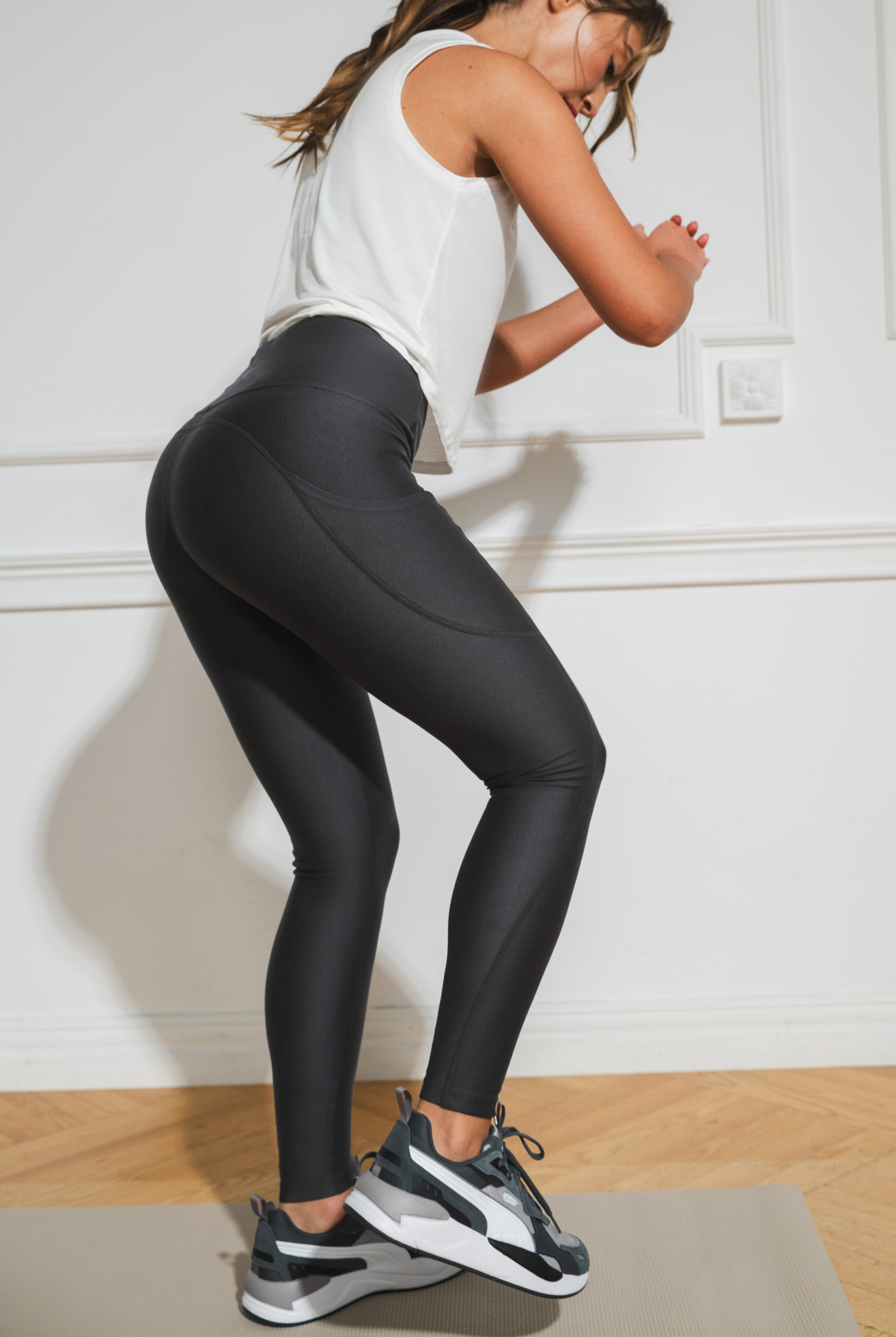
"I didn't even realize I could wear the same fitness gear several days in a row before washing – it changed my routine completely!"
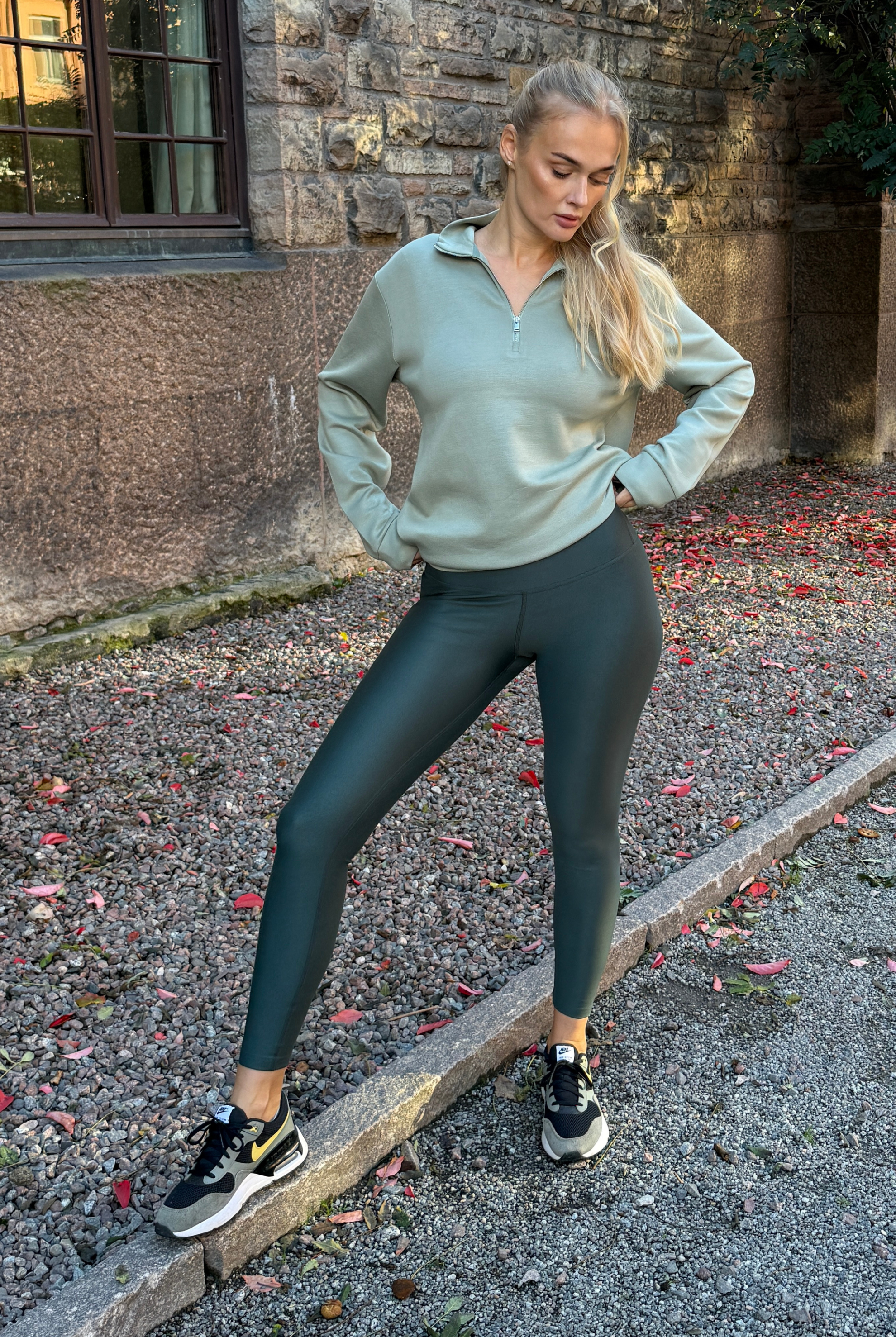
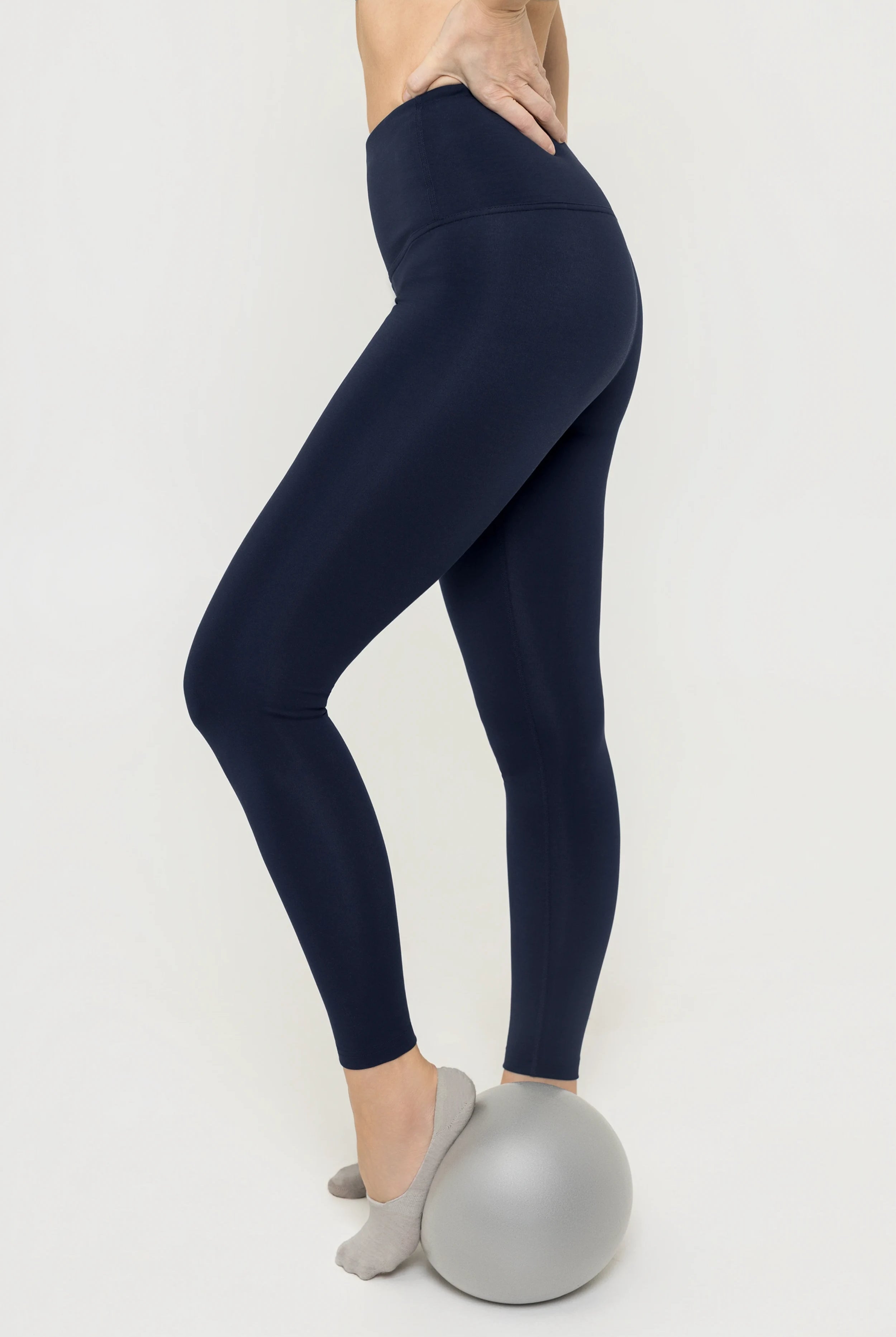
— Laura, wearing Tripulse Original TENCEL™ Workout Leggings
Gentle on sensitive or reactive skin
The fibers are smooth and even, which reduces friction against the skin. This makes TENCEL™ a good option if your skin is prone to irritation, especially during sweat and movement.
"TENCEL™ combines good water absorbency with a smooth fiber surface, which makes it a fiber very gentle to the skin." — Lenzing
Helps regulate body temperature
TENCEL™ supports a comfortable balance. It helps you stay cool when it's hot and warm when it's cool–avoiding that sticky, overheated feeling.
Strong enough for everyday wear and activity
Unlike many natural fibers like cotton, TENCEL™ holds its strength well, even when wet. That makes it perfect for active days and frequent washing.
It's the kind of fabric that lasts for years and becomes a trusted wardrobe staple, season after season!

Clean production
TENCEL™ is made in a closed-loop process using one non-toxic organic solvent that's recovered and reused. It's backed by trusted certifications such as OEKO-TEX® and bluesign®, and doesn't rely on harsh chemical finishes to perform.
Lower impact than many common fabrics
TENCEL™ is made from responsibly sourced wood and designed to biodegrade under the right conditions. In fact, it uses 50% fewer carbon emissions and water than generic lyocell and modal fibers. Hence why it's often considered one of the most sustainable fabrics on the market.
This is why we design our activewear around TENCEL™ Lyocell.
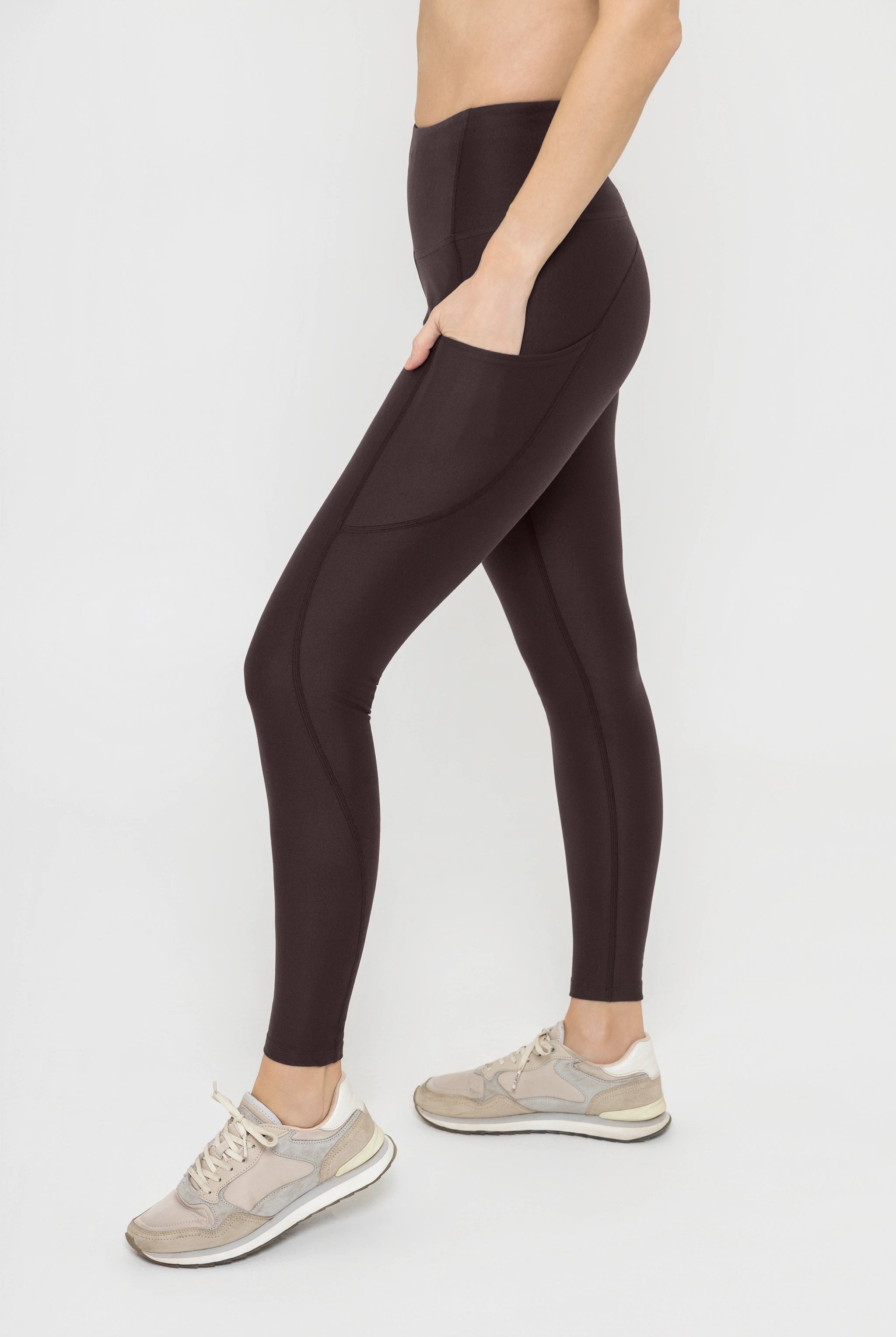
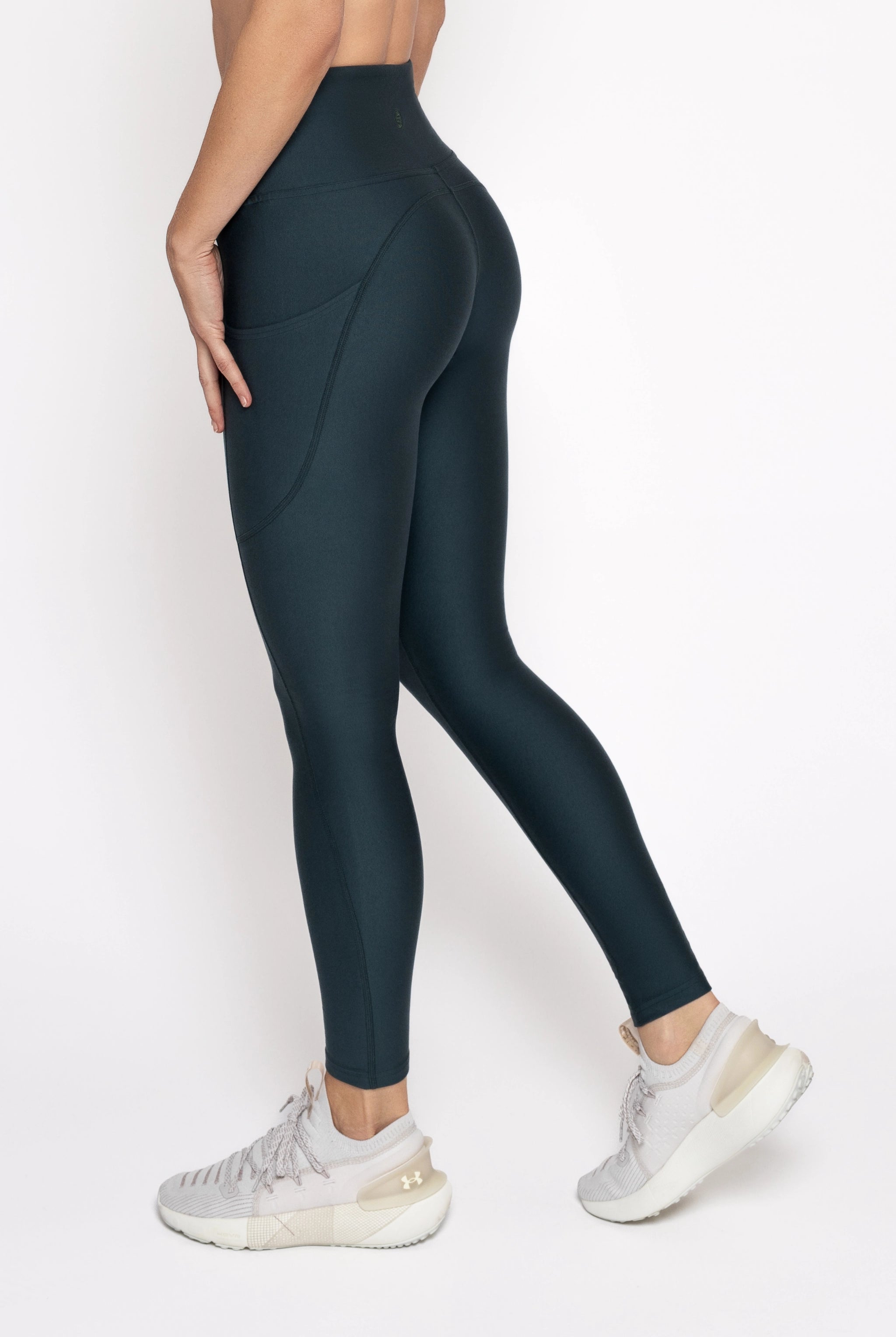
Created for skin-close movement, long wear, and everyday comfort. Explore TENCEL™ Lyocell activewear.

TENCEL™ Lyocell: Cons
Higher price point
TENCEL™ Lyocell is usually pricier than cotton, largely because it doesn't cut corners like conventional fabrics like cotton. Its certified production process prioritizes durability, skin comfort, and lower-impact manufacturing over low cost.
"Maintaining high standards and ensuring certified quality costs money, but it's a must if you want to make a responsible product."
— Franziska Meshe, Founder and CEO of Tripulse
Not naturally stretchy
TENCEL™ Lyocell doesn't stretch on its own, so performance pieces like activewear often requires elastane – a form of plastic.
Pro tip: The elastane choice matters more than most realize. While all activewear needs some stretch, conventional elastane may contain additives of concern. Eco-elastane options like ROICA™ V550 or ROICA™ EF385 offer the same performance with better health and environmental profiles. When shopping TENCEL™ activewear, ask brands what type of elastane they use - and whether the product's entire fabric is OEKO-TEX certified.
Learn more: Plastic-Free Activewear: Why Elastane Is Still Used (And Safer Options)
Requires gentler care
As TENCEL™ Lyocell is of natural origin, it needs a little extra care to maintain its softness and performance. TENCEL™ performs best with gentle handwashing or a delicate cold-water cycle.
Learn more: Explore our TENCEL™ Lyocell activewear care guide for simple, mindful tips.
Less widely available
TENCEL™ Lyocell isn't as common as cotton, particularly in mainstream retail. Availability can be more limited, especially in higher-percentage or certified blends.
Cotton: Pros & Cons
Cotton Pros
Soft and familiar
Cotton feels comfortable against the skin and is widely trusted for everyday wear. It's often the default choice for basics because it feels natural and easy.
Widely available and affordable
Cotton is grown in over 70 countries and remains one of the most widely used natural fibers globally. This makes it incredibly easy to find across most price points and clothing categories.
Breathable for low-intensity, everyday use
Cotton allows airflow and works well for casual wear, lounging, and structured pieces where performance isn't the priority.
Durable when well made
High-quality cotton fabrics – especially those with tighter or twill weaves – can be long-lasting and stand up well to regular wear.
Biodegradable when untreated
Pure, untreated cotton can break down naturally, though this depends on how the fabric is processed and whether it's blended with synthetics like conventional elastane.
Cotton Cons
Holds moisture and odors
Cotton absorbs sweat but dries slowly. During movement, this can leave fabric feeling damp and less fresh.
Because moisture lingers, odor-causing bacteria are more likely to build up. That's why cotton works better for casual, low-activity wear rather than workouts or long, warm days.
Often treated with harsh chemicals
Cotton may be natural, but it doesn't always stay that way. By the time it reaches your wardrobe, it's often treated with toxic pesticides, harsh dyes, and chemical finishes.
Residues can also remain in the fabric, which matters most for pieces worn close to the skin, like activewear and underwear.
Pro tip: Choose GOTS or OEKO-TEX® certified organic cotton to reduce chemical exposure.

Resource-intensive to grow
Conventional cotton farming relies heavily on water and agricultural chemicals. It's often grown in hot, dry regions where water is already scarce. Over time, this can degrade soil health and put pressure on local ecosystems.
Just one cotton shirt can use up to 2,700 litres of water. That's enough to meet a person's drinking needs for over two years!

Social and labor concerns
Cotton's supply chain is long and complex, and conditions can vary widely depending on where and how it's grown.
In some regions, investigations have raised concerns around worker safety and fair labor practices. This is why transparency and trusted certifications matter when choosing cotton products.
TENCEL™ vs Cotton: Key Sustainability Statistics
Water
- Cotton can use up to 20× more water than TENCEL™ Lyocell
- TENCEL™ relies mostly on rain-fed forestry and recycles process water
- Results in a 99% lower water scarcity score
Land
- Cotton uses nearly 6% of global agricultural land
- TENCEL™ trees grow on land not suitable for food crops
- Produces ~4× more fiber per acre
Chemicals
- Conventional cotton relies heavily on pesticides and chemical processing
- TENCEL™ uses one non-toxic solvent in a closed-loop system
- Overall chemistry impact is ~33% lower
Carbon
- Cotton farming emits ~220 million tonnes of CO₂ annually
- Lenzing uses 100% green electricity at several sites and aims for a 90% emissions reduction by 2050.
What to Look for When Choosing TENCEL™ Lyocell Activewear
Not all TENCEL™ activewear performs the same way. Here are the key factors that affect comfort, durability, and skin safety:
1. TENCEL™ percentage matters
Some activewear brands use as little as 50-70% TENCEL™, filling the rest with polyester or nylon to cut costs. Higher TENCEL™ content (90%+ for tops, 80%+ for leggings) means better moisture management, skin comfort, and fewer synthetic materials against your skin.
2. The type of elastane affects your health
Most stretchy activewear uses conventional elastane, which may contain concerning additives. Newer options like ROICA™ V550 or ROICA™ EF385 offer the same performance with better environmental and skin safety profiles. Look for brands transparent about their elastane choice.
3. Certifications provide independent verification
OEKO-TEX Standard 100, REACH and GOTS and verify that fabrics are tested for harmful substances. These aren't just marketing badges - they represent third-party testing that protects your health.
4. Performance data beats marketing claims
Some brands provide third-party customer satisfaction data on breathability, odor resistance, and skin comfort. Real data matters more than subjective claims.
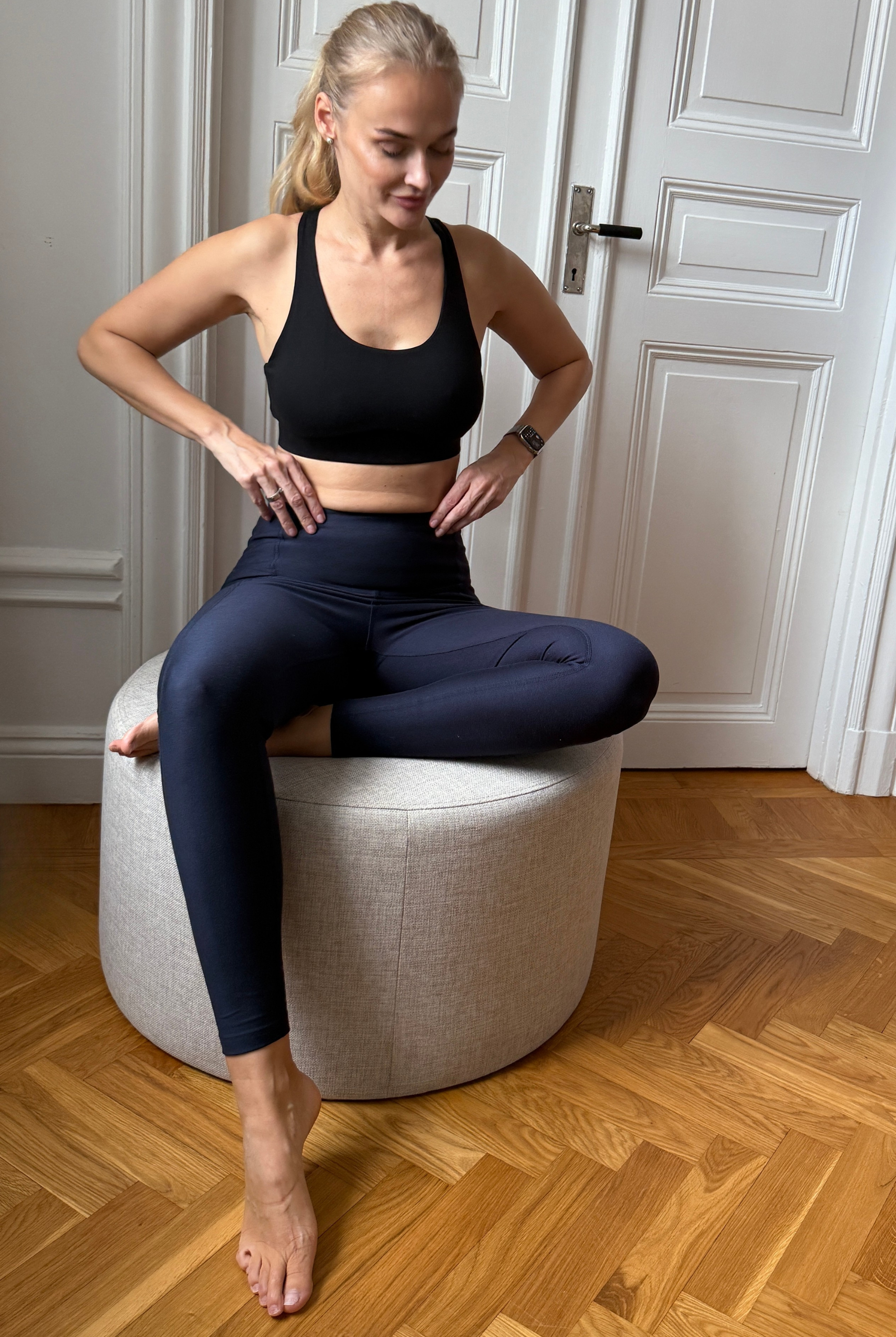
Tripulse activewear is made with 100% certified TENCEL™ Lyocell.
Our stretch pieces blend TENCEL™ with ROICA™ for movement. Discover premium botanical fibers.
TENCEL™ Lyocell vs Organic Cotton (Quick Note)
Organic cotton is a meaningful improvement on conventional cotton. It's typically grown without synthetic pesticides, often rain-fed, supports farmers, and commonly certified by standards like GOTS or Fairtrade.
That said, it isn't perfect. Organic cotton still requires farmland, can rely on irrigation in dry regions, and has faced issues with mislabelling and supply-chain complexity.
In short: certified organic cotton is a solid choice for everyday basics, while TENCEL™ Lyocell tends to score higher for both sustainability credentials and performance.
TENCEL™ vs Cotton Insights: What Our Community Says
We surveyed Tripulse community members who regularly wear both TENCEL™ Lyocell and cotton activewear to understand real-world performance differences.
These insights can help guide your own fabric choices:

How Common Are They?
- Cotton: 86% wear it regularly
- TENCEL™ Lyocell: 71% wear it regularly
What Is Each Fabric Used For Most?
- TENCEL™: 75% wear it for exercise and activewear
- Cotton: 63% wear it for casual, everyday comfort
Which One Keeps You Dry After Sweating?
- TENCEL™: 82% said yes
- Cotton: 85% said no - it stays damp
Which Stays Fresher After a Workout?
- TENCEL™: 88% said yes
- Cotton: 81% said no - it holds odor
How Do They Feel on Skin?
- TENCEL™: 81% said very soft
- Cotton: 50% said somewhat soft
What About Breathability On Hot Days?
- TENCEL™: 88% said very breathable
- Cotton: 32% said very breathable, 68% not so much
If It Came Down to One...
82% would choose TENCEL™ Lyocell over cotton.
These differences become especially noticeable during longer wear periods, warmer conditions, and higher-intensity movement. This is why fabric choice matters most in activewear compared to everyday basics.

1 of 21,950 Re: QA cotton refresh Inbox Tripulse Care Team Attachments 7:34 PM (0 minutes ago) to me, franziska.mesche Here is your formatted blog post - responsding to "QA cotton refresh" One attachment • Scanned by Gmail tencel vs polyester
TENCEL™ vs Cotton: More Helpful FAQs
Is TENCEL™ or cotton better for sensitive skin?
TENCEL™ Lyocell is generally the better option for sensitive or reactive skin. Its fibers are smoother and manage moisture more effectively, helping reduce friction and irritation.
It's also typically produced to certified, skin-safe standards, meaning it isn't processed with harsh chemicals that can linger in the fabric. Cotton can still work well – especially when certified organic – for sensitive everyday basics, rather than long wear, heat, or movement.
Learn more: If you experience itching, chafing, or irritation during workouts, our guide to itchy skin during exercise breaks down why fabrics matter, and what actually helps.
Is TENCEL™ or cotton preferred for activewear clothing?
TENCEL™ Lyocell is better suited to activewear. It manages sweat more effectively, stays fresher between wears, and feels lighter against the skin without relying on heavy chemical finishes.
Cotton is reliable for everyday basics, but during movement it can feel heavier and less responsive.
Which is more expensive: TENCEL™ or cotton?
TENCEL™ Lyocell usually costs more than conventional cotton. That reflects the higher, certified standards behind it – including how the fiber is processed, how it performs, and how it supports skin health and wellbeing.
Cotton is widely available at lower price points, though organic or responsibly made cotton often costs more too.
Is TENCEL™ as breathable as cotton?
Yes – and in many cases, more so. TENCEL™ Lyocell has a smooth, lightweight structure that allows air to circulate while moving moisture away from the skin.
The result is a fabric that feels airy and breathable without the heavier, damp feeling cotton can develop once you start sweating.
Is TENCEL™ more odor-resistant than cotton?
Yes. TENCEL™ Lyocell manages moisture more efficiently, which makes it harder for odor-causing bacteria to build up.
Because cotton tends to hold onto moisture for longer, odors are more likely to linger – especially during movement or warm conditions. With TENCEL™ Lyocell activewear, many of our customers find they can wear pieces longer between washes.
Is TENCEL™ or cotton more cooling?
TENCEL™ Lyocell generally feels more cooling than cotton. It pulls sweat away from the skin and releases it quickly, helping the body stay in balance during heat or activity.
Cotton absorbs moisture but dries more slowly, which can leave fabric feeling damp and clammy against the skin.
Is expensive TENCEL™ activewear worth it compared to cheaper options?
TENCEL™ activewear varies significantly in quality and price. The difference usually comes down to:
- TENCEL™ percentage (higher is better for performance)
- Type of elastane used (eco-certified vs conventional)
- Certification standards (e.g. OEKO-TEX, REACH compliance)
- Manufacturing quality and fit engineering
- Production country (and its respective higher or lower regulations on health and environmental aspects)
Cheaper options may use lower TENCEL™ percentages blended with synthetics or cheaper natural fabrics, lack independent safety certifications and are made in countries with low health and environmental regulations. If you're investing in TENCEL™ Lyocell for health and performance reasons, it's worth checking these specifications before purchasing. The fabric composition and production country should be clearly stated on the product page. If it's not, that's often a red flag.
Why Fabric Choice Matters for Everyday Movement and Wellness
We often think carefully about what we eat or put on our skin, but what we wear matters too.
Clothing sits against your body for hours at a time, especially during movement. When a fabric traps moisture, irritates the skin, or relies on heavy chemical finishes, you feel it – in comfort, confidence, and how freely you move.
Choosing better fabrics isn't about perfection. It's about supporting your body with materials that breathe, feel good on the skin, and work with you through daily movement.
Over time, those small choices add up: to more comfort, less irritation, and a calmer relationship with what you wear.
Final Thoughts: TENCEL™ Lyocell vs Cotton
TENCEL™ Lyocell and cotton both have their place – it just depends on how you wear them.
Choose cotton (ideally organic and certified) for everyday basics, low-movement wear, and familiar comfort.
Choose TENCEL™ Lyocell for activewear, travel, warm days, and anything worn close to the skin for long periods.
If you're sensitive to sweat, friction, or odors, TENCEL™ generally feels fresher and gentler over time.
But not all TENCEL™ activewear performs equally. When choosing pieces for your active life, look for:
- High TENCEL™ content (80%+ for optimal performance)
- Certified eco-elastane for safer stretch
- Independent safety certifications (OEKO-TEX, REACH)
- Transparent composition information
- Country of production
These details make the difference between activewear that just looks natural, and activewear that truly performs naturally.
A small switch in fabric can make a big difference in how you move, feel, and live.
Curious what clean, natural performance can feel like, worn close to the skin?

For more, visit:
- What is TENCEL™ Lyocell? Everything You Need to Know
- Activewear Capsule Wardrobe: 6-8 Natural Pieces That Do It All
- Toxins in Clothing: 7 Chemicals to Avoid + What to Wear Instead (2026)
- TENCEL™ vs Polyester: Which is Better for Activewear?
- TENCEL™ Lyocell Fabric Care Guide
- The Complete Guide to Itchy Skin During & After Exercise (+ Free Relief Checklist)
About the Author
Written by Franziska Mesche, Founder of Tripulse, impact entrepreneur and materials innovation expert in natural performance textiles.
Franziska leads Tripulse's work on skin-safe TENCEL™ Lyocell and healthier activewear, with a focus on responsible materials and circular design in sustainable fashion.
Since 2019, she has sourced and tested a wide range of natural and synthetic activewear fabrics, working directly with leading fabric innovators to develop high-performance TENCEL™ Lyocell wear. Through seven years of hands-on product development and customer feedback from thousands of users, she has built practical expertise in how TENCEL™, polyester, and other performance materials compare in real athletic use.
As an active mover and conscious consumer herself, Franziska brings personal experience to everything she writes about non toxic living, movement, and wellness.