What you wear to Pilates can affect how freely you move, how well your instructor can support you, and even the comfort and health of your skin. To help you get it right, we spoke to two Pilates experts: Nikie Sjöberg, founder of Mywellniverse studio in Stockholm, and Hannah McMullen, co-founder of TheReformery in New York.
What to Wear to Pilates: Quick Summary
- For Pilates, wear high-waisted leggings or shorts, a crop top, t-shirt or long sleeve, and a soft wire-free sports bra, barefoot or in grip socks.
- Look for certified clean, naturally soft and breathable fabrics like TENCEL™ Lyocell with ROICA™ eco stretch. Avoid conventional synthetic fabrics like polyester and nylon, which trap heat, harbor odor and are often heavily chemically treated.
- Pilates is about precise movement, control, flow and deep body awareness. The best outfit should feel like a second skin so you can be fully present in every movement.

Instructor Insight: What Makes the Perfect Pilates Outfit?
For Nikie, certified Pilates instructor and founder of Mywellniverse studio in Stockholm, the perfect Pilates outfit starts with materials:
"I strongly believe in activewear made from botanical fibers, completely free from polyester and polyamide, which essentially wrap the body in plastic. Beyond that, the most important thing is freedom of movement. Nothing should dig into your waist or restrict your breath. Fabrics should feel soft, breathable, and supportive."
— Nikie (certified Pilates instructor, founder of Mywellniverse)
What to Wear to Pilates: The Essentials
Tops
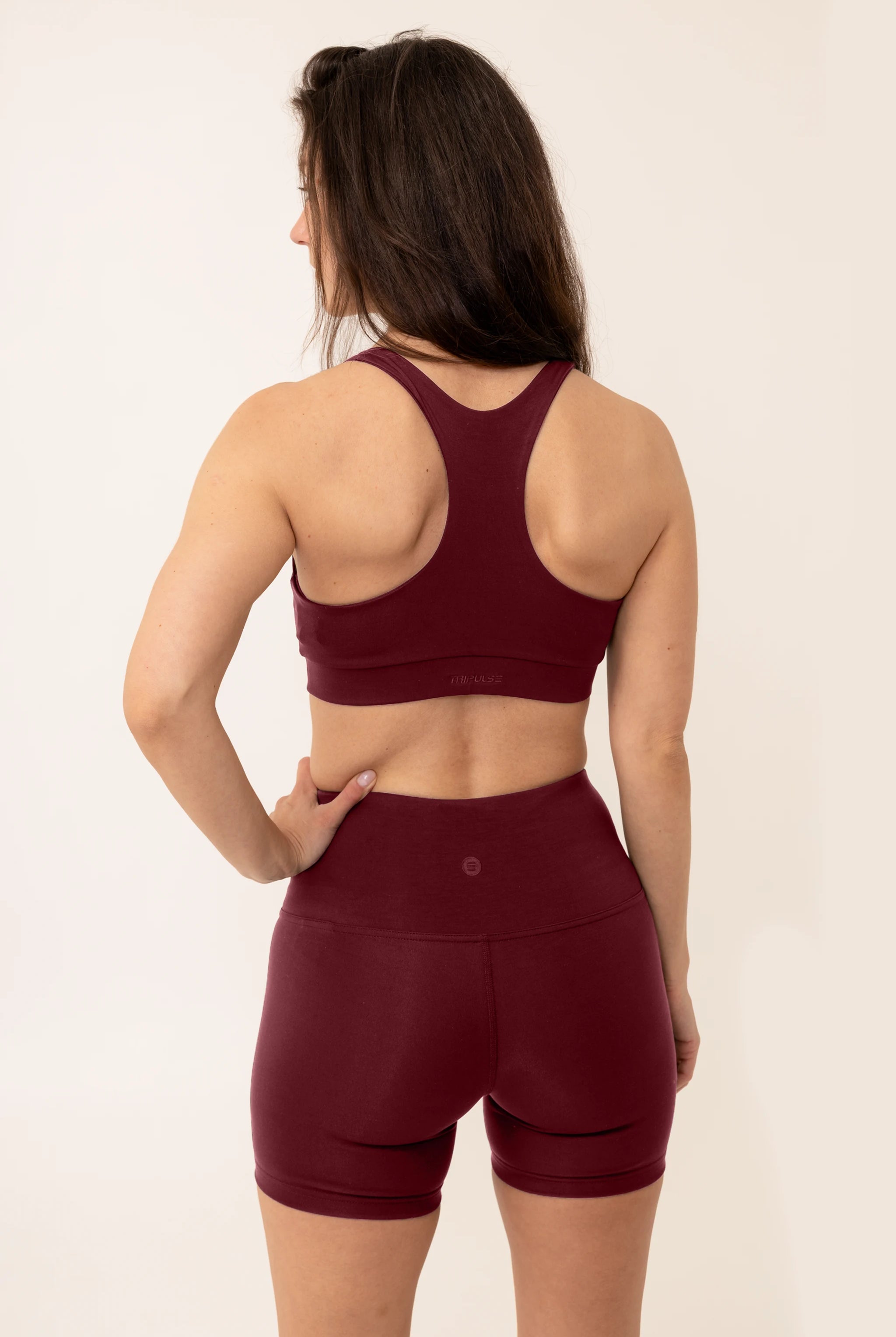
A crop top, t-shirt or long sleeve, either slim-fit or slightly relaxed, all work well for Pilates. Just bear in mind that your instructor needs a clear view of your spine, shoulder position and ribcage to give accurate guidance throughout class. Avoid anything too loose or heavy, as it can disrupt your flow and pull your concentration away from the work itself.
As Nikie puts it: "More fitted clothing makes it easier for me to guide and adjust alignment. Though after more than 20 years of teaching, I've learned to read the body regardless of what someone is wearing."
Explore

Sports Bra
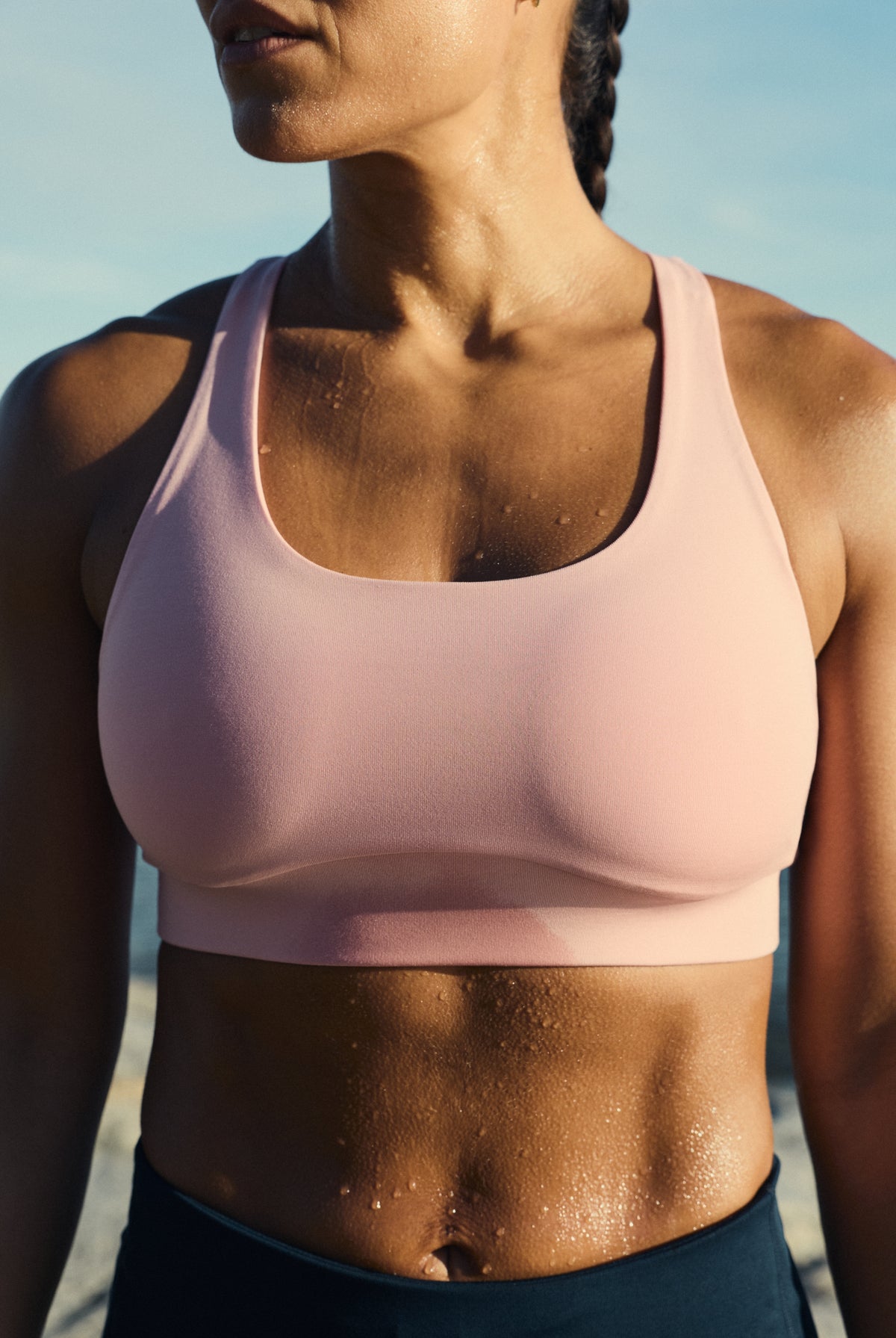
Research suggests that without adequate breast support, posture and movement patterns can be affected. Given how central precision and alignment are to Pilates, a well-fitted sports bra is worth getting right.
Look for something soft, supportive and non-restrictive, with no underwire, back clasps or fastenings, and nothing that digs in at the straps. Anything uncomfortable or distracting will take your attention away from the work.

Leggings and Shorts
The right pair of bottoms can make a real difference to how freely and confidently you move, without distractions or adjustments pulling your focus.
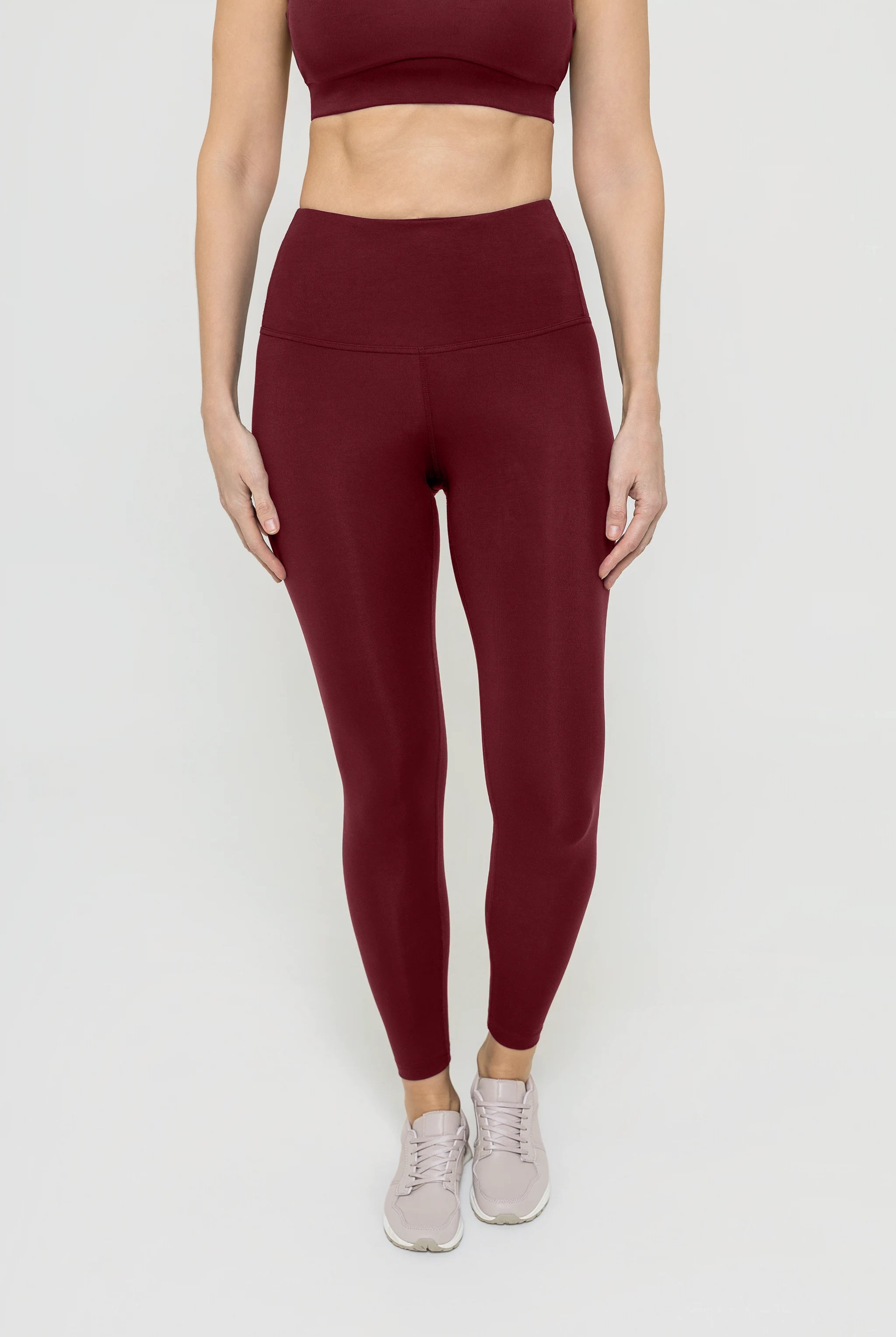
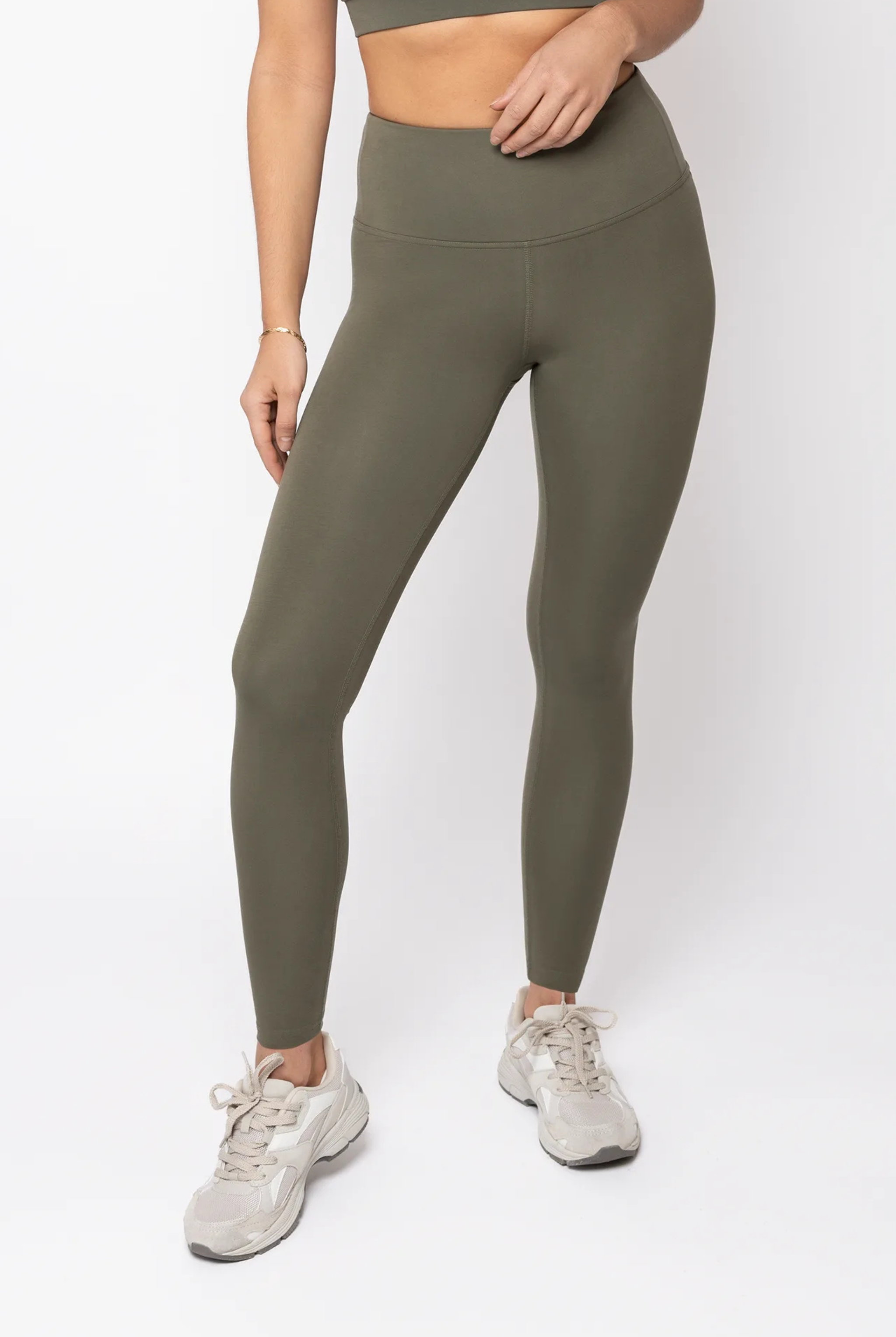
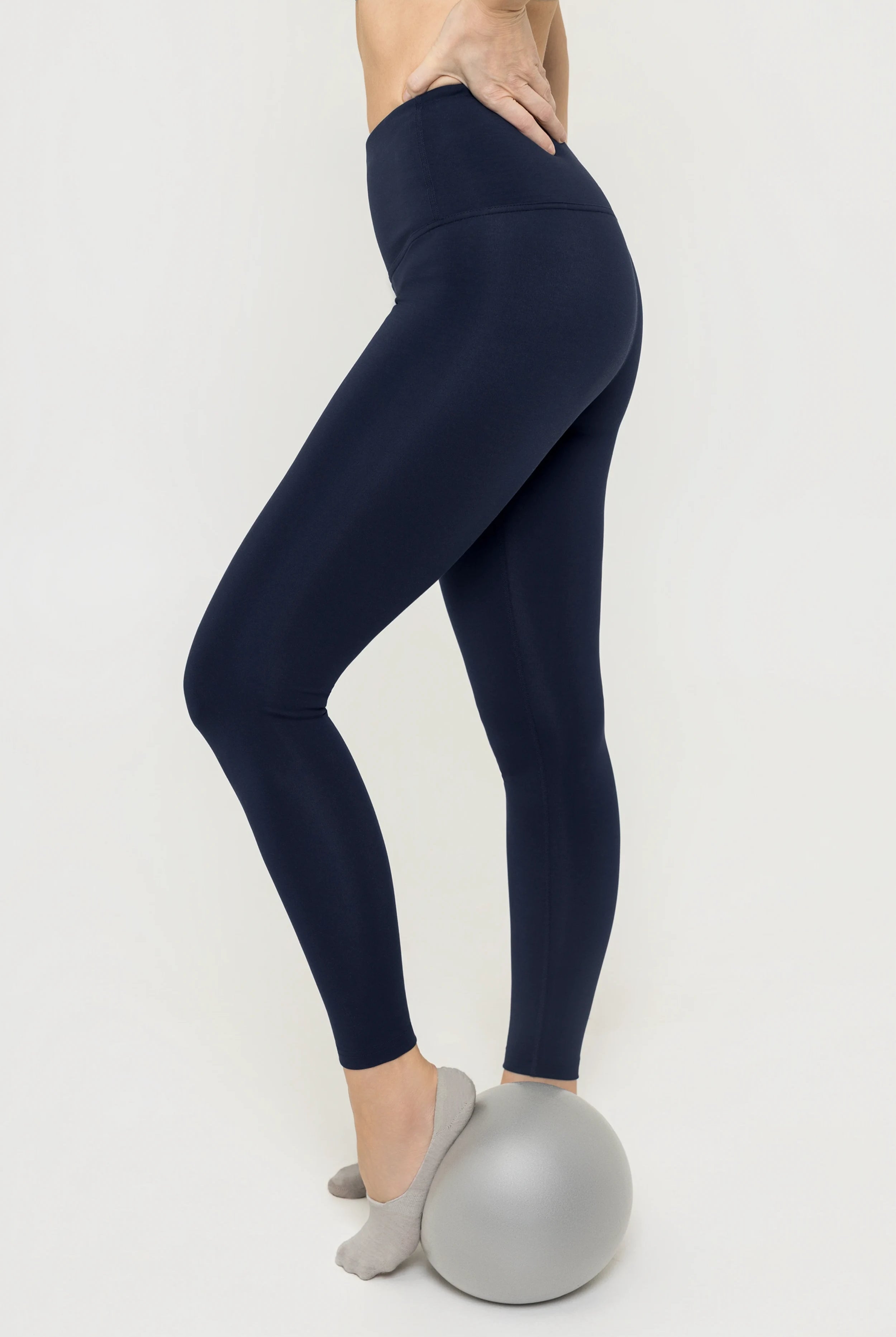
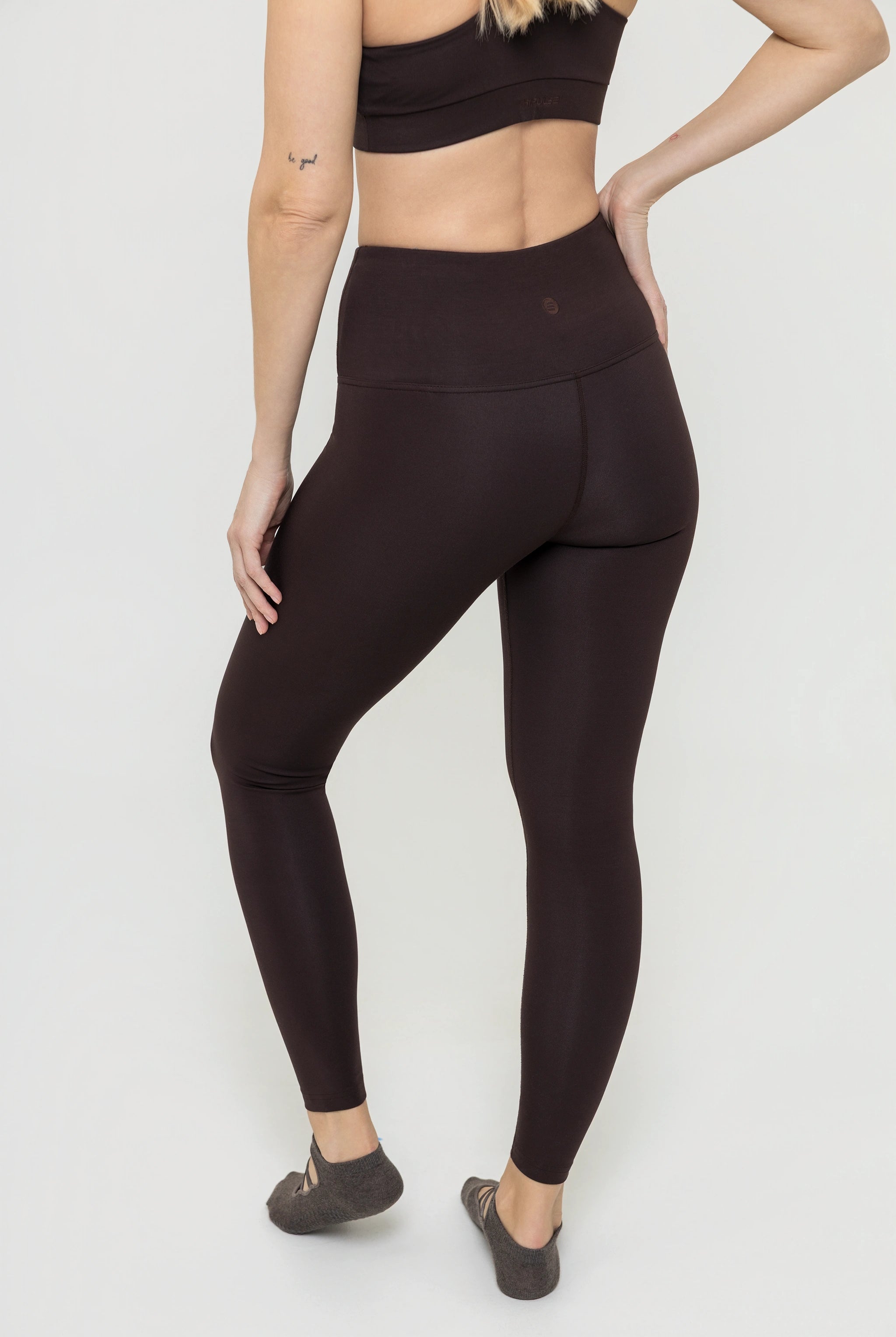
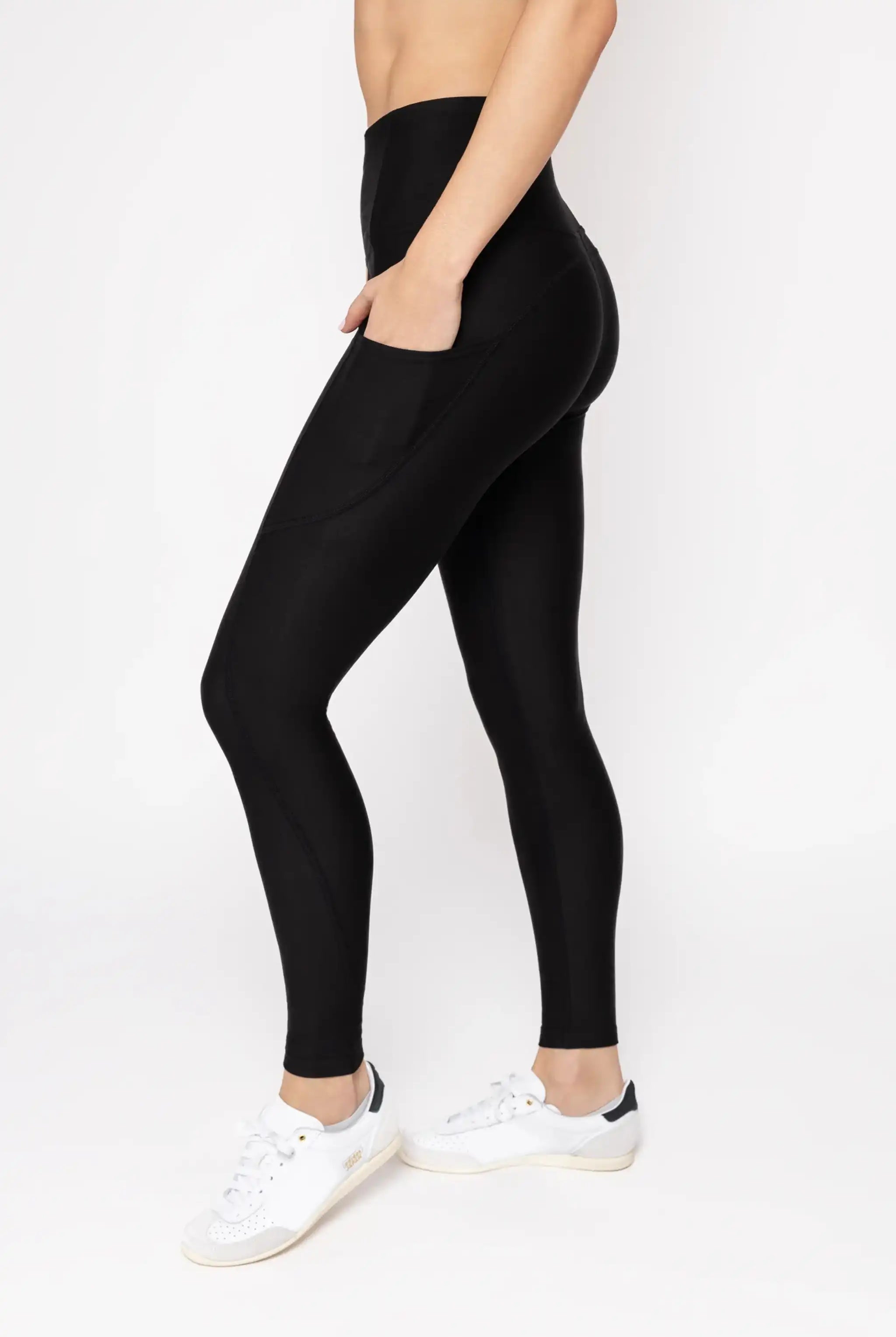
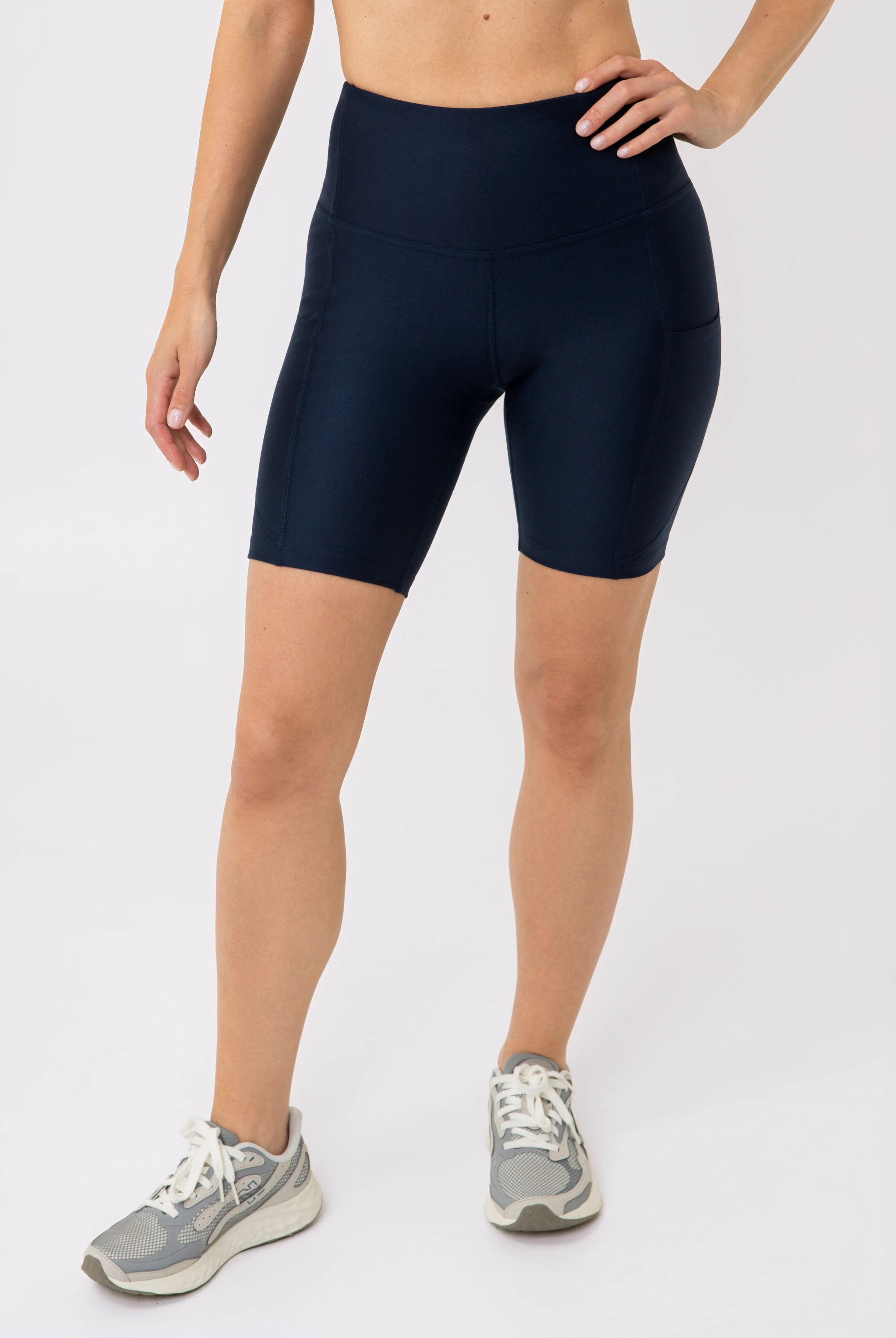
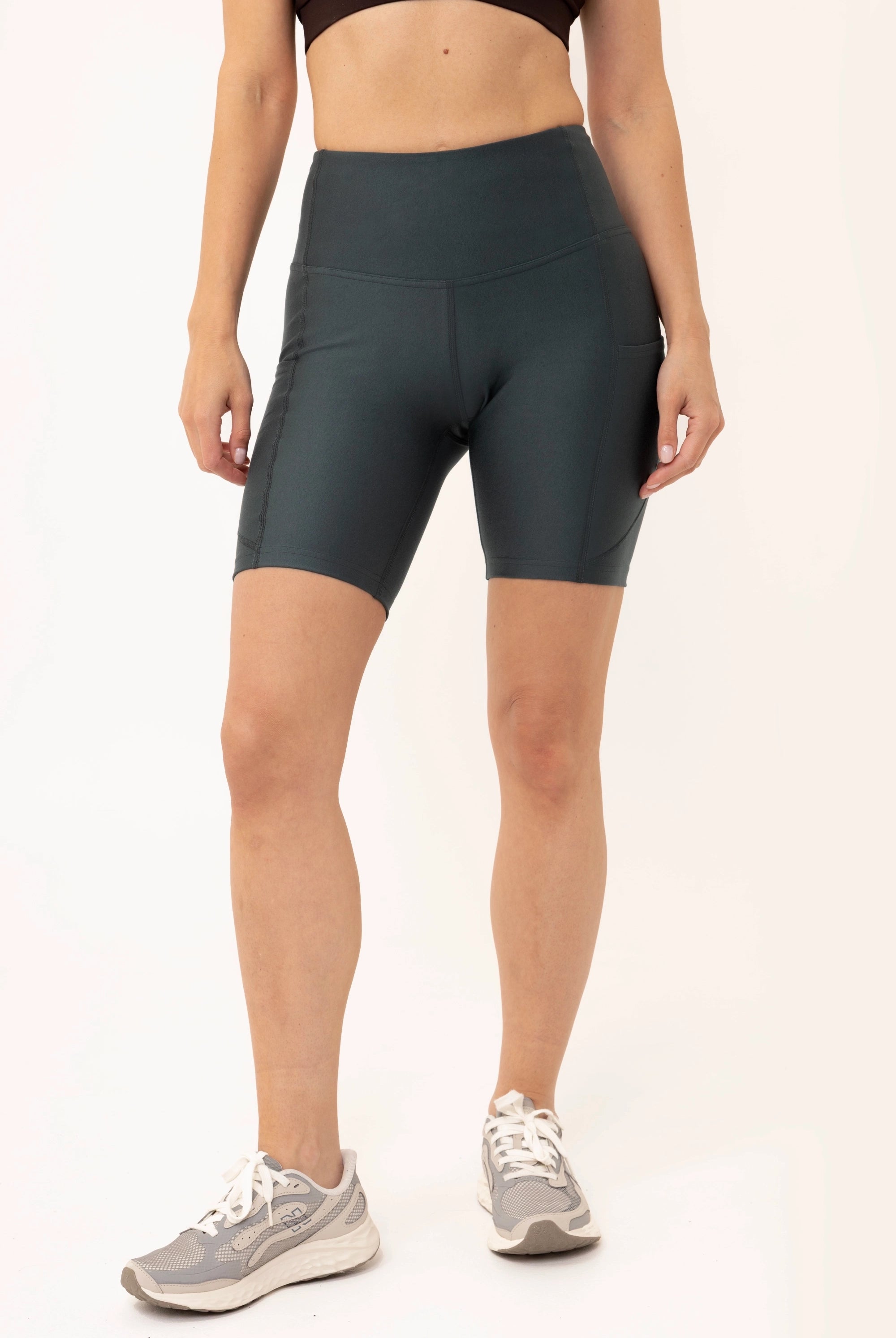
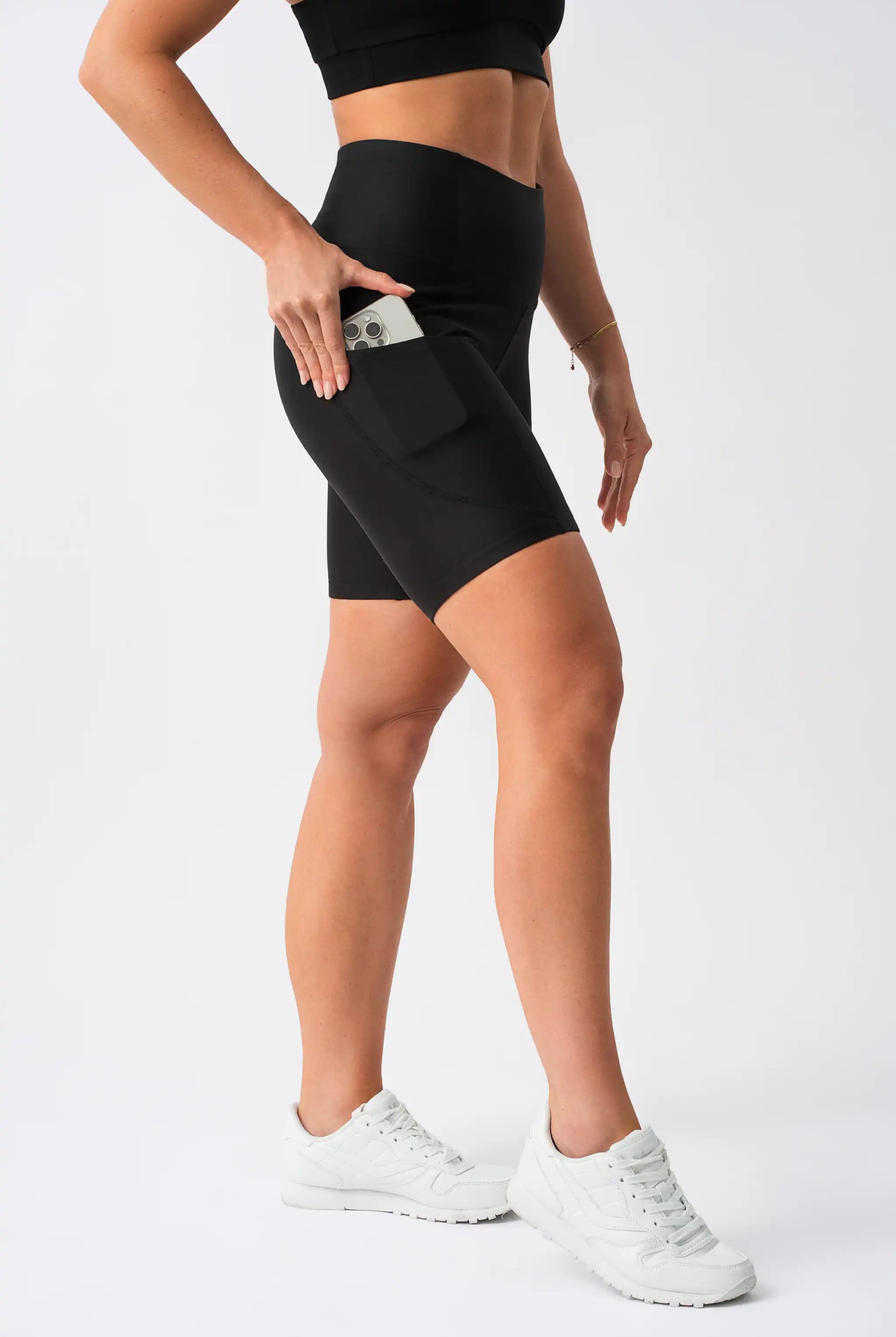
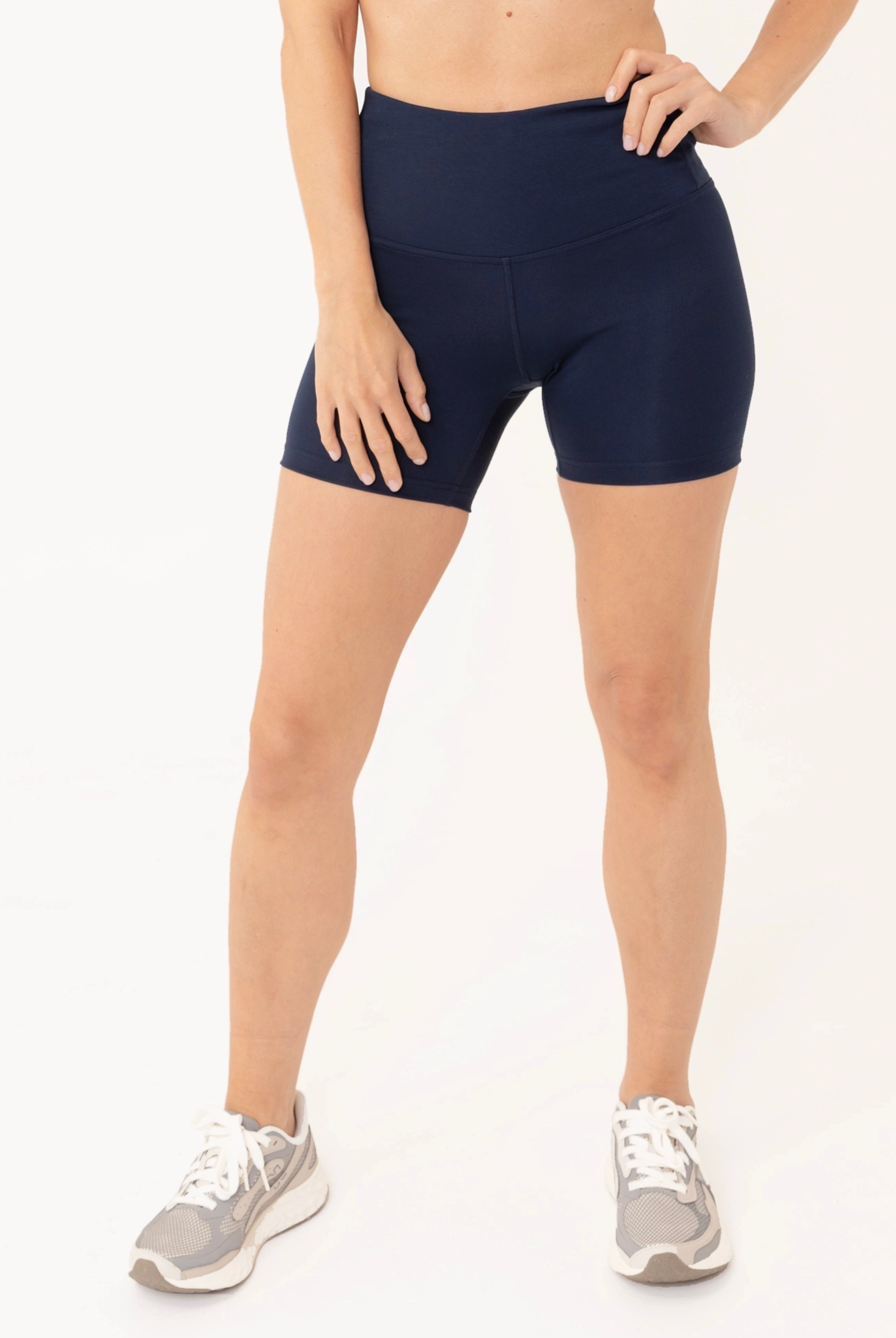
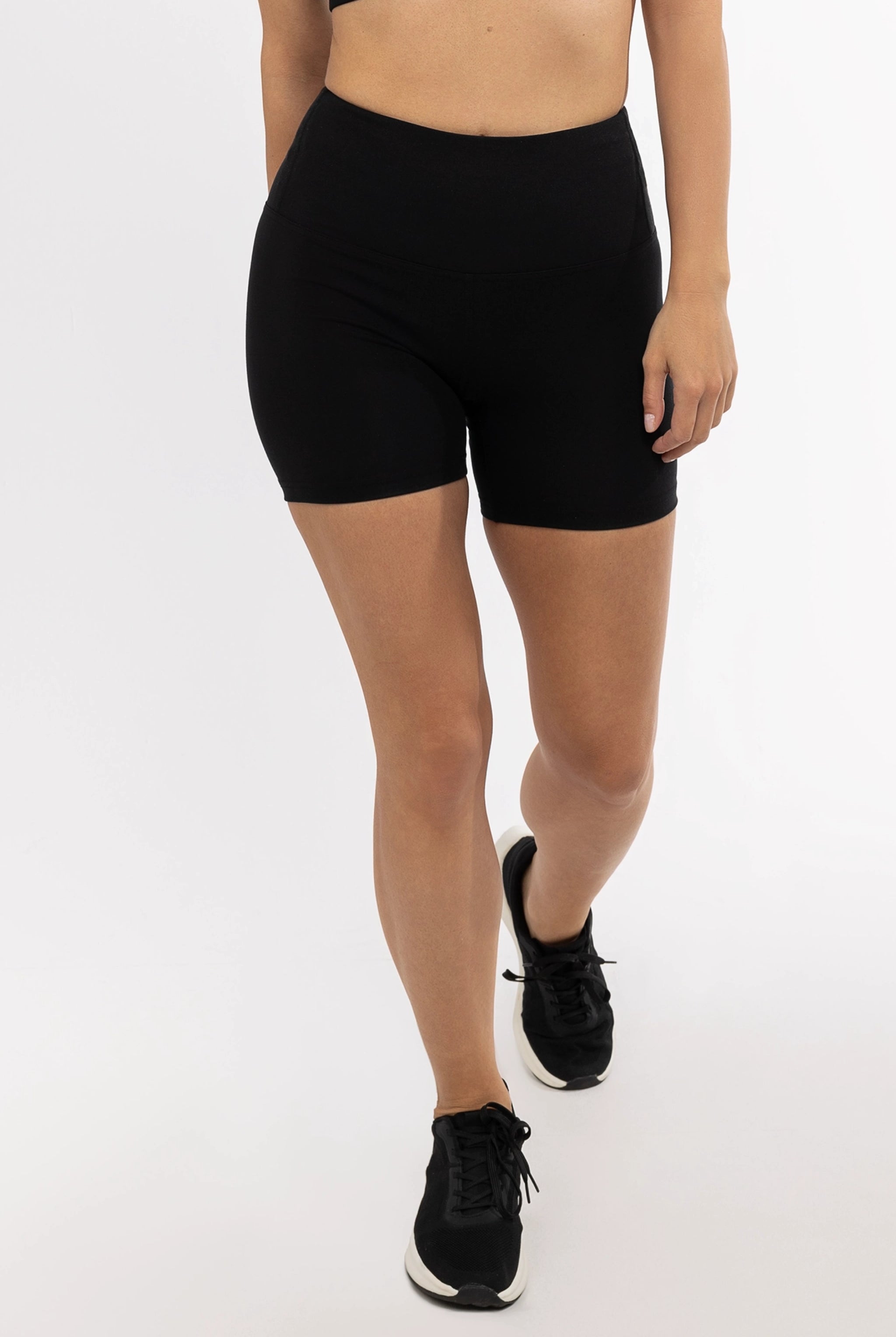
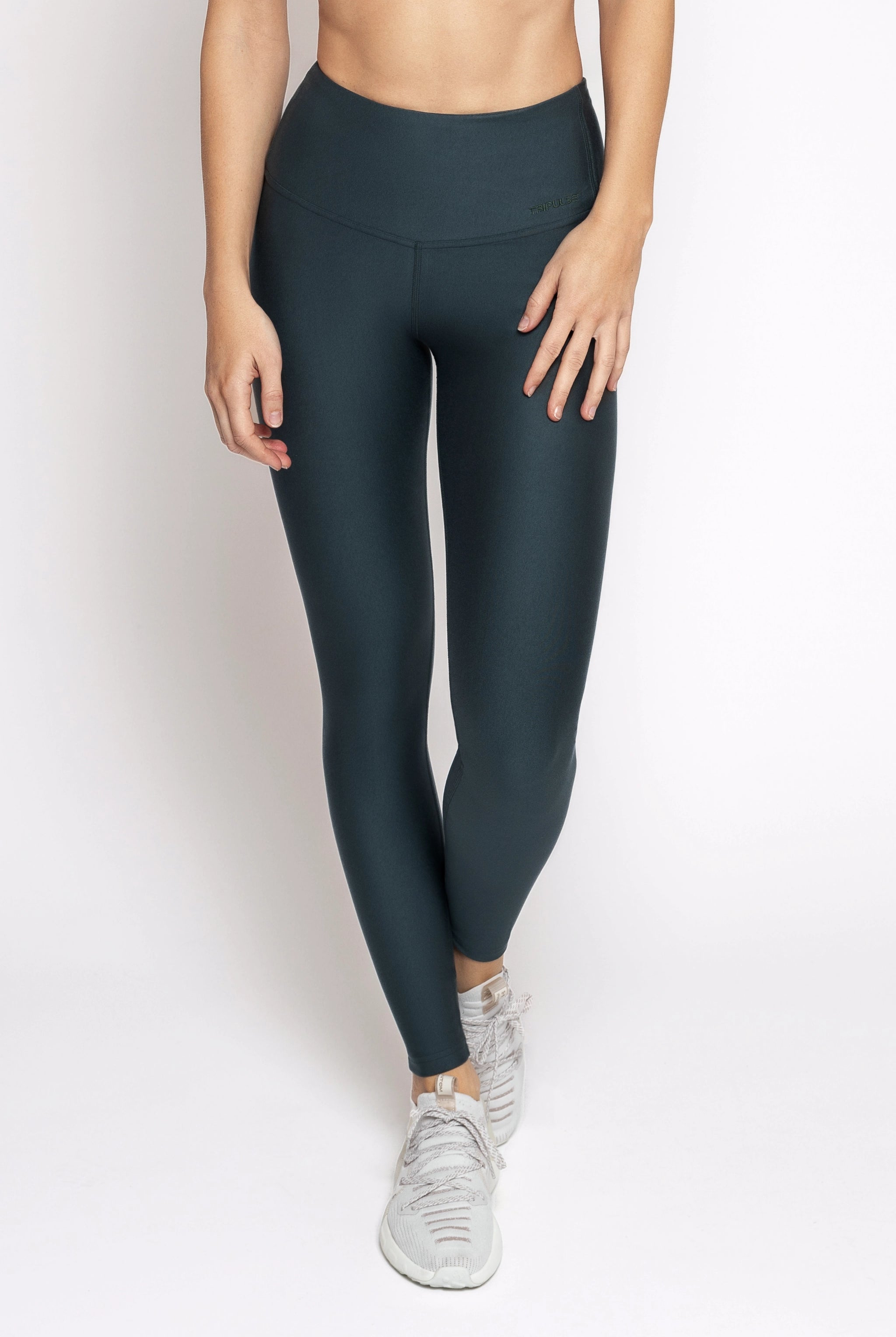
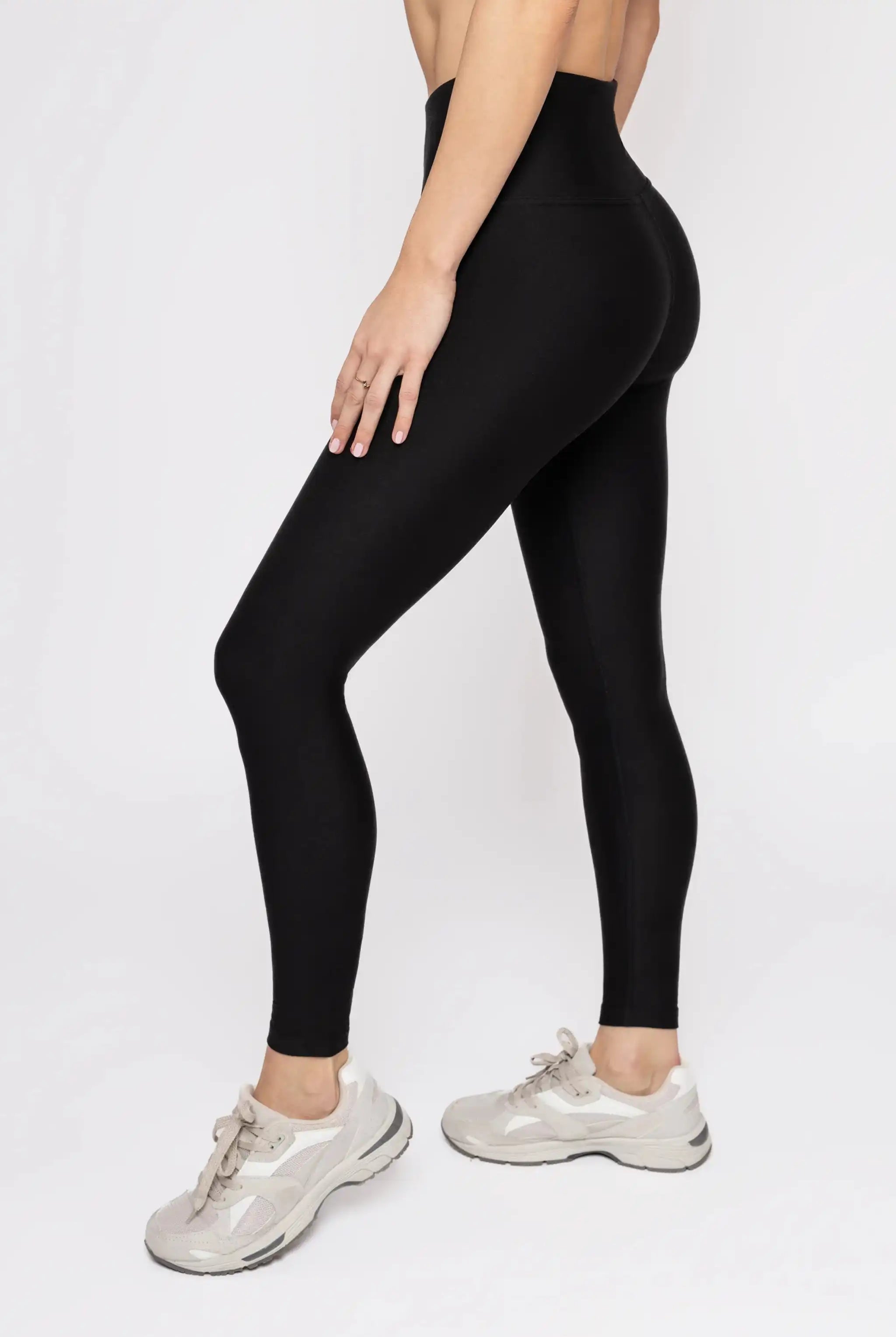
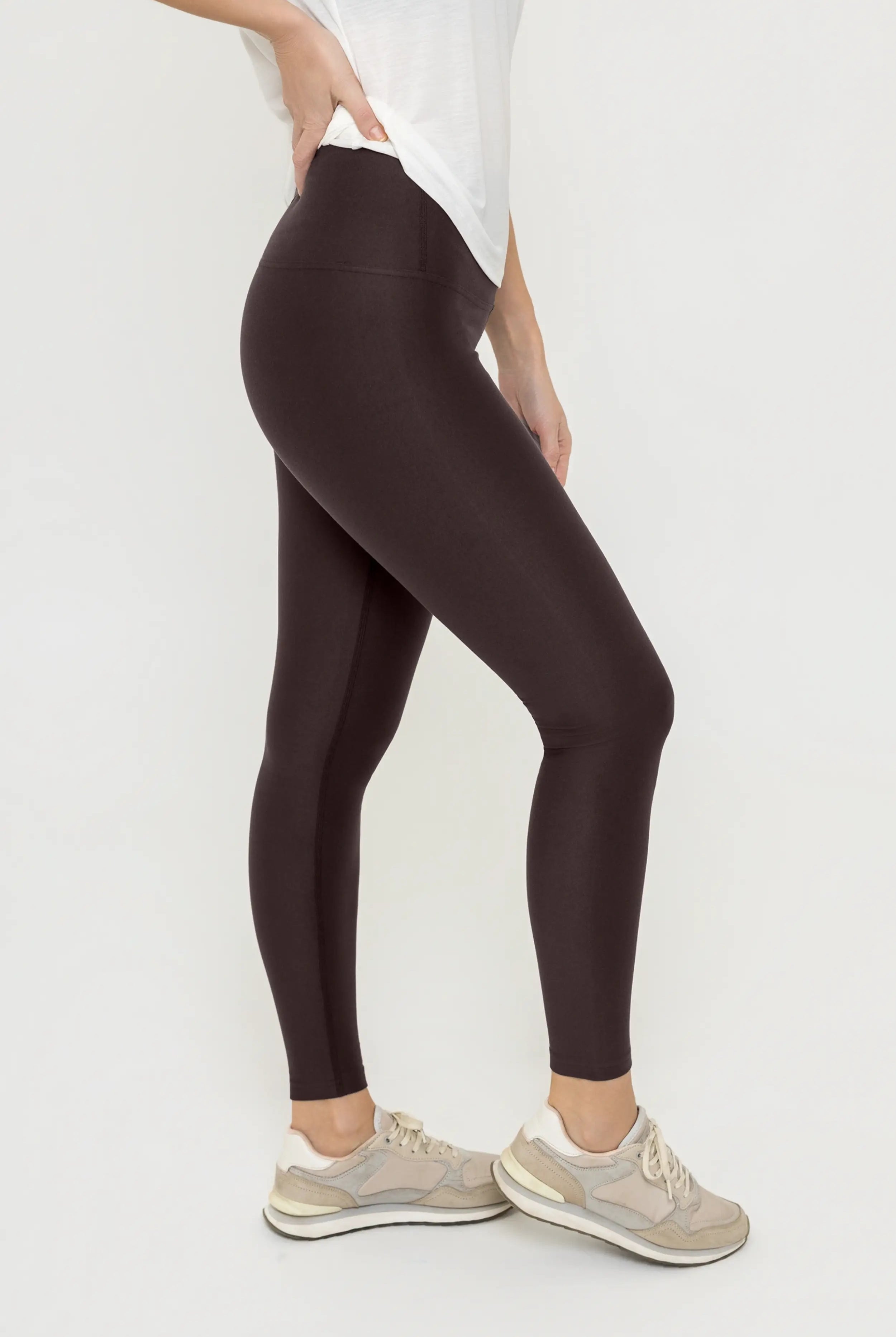
That's why form-fitting full-length or 7/8 leggings or shorts with a higher, secure waistband and light to medium compression tend to work best.
It also means your instructor gets a clear view of your body in space, can assess your pelvic alignment, and give accurate corrections.
Coverage matters too. Pilates takes you through your full range of movement across a variety of positions, from lying on your back to all fours. Very baggy or loose styles can quickly bunch, shift or feel exposing.

Do you practice Pilates barefoot or with shoes?
Pilates is practiced without shoes, either barefoot or in socks.
The feet are rich in sensory receptors that shoes can interfere with. Training without them allows the feet and ankles to move through their full natural range of motion, activates the small stabilising muscles of the foot and ankle, and keeps you grounded in a way that shoes simply can't. That connection supports your balance, body awareness and alignment.
Socks are also a good option if you prefer them for hygiene or extra grip in the studio.
"The most important thing is stability. Working out barefoot is absolutely fine if you feel comfortable, while regular socks can be slippery and should generally be avoided. Grip socks are a great alternative! However, because the mats in my studio have such a strong grip, standard socks can actually work sometimes—I often wear them myself when teaching. That said, I always consider the materials. Many socks are made from synthetic fibers, which is something I personally try to avoid."
— Nikie (certified Pilates instructor, founder of Mywellniverse)
Does fabric matter for Pilates clothing?
Yes, fabric choice matters for Pilates. Activewear is one of the most intimate items in your wardrobe, worn close to the skin for extended periods. What it's made from can affect your comfort, performance and skin health throughout a session and beyond. The best choice is a naturally high-performing, certified clean fabric like TENCEL™ Lyocell.
Why TENCEL™ Lyocell with ROICA™ clean stretch is our top pick for Pilates
Pilates asks for control, precise movement, concentration and a deep connection with breath and body. This means you need a fabric that is soft and barely there against the skin, breathable, moisture-managing and stays fresh during movement and long after the session. TENCEL™ Lyocell delivers all of this naturally without synthetic chemical treatments.
TENCEL™ is OEKO-TEX® Standard 100 certified and REACH compliant. This means it is independently verified free from harmful substances including PFAS, BPA and formaldehyde.
The right amount of stretch and compression is also important for Pilates, enough to move freely and feel secure, without being restrictive. ROICA™ eco elastane is the cleaner, lower impact alternative to the conventional elastane found in most activewear – lower impact and independently certified for skin safety.
Learn more: What is TENCEL™ Lyocell? Everything You Need to Know
"For me, fabric makes all the difference. I wear activewear for most of the day, often 8 to 10 hours, so what sits against my skin truly matters. Looking back, I find it hard to believe how many years I spent in synthetic materials filled with microplastics."
— Nikie (certified Pilates instructor, founder of Mywellniverse)
TENCEL™ Lyocell: the fabric Pilates instructors keep coming back to
TENCEL™ Lyocell is the fabric our community of Pilates instructors and mindful movers keeps coming back to, consistently rating it above common synthetics like polyester and natural alternatives like merino wool and cotton. Read the Tripulse Performance Study to find out more.

Why standard synthetics fall short
If you've ever finished a Pilates class feeling hot, itchy or like your skin couldn't breathe, synthetic fabric could be the culprit.
Most Pilates activewear defaults to polyester and nylon, prone to trapping heat and harboring bacteria against the skin.
These fabrics are often treated with substances such as PFAS and BPA to enhance performance. Chemical residues can persist in the fabric during wear, and research suggests exposure may increase through sweat and friction. The health effects are still being studied, but repeated low-level exposure has been linked to skin irritation and other health concerns.
"The shift towards natural fabrics has been significant, not just in terms of comfort, but in how the body feels during and after movement. And the more you sweat, the more noticeable that difference becomes."
— Nikie (certified Pilates instructor, founder of Mywellniverse)
Learn more: Toxins in Clothing: 7 Chemicals to Avoid and What to Wear Instead
What about natural alternatives like cotton and merino wool?
Natural alternatives like cotton and merino wool can be a step up from conventional synthetics, but still have their limitations once you start to move and heat up. As Nikie notes, "Cotton can sometimes feel too heavy once you start to sweat." Both can also involve chemical processing unless certified.
That said, certified organic cotton or merino wool make good options for layers when commuting to and from class. For the session itself, TENCEL™ Lyocell tends to outperform both.
Find out more in our comparison guides:
What to wear to reformer Pilates
The clothing principles for reformer Pilates are largely the same as mat. As Hannah McMullen, comprehensively certified Pilates instructor and co-founder of TheReformery in New York, puts it: "The exercises are very similar between the two, so what you are most comfortable with in one likely translates to the other."
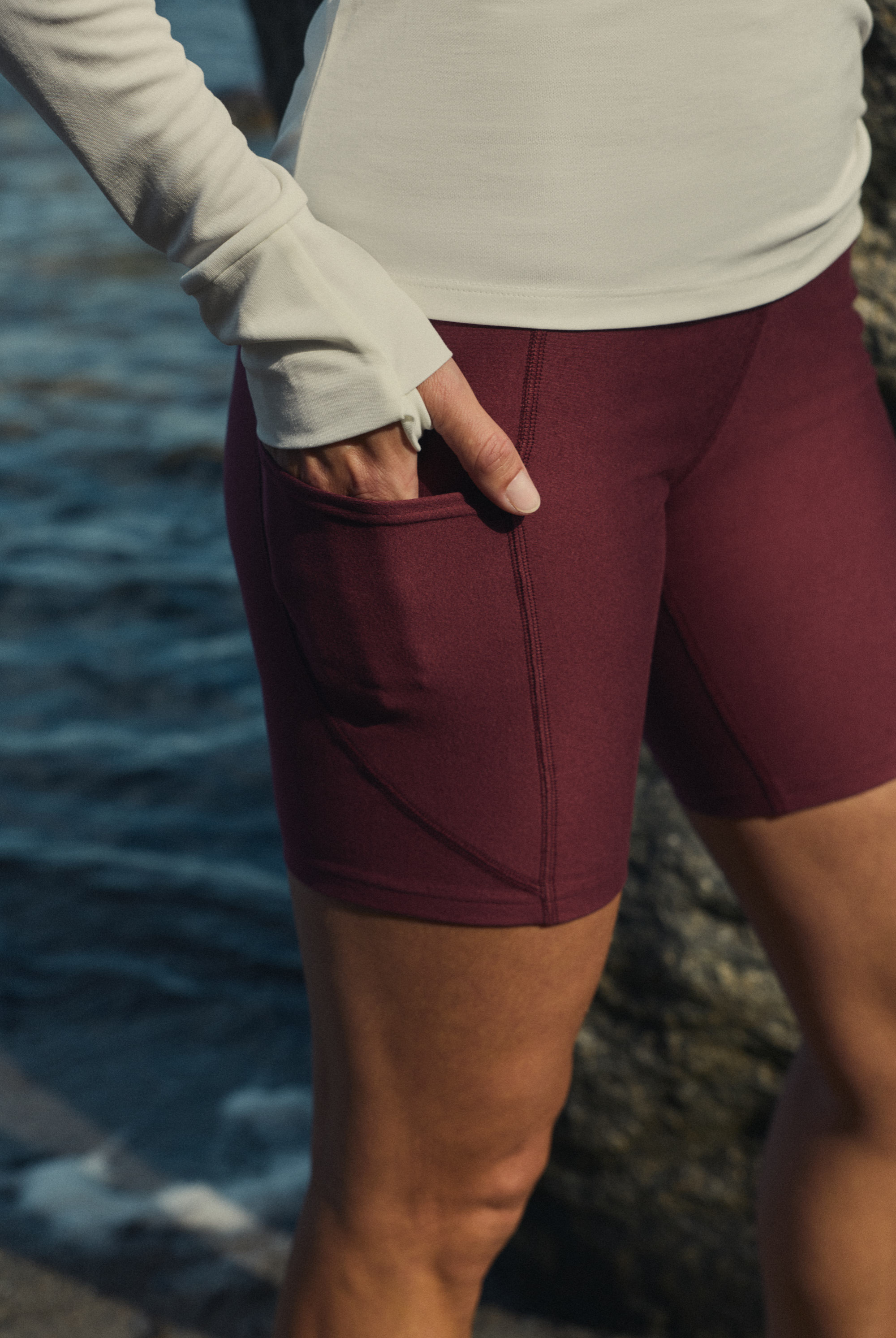
Hannah recommends leggings as her go-to: "I find leggings to be the most comfortable because many movements have big leg movements. Biker shorts are great too. For tops, layer so you can have options once your body starts to warm up."
On what to avoid: "Anything baggy can get caught on the equipment or bunch uncomfortably on your body. Many synthetic fibers have a bit too much sheen to them and can slide on the reformer carriage."
Hannah also advises that many studios require grip socks, so it's always worth double checking before you attend class. "They are much better than regular socks so you don't slip on the equipment."
Note: Every studio has slightly different rules, so it's worth checking ahead of your first visit.
What to wear to Pilates in winter and summer
Whatever the season, choosing a breathable, temperature-regulating fabric is the priority. For example, TENCEL™ Lyocell adapts naturally to the body, keeping you warm without overheating and cool without trapping heat.
What to wear to Pilates in winter
- Full-length leggings, long sleeve base layer and a well-fitted sports bra.
- A cozy cardigan or wrap to arrive in.
- Socks, with or without grip, to keep feet warm.
What to wear to Pilates in summer
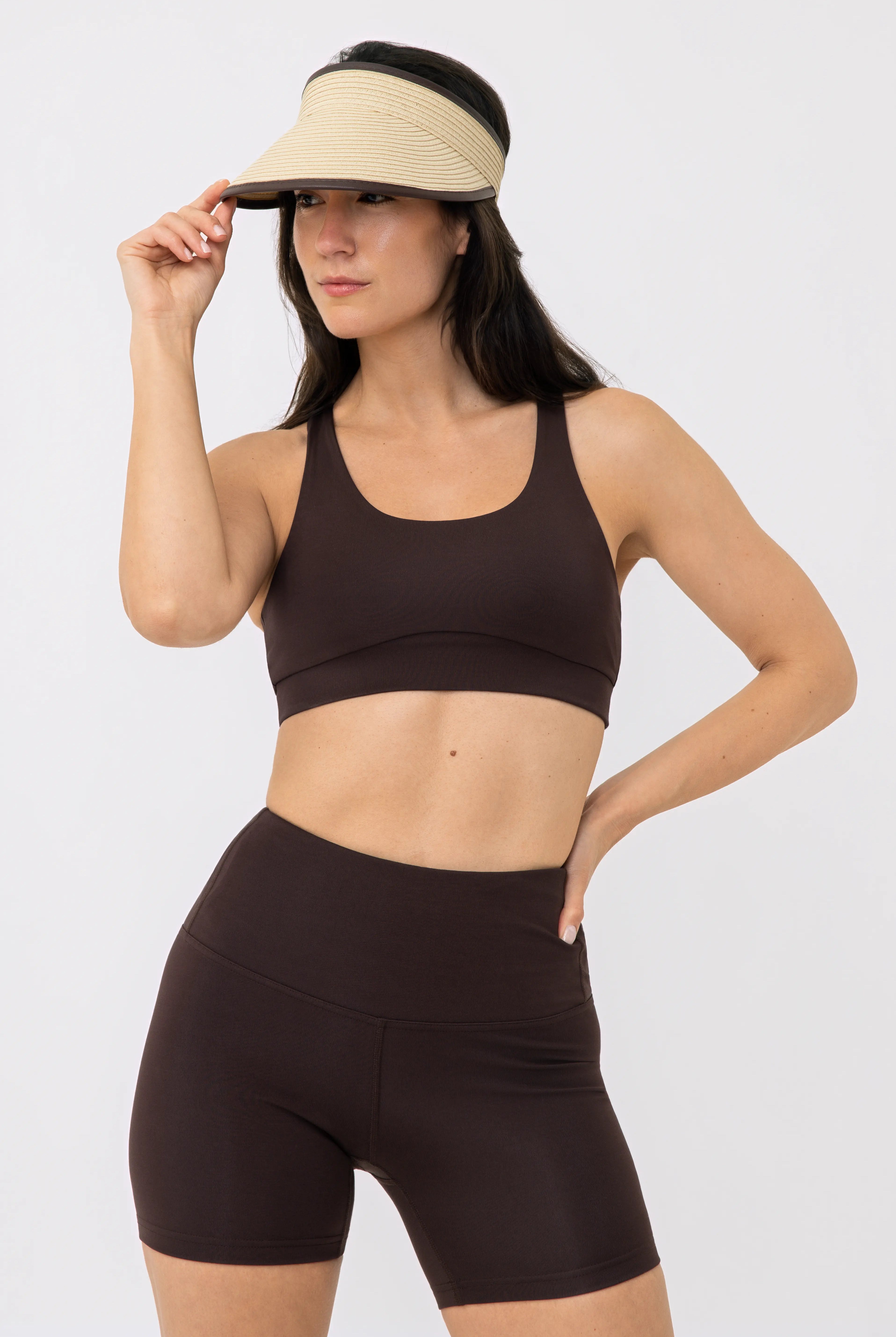
- Lighter leggings or shorts with a crop top, fitted tank or sports bra.
- Barefoot or light socks depending on preference.
Pilates outfit ideas
The minimal set
Monochrome, minimal, everything you need. The go-to for mat or reformer.
Shop the look: Pro TENCEL™ Leggings + Next Gen TENCEL™ Sports Bra

Studio to street
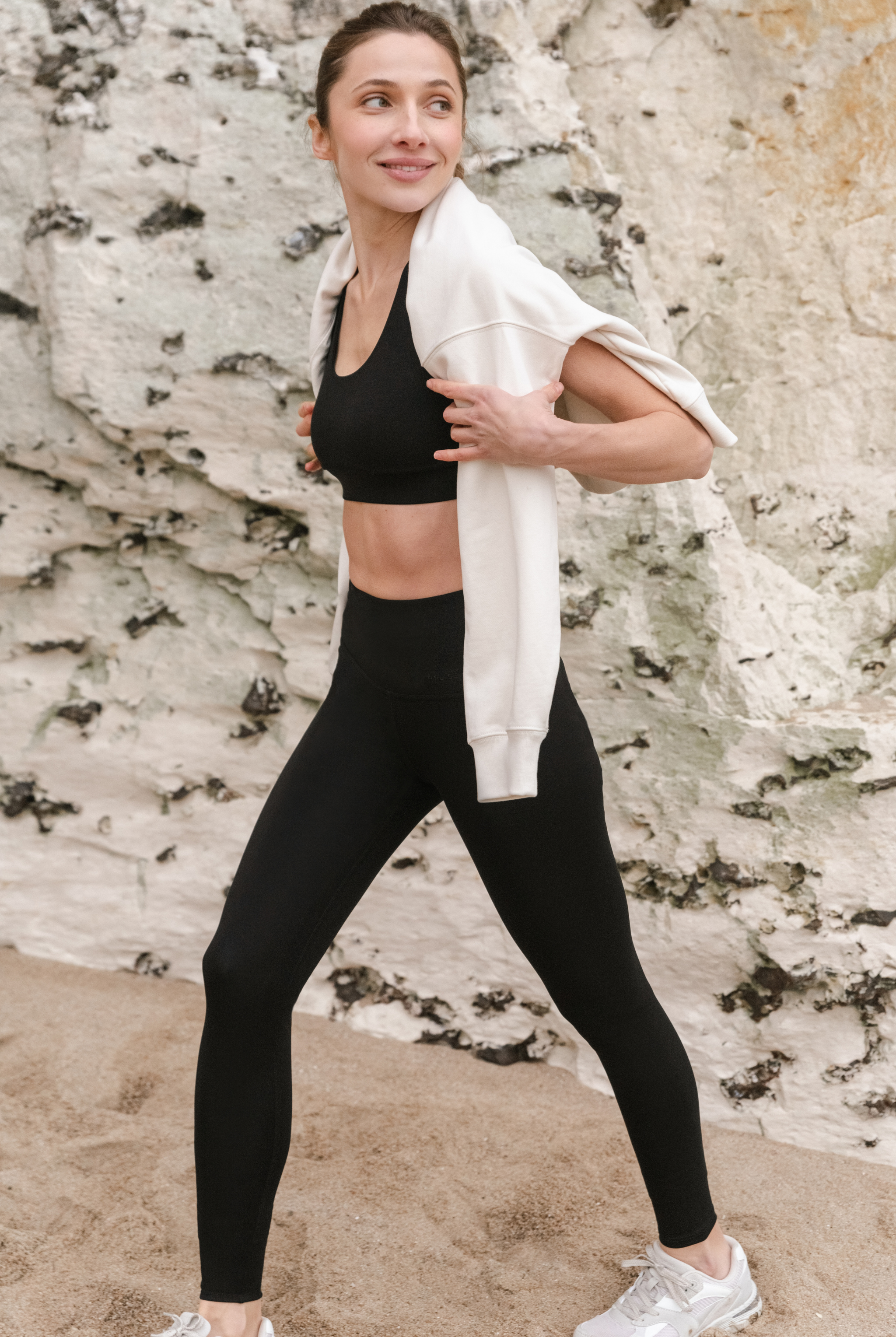
Sports bra or crop top with leggings, add a jacket or sweatshirt for the journey. One outfit that takes you from the mat to the rest of your day.
Shop the look: Original TENCEL™ Leggings + Next Gen TENCEL™ Sports Bra + AER Relaxed TENCEL™ Crop

Warm up, strip back
Leggings, sports bra and a long sleeve top. Arrive in soft layers, strip back once you're moving.
Shop the look: Pro TENCEL™ Leggings + Next Gen TENCEL™ Sports Bra + LUX Long Sleeve TENCEL™ Top

The summer set
A soft t-shirt and fitted shorts. Light, breathable and perfect for warmer classes, summer days, and everything after.
Shop the look: Original TENCEL™ Shorts + AER TENCEL™ T-shirt

FAQ
What should I wear to my first Pilates class?
For your first Pilates class, feeling comfortable is the most important thing. Choose something you can move freely in that gives your instructor a clear view of your alignment, and look for soft, breathable, and certified clean fabrics like TENCEL™ Lyocell.
As Nikie reassures: "Pilates is for everyone, not just the flexible, the young, or the strong. What I love most about Pilates is that it brings you into a deeply focused, almost meditative state. That's where your attention should be, not on how you look."
Do you need special socks for Pilates?
Special grip socks are not essential but they are worth considering. The rubber or silicone soles provide traction, control and stability during movement. They also help with hygiene. In the end, it is personal preference.
Is it better to wear leggings or shorts to Pilates?
Both leggings and shorts work well for Pilates. Leggings offer more coverage across the variety of positions the practice takes you through. Shorts are a great option for warmer days or heated studios. In either case, look for a higher waistband, light to medium compression, and enough coverage to move freely and confidently without anything shifting or feeling exposing.
What should I avoid wearing to Pilates?
Avoid conventional synthetic fabrics like polyester and nylon, which are heavily chemically treated, trap heat, sweat and odor against the skin. Beyond fabric, steer clear of anything too heavy or baggy, and items that dig in or distract such as underwire or back-fastening bras.
What should I wear to hot Pilates?
For hot Pilates, keep layers minimal. A lightweight sports bra or top with high-waisted leggings or shorts works well. Prioritize naturally breathable, temperature-regulating fabrics like TENCEL™ Lyocell, which adapt to the body rather than trapping heat like polyester and nylon. Grip socks are recommended as sweat increases slip risk.
What should I do with my hair for Pilates?
If you have long hair, Nikie suggests a ponytail or bun to keep hair out of your face and away from the equipment. For shorter hair, just make sure it stays out of your eyes during movement. Avoid claw clips and high ponytails on the reformer as they can catch on the headrest. Ultimately, as Nikie puts it: "It comes down to comfort. If you prefer to have your hair down and it doesn't distract you, that's completely fine. You workout for you, it's your moment, do what works for you."
What are the best leggings for reformer Pilates?
Full-length or 7/8 leggings work best for reformer Pilates. Look for a high waistband, light to medium compression and a minimal style with no zippers, metal hardware or anything too baggy that could catch on the equipment.
For fabric, naturally soft, breathable and certified clean options like TENCEL™ Lyocell paired with ROICA™ eco elastane for stretch are worth considering, free from harmful chemicals and kind to the skin during extended wear.
Explore Tripulse TENCEL™ Lyocell leggings
Can you wear baggy clothes to Pilates?
Overly baggy or oversized clothing is best avoided for Pilates. Your instructor needs a clear view of your spine, pelvis and alignment to give accurate guidance and corrections throughout class. Very loose styles can also bunch, shift or feel exposing as Pilates takes you through a full range of positions. That said, you don't need to wear ultra form-fitting clothing if that doesn't feel right for you. A relaxed but not oversized fit works well. Wear what you feel most confident and comfortable in – that's always the priority.
Mindful Movement Deserves Mindful Materials
Pilates asks you to move with intention, breathe with awareness and connect deeply with your body. Your outfit should support all of that.
To get the most out of every class, wear something you feel comfortable and confident in, that allows you to move freely, and gives your instructor a clear view of your alignment throughout class.
What your Pilates clothing is made from matters too. Activewear worn close to the body during movement can affect your comfort and skin health. Choose naturally high-performing, certified clean fabrics like TENCEL™ Lyocell with ROICA™ eco elastane. Your practice deserves nothing less.
Our top picks for Pilates:

Are you a Pilates instructor or wellness professional?
Join the Mindful Leaders Collective and move in materials you can stand behind, with 20% off and early access to new innovations. Learn more.
For more, visit:
- Activewear Capsule Wardrobe: 6-8 Natural Pieces That Do It All
- What is TENCEL™ Lyocell? Everything You Need to Know
- TENCEL™ Lyocell vs Cotton
- TENCEL™ Lyocell vs Merino Wool
- TENCEL™ vs Polyester
- Toxins in Clothing: 7 Chemicals to Avoid + What to Wear Instead
About the contributors
Written by Christie Johnson, a wellness and sustainability writer who has been publishing since 2020. Since 2023 she has written about performance fabrics, skin health and chemical safety in activewear. A certified Pilates teacher, she trains and teaches in Tripulse TENCEL™ Lyocell activewear, giving her first-hand experience of how natural fabrics perform during training.
Developed with Franziska Mesche, Founder and CEO of Tripulse. Since 2019 she has sourced and tested a wide range of natural and synthetic activewear fabrics, working directly with leading fabric innovators and EU mills on material development, testing and certification. Years of hands-on product development have built her practical expertise in how performance materials behave in real athletic use.
All material, certification and performance claims are verified by Franziska Mesche before publication.
Expert contributors
Nikie Sjöberg is a certified Pilates instructor with over 20 years of teaching experience, personal trainer, health coach, and founder of Mywellniverse – a curated wellness platform and Pilates studio in Stockholm where beauty, wellness, movement and thoughtfully chosen pieces come together to support how you live, feel and move through the world. Built around the belief that small, intentional choices can drive meaningful growth, MyWellniverse is a lifestyle universe of better choices, for you and for the planet.
Hannah McMullen is a comprehensively certified Pilates instructor and co-founder of TheReformery, a reformer Pilates studio in New York.