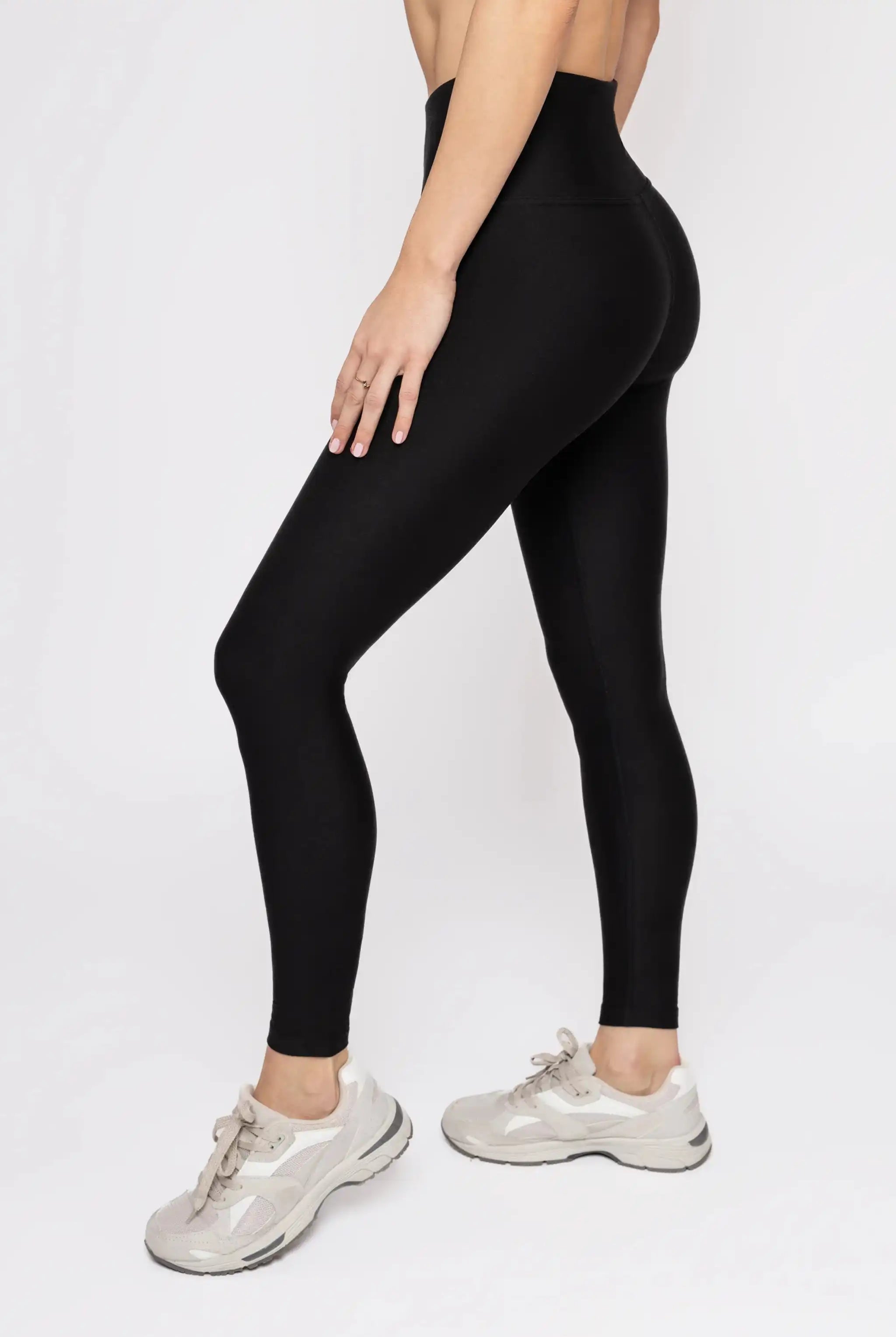
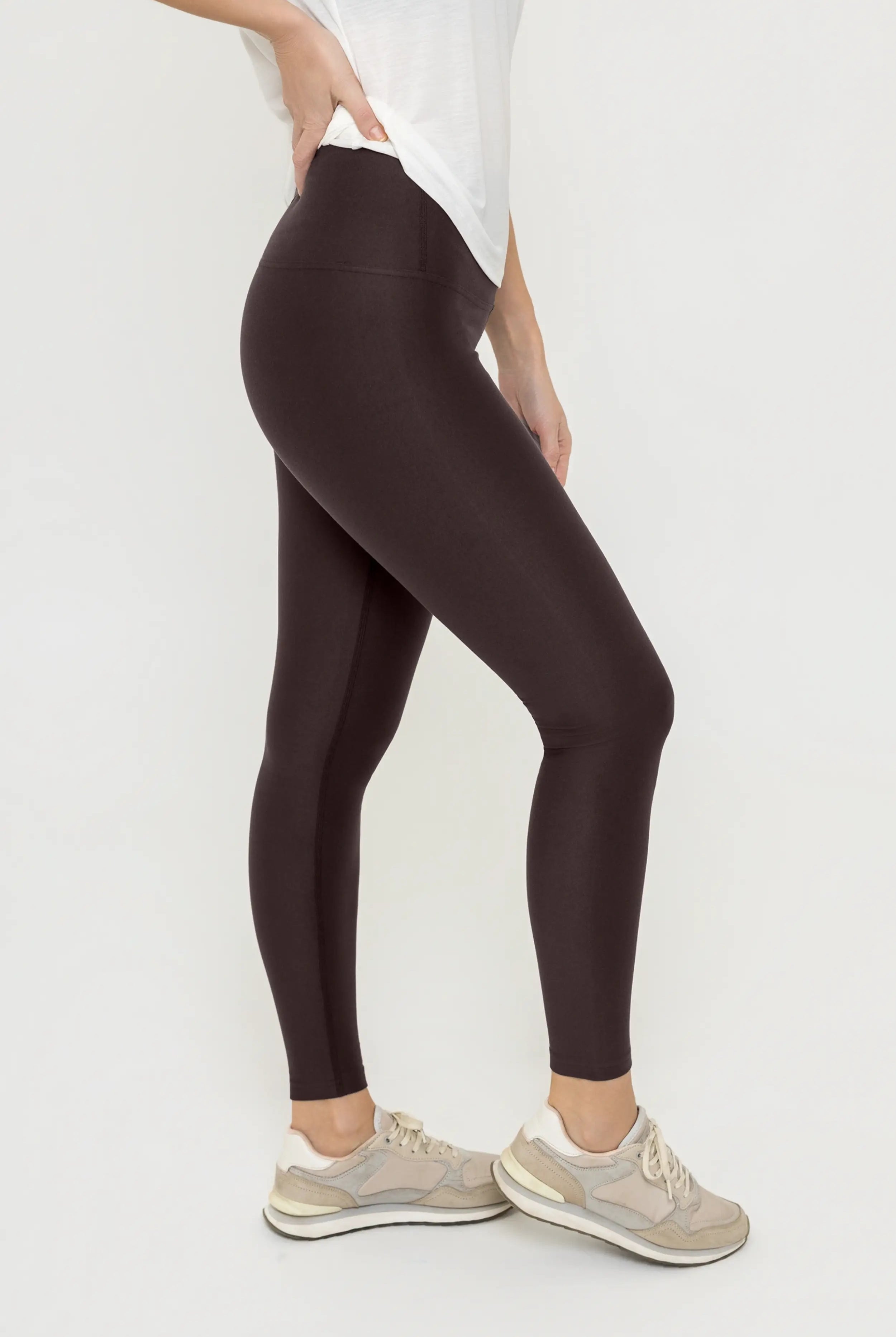
[Updated February 2026]
Microplastics aren't always obvious – but their presence is now part of daily life.
Clothing plays a quiet role in everyday wellbeing, especially when it's worn close to the skin. Microplastics invite a closer look at the materials we move, sweat, and live in, and how they relate to long-term health.
This guide offers a clear, practical way forward to avoiding microplastics in clothing. It looks at where microplastics come from, which pieces matter most, and how to reduce exposure step by step.
Microplastics in Clothing: Quick Summary
- Most modern clothing – especially activewear – uses plastic-based fibers that shed microplastics during wear and washing.
- Polyester, nylon, and acrylic are some of the biggest sources of microfiber pollution.
- Heat, sweat, and friction can increase contact with microplastics and the chemicals they carry.
- Choosing clothing made mostly from certified natural fibers is one of the most effective ways to reduce exposure.
- You don't need to replace everything at once – starting with skin-close pieces like activewear can make the biggest difference.
Table of Contents
- How to Avoid Microplastics in Clothing: 5 Simple Steps
- What Are Microplastics in Clothing?
- Which Fabrics Release the Most Microplastics?
- Do Microplastics in Clothing Affect Health? What We Know So Far
- Microplastics in Clothing and the Environment
- A Quick Note On Bioplastics
- Tripulse's Safer, Smarter Material Approach
- Microplastics in Clothing: FAQ
How to Avoid Microplastics in Clothing: 5 Simple Steps
To reduce everyday exposure to microplastics from clothing, focus on avoiding synthetic fabrics, choosing natural fibers for skin-close pieces, washing clothes gently, replacing synthetics gradually, and using laundry filters as a short-term support. Starting with activewear makes the biggest impact.
Step 1: Avoid Synthetic Fabrics as the Main Material
What this means: Synthetic fabrics are the largest source of microplastics in clothing, especially in activewear and tight-fitting garments.
What to do:
- Check the label
- If synthetics like polyester or nylon are listed, treat it as a higher-shedding item
- Be cautious with eco-friendly or "recycled" options – they still shed microplastics
Note: Some elastane is often needed in activewear. If synthetics can't be avoided entirely, choose brands that minimize them or use safer stretch alternatives Roica® V550.
Learn more: Plastic-Free Activewear: Why Elastane Is Still Used (And Safer Options)
Step 2: Choose Natural, Certified Fabrics for Skin-Close Pieces
What this means: Natural fibers don't shed plastic microplastics. But not all natural fabrics perform the same.
What to do:
- Prioritize natural performance fabrics such as TENCEL™ Lyocell and merino wool, especially for activewear and other skin-close pieces. These are naturally breathable, highly efficient at managing moisture, and resist odors.
- Use other natural fibers like organic cotton, hemp, or linen for lower-intensity wear or everyday pieces
- Look for a high percentage of natural fibers, rather than garments where natural materials are only a small blend alongside mostly synthetic fibers.
- Check for trusted certifications (such as OEKO-TEX® or GOTS) to help reduce chemical exposure too
In short, choosing natural fibers that are well suited to how you wear them helps reduce microplastics without compromising comfort or performance.
Step 3: Wash Clothes Gently to Reduce Fiber Shedding
What this means: Washing is when clothes shed the most microfibers.
What to do:
- Wash less often (only when needed)
- Use cold water and gentle cycles
- Avoid tumble dryers where possible
- Hand-wash delicate or synthetic pieces if you can
Note: Gentler washing can significantly reduce microfiber release. For a long-term solution, shifting away from synthetic materials to more natural options is key.
Step 4: Replace Synthetic Clothing Gradually, Starting with Activewear
What this means: You don't need a full wardrobe reset.
What to do:
- Keep what you already own
- Replace items slowly as they wear out
- Start with activewear, underwear, and sleepwear
Note: Natural performance fabrics paired with safer stretch tend to offer the best balance of comfort, function, and lower shedding.
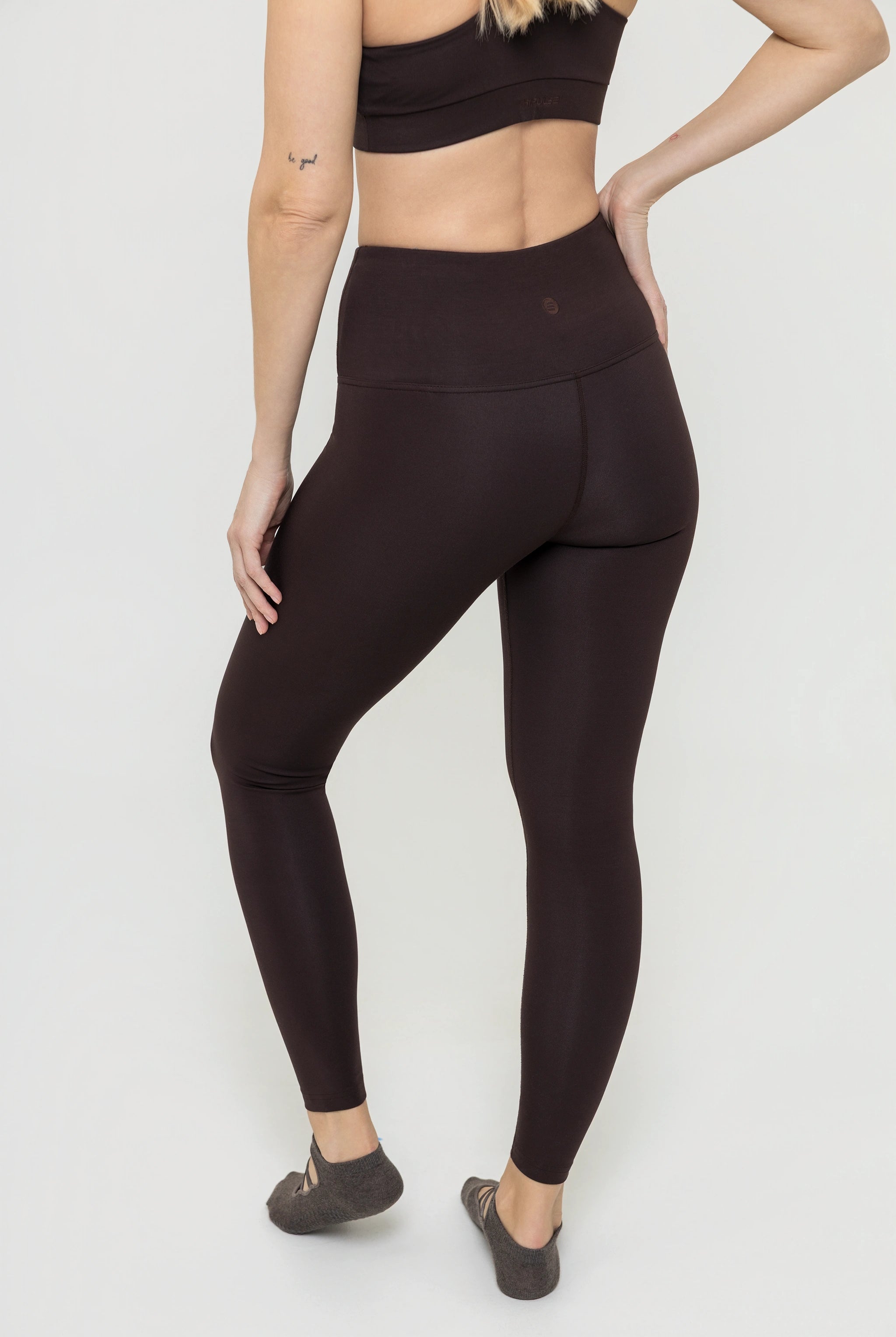
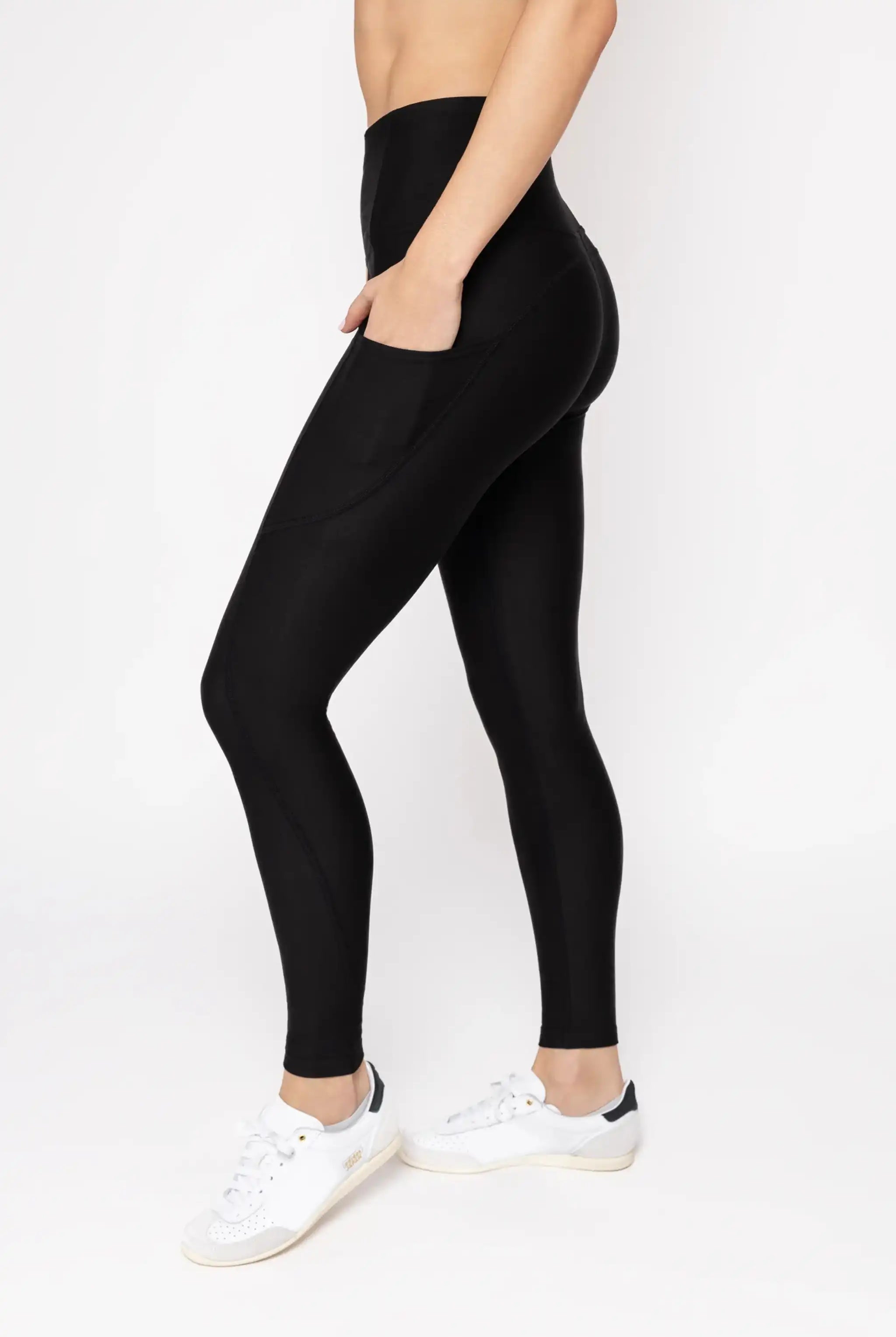
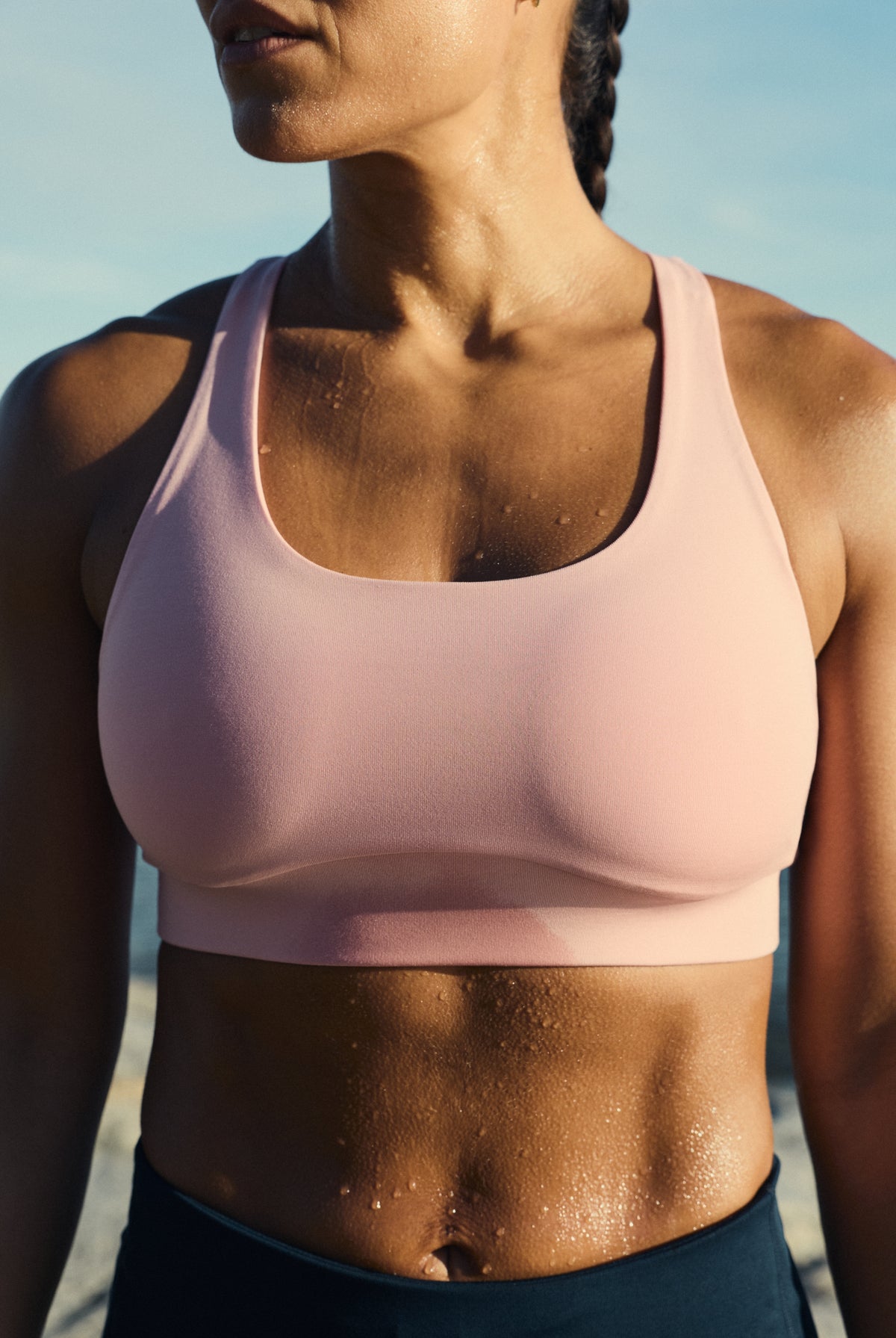
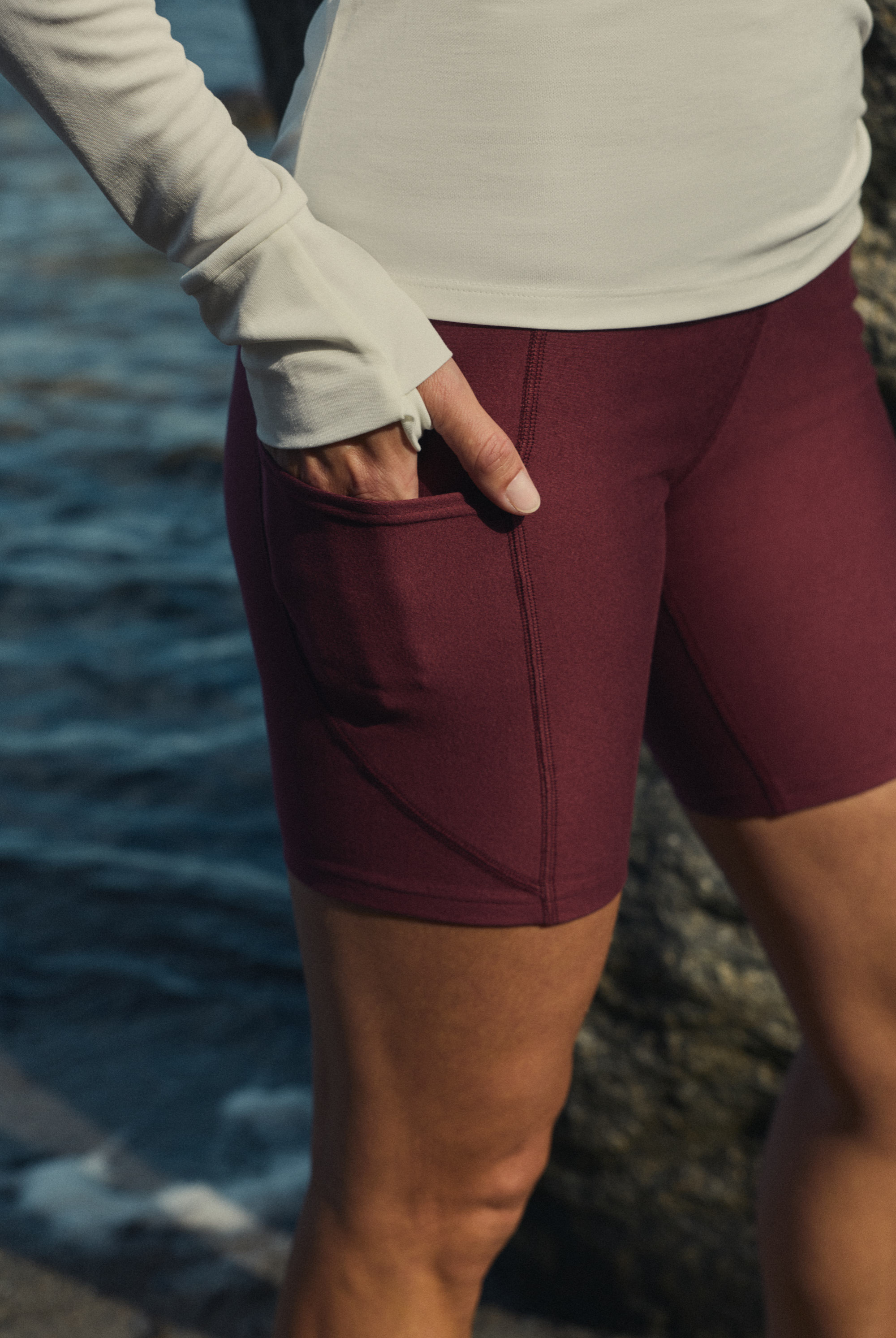
A TENCEL™ Lyocell + Roica® blend is a good example, and what we use at Tripulse to make our sports bras, leggings, and shorts.

Step 5: Use Laundry Bags and Filters as a Temporary Measure
What this means: Laundry bags and washing-machine filters can catch some microfibers during washing.
What to do:
- Microfiber-catching laundry bags and washing-machine filter can help reduce microfiber pollution
- Treat these tools as a temporary layer of protection, not a long-term solution
Note: As long as clothing is made from plastic, it will keep shedding microplastics. Bags and filters help – but reducing synthetic fabrics matters more.
What Are Microplastics in Clothing?
Microplastics in clothing are tiny plastic fibers released from synthetic fabrics like polyester, nylon, and elastane.
Microplastics measure 5 millimetres or smaller. Nanoplastics are even finer – less than one micrometre in size.
Most modern activewear is made from petroleum-based plastics because they're lightweight, stretchy, and durable. The trade-off is that with every movement, wash, and wear, these garments release thousands of invisible microfibers. They escape into water systems, drift through the air, and can even enter our bodies.
Which Fabrics Release the Most Microplastics?
Synthetic fabrics such as polyester, nylon, and acrylic shed high amounts of microplastic fibers. Even recycled and biobased options are just as polluting.
Microplastics in Clothing
| Fabric Type | Derived From | Microplastic Shedding |
|---|---|---|
| Polyester | Plastic | HIGH |
| Nylon | Plastic | HIGH |
| Acrylic | Plastic | HIGH |
| Spandex (elastane) | Plastic | HIGH |
| Recycled Synthetics | Plastic | HIGH |
| Bioplastics | Starch | HIGH |
| TENCEL™ Lyocell | Wood pulp | NONE |
| Cotton | Cotton plant | NONE |
| Bamboo | Bamboo plant | NONE |
| Hemp | Hemp plant | NONE |
| (Merino) Wool | Sheep fleece | NONE |
| Linen | Flax plant | NONE |
Just one laundry load of polyester clothing can release up to 700,000 plastic microfibers into waterways.
Microplastics can also escape during wear, especially when clothing rubs against the skin.
Fast fashion is also making the microplastic pollution problem worse:
"Fast fashion accounts for particularly high levels of such releases [of microplastics] because fast fashion garments account for a high share of first washes, as they are used for only a short time and tend to wear out quickly due to their low quality." — European Environment Agency
Do Microplastics in Clothing Affect Health? What We Know So Far

Research into microplastics and human health is still evolving.
What scientists agree on so far is that microplastic fibers can enter the body through inhalation, ingestion, and – under certain conditions – skin contact. Researchers are now studying how repeated, low-level exposure may interact with our bodies over time.
Much is still being learned. Here's what the evidence is saying so far.
1. Skin Contact: Microplastics and the Chemicals They Carry
Intact skin is thought to be a strong barrier against microplastics. That said, emerging research suggests that very small plastic fibers may still enter the body through sweat glands, hair follicles, or damaged skin.
It's also not just about the plastic fibers themselves.
Many synthetic garments – especially activewear – are treated with chemicals such as PFAS to improve performance. A 2024 study by the University of Birmingham found that microplastics can carry these substances into the skin.
"Microplastics are everywhere in the environment…they play a role as 'carriers' of harmful chemicals, which can get into our bloodstream through the skin." — Dr Ovokeroye Abafe
Learn more: Your Ultimate Guide to Toxins in Clothing for a Healthier You
2. Inhalation: Breathing Microplastics from Synthetic Clothing
Synthetic clothing is thought to be a major source of airborne microplastics. A recent 2025 study estimates we may inhale tens of thousands of particles each day, with fibers like nylon commonly found deep in lung tissue.
3. Bioaccumulation: What May Happen Over Time
Microplastics don't always leave the body straight away.
Research suggests they can persist and build up over time, and have been detected not only in the lungs, but also in tissues such as the brain, placenta, and breast milk.
Scientists are still learning what this means long-term, but it's one reason experts are paying closer attention to everyday exposure.
What This Means for Your Activewear
- When it comes to microplastic–or microfiber–exposure, synthetic activewear creates the "perfect storm":
- It's tight, sits close to the skin and is often worn for long periods.
- It's worn during movement and sweating, which can boost absorption of these fibers and the toxic chemicals they carry.
- Motion and friction alone can cause substantial micro- and nanofiber release – what we tend to do a lot of during exercise!
This is why choosing activewear made primarily from natural fibers – rather than fully synthetic fabrics – can meaningfully reduce everyday exposure.
Microplastics in Clothing and the Environment

Microplastics from clothing and other plastics are now found almost everywhere in the natural world. They are so widespread some researchers refer to our current era as the "Plasticene."
Clothing is a major part of the microplastic problem. Synthetic textiles are estimated to contribute around 35% of microplastics in the ocean. At current rates, global microplastic pollution could increase by 22 million tonnes by 2050.
It's no wonder our oceans are now being described as a swirling "plastic soup"!
Once released, these fibers move through ecosystems. They are mistaken for food, disrupt marine life, and can interfere with the ocean's ability to store carbon. Microplastics have also been linked to reduced plant growth in soil-based studies.
Marine biologist Richard Thompson notes:
"The predictions are that we'll see wide-scale ecological harm from the microplastics in the next 70 to 100 years."
A Quick Note On Bioplastics
Bioplastics are made from starch-based sources fibers corn, rice, or sugarcane. They're often touted as a green, biodegradable alternative to fossil-fuel plastics. You'll find them in everything from clothing to packaging.
Yet recent research shows certain bioplastics can be just as toxic and may carry similar health risks to conventional plastics. They can also shed "micro-bioplastics" where washing releases large amounts into the environment.
That said, the field of bioplastics is still evolving. With further development, they may still become a lower-impact and healthier solution to our burgeoning plastic problem.
Tripulse's Safer, Smarter Material Approach

We're often asked whether Tripulse activewear is completely plastic-free.
It's a great question, and one we take seriously. Because for many of you (and us), what you put on your skin matters.
In our recent community survey, more than half of you said you're concerned about microplastics, toxins, and synthetics in clothing.
What makes Tripulse different
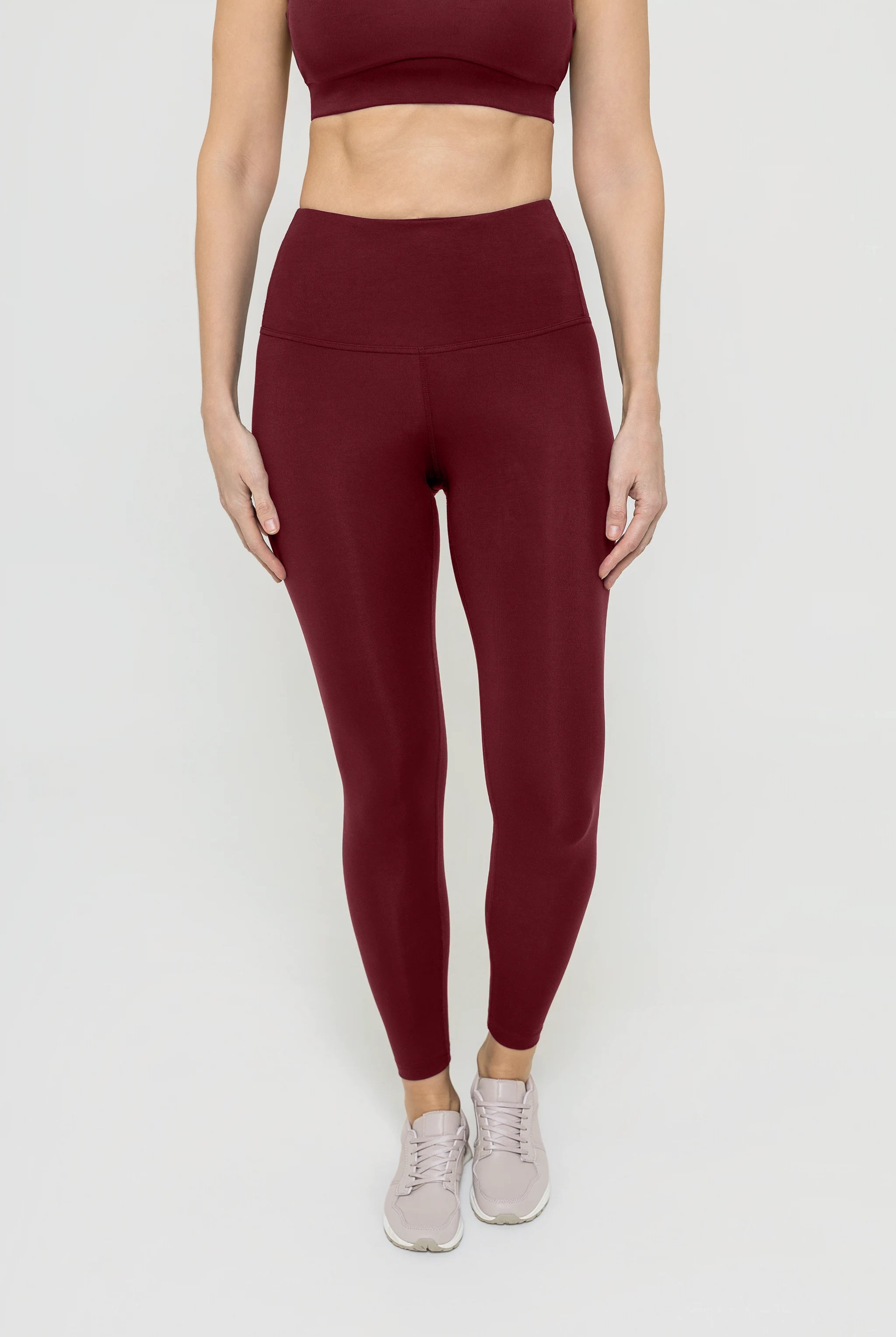
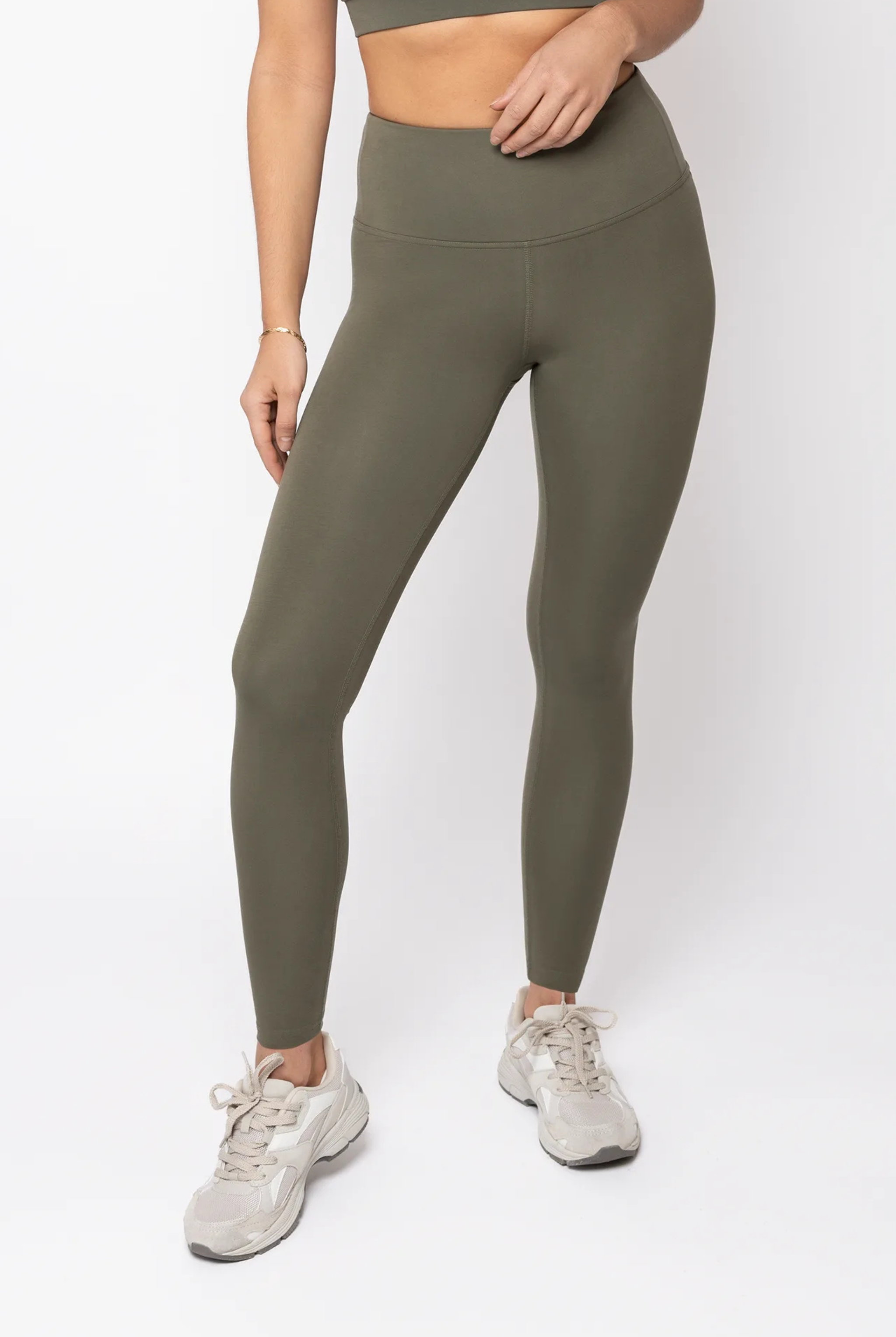
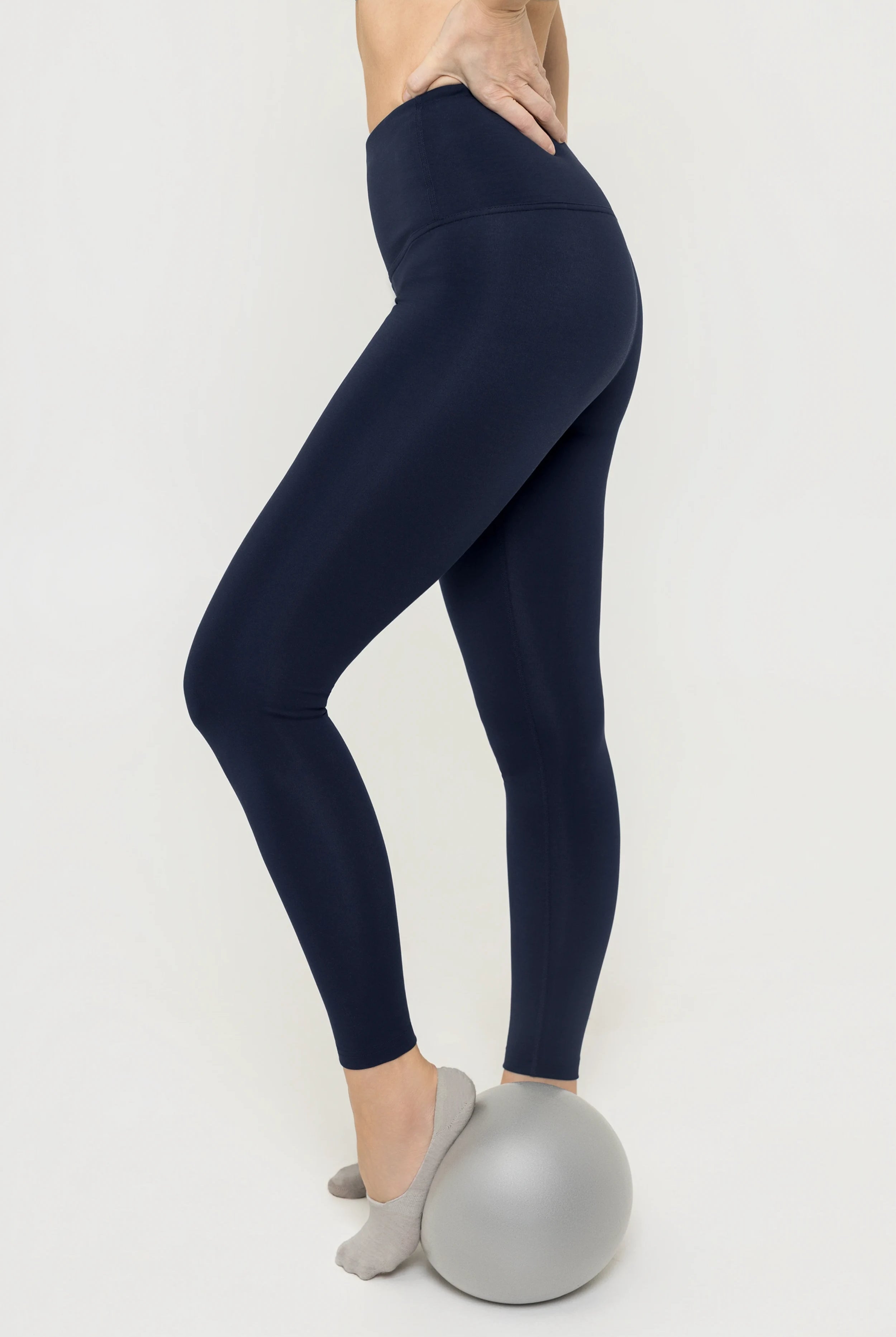
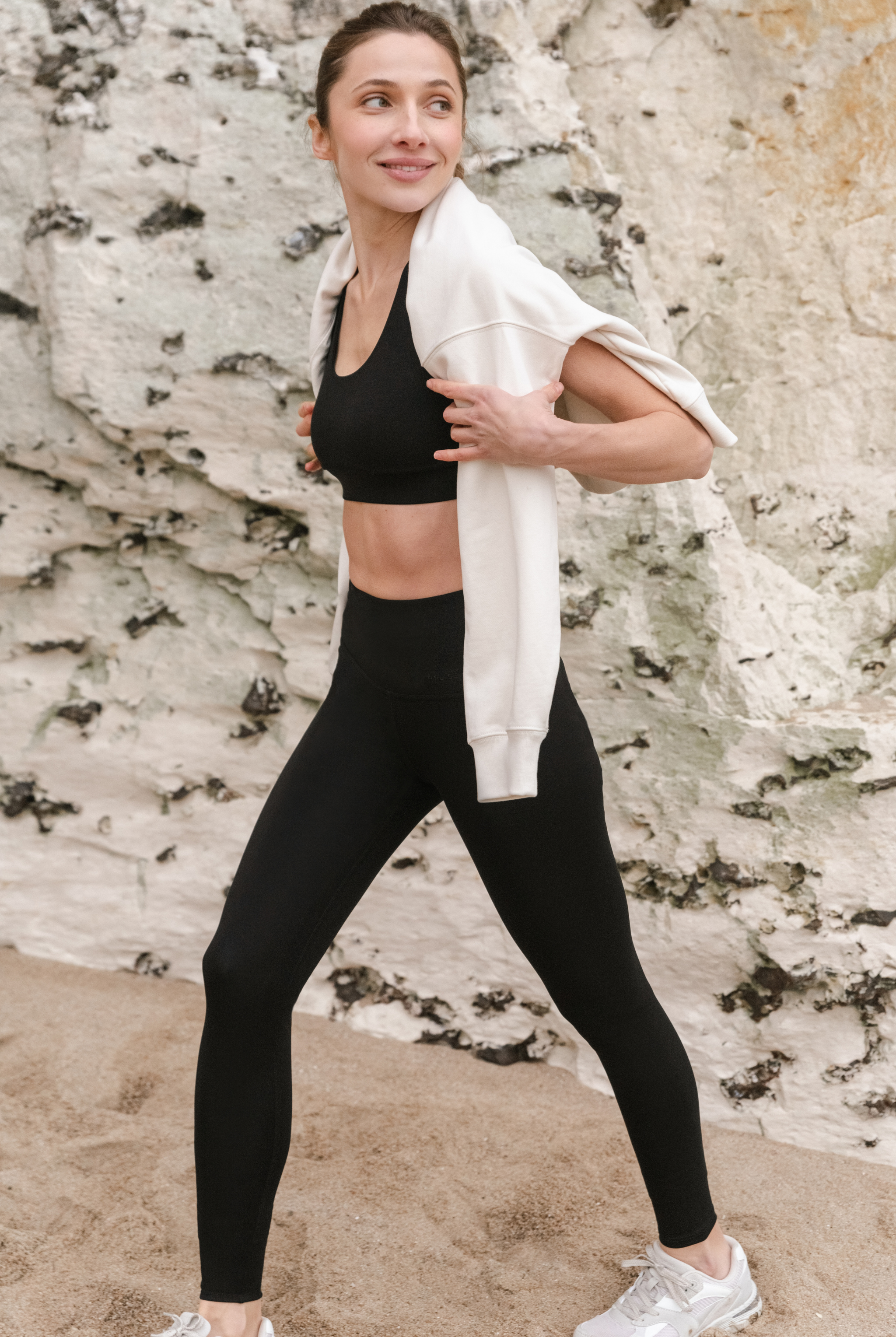
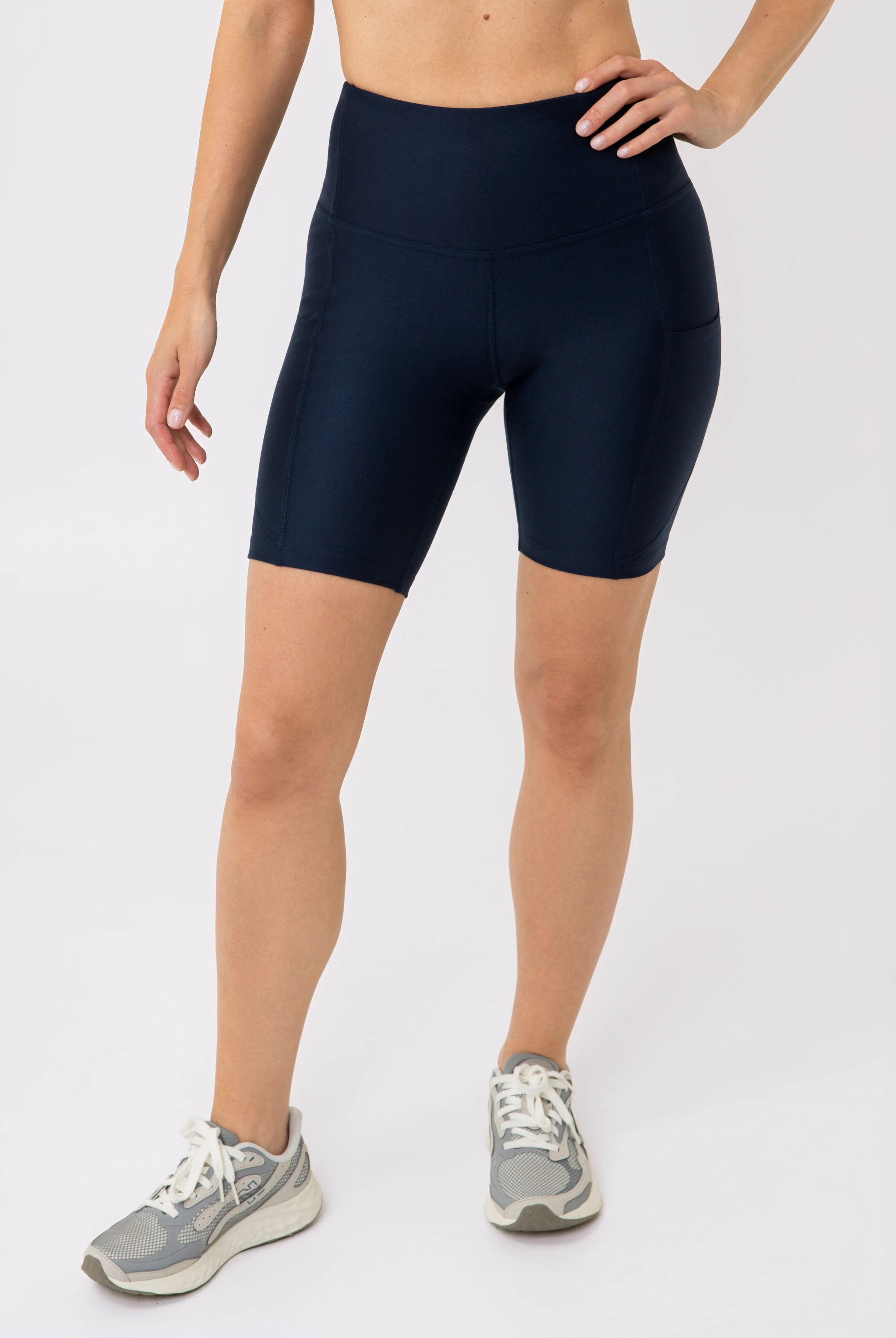
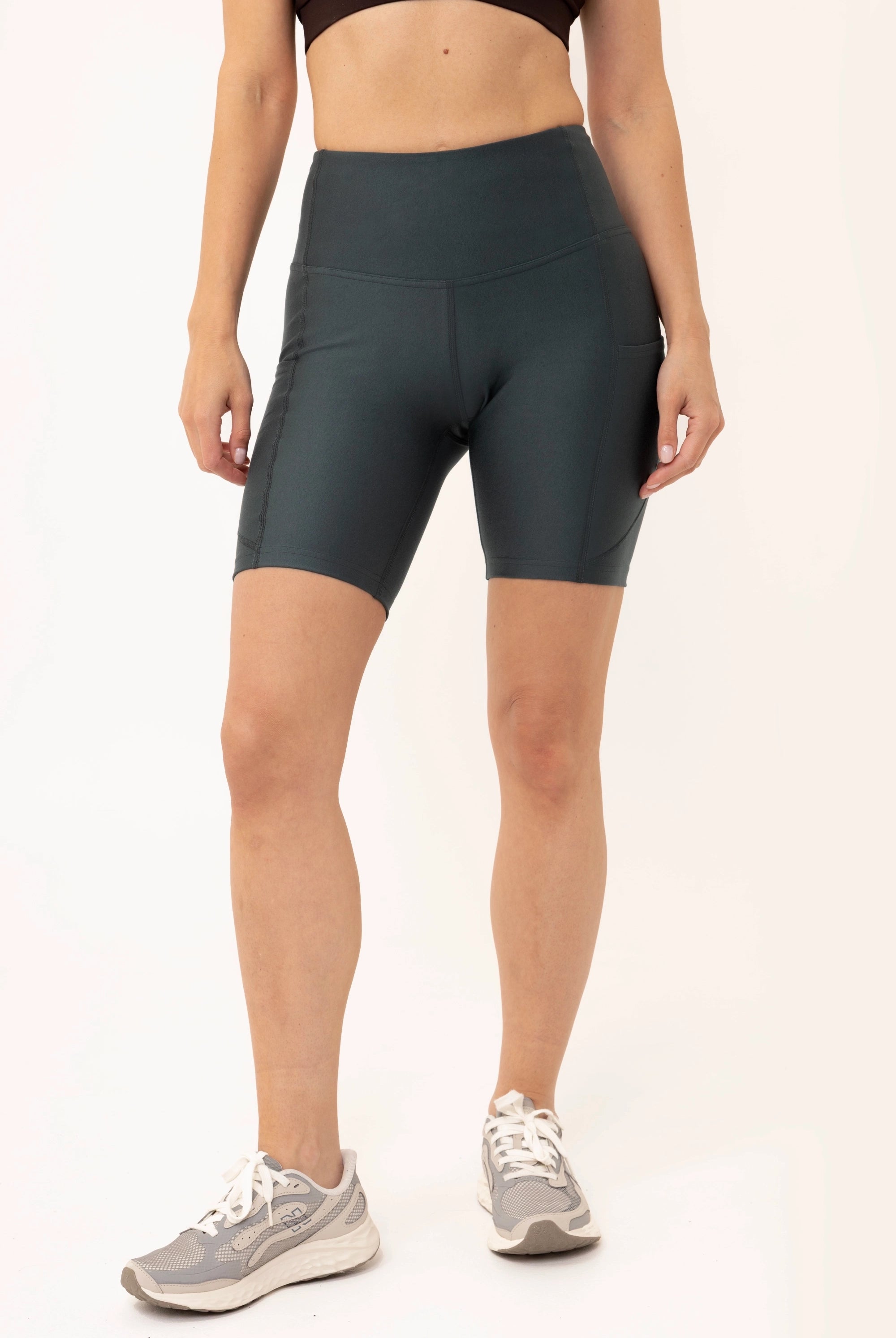
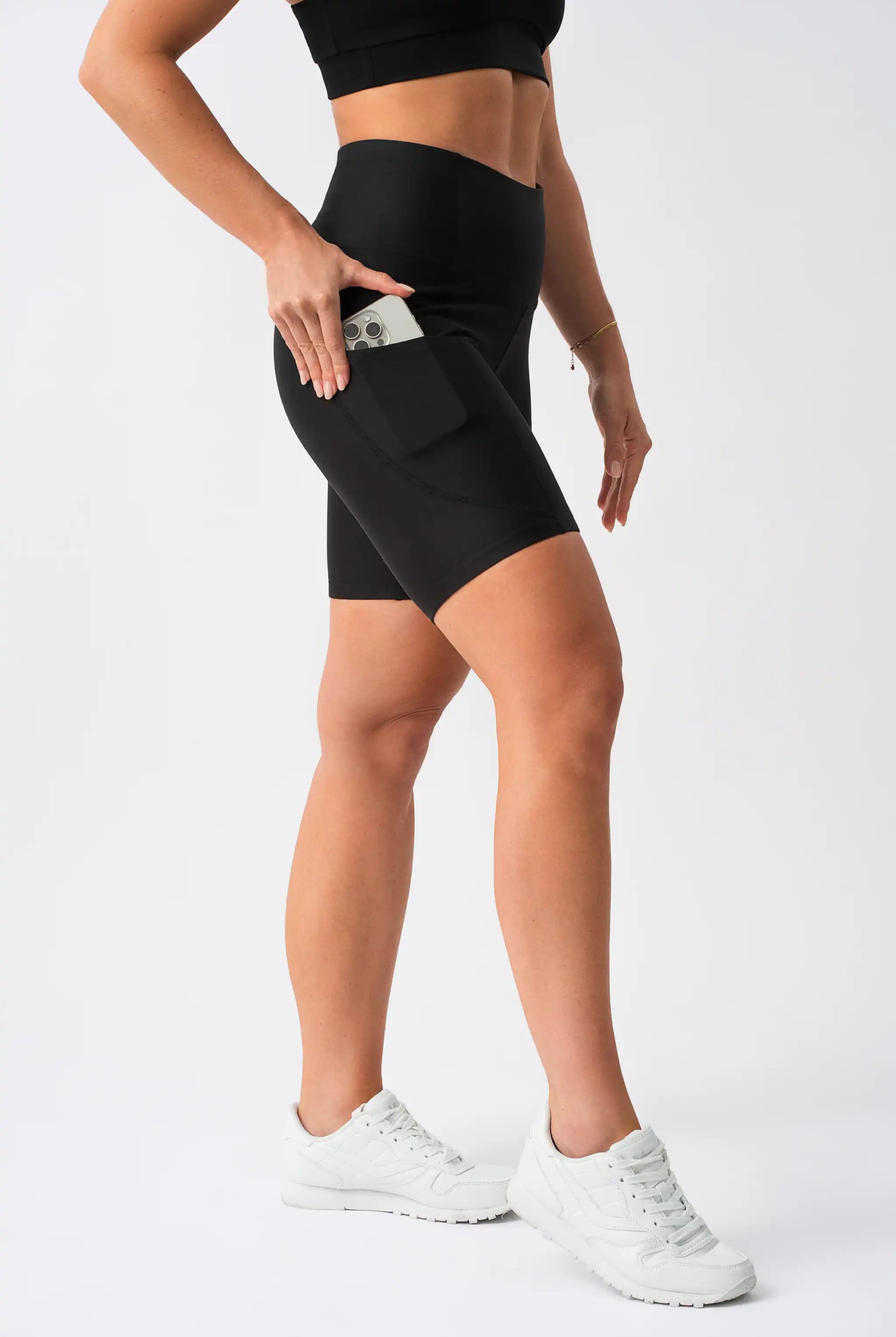
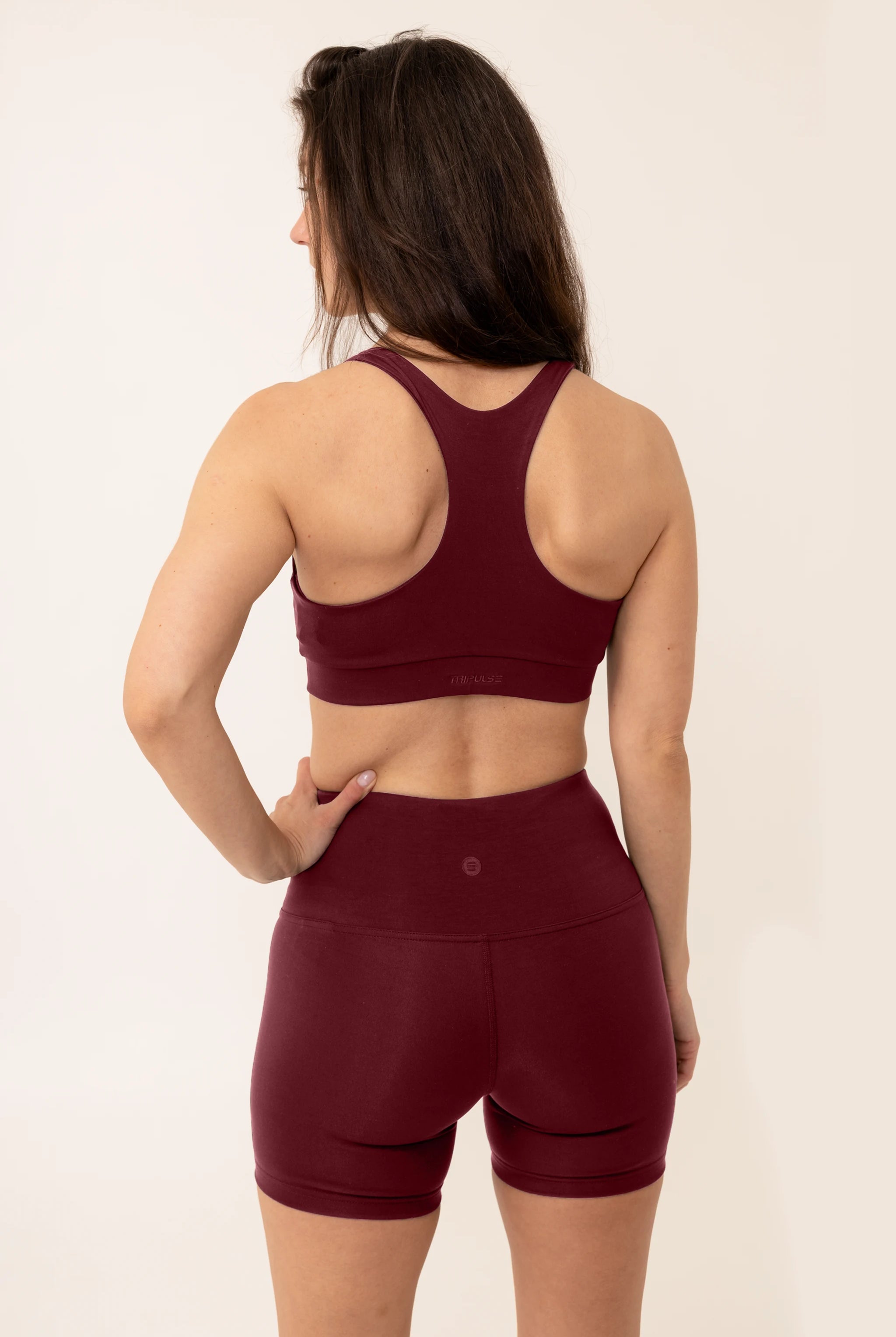
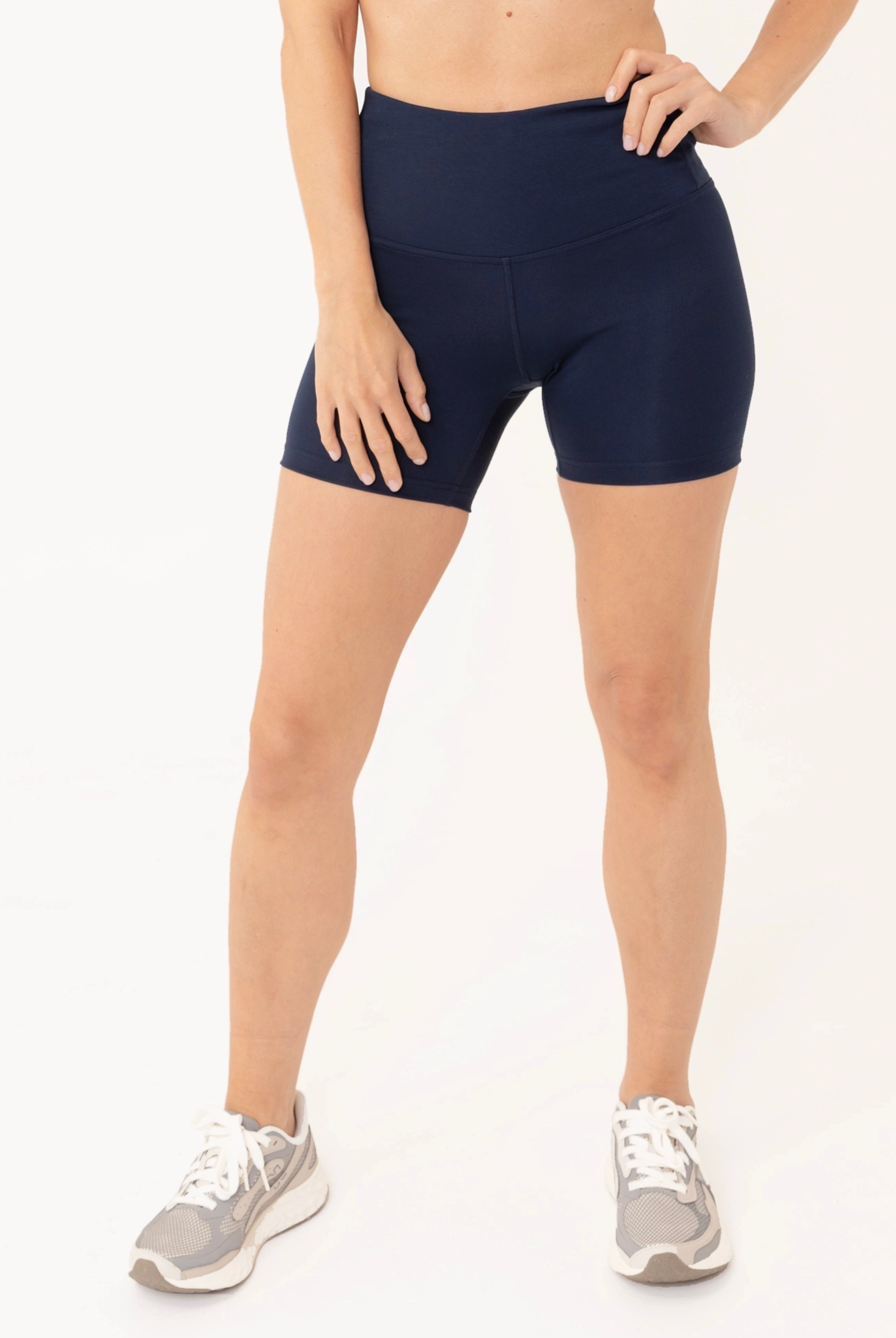
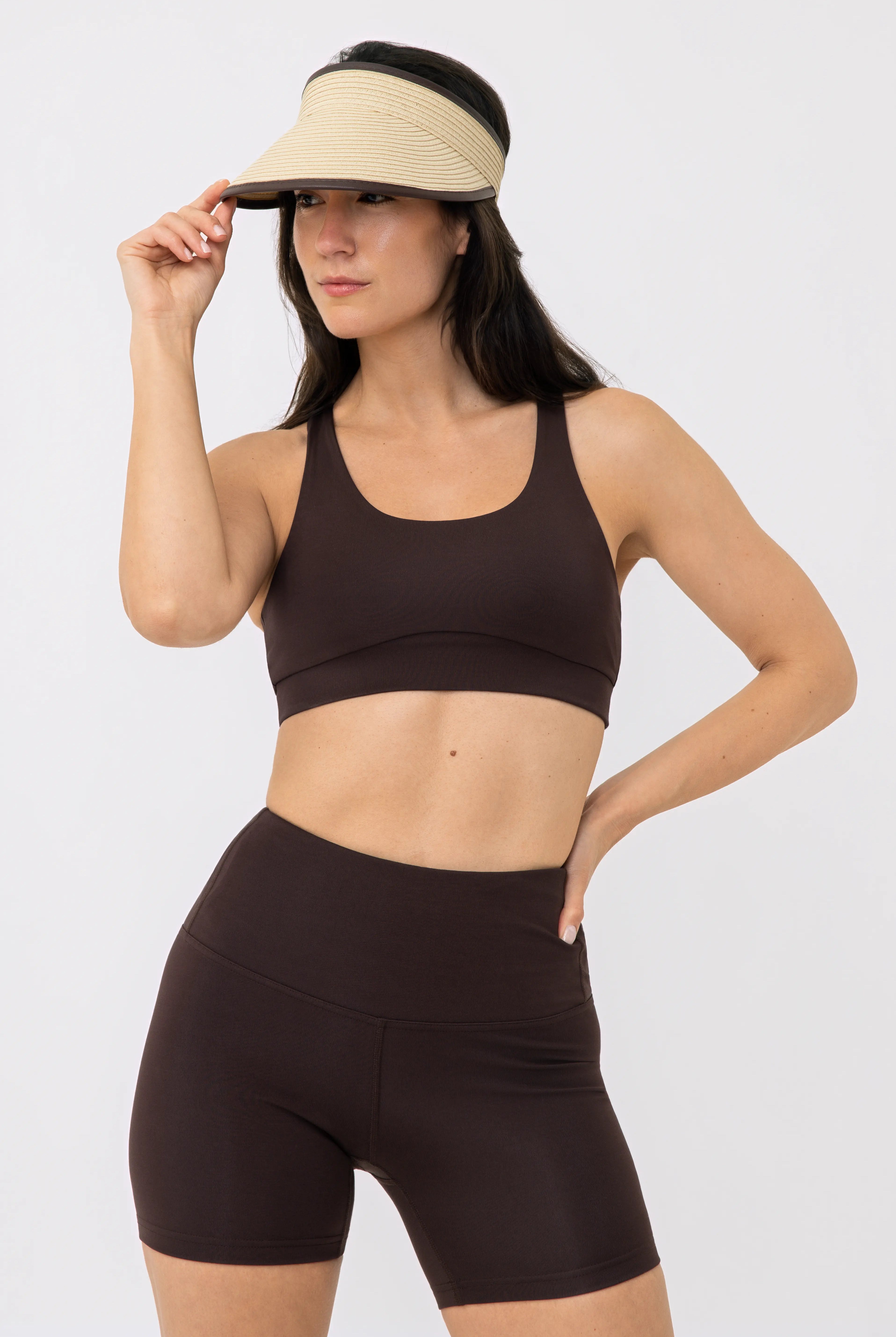
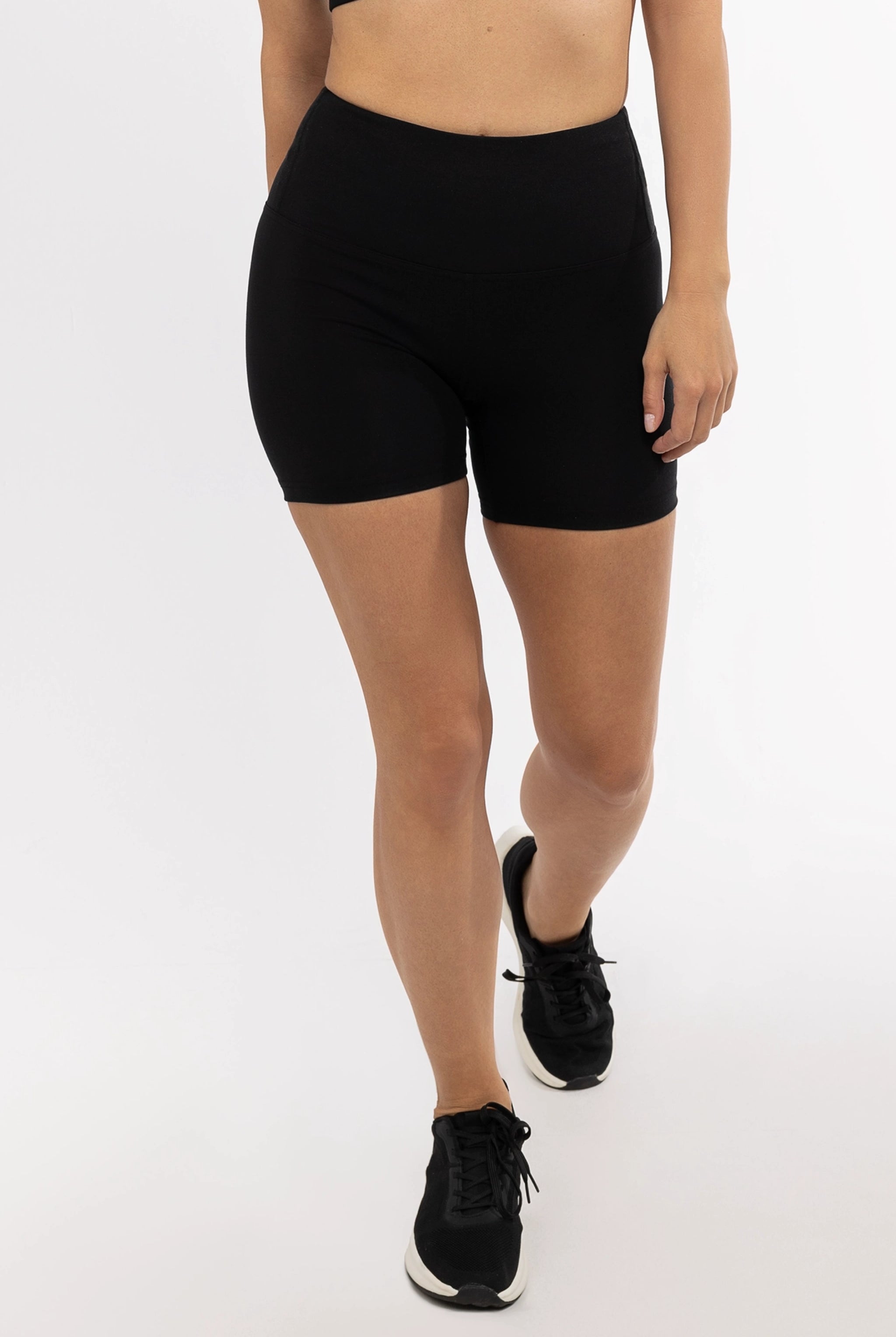
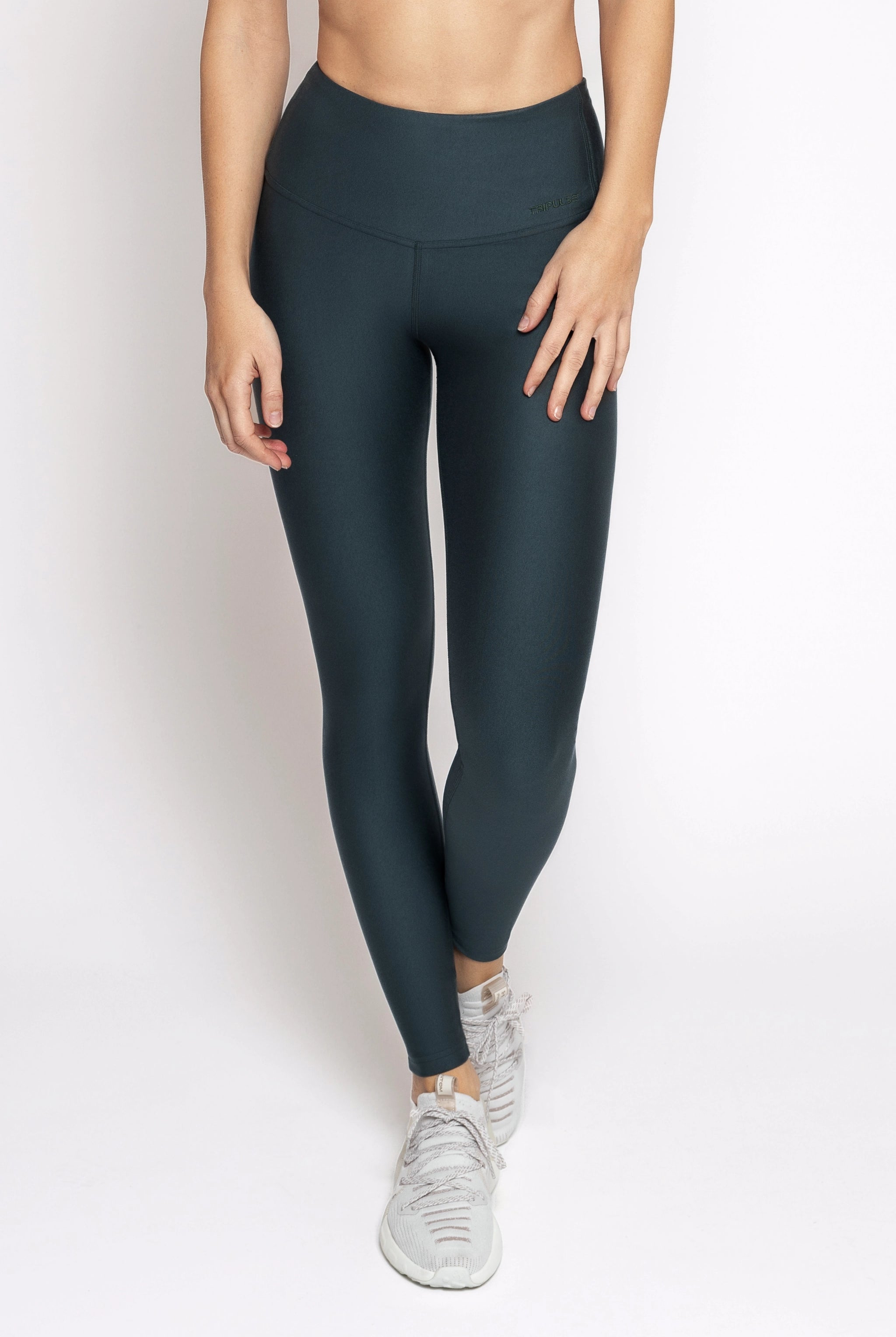
Tripulse products contain 84-100% TENCEL™ Lyocell across the collection—not token blends—paired specifically with ROICA® V550 and EF eco-elastane rather than conventional stretch fibers for pieces where stretch is absolutely necessary for performance, such as leggings and sports bras.
This composition, combined with trusted health and sustainability certifications, creates measurably superior performance:
- 89% of customers rate our activewear's breathability and temperature regulation superior to synthetic alternatives
- 83% wear items multiple times before washing
How this shows up in practice
- High natural fiber content. Prioritizing wood-based TENCEL™ Lyocell to reduce plastic exposure in skin-close pieces.
- Performance without chemical shortcuts. Breathability, moisture management, and odor control come from the fiber itself – not from heavy chemical finishes.
- Certified, skin-safe quality. Fabrics are tested to OEKO-TEX® and REACH standards, including being free from PFAS and BPA.
- Stretch only where movement demands it. Using small amounts of safer, certified eco-elastane to support fit, comfort, and durability.
- Attention beyond the main fabric. Reducing plastic wherever possible, including in drawstrings, labels, and trims.
Learn more about our clean, non-toxic materials.
"Feeling so much better wearing leggings without the creepy feeling that tiny plastics are invading through my skin!"
— Randy (Tripulse customer)

Microplastics in Clothing: FAQ
What clothing has no microplastics?
Clothing made from natural fibers – such as TENCEL™ Lyocell, organic cotton, hemp, linen, bamboo, and wool – does not contain microplastics.
However, it isn't always as simple as "natural vs synthetic." Many garments are blended with elastane or other stretch synthetics, or treated with heavy chemical finishes. This means they can still shed microplastics or introduce unnecessary chemical exposure.
Instead of aiming for "perfectly microplastic-free," a more realistic approach is to choose clothing that:
- is made with a high percentage of natural fibers
- uses safer stretch alternatives where performance is needed (such as ROICA® V550, a degradable elastane designed to be more skin- and planet-conscious)
- is certified by trusted standards like OEKO-TEX® or GOTS to limit harmful chemicals
The goal isn't perfection. It's making safer, more conscious material choices that significantly reduce microplastic shedding while still ensuring comfort and performance.
Do microplastics absorb through skin?
Microplastics may not easily pass through intact skin. But new research shows that they can enter through natural openings such as sweat glands, hair follicles, or damaged skin. This matters most when wearing skin-tight clothing like activewear, where heat, sweat, and movement may increase exposure.
Will microplastics stay in your body?
Some studies suggest that once microplastics enter the body, very small particles may travel through the bloodstream and remain in certain tissues.
Microplastics have already been found in places like the lungs, bloodstream, and breast milk. Scientists are still learning about what this means for long-term health, and research in this field is continuing to evolve.
Can you wash microplastics out of clothes?
Microplastics are part of the fabric itself. This means you can't wash them out completely. As long as clothing is made from plastic, it will keep shedding microplastics.
Does 100% cotton have microplastics?
100% cotton sheds plant-based microfibers rather than microplastics. However, conventionally produced cotton can still be treated with chemical finishes. Choosing certified and organic cotton helps reduce unnecessary chemical exposure.
Can I find eco-friendly workout clothes that limit microplastic shedding?
Yes – some activewear brands reduce microplastic shedding by using a high share of natural fibers instead of fully synthetic fabrics. For performance pieces like leggings and sports bras, a small amount of stretch is often still needed. Fully plant-based stretch at this level isn't widely available yet, but there are safer alternatives to conventional elastane, such as ROICA® V550.
A good rule of thumb is to look for garments made mostly from naturally high-performing fibers, paired with safer stretch alternatives. Tripulse activewear follows this approach by combining premium wood-based TENCEL™ Lyocell with ROICA® V550 or EF stretch.
How can I buy clothes without microplastics?
Start with the fabric. Most microplastics come from synthetic fibers like polyester, nylon, and acrylic, which shed during both wear and washing. Choosing clothes made mostly from natural fibers is one of the simplest ways to reduce exposure.
It also makes sense to start with skin-close pieces like activewear. These are worn during movement, heat, and sweat, when fabrics tend to shed more.
Microplastics in Clothing: Final Thoughts
The fabrics we wear should support our well-being, not work against it.
And while most clothing today is still made from synthetic materials that shed microplastics, better options do exist.
When thinking about avoiding microplastics in clothing, here's what matters most:
- Prioritize materials made from nature, not plastic. Certified natural fibers are one of the simplest ways to reduce microplastic exposure.
- Be especially mindful with activewear. These pieces are worn during movement and sweat, when shedding and skin contact are highest.
- Where stretch is needed, look for safer alternatives. High natural fiber content paired with certified, non-toxic options like Roica V550 or EF can offer performance without relying on conventional synthetics.
- Make changes gradually. Start with the items you wear most and closest to your skin – like activewear and underwear.
You don't need to overhaul your wardrobe overnight. Each thoughtful swap is a small, meaningful step for your health and the world around you.
Wellness starts with what you wear
Discover Tripulse – activewear made primarily from natural fibers, designed to reduce microplastic exposure.

For more, visit:
- Plastic-Free Activewear: Why Elastane Is Still Used (And Safer Options)
- TENCEL™ vs Polyester: What's Best for Activewear?
- Toxins in Clothing: 7 Chemicals to Avoid + What to Wear Instead (2026)
- How to Avoid PFAS in Clothing: Practical Tips
- What is TENCEL™ Lyocell? Everything You Need to Know
About the contributors
Written by Christie Johnson, a wellness and sustainability writer who has been publishing since 2020. Since 2023 she has written about performance fabrics, sustainability and the environmental impact of what we wear. A certified Pilates teacher, she trains and teaches in Tripulse TENCEL™ Lyocell activewear, giving her first-hand experience of how natural fabrics perform during training.
Developed with Franziska Mesche, Founder and CEO of Tripulse. Since 2019 she has sourced and tested a wide range of natural and synthetic activewear fabrics, with a focus on responsible materials and circular design. Years of hands-on product development have built her practical expertise in how performance materials behave in real athletic use.
All material, certification and performance claims are verified by Franziska Mesche before publication.